_du_Rastro,_a_Madrid%22_(19750357049).jpg)


.jpg)

3 min walk
Run away
- Notable
- Art and culture venue
Language · 1 published
Market · Madrid
Closed today, Thursday. Next open Sunday at 09:00 — the planner will not place a stop here on a Thursday.
Plan around it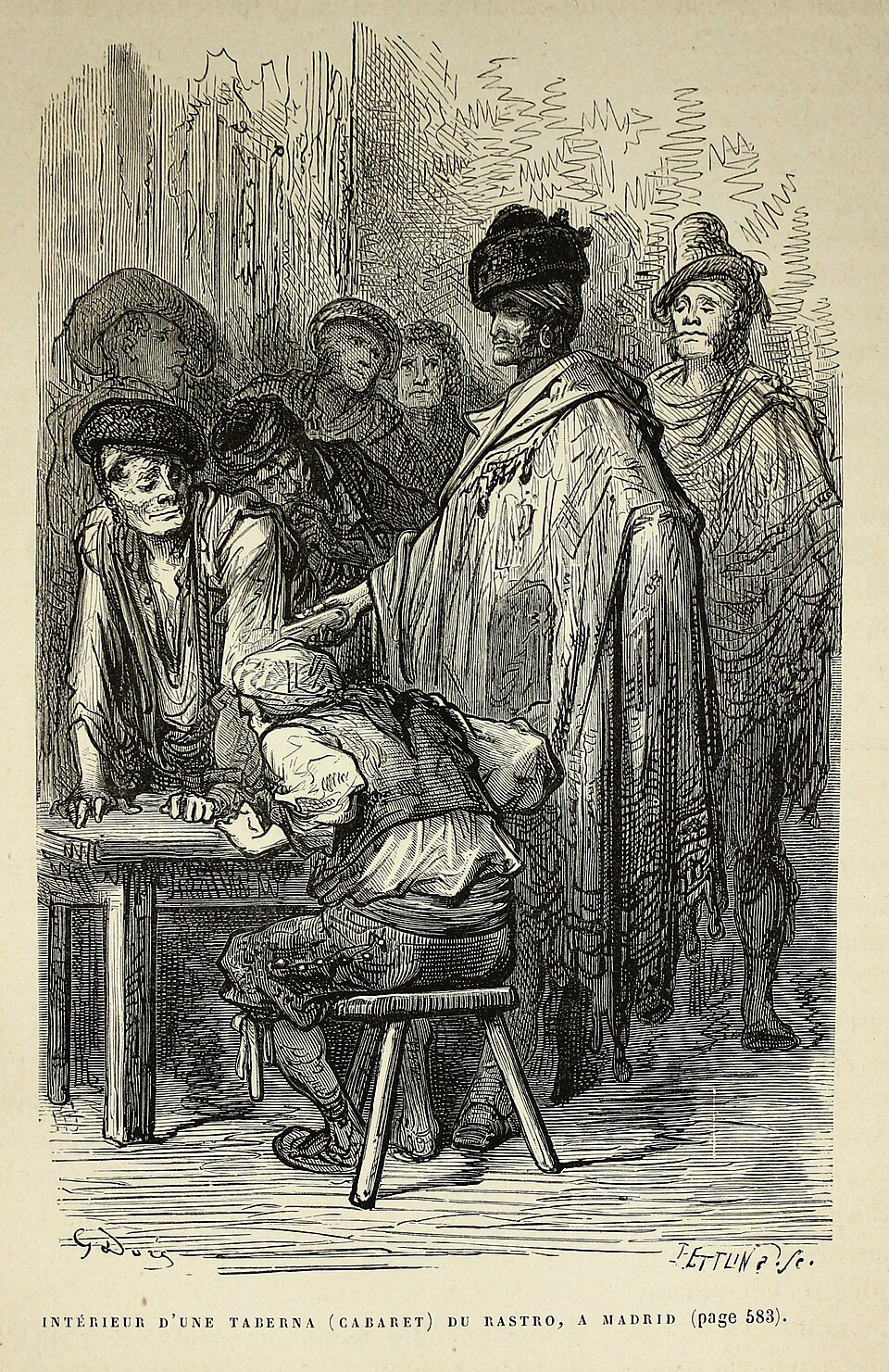
| Monday | Closed |
|---|---|
| Tuesday | Closed |
| Wednesday | Closed |
| Thursday | Closed |
| Friday | Closed |
| Saturday | Closed |
| Sunday | 09:00 – 15:00 |
Parsed from OpenStreetMap opening hours on 2026-08-26.
El Rastro is a sprawling open-air flea market in Madrid, widely regarded as the largest and most famous of its kind in Spain. The market occupies a network of streets in the Embajadores neighbourhood, with Calle de la Ribera de Curtidores forming its central spine. Dating back to the Middle Ages, it has evolved from a tannery district into a vibrant commercial and social institution. The name derives from the trail of blood left by cattle taken to slaughter in the area. Today it attracts thousands of visitors seeking antiques, curiosities, clothing, and second-hand goods.
Checked 2026-08-26
The market offers an eclectic mixture of merchandise across its numerous stalls and permanent shops. Visitors encounter vintage clothing, antique furniture, military memorabilia, old books and records, electrical goods, and handmade crafts. The surrounding streets host specialised vendors concentrated by product type. Cafes and bars line the periphery, serving traditional refreshments to shoppers. Street performers and musicians contribute to the festive atmosphere. The market extends beyond formal stalls into adjacent streets where individual sellers display goods on blankets. Bargaining remains customary for many transactions.
Checked 2026-08-26
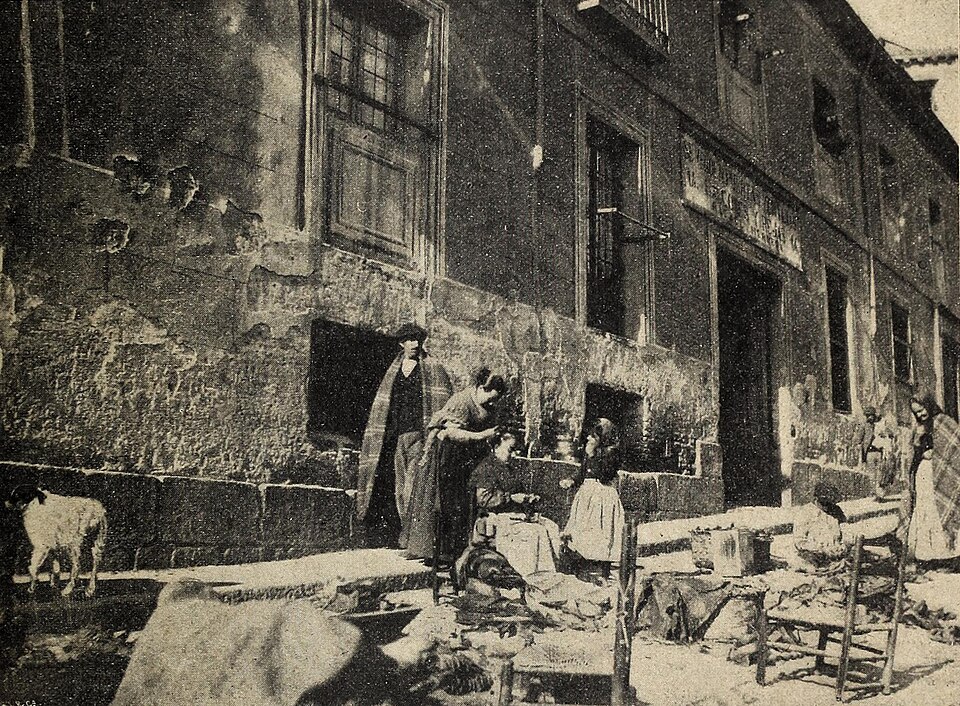
A thorough exploration of El Rastro demands considerable time due to its extensive footprint and dense concentration of stalls. Most visitors dedicate a minimum of two to three hours for a meaningful browse, though enthusiasts frequently spend half a day or longer examining merchandise. The experience rewards unhurried wandering rather than targeted shopping. Crowd density significantly affects pace, with narrow passages becoming impassable during peak periods. Early arrival permits more efficient movement before congestion builds. The surrounding neighbourhood warrants additional time for its tapas bars and architectural interest.
Checked 2026-08-26
El Rastro traditionally operates on Sunday mornings, with activity typically commencing around dawn and continuing until early afternoon. The market's precise schedule reflects long-standing custom rather than formal regulation visible to visitors. Seasonal variations and special circumstances may affect operation. Operator-confirmed hours are Not recorded pending review. Visitors should verify current opening arrangements through official channels before planning attendance. The market does not operate on a daily basis. Rain and extreme weather conditions may cause cancellation or reduced vendor participation. Arriving early avoids the densest crowds.
Checked 2026-08-26
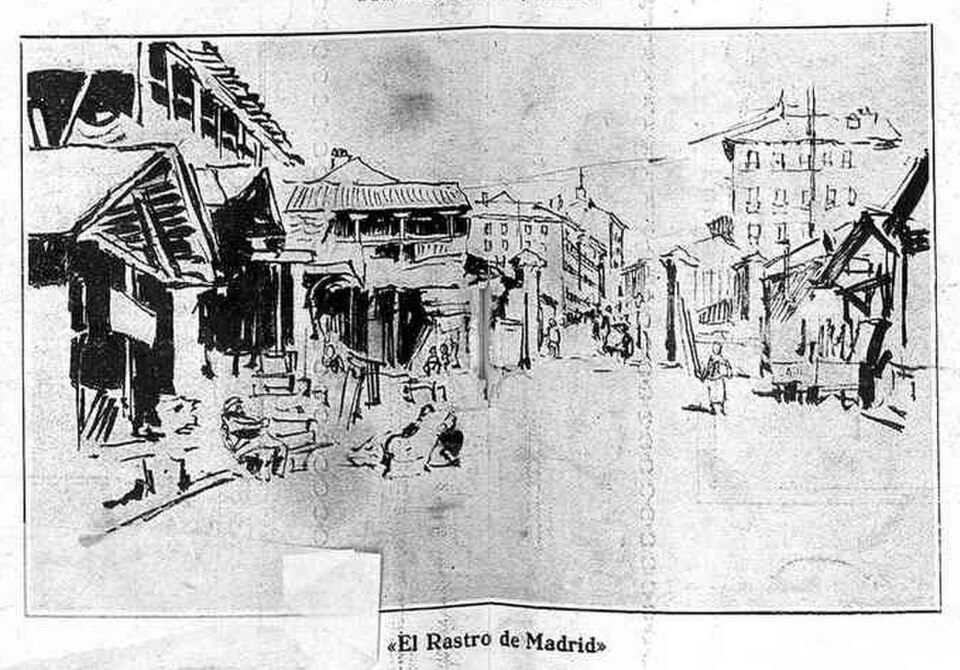
Access to El Rastro requires no admission charge; the market functions as a public commercial space open to all visitors. Individual transactions occur directly between shoppers and vendors, with prices determined through negotiation or fixed display. Payment methods vary by seller, with cash traditionally preferred though some vendors may accept cards. Operator-confirmed prices are Not recorded pending review. No central ticketing system exists. Budget-conscious visitors should carry sufficient cash in small denominations. Bargaining is expected for many items though not universally appropriate. Quality and authenticity assessments remain the buyer's responsibility.
Checked 2026-08-26

El Rastro occupies streets south of Plaza Mayor in central Madrid. The nearest metro stations include La Latina and Puerta de Toledo, both within walking distance. Numerous bus routes serve the surrounding area. The market's pedestrianised core renders private vehicle access impractical and parking extremely limited nearby. Visitors arriving by car should utilise distant parking facilities and complete the journey on foot or public transport. The walk from Sol, Madrid's central transport hub, takes approximately fifteen minutes. Signage is adequate though the market's informal spread rewards familiarity or willingness to explore.
Checked 2026-08-26
Crowd conditions demand vigilance against pickpocketing, a documented risk in dense commercial environments. Visitors should secure valuables and maintain awareness of personal belongings. Merchandise quality varies enormously; careful inspection before purchase is essential. No formal returns policy exists for market transactions. Street congestion creates trip hazards and complicates movement for those with mobility limitations. Early morning visits encounter fewer crowds but potentially fewer vendors. Weather-appropriate clothing proves essential as exposure is prolonged. Some areas attract aggressive selling behaviour. The surrounding neighbourhood's narrow streets disorient unfamiliar visitors; establishing a rendezvous point benefits separated groups.
Checked 2026-08-26
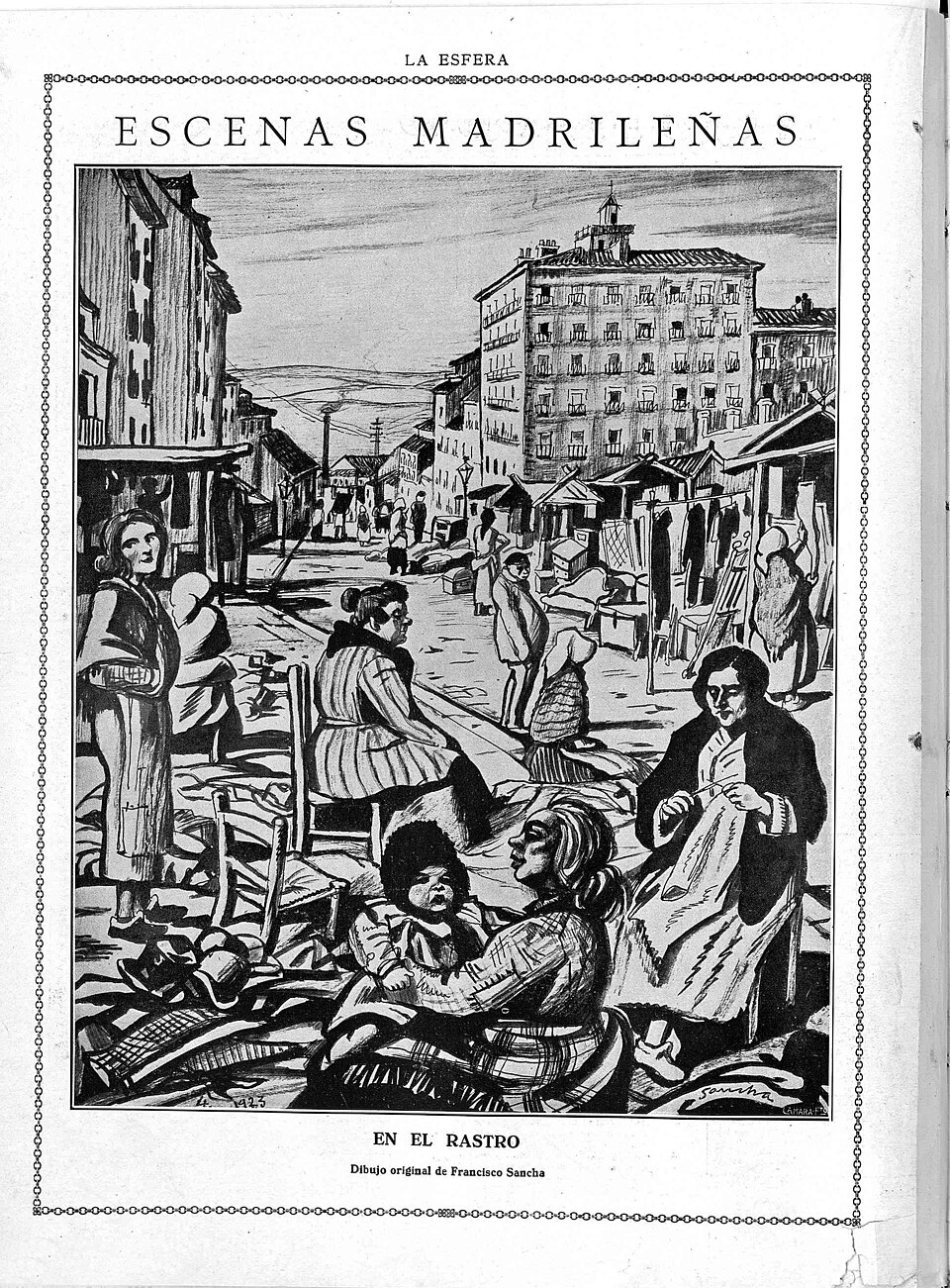
El Rastro presents abundant photographic subjects including merchandise displays, architectural details, and human activity. The market's visual character derives from its chaotic arrangement and diverse goods. Street photography opportunities abound though sensitivity to vendors and shoppers remains essential; not all subjects welcome documentation. Early morning light provides favourable conditions before crowds obscure compositions. Tripod use proves impractical given congestion. Colourful textiles, antique arrangements, and street art offer compelling subjects. The surrounding La Latina neighbourhood provides additional architectural photography. Respectful distance from transactions maintains ethical boundaries. Commercial photography may attract attention from vendors protective of their displays.
Checked 2026-08-26
El Rastro traditionally operates on Sunday mornings. Visitors should verify current schedules before attending as operator-confirmed hours are Not recorded pending review.
No admission charge applies. El Rastro is a public market space freely accessible to all visitors.
Metro stations La Latina and Puerta de Toledo provide the nearest public transport access. Walking from central Madrid is feasible.
Payment methods vary by individual vendor. Cash in small denominations is traditionally preferred and advisable to carry.
Dense crowds and congestion present challenges for families. Early arrival reduces difficulty. The atmosphere is generally lively rather than hazardous.
No formal returns system exists. Purchases are final. Careful inspection before buying is strongly recommended.
Loading the interactive map…
The interactive map could not be loaded.
Last updated:
Source: OpenStreetMap contributors, Wikidata ·