_04.jpg)
_20180929_133202_(43240311450).jpg)
.jpg)
.jpg)

.jpg)
4 min walk
San Pablo
- High
- Historic monument
Language · 1 published
Nature site · Madrid
Jardines del Campo del Moro
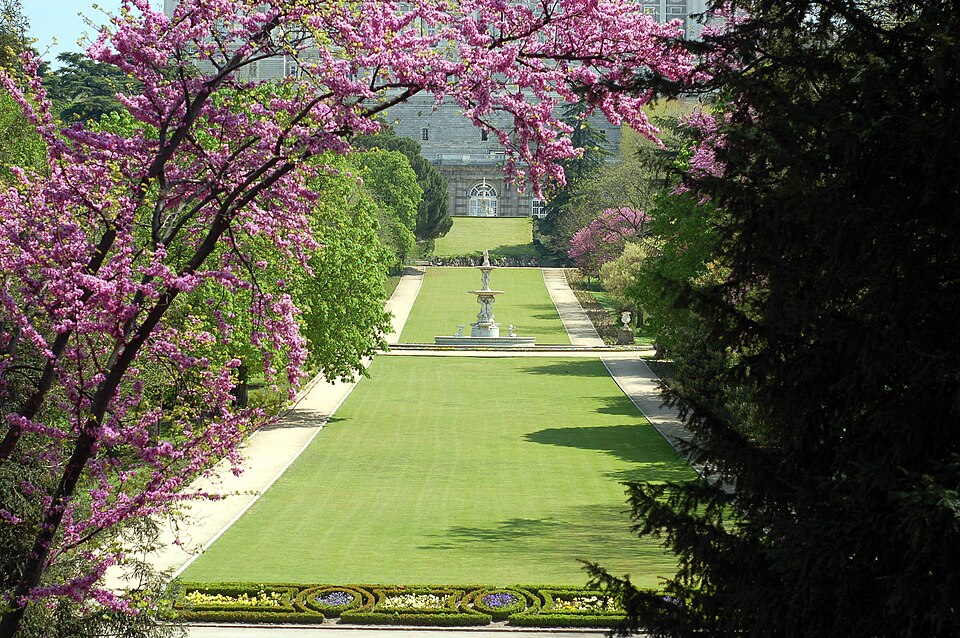
Campo del Moro is a historic garden complex located in Madrid, Spain, situated at the western foot of the Royal Palace. Its local name, Jardines del Campo del Moro, reflects its long-standing identity within the city. The gardens occupy a sloping terrain between the palace and the Manzanares River, forming part of Madrid's royal heritage landscape. The name derives from medieval history, referencing a camp established by Muslim forces during an attempted reconquest. Today it functions as a public green space managed within the broader context of Madrid's municipal park system, offering visitors a connection to both natural scenery and historical memory.
Checked 2026-08-26
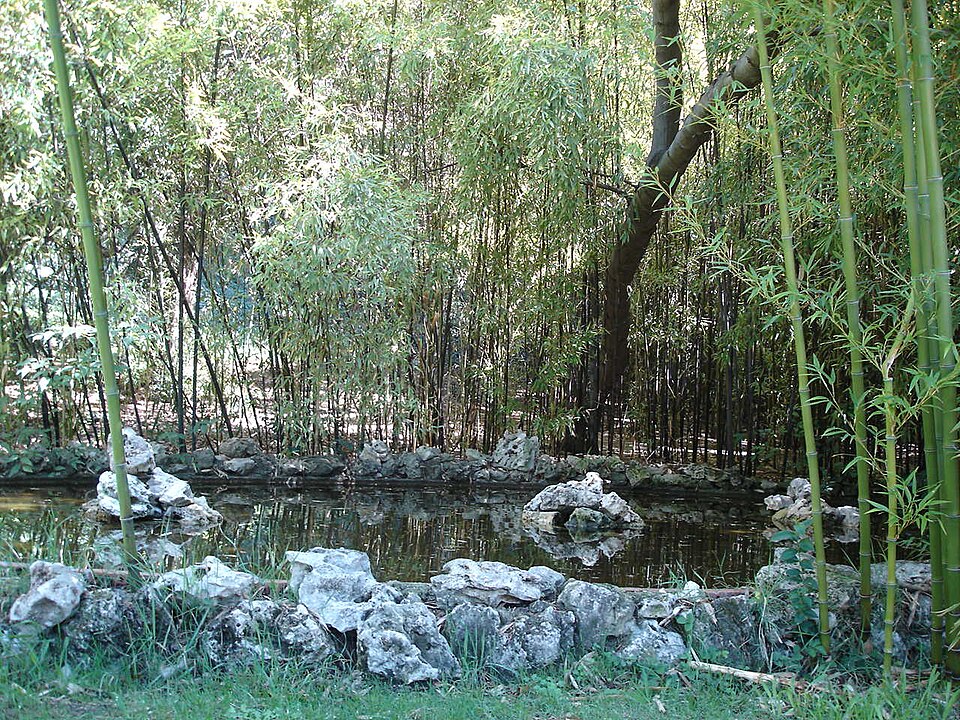
The gardens contain landscaped grounds with tree-lined paths, formal planting arrangements, and open grassy areas typical of nineteenth-century garden design. Several fountains and decorative water features are distributed throughout the grounds, contributing to the tranquil atmosphere. The terrain's natural slope provides varied elevations and perspectives toward the Royal Palace above. Mature trees, including specimens of considerable age, dominate portions of the landscape. Benches and walking paths facilitate visitor circulation. The overall composition reflects Romantic garden aesthetics rather than strict geometric formalism, with winding routes and strategically placed viewpoints that frame the palace architecture against the garden setting.
Checked 2026-08-26

A thorough exploration of Campo del Moro typically requires between sixty and ninety minutes for visitors walking at a leisurely pace. Those with limited time may complete a abbreviated circuit along the main paths in approximately thirty to forty minutes. Photographers, history enthusiasts, or visitors seeking restful contemplation may extend their stay beyond ninety minutes, particularly during favorable weather conditions. The garden's linear configuration along the palace slope means that visitors must retrace portions of their route or exit at predetermined points, which influences total duration. Combining this visit with adjacent Royal Palace exploration would substantially extend the overall time commitment required.
Checked 2026-08-26

Operator-confirmed hours are Not recorded pending review. Visitors should consult official Madrid municipal sources or on-site signage for current opening schedules before planning their visit. Seasonal variations in daylight and weather conditions naturally affect the experience, with spring and autumn generally offering mild temperatures suitable for garden strolls. Summer midday periods may prove uncomfortably warm given limited shade coverage in certain areas. Winter visits remain feasible though deciduous tree coverage reduces visual interest. Early morning and late afternoon typically provide softer lighting for observation and photography regardless of season. Weekend and holiday periods may experience increased local visitor traffic.
Checked 2026-08-26
Operator-confirmed prices are Not recorded pending review. Visitors should verify current admission policies through official channels before arrival. Many municipal gardens in Madrid operate with free public access, though this cannot be assumed without confirmation. Special events, temporary exhibitions, or guided services may incur separate charges if offered. Payment methods, including cash acceptance or card-only policies, remain unverified. Group rates, reduced fares for specific categories, or combined tickets with adjacent attractions are possibilities requiring direct inquiry. Budget-conscious travelers should prepare for either free entry or modest fees consistent with comparable Madrid heritage sites. Receipts or tickets should be retained where applicable.
Checked 2026-08-26
Campo del Moro occupies a position directly beneath Madrid's Royal Palace in the city center, making it accessible via multiple transport options. The Ópera metro station on lines 2 and 5 provides nearby underground access, with walking routes leading toward the palace complex. Numerous bus lines serve the surrounding area with stops within reasonable walking distance. Given central location, many visitors arrive on foot from nearby attractions including Plaza Mayor, Puerta del Sol, or the Almudena Cathedral. The terrain's slope presents accessibility considerations for mobility-impaired visitors, as paths descend from palace level toward river level with varying gradients and surface conditions.
Checked 2026-08-26
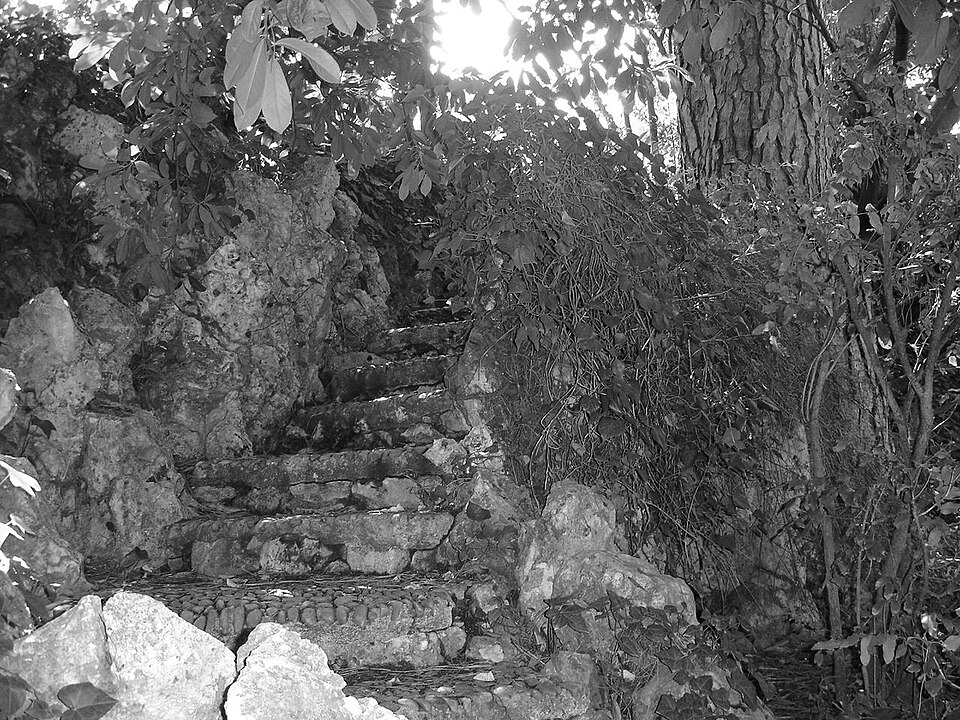
The sloping terrain requires appropriate footwear with adequate grip, particularly following rainfall when paths may become slippery. Limited shelter provisions mean visitors should carry protection against sun exposure or precipitation. Water features, while decorative, present standard safety considerations requiring supervision of children. Some path edges border elevation changes without continuous barriers. The garden's relative seclusion compared to bustling palace areas may affect personal security awareness, though serious incidents appear uncommon. Wildlife including birds and occasional small mammals represents normal urban park ecology requiring respectful distance. Closing times, when enforced, should be observed to avoid inadvertent lock-in situations. Emergency service access points are not prominently marked.
Checked 2026-08-26
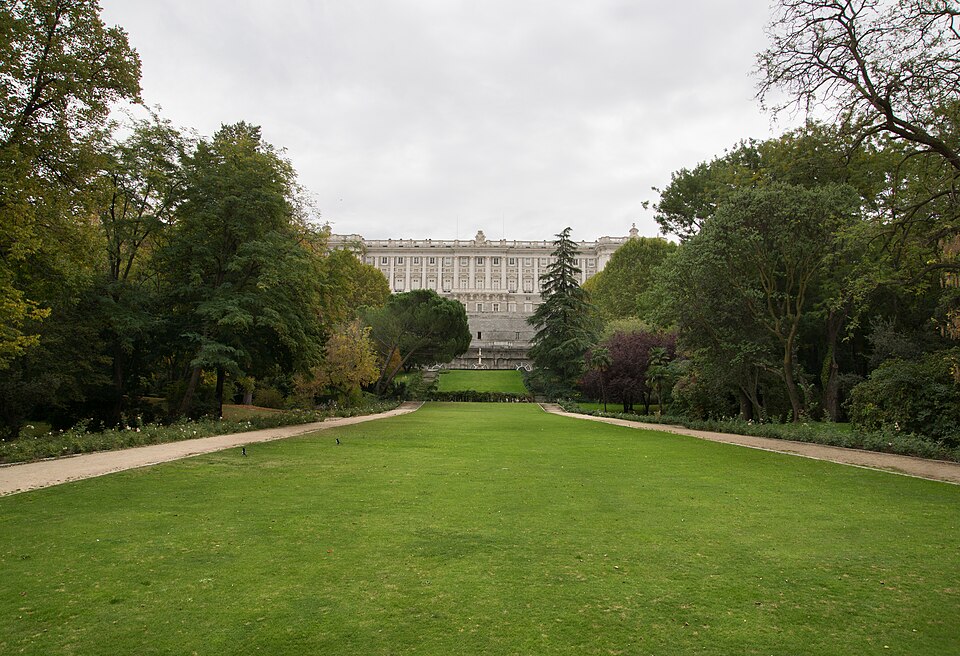
The gardens offer exceptional vantage points for photographing the Royal Palace from below, capturing its full elevation against sky or garden foreground. The sloping perspective creates dramatic architectural compositions unavailable from palace-level viewpoints. Morning light illuminates the palace facade favorably from certain angles. Tree canopy creates dappled lighting effects along paths, though this may complicate exposure settings. Tripod use policies are unverified and should be confirmed if professional equipment is intended. Water features provide reflective opportunities during calm conditions. The combination of natural and architectural elements suits both wide-angle establishing shots and telephoto detail work. Visitor traffic patterns affect timing for unobstructed compositions.
Checked 2026-08-26
Campo del Moro is distinct from the Sabatini Gardens located on the palace's northern side, though both form part of the broader royal palace grounds complex with separate access points and characters.
Open spaces permit movement, though the sloping terrain, water features, and limited dedicated play equipment suggest parental supervision is necessary; suitability depends on individual children's mobility and interests.
The gardens maintain independent access from the palace itself, though specific operational relationships between the two sites' schedules are not recorded and should be verified through official sources.
On-site catering facilities are not recorded; visitors should assume no provisions are available and carry water and snacks, or plan consumption before or after their garden visit.
Formal guided tour availability is not recorded; visitors may explore independently or inquire with Madrid tourist information services regarding any scheduled programming or audio guide options.
The significant slope and historic path surfaces present accessibility challenges; specific accommodations or alternative routes for mobility-impaired visitors are not recorded and require direct verification with operators.
Loading the interactive map…
The interactive map could not be loaded.
Last updated:
Source: OpenStreetMap contributors, Wikidata ·