


3 min walk
Heunginjimun
- Must see · Heritage site
- Historic monument
Language · 1 published
Market · Seoul
동대문종합시장
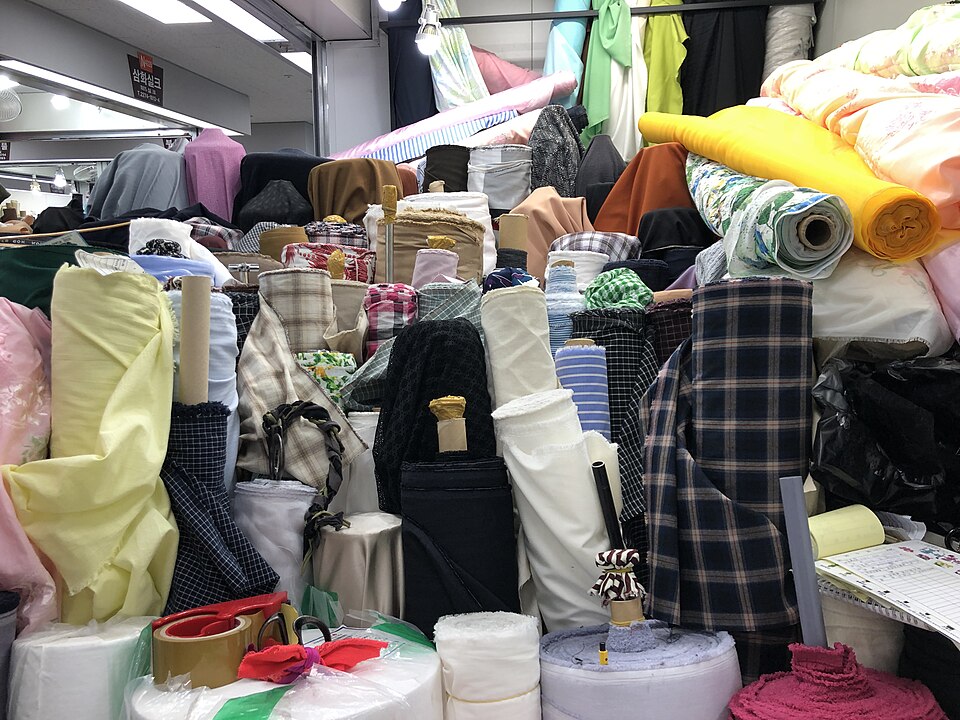
Dongdaemun Shopping Complex, known locally as 동대문종합시장, is a major traditional market complex in Seoul, South Korea. It forms part of the larger Dongdaemun commercial district, one of the city's most prominent retail areas. The complex represents an older generation of Seoul marketplace architecture and commerce, standing alongside newer shopping developments in the surrounding area. It serves as a wholesale and retail destination for textiles, fabrics, and various goods, maintaining significance in Seoul's commercial landscape despite urban modernization around it. Dongdaemun Shopping Complex also earns time in a seoul itinerary because Exact production identity assigned through pois.city_place_id; stored names and coordinates were copied without approximation. Its value becomes clearer when the stop is compared with the surrounding streets and the other ranked places nearby.
Checked 2026-08-26
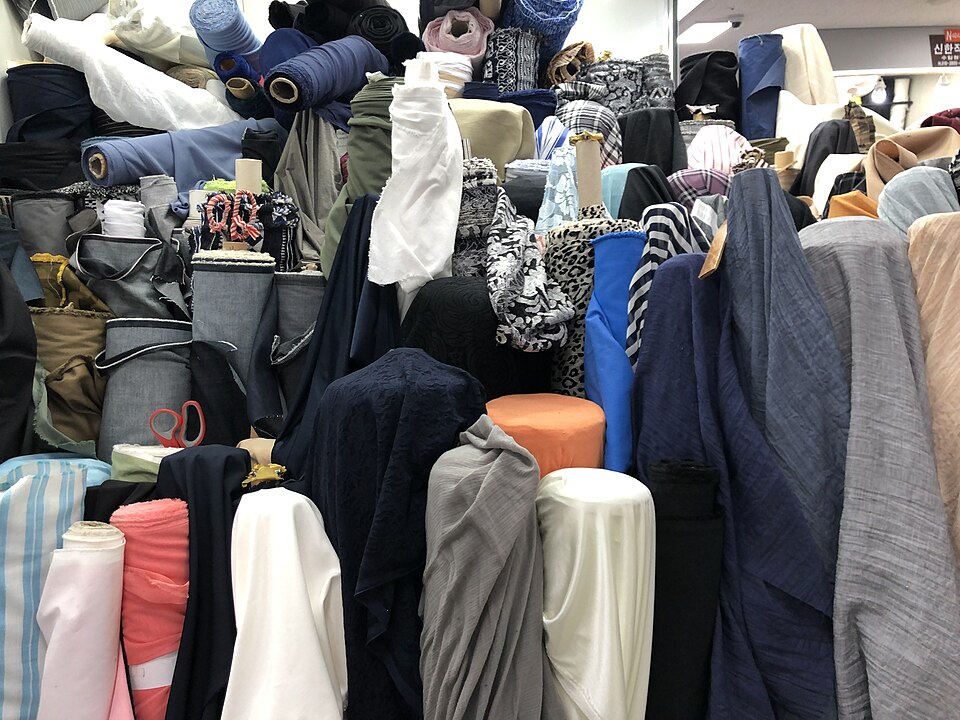
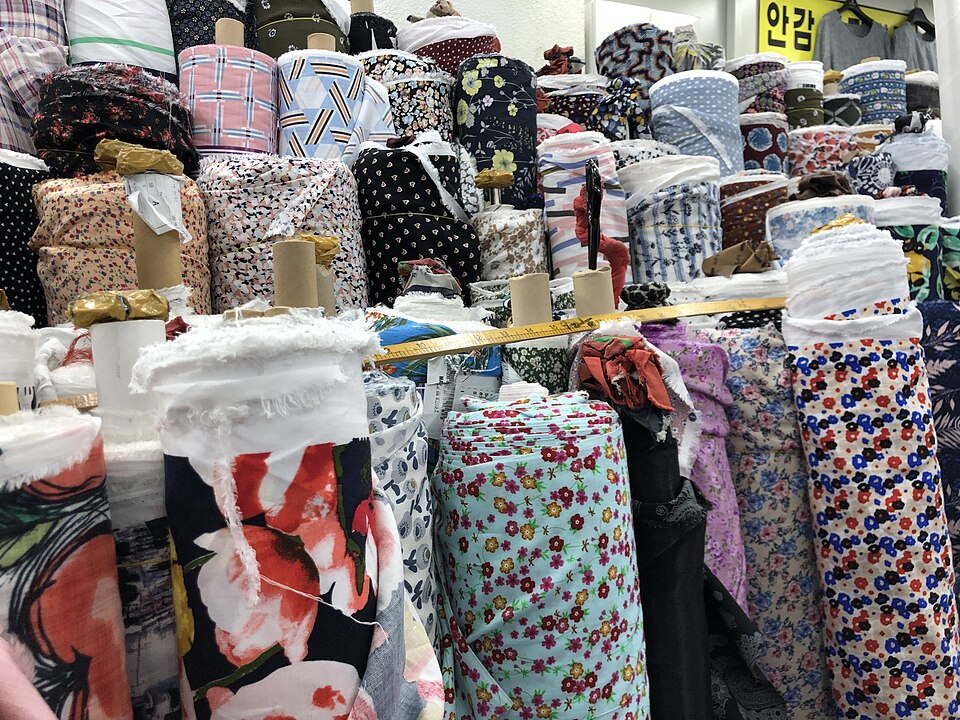
The complex contains numerous vendor stalls and shops concentrated on textiles, fabrics, and clothing materials. Traditional market goods are available throughout the multi-level structure. The interior comprises tightly packed commercial spaces typical of older Korean market halls. Visitors encounter dense arrangements of merchandise with vendors specializing in particular fabric types or garment components. The building's internal layout reflects mid-20th century Korean market design, with narrow pathways between stalls. Various ancillary goods and market services occupy peripheral spaces within the structure.
Checked 2026-08-26
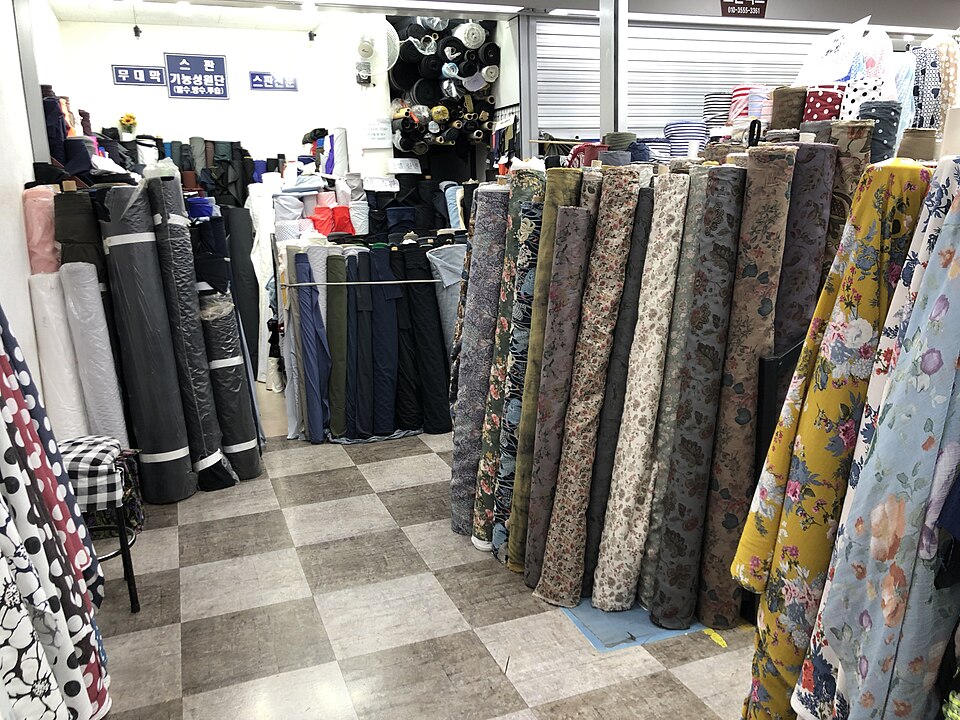
Visitors typically spend between one and three hours exploring the complex, depending on shopping intentions. Casual observers may complete a walkthrough more quickly, while those examining fabric selections or engaging with vendors require additional time. The multi-level structure demands navigation through considerable floor area. Wholesale buyers historically conducted extended transactions. The surrounding Dongdaemun district contains numerous additional shopping venues, potentially extending overall visit duration. Visitors should allocate time according to their specific interests in traditional market environments versus adjacent modern retail facilities.
Checked 2026-08-26
Operator-confirmed hours are Not recorded pending review. The complex traditionally operates during daytime and evening hours typical of Seoul markets, though specific opening and closing times require verification. Night shopping has historically characterized portions of the Dongdaemun district. Visitors should confirm current operational status before planning visits, as market hours may fluctuate seasonally or according to vendor collective decisions. Weekend and holiday schedules particularly require advance confirmation. The surrounding district maintains activity across extended hours, though this specific complex may follow more conventional market timings.
Checked 2026-08-26
Operator-confirmed prices are Not recorded pending review. The Dongdaemun Shopping Complex functions as a traditional market with free entry to the main commercial areas. Individual vendor transactions determine purchase costs, with wholesale and retail pricing structures applying to different buyers. Bargaining may be customary for certain transactions. No admission fee structure applies to general market access. Visitors should carry cash, as traditional market vendors may not universally accept card payments. Specific purchase prices vary considerably by vendor, material quality, and purchase quantity.
Checked 2026-08-26
The complex sits within Dongdaemun, a major transportation hub in Seoul. Multiple subway lines serve the broader district, with Dongdaemun History and Culture Park Station and Dongdaemun Station providing nearby access. Extensive bus networks traverse the surrounding area. The location's centrality enables pedestrian approaches from various directions. Visitors arriving from other Seoul districts benefit from the capital's comprehensive public transit infrastructure. The market's established position within urban fabric predates modern transportation development, ensuring multiple access routes. Signage in surrounding areas typically indicates market directions.
Checked 2026-08-26
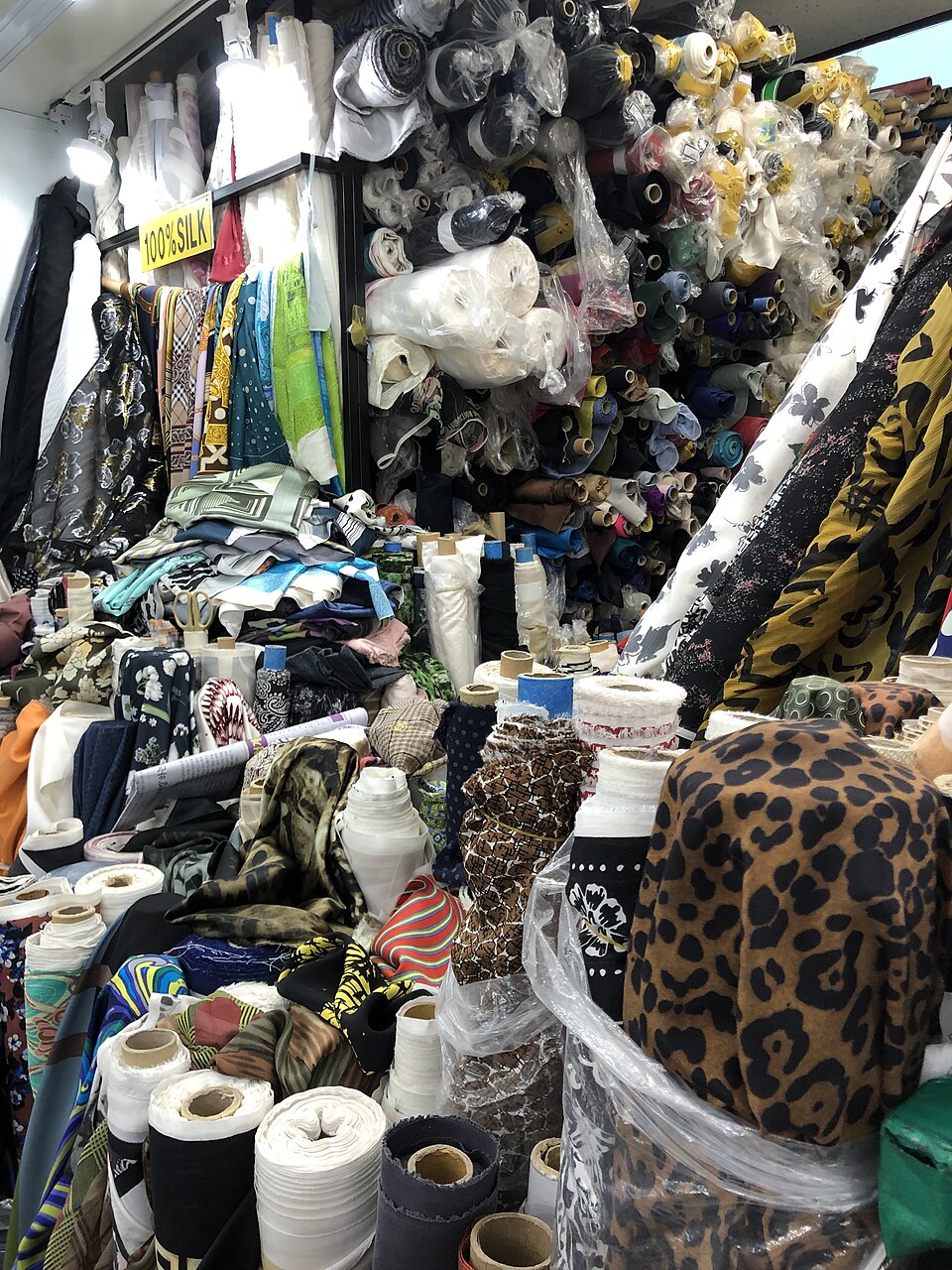
The densely packed interior presents navigation challenges for unfamiliar visitors. Narrow pathways between stalls may become congested during peak commercial periods. Language barriers may affect transactions; basic Korean phrases assist communication. Fabric and textile quality varies considerably across vendors, requiring careful examination. The older building infrastructure may present accessibility constraints. Crowded conditions warrant attention to personal belongings. Wholesale-oriented vendors may prioritize bulk buyers over individual purchasers. The surrounding district's active nightlife creates different environmental conditions than daytime market operations. Visitors should maintain situational awareness in busy commercial environments.
Checked 2026-08-26
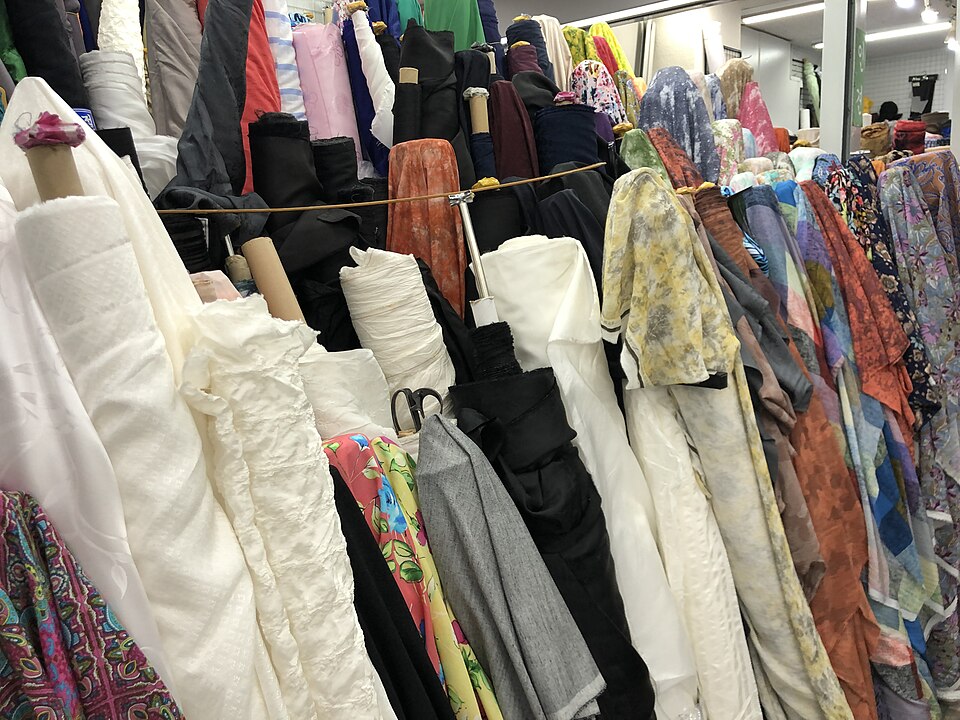
Photography conditions inside the complex require sensitivity to commercial activity and vendor preferences. The dense, visually textured interior offers documentary and atmospheric photographic subjects. Lighting conditions vary across the multi-level structure, with some areas receiving limited natural illumination. Flash photography may disturb ongoing transactions or attract unwanted attention. Vendors may object to direct photography of their merchandise or operations. Respectful distance and prior communication improve photographic opportunities. The building's architectural character and commercial density provide distinctive visual documentation potential for those navigating spatial and social constraints appropriately.
Checked 2026-08-26
No. The Shopping Complex is a traditional market building, while Dongdaemun Design Plaza is a separate modern architectural landmark designed by Zaha Hadid in the same district.
Individual purchases occur, though some vendors prioritize wholesale buyers. Retail transactions are possible with appropriate expectations regarding minimum quantities and pricing structures.
English proficiency varies significantly among vendors. Basic transactions may proceed with minimal language, though complex negotiations present challenges without Korean language ability.
The complex represents traditional market commerce with older infrastructure, denser layouts, and different pricing structures compared to adjacent contemporary retail developments.
The complex represents mid-20th century Korean market architecture and commercial organization, maintaining relevance amid surrounding urban transformation.
Cash remains predominant in traditional market settings. Card acceptance varies by individual vendor and should not be assumed universally available.
Loading the interactive map…
The interactive map could not be loaded.
Last updated:
Source: OpenStreetMap contributors, Wikidata ·