博物館 · Fatih, イスタンブール
Tiled Kiosk
Çinili Köşk
写真

._Istanbul_Archaeology_Museums,_Turkey.jpg)
営業時間
| 月曜日 | 09:00 – 18:45 |
|---|---|
| 火曜日 | 09:00 – 18:45 |
| 水曜日 | 09:00 – 18:45 |
| 木曜日 | 09:00 – 18:45 |
| 金曜日 | 09:00 – 18:45 |
| 土曜日 | 09:00 – 18:45 |
| 日曜日 | 09:00 – 18:45 |
2026-08-24 を確認しました · ソース
- 今日
- 本日の営業時間: 09:00 – 18:45
- 訪問期間
- 45分
- アクセシビリティ
- 未登録
- 価格
- €15.00 お一人様あたり
- 評価
- 高
- ランク
- 8,133 の 262 をランク付け
Tiled Kioskについて
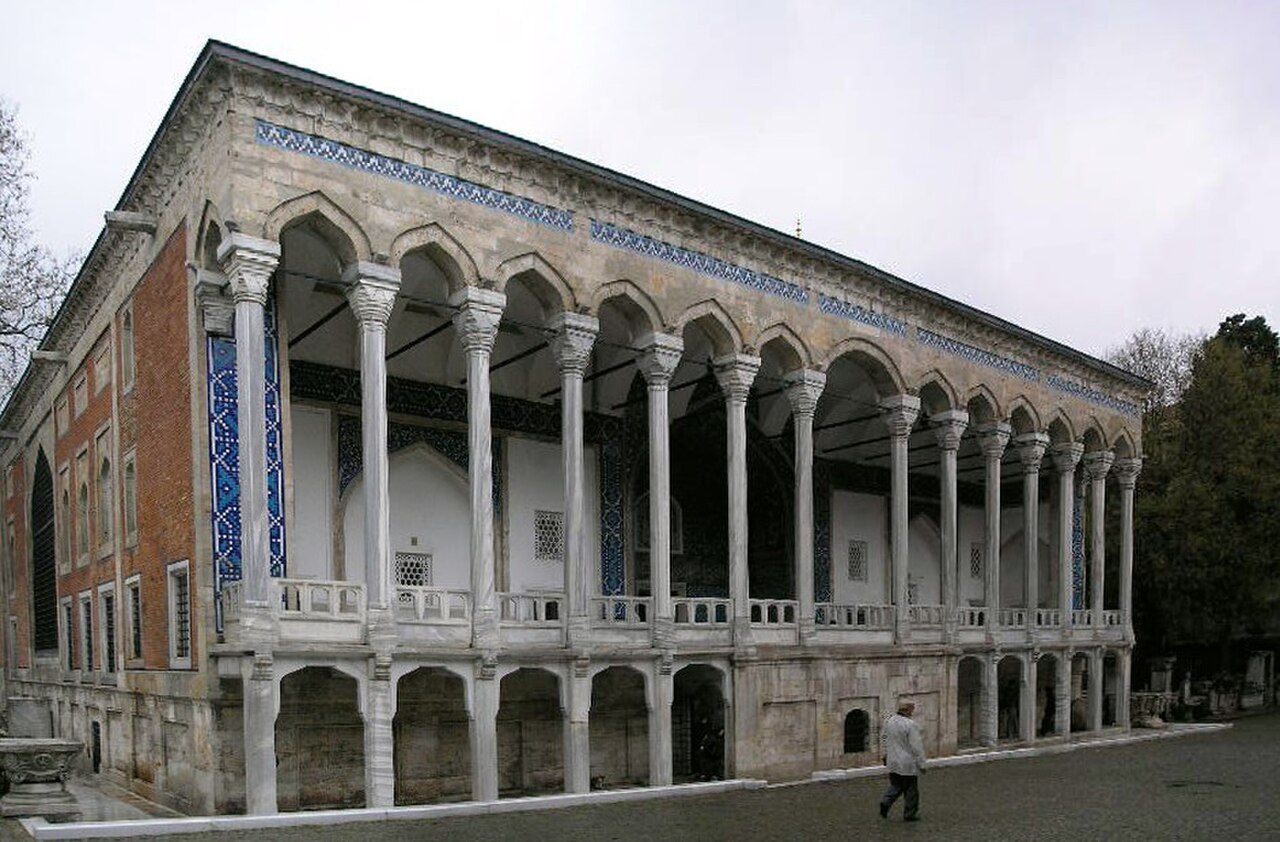
The Tiled Kiosk, Çinili Köşk, is the oldest non-religious Ottoman building in Istanbul and the odd one out among the city's Ottoman monuments: it does not look Ottoman. Mehmed II had it raised in 1472 as a pleasure pavilion, a date carried by the tile inscription above the main entrance, and its designer is credited as an unknown Persian architect. The result is a Central Asian building standing in a Byzantine city — the closest comparison is the Bibi-Khanym Mosque in Samarkand rather than anything else on the Golden Horn.
The pavilion later became the Ottoman state's first purpose-used museum building, serving as the Imperial Museum between 1875 and 1891 while Osman Hamdi Bey's collections outgrew their earlier home. It opened to the public in its own right in 1953 and is now the Museum of Islamic Art, one of the three buildings of the Istanbul Archaeology Museums.
2026-08-24 を確認しました · ソース
中には何が入っているのか
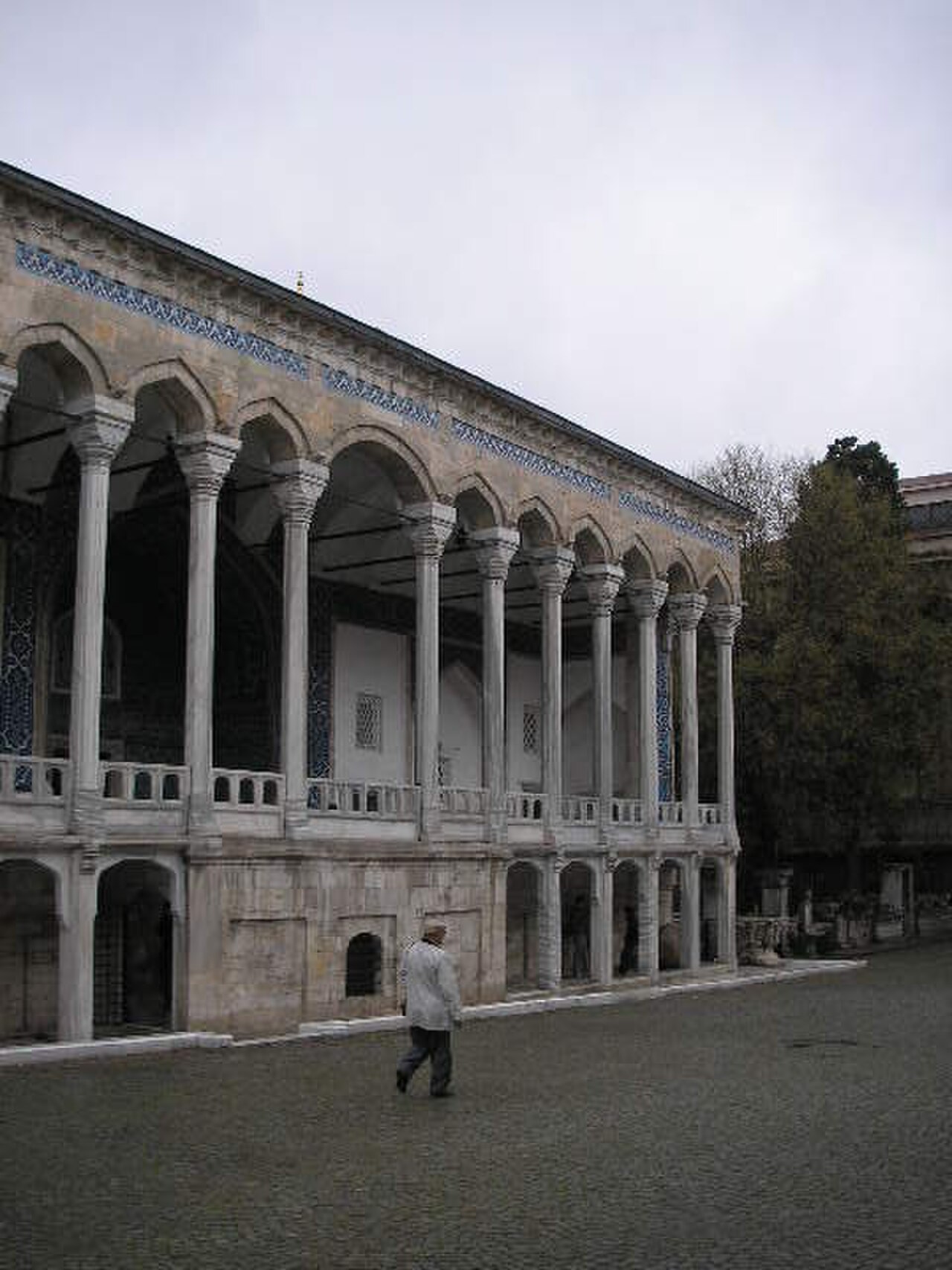
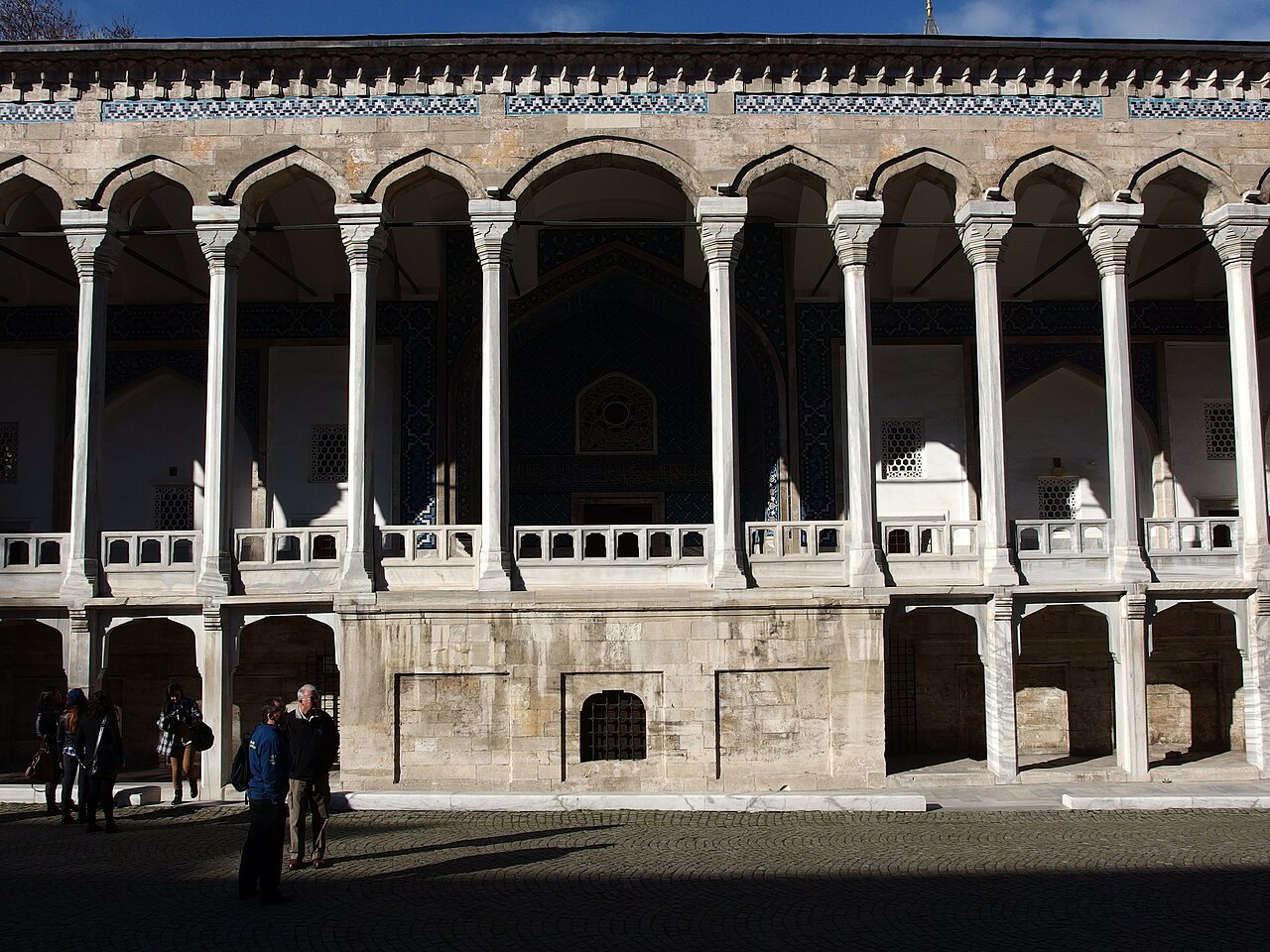
The building itself is the first exhibit. The plan is a Greek cross, two storeys tall, though the slope of the ground means only one floor presents itself at the main entrance. A grilled gate leads to the basement, and two flights of stairs above it climb to a roofed colonnaded terrace — a portico that was rebuilt in the eighteenth century. Inside, a loftily domed court opens onto three royal apartments, the central one apsidal.
The wall tiles are blue and white, set in hexagons and triangles in the Bursa manner, patterned with flowers, leaves, clouds and abstract forms. The collection held in these rooms is Turkish and Islamic ceramic work: İznik tiles and Seljuk pottery, İznik monochrome plates, mosque lamps, polychrome pieces and Çanakkale wares. It is a focused collection in a small number of rooms, not a general museum.
2026-08-24 を確認しました · ソース
.JPG)
見学時間の目安
Forty-five minutes. The kiosk is one pavilion of a handful of rooms on a single presented floor, and forty-five minutes lets you read the tile panels properly, walk the domed court, look at the portico from underneath and still take the ceramics case by case rather than at a march.
The trap is treating this as the time cost of the Archaeology Museums as a whole. One ticket admits to all three buildings — the main Archaeological Museum, the Museum of the Ancient Orient and the Tiled Kiosk — and doing the complete complex properly takes two and a half hours or more. Those are three separate stops with three separate time budgets, and the forty-five minutes here covers the kiosk alone. Plan the other two if you intend to see them.
2026-08-24 を確認しました

季節と混雑状況
The ministry's own museum page gives 09:00 to 18:45 and states that the Istanbul Archaeology Museums are open every day, which is the ticket and the timetable the Tiled Kiosk runs on. That contradicts a widely copied listing showing a Monday closure, and the ministry page is the one to trust; if a Monday is the only day available, it is still worth confirming by phone before crossing the city.
Note also that an active ministry announcement closes several halls and the entire upper floor of the main Archaeological Museum, along with the Assos hall and the Thrace-Bithynia-Byzantine hall in the annex. The announcement does not name the Tiled Kiosk, so the kiosk is unaffected — but it changes what the shared ticket is worth on the day. Early morning is the quiet hour; the courtyard fills from mid-morning with Topkapı traffic.
2026-08-24 を確認しました · ソース
チケット
Admission is 15 EUR per person, taken from the ministry's published price list for the Istanbul Archaeology Museums. The important detail is that this is a complex ticket, not a kiosk ticket: one purchase admits to all three buildings, so the fifteen euros is the price of getting to the Tiled Kiosk rather than a separate charge levied at its door.
Museum cards issued by the ministry are accepted, but that is a Turkish-resident product and not the price a visitor from abroad pays. No summer and winter split is published for this museum — the ministry page names a single set of hours and the price list a single figure. Because the ticket covers three buildings, buying it for the kiosk alone is poor value; either allow time for the other two or accept that you are paying complex price for one pavilion.
2026-08-24 を確認しました · ソース


行き方
The museums sit in a walled precinct below Topkapı Palace, on the Gülhane Park side of the first courtyard. Two approaches work. From Gülhane the route climbs from the park gate up a ramped lane to the museum entrance, which is the gentler of the two. From Sultanahmet you walk down through Topkapı's first courtyard and turn off before the second gate, which is the shorter one and the one most people find by accident.
Inside the precinct, the Tiled Kiosk is the pavilion on the upper terrace opposite the main Archaeological Museum, reached by the flight of steps that rises from the courtyard. The precinct is signposted for all three buildings from the shared ticket desk, so once you are through the gate the kiosk is a two-minute walk.
2026-08-24 を確認しました · ソース

気をつけるべきこと
Operator-confirmed hours and prices for Tiled Kiosk are Not recorded pending review. Treat the what to watch out for details as provisional when arranging this stop in Istanbul. Check the operator's own site for the travel date before relying on a schedule, fare or closure notice. Keep enough flexibility to move the visit within the same area if current conditions differ from the plan. This guide does not infer practical facts from the venue category, nearby attractions or an aggregator.
2026-08-26 を確認しました

写真
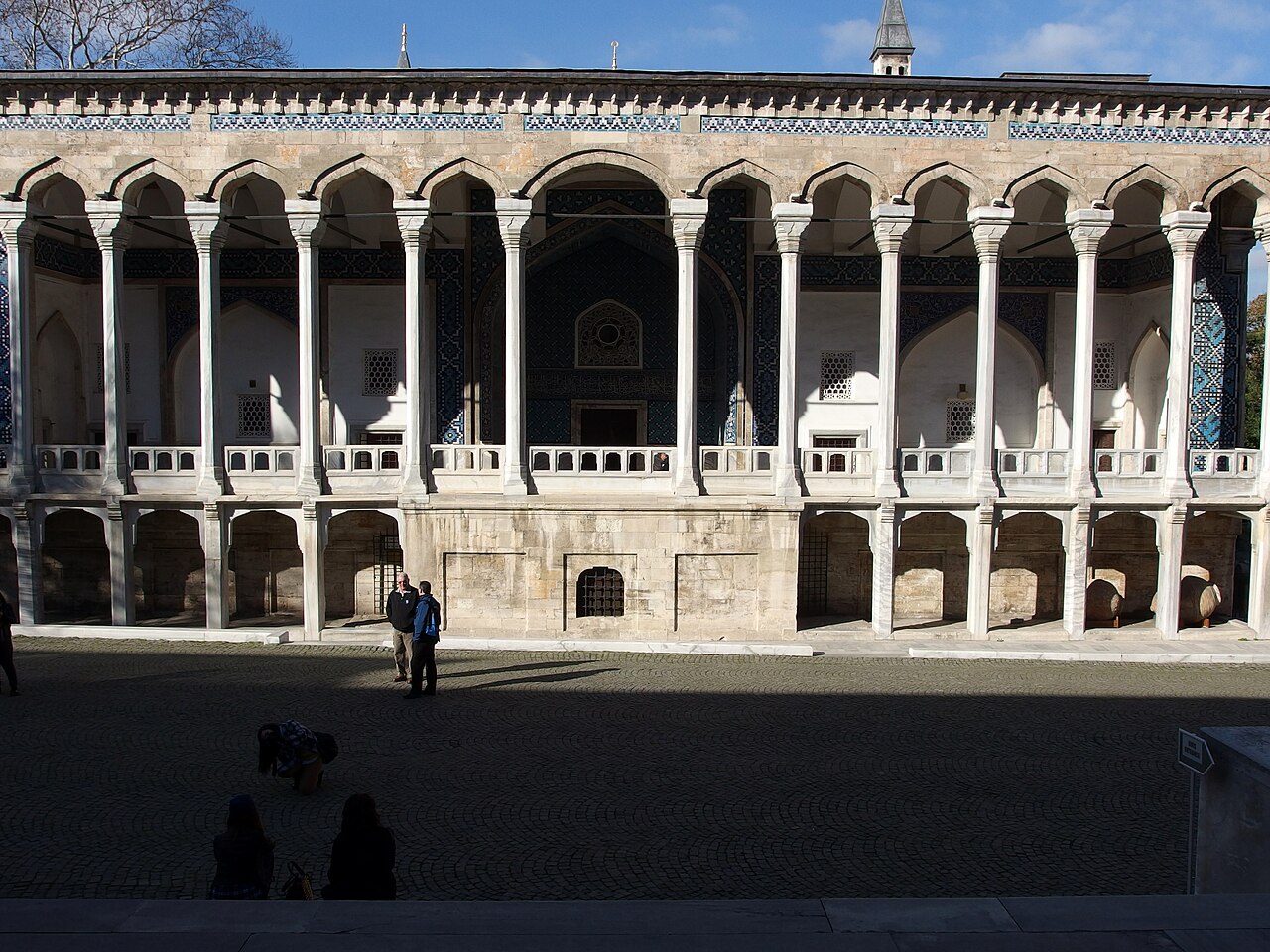
The exterior is the picture. The tiled facade under the colonnaded terrace is deep in shade while the courtyard in front of it is in full sun, and that contrast defeats most phone cameras at midday — the tilework goes black or the courtyard blows out. An overcast day is genuinely better here than a bright one, and early morning gives the flattest, kindest light on the entrance inscription.
Inside, the domed court is dim and the ceramics sit behind glass, so expect reflections and be ready to shoot at an angle to the case rather than square on. The tile panels on the walls repay a close frame far more than a wide one: the hexagon-and-triangle Bursa arrangement reads as a pattern only when you fill the frame with it.
2026-08-24 を確認しました
よくある質問
Is the Tiled Kiosk a separate museum from the Istanbul Archaeology Museums?
No. It is one of the complex's three buildings, alongside the main Archaeological Museum and the Museum of the Ancient Orient, and it houses the Museum of Islamic Art. A single ticket admits to all three, so there is no separate kiosk-only fee.
How much is admission to the Tiled Kiosk?
15 EUR per person, from the ministry's published price list for the Istanbul Archaeology Museums. That one ticket covers all three buildings of the complex rather than the kiosk alone, so it is worth allowing time for the others.
What are the opening hours, and is it closed on Mondays?
The ministry's museum page gives 09:00 to 18:45 and states the Istanbul Archaeology Museums are open every day, so no Monday closure applies. A commonly copied listing claims otherwise; the ministry page is the source written into this guide, though confirming by phone is sensible if Monday is your only day.
How long does the Tiled Kiosk take?
About forty-five minutes for the pavilion itself. Doing the whole Archaeology Museums complex is a different question and needs two and a half hours or more, because the shared ticket covers two other buildings that are stops in their own right.
When was the Tiled Kiosk built and why does it look Persian?
It dates from 1472, a date carried by the tile inscription above the main entrance, and was commissioned by Mehmed II as a pleasure pavilion. Its design is attributed to an unknown Persian architect, which is why the building reads as Central Asian — its nearest relative is the Bibi-Khanym Mosque in Samarkand rather than anything Byzantine.
What is actually displayed inside?
Turkish and Islamic ceramics: İznik tiles and Seljuk pottery, İznik monochrome plates, mosque lamps, polychrome pieces and Çanakkale wares. The rooms themselves count too — a domed court with three royal apartments behind it, walled in blue-and-white tiles set in hexagons and triangles in the Bursa manner.
どこにありますか
インタラクティブマップを読み込んでいます…
インタラクティブマップを読み込めませんでした。
近くの
計画に組み込む
外部リンク
最終更新日:
情報源: OpenStreetMap コントリビューター, Wikidata ·