市場 · Fatih, イスタンブール
Arasta Bazaar
Arasta Çarşısı
写真


- 今日
- 営業時間の記録なし
- 訪問期間
- 45分
- アクセシビリティ
- 未登録
- 価格
- 未登録
- 評価
- 注目
- ランク
- 8,133 の 6,543 をランク付け
Arasta Bazaarについて
An arasta is a row of shops built as part of a mosque complex, whose rents endow the mosque and its charities — the soup kitchen, the school, the hospital. This one belongs to the Sultan Ahmed complex and was built on the southeast side below the mosque precinct, with spaces for around 200 shops, completed in 1617 alongside the rest of the foundation.
It has not had an unbroken life. Fire destroyed it in 1912 and it stood in ruins for decades, before being restored from that ruined state between 1982 and 1985. The arcade trading today is that restoration: an Ottoman revenue street brought back into use as a shopping lane three and a half centuries after it was endowed.
2026-08-24 を確認しました · ソース
中には何が入っているのか
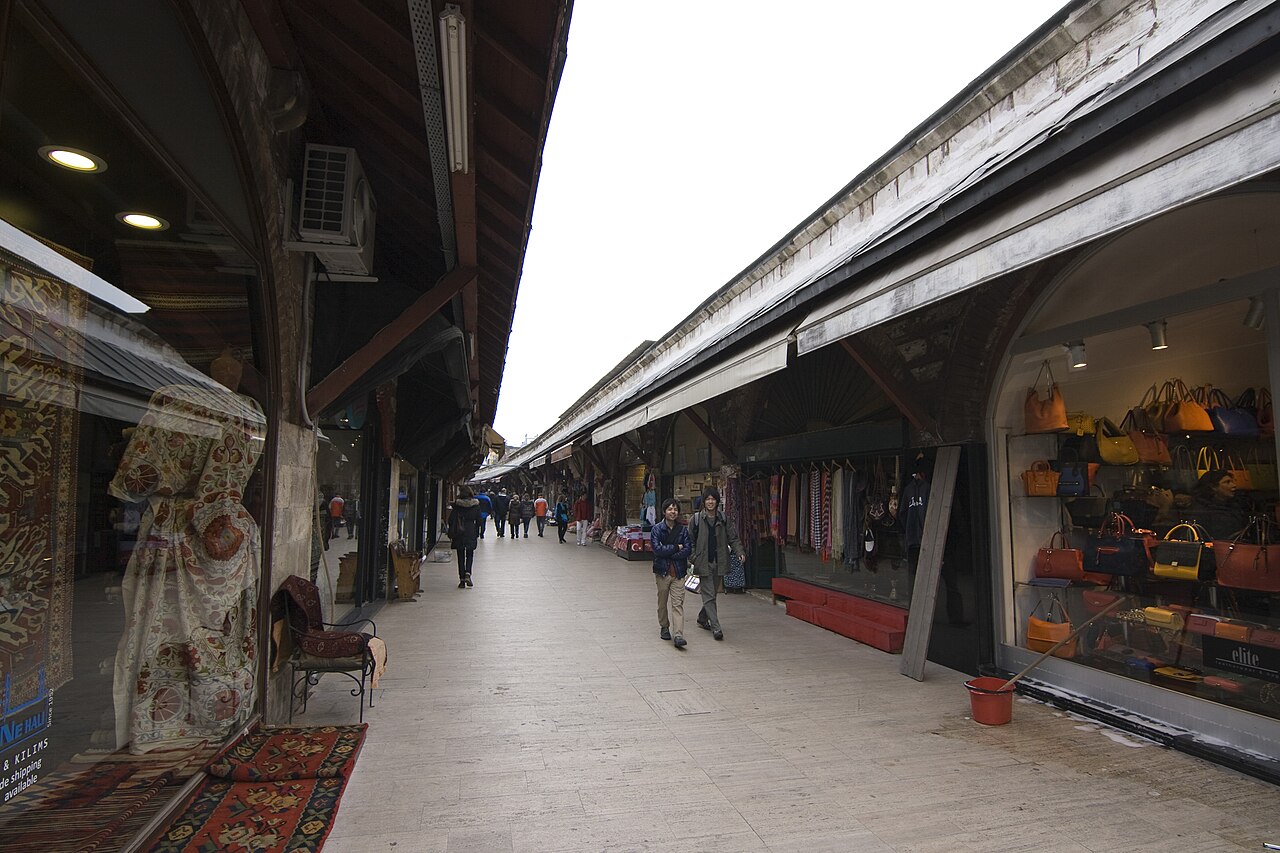
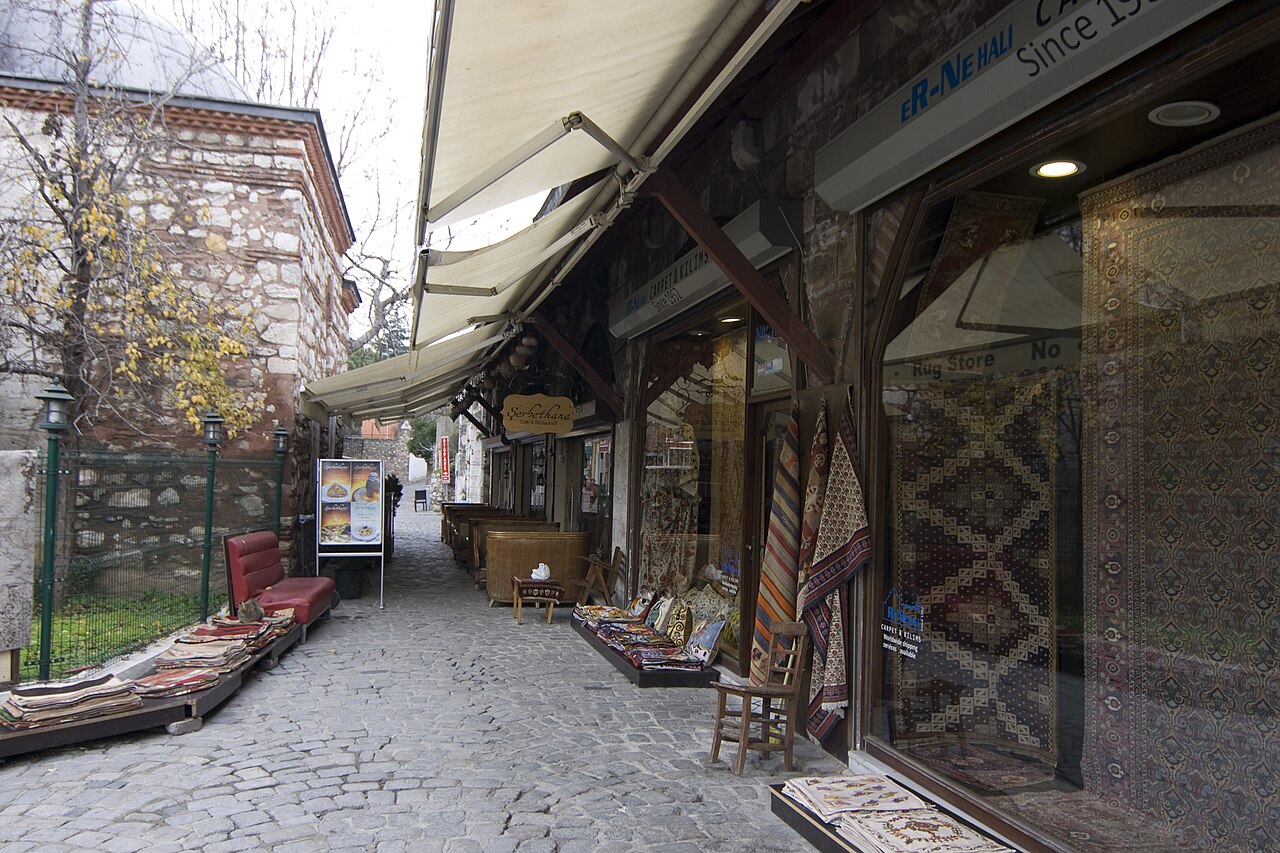
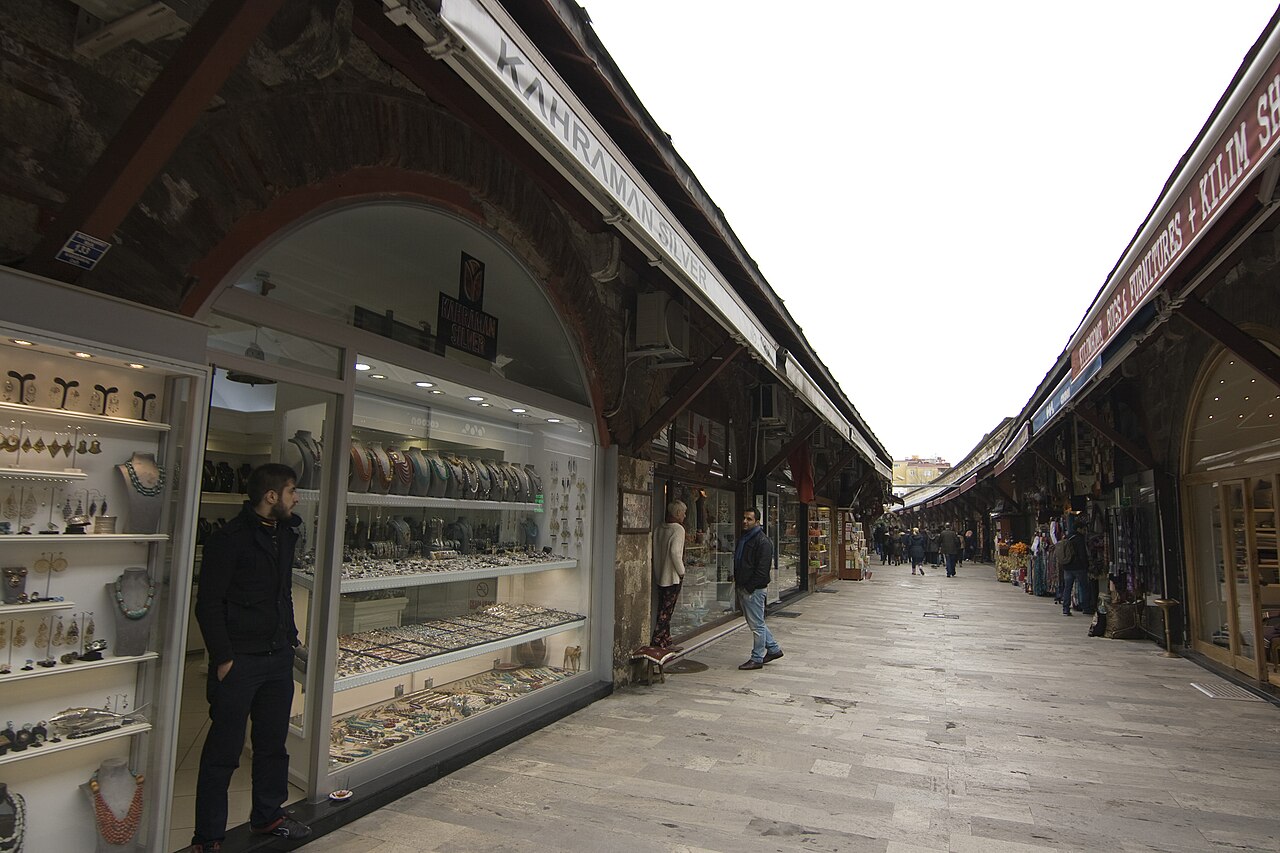
Above ground it is one straight lane of small shops — far fewer now than the two hundred spaces of 1617, roughly seventy in trade — selling carpets, kilims, İznik-style tiles, textiles and jewellery under a continuous run of shopfronts.
Below ground is the reason the 1980s work took so long. The arasta stands over the southwestern section of the Great Palace of Constantinople, and excavations by British archaeologists from the University of St Andrews in 1935–1938 and 1951–1954 uncovered a peristyle courtyard of 1,872 square metres floored entirely in mosaic, dated to the reign of Justinian I (527–565) or, on more recent analysis, to Heraclius. The Austrian Academy of Sciences conserved it between 1983 and 1997 under Werner Jobst, and the Great Palace Mosaic Museum opens directly off the lane.
2026-08-24 を確認しました · ソース


見学時間の目安
Forty-five minutes. The lane itself is walked end to end in a few minutes; the forty-five is browsing time, which is what the place is for. Seventy small shops selling overlapping stock reward a slow pass and a second look rather than a systematic one.
The Great Palace Mosaic Museum opening off the arcade is a separate site with its own duration and its own admission, and is not included in this figure — treat it as a second stop rather than an extension of this one. Visitors who do not intend to shop can honestly do the arasta in ten minutes and should, because there is nothing else here to detain them.
2026-08-24 を確認しました

季節と混雑状況
No bazaar-wide schedule exists. The arasta has no single operator and no official site: it is a street of independently held shops attached to the Sultan Ahmed foundation, and each shopkeeper sets their own hours, with some closing on Sundays and public holidays. Every published figure found — 09:00 to 19:00, 09:00 to 21:00 — came from travel and review sites that disagree with one another, so nothing is recorded here.
In practice the lane fills and empties with the Blue Mosque beside it, quiet early and busy in the gaps between prayer times when the mosque turns visitors out. Early morning is the calm window; it is also the one where the most shutters are still down.
2026-08-24 を確認しました
チケット
No admission value is recorded for the arcade. There is no operator page and no published statement that walking the lane costs anything or costs nothing, so no figure is asserted in either direction. What can be said plainly is that there is no gate, no desk and no turnstile at either end of the street.
The Great Palace Mosaic Museum that opens off the lane is a different matter entirely: a Ministry site with its own entrance, its own hours and its own admission, recorded separately. Budgeting for the arasta means budgeting for whatever is bought in it, and the address beside the Blue Mosque is reflected in the asking prices.
2026-08-24 を確認しました

行き方
The lane runs below the Blue Mosque's southeast flank, reached by dropping down past the precinct wall from the mosque's outer courtyard, or from the Sultanahmet street grid on the far side. It is level along its whole length, which makes it the flattest and easiest connection between the Blue Mosque and the Mosaic Museum, and a useful shortcut for anyone tired of the old city's slopes.
Because it is a covered-feeling arcade between two much larger attractions, it is easy to pass through without registering what it is. The entrances at either end are unmarked shop-lined openings rather than gateways, so look for the straight run of shopfronts.
2026-08-24 を確認しました


気をつけるべきこと
The most important thing to check before counting on this stop: the Great Palace Mosaic Museum was closed for restoration in July 2023 and was still recorded as closed, with no announced reopening date, as of May 2024. Anyone whose reason for coming here is the mosaics should confirm the museum is open before making the trip.
On the lane itself, the pressures are the ordinary ones of a tourist arcade in the busiest square kilometre in Istanbul. The selling is more relaxed than in the Grand Bazaar but it is still selling, prices reflect the address rather than the goods, and the "handmade" and "antique" labels deserve the scepticism they would deserve anywhere. Shutters may be down at either end of the day.
2026-08-24 を確認しました · ソース

写真
The arasta's one strong composition is its own geometry: a straight lane with a repeating line of shopfronts running away to a vanishing point. Shoot down the axis from either end, low enough to include the paving, and the repetition does the work. Stepping to one side and losing the straight line loses the picture.
The stock is where the colour is — stacked kilims, ranks of tiles, hanging lamps — and it photographs best in the open shade the arcade provides for most of the day. Overhead midday sun blows out the paving and leaves the shopfronts in blackness, which is the worst hour here. Ask the shopkeeper before photographing a stall; it is their display, and most say yes when asked.
2026-08-24 を確認しました
よくある質問
What is an arasta?
A row of shops built as part of a mosque complex, whose rents endow the mosque and its charities. This one belongs to the Sultan Ahmed complex, built on the southeast side below the mosque precinct with spaces for around 200 shops and completed in 1617.
Is this the original seventeenth-century bazaar?
The fabric is, but not continuously in use. Fire destroyed the arasta in 1912 and it stood in ruins for decades before being restored from that ruined state between 1982 and 1985. The arcade trading today is that restoration.
What are the Great Palace mosaics underneath?
The arasta stands over the southwestern part of the Great Palace of Constantinople. Excavations by the University of St Andrews in 1935–1938 and 1951–1954 uncovered a peristyle courtyard of 1,872 square metres floored entirely in mosaic, dated to Justinian I (527–565) or, on more recent analysis, to Heraclius.
Can the Mosaic Museum be visited from the bazaar?
It opens directly off the lane, but check first: the Great Palace Mosaic Museum was closed for restoration in July 2023 and was still recorded as closed, with no announced reopening date, as of May 2024. It is a separate site with its own hours and admission.
What are the bazaar's opening hours?
There is no bazaar-wide schedule. The arasta has no single operator and no official site; each shopkeeper sets their own hours and some close on Sundays and public holidays. The figures circulating online — 09:00 to 19:00, 09:00 to 21:00 — come from travel sites that disagree with one another, so none is recorded.
How long should a visit take, and does it cost anything?
About 45 minutes, almost all of it browsing — the lane is walked end to end in a few minutes. No admission value is recorded: there is no operator page and no published statement either way, though there is no gate, desk or turnstile at either end of the street.
どこにありますか
インタラクティブマップを読み込んでいます…
インタラクティブマップを読み込めませんでした。
近くの
計画に組み込む
外部リンク
最終更新日:
情報源: OpenStreetMap コントリビューター, Wikidata ·