宗教施設 · Beyoğlu, イスタンブール
Arab Istanbul Mosque
Arap Camii
写真

- 今日
- 営業時間の記録なし
- 訪問期間
- 20分
- アクセシビリティ
- 未登録
- 価格
- 未登録
- 評価
- 必見
- ランク
- 8,133 の 66 をランク付け
Arab Istanbul Mosqueについて
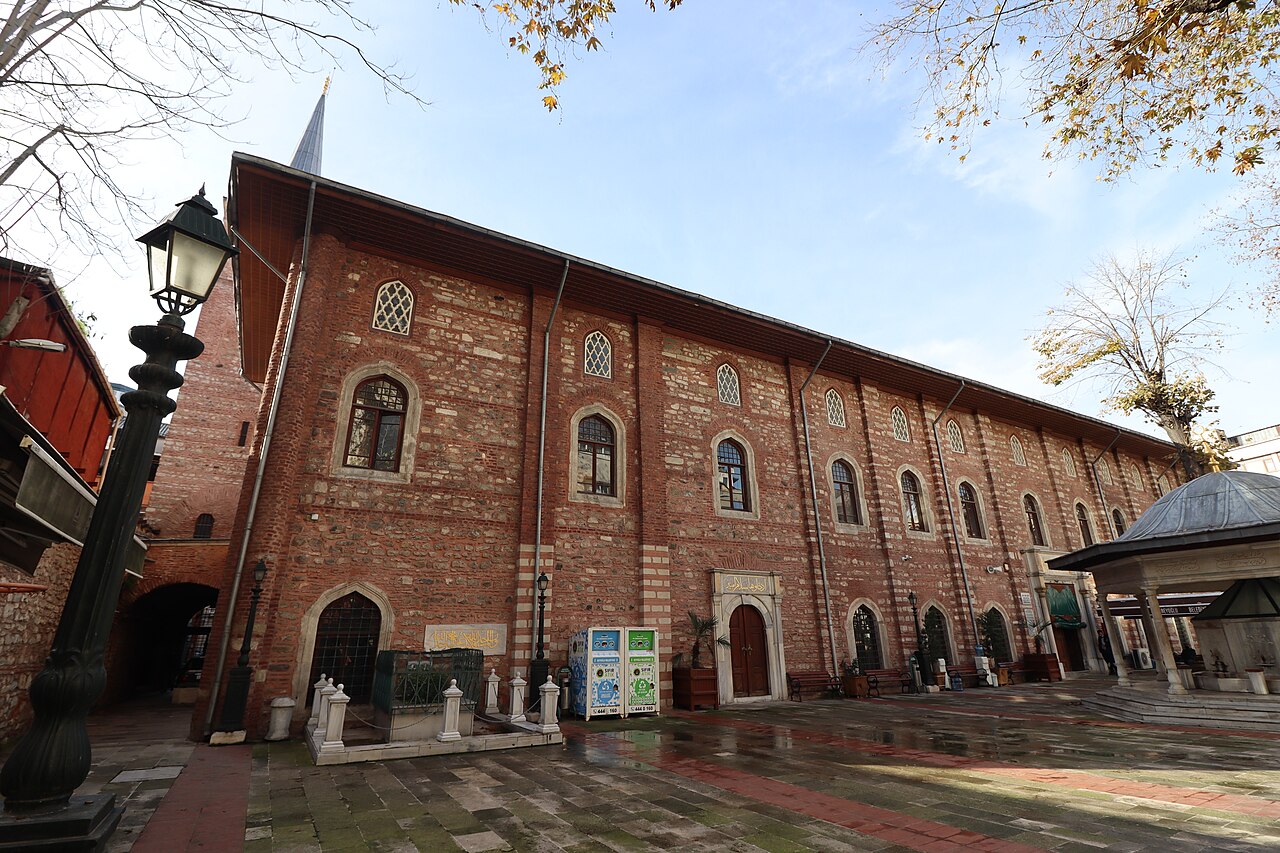
Arap Camii is the largest surviving Latin church of medieval Constantinople and the only one that still carries its bell tower. The friars of the Dominican Order erected it in 1325 beside an earlier chapel dedicated to Saint Paul that dated from 1233, and though it was officially dedicated to San Domenico the neighbourhood went on calling it by the older name.
Between 1475 and 1478, under Mehmed II, the building was converted with only minor modifications into a mosque and was known as Galata Camii, or Cami-i Kebir, the Great Mosque. Its present name arrived later: Bayezid II assigned the building to the Muslims of Spain, the Moriscos who had fled the Spanish Inquisition, and the Arab Mosque is what Galata has called it since. Almost seven centuries of use have passed through the same walls under three liturgies.
2026-08-24 を確認しました · ソース
中には何が入っているのか
The church is still legible under the mosque. The plan is a three-nave rectangle with a squared-off eastern end and a square sanctuary roofed by ribbed groin vaults, which is a Dominican church and nothing else, reoriented for prayer. Above it runs a wooden roof, and the floor beneath was renewed in the restoration of 1913 to 1919 directed by Giridli Hasan Bey — the work that turned up Genoese tombstones dating from the first half of the fourteenth century to the middle of the fifteenth.
The tower is the thing to look at. Square-planned and Gothic, with triple windows, it was made into a minaret by the addition of a conical roof rather than by demolition, so Galata has a campanile that calls to prayer. In the courtyard stands the şadırvan for ritual ablution, built by Adile Sultan in 1868. The Gothic portal and lancet windows were reworked into Ottoman forms by Saliha Sultan in 1734 or 1735, and the mihrab and sultan's lodge carry Baroque detail from that century of repairs. The most recent extensive restoration finished in 2013.
2026-08-24 を確認しました · ソース
見学時間の目安
Twenty minutes. Nothing here is ticketed or sequenced: there is one rectangular hall under its wooden ceiling and a courtyard, and the visit is standing in the hall long enough to read the nave plan, then going out to look up at the tower from the yard.
The number assumes you are not arriving at a prayer time. If you are, the wait outside is not part of the twenty minutes and can add a quarter of an hour or more, so a planner should treat the arrival window rather than the visit length as the thing to get right. Anyone with an interest in the Genoese period will spend longer in the courtyard than in the hall.
2026-08-24 を確認しました
季節と混雑状況
No per-weekday hours exist for this mosque from any operator, and this guide will not invent a schedule. The Diyanet, which administers it, states in its own guidance on mosque services that mosques under its administration are kept open through the day beyond prayer times and that tourist visits are hosted by mosque guides — but it publishes no timetable for individual mosques, and the Beyoğlu Mufti's Office mosque list could not be reached.
What is fixed is the rule rather than the hour. The mosque is closed to visitors during the congregational prayers and for the whole of the Friday midday prayer, and since prayer times shift with the season the windows in which you will be asked to wait outside shift with them. Look up the day's times before setting out.
Mid-morning on a weekday other than Friday is the reliable slot: the dawn prayer is long finished, the midday one is not yet near, and the hall is empty enough to hear how the wooden ceiling changes the sound.
2026-08-24 を確認しました · ソース
チケット
No admission price is published for this mosque as a number. Mosques under Diyanet administration have no box office, and the Diyanet's own guidance describes arrangements for hosting tourist visits without naming any fee — but it also does not state in so many words that entry is free, so this guide records the absence rather than asserting a price of zero.
In practice you will not be charged at a door, because there is no door at which anyone is stationed to charge. Nothing is bookable and nothing needs to be reserved. A donation box may be present inside; contributing to it is voluntary and nobody will ask.
2026-08-24 を確認しました · ソース
行き方
The mosque stands inland from the Karaköy waterfront in the middle of Perşembe Pazarı, the hardware quarter, and the approach is what distinguishes arriving here from arriving anywhere else in Galata. From the T1 tram at Karaköy, walk west away from the Galata Bridge into a grid of narrow lanes stacked with pipe fittings, ship chandlery, bearings and cable, and keep going until a Gothic tower appears above the shopfronts. There is no signage worth relying on; the tower is the sign.
From the Golden Horn ferry landing at Karaköy the walk is under ten minutes on the same bearing. Coming down from the Galata Tower, take any of the lanes falling north towards the water and you will meet Perşembe Pazarı, though the descent is steep and cobbled in places.
Note that the Camondo Stairs and Bankalar Caddesi are a few minutes uphill to the east, so the two fit naturally into one loop.
2026-08-24 を確認しました
気をつけるべきこと
This is a working mosque with a congregation, not a monument with a visiting hour, and the etiquette is not optional. Shoes come off at the threshold and go on the racks. Shoulders and knees are covered for everyone; women cover their hair, and a scarf is usually available at the entrance if you have not brought one. Do not walk across the space directly in front of someone at prayer, and do not photograph worshippers.
If you arrive during a congregational prayer you will be asked to wait, and on Friday the midday closure covers the whole prayer, not a token part of it. Waiting graciously in the courtyard is the correct response.
Outside, the hazard changes character entirely. Perşembe Pazarı is a live wholesale trade: vans reverse without warning down lanes barely wider than they are, handcarts move fast, and the pavement is frequently stacked with steel. Walk with your eyes up for the tower and you will walk into something.
2026-08-24 を確認しました
写真
Photograph the tower first and from the courtyard, because that is the one view that exists nowhere else in Istanbul — a square Gothic campanile with a conical cap doing the work of a minaret. Get close to the base and shoot steeply upward so the triple windows stack; from further back the surrounding buildings crowd it and the shape is lost.
Inside, the subject is the wooden ceiling and the run of the three naves towards the squared eastern end. Light comes sideways through the reworked windows and is low, so brace against a pillar rather than using flash, which is intrusive in a room where people are praying and flattens the timber to a slab.
The one shot to abandon willingly is any frame containing a face. If the hall has people in it, wait or photograph the ceiling. Ask the mosque's attendant before setting up anything more elaborate than a handheld camera.
2026-08-24 を確認しました
よくある質問
What are the opening hours of Arap Camii?
None are published. No operator lists per-weekday hours for this mosque. The Diyanet states that mosques under its administration are kept open through the day beyond prayer times, but publishes no schedule for individual mosques, so plan around the day's prayer times instead of an opening hour.
Is there an admission charge?
No price is published. There is no box office, and the Diyanet's guidance describes hosting tourist visits without naming a fee, though it does not state outright that entry is free. In practice nobody is stationed at a door to charge, and nothing needs booking.
Why does the mosque have a bell tower?
Because it was built as a church. Dominican friars erected it in 1325, and when it was converted to a mosque between 1475 and 1478 the Gothic bell tower was turned into a minaret by adding a conical roof rather than being pulled down.
Where does the name Arab Mosque come from?
From the Moriscos. Sultan Bayezid II assigned the building to the Muslims of Spain who had fled the Spanish Inquisition, and the name Arap Camii dates from that community's use of it. Before then it was called Galata Camii or Cami-i Kebir.
When can I not go in?
During the congregational prayers, and for the whole of the Friday midday prayer. Prayer times move with the season, so check the day's times before setting out. Mid-morning on a weekday other than Friday is the most reliable window.
How long does a visit take, and what should I wear?
About twenty minutes for the hall and the courtyard. Remove your shoes at the threshold, cover shoulders and knees, and women should cover their hair; a scarf is usually available at the entrance.
どこにありますか
インタラクティブマップを読み込んでいます…
インタラクティブマップを読み込めませんでした。
近くの
計画に組み込む
外部リンク
最終更新日:
情報源: OpenStreetMap コントリビューター, Wikidata ·