史跡 · Innere Stadt, ウィーン
Palais Pallavicini


- 今日
- 営業時間の記録なし
- 訪問期間
- 5分
- アクセシビリティ
- 未登録
- 価格
- 未登録
- 評価
- 必見 · 遺産
- ランク
- 5,640 の 64 をランク付け
Palais Pallaviciniについて
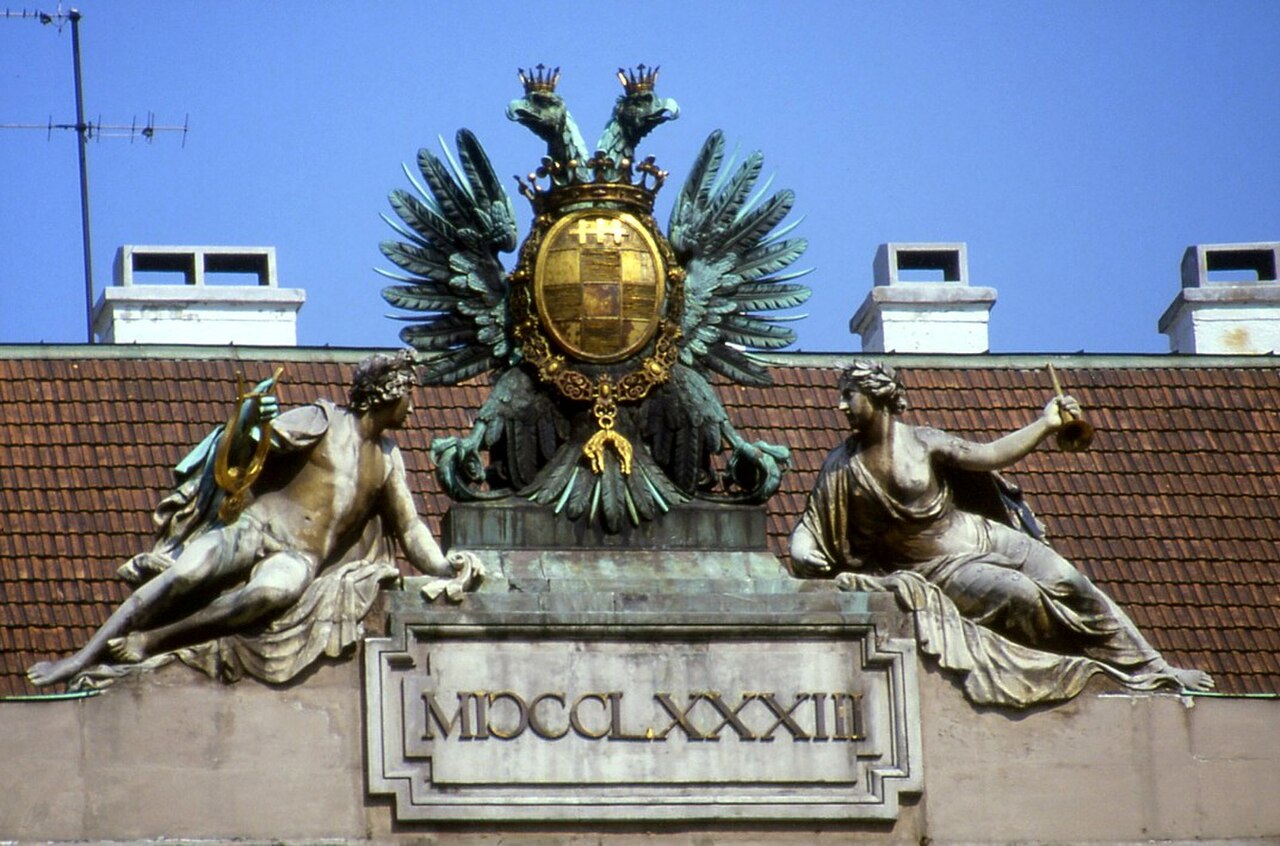
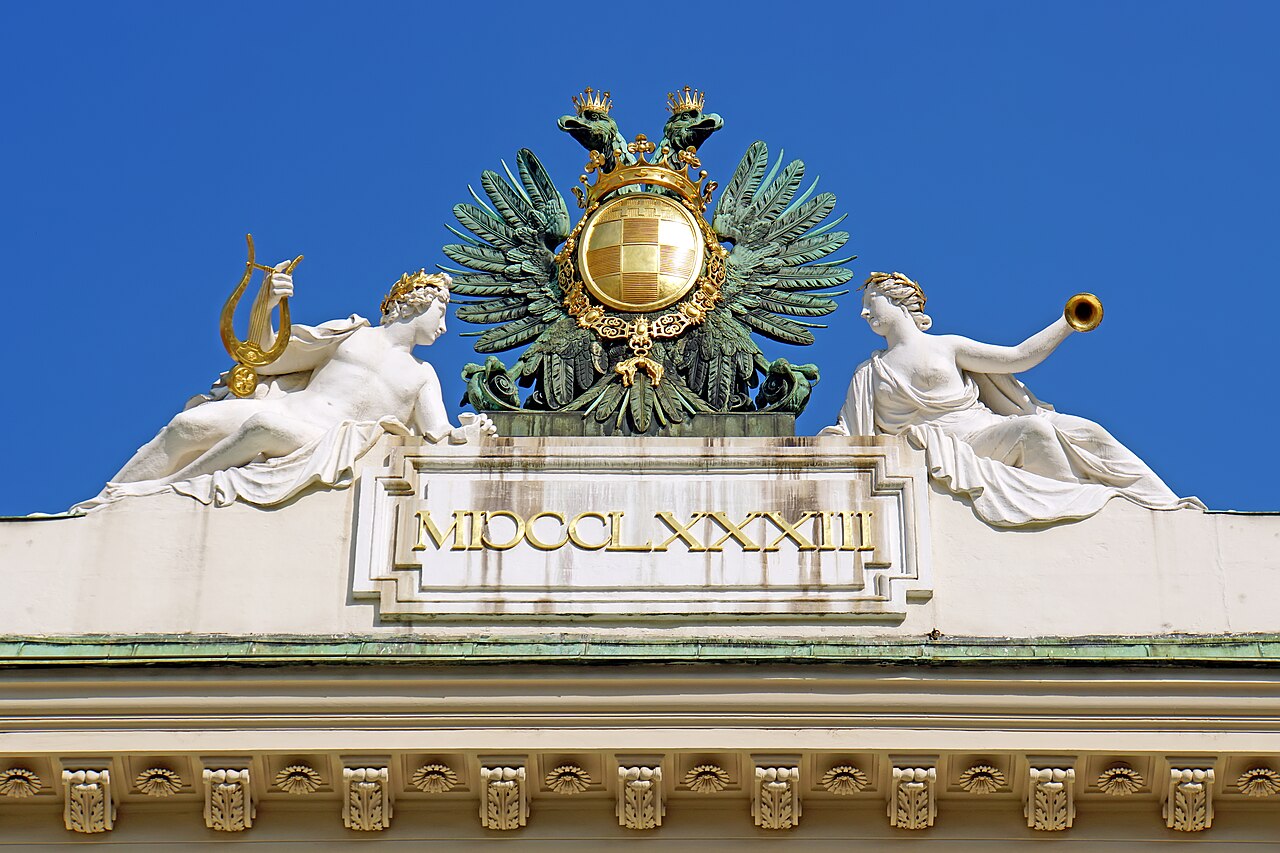
Palais Pallavicini is a neoclassical town palace on Josefsplatz in Vienna's Innere Stadt, built in 1783-84 to a design by Ferdinand von Hohenberg for Count Johann Karl Philipp Cobenzl. The Pallavicini family, who gave the building its present name, acquired it by marriage into the Cobenzl line in the early nineteenth century and still own it today. It stands directly opposite the Hofburg's Josefsplatz wing, beside the entrance to the Austrian National Library's state hall, making it one of the most photographed facades in the old city even though almost nobody who photographs it goes inside. Hohenberg was one of the leading architects of the late Josephine period, also responsible for the Gloriette in Schoenbrunn's palace gardens, and Pallavicini is generally counted among his most refined surviving town-house designs.
2026-08-23 を確認しました · ソース
中には何が入っているのか
The palace remains a private residence and event venue, not a museum, so there is no public route through its rooms. Its state rooms hold historic stucco ceilings, period furniture and a ballroom used for the concerts and private functions described below; none of this is described in public floor plans, and the interior is documented mainly through photographs taken during rented events rather than through a standing exhibition. What can be confirmed from those event photographs is a sequence of interconnected reception rooms typical of a grand eighteenth-century Vienna town house, rather than a single large hall; a precise room-by-room layout is not published and is treated here as not recorded. The palace's continued use as a private residence for its owning family, alongside its commercial event bookings, is itself part of why so little of the interior is documented for a general audience, unlike a state-owned palace museum a short walk away.
2026-08-23 を確認しました · ソース

見学時間の目安
Viewing the entrance facade from Josefsplatz takes two or three minutes. A ticketed evening concert inside runs about an hour to ninety minutes including an interval; a private event booking such as a wedding or reception is scheduled to the client's own timetable and is not something a visitor drops into.
2026-08-23 を確認しました · ソース


季節と混雑状況
Anytime for the facade, which is unlit and unticketed public street frontage. Concert evenings run on a published seasonal schedule set by the promoter rather than the palace itself, and vary through the year; Not recorded: a fixed weekly concert calendar, since dates are announced concert by concert rather than as a standing timetable.
2026-08-23 を確認しました · ソース
チケット
The building is private and cannot be entered without a booking. Access runs through two separate routes: tickets to an evening classical concert staged in the ballroom by an outside concert promoter, or a private event booked directly with the palace's own events office for weddings, receptions and corporate functions. There is no walk-in entry and no general admission ticket to see the rooms on their own, and no separate daytime viewing arrangement exists for the interior at any price.
2026-08-23 を確認しました · ソース

_Wien01_Josefsplatz05_russische_Inschrift1945.JPG)
行き方
Josefsplatz sits inside the Hofburg complex, a five-minute walk from the Stephansplatz U-Bahn station on lines U1 and U3, and from the Herrengasse station on U3. Tram lines 1, 2, D and 71 stop nearby on the Ring; the Spanish Riding School's entrance is on the same square.
2026-08-23 を確認しました · ソース
.jpg)
気をつけるべきこと
The palace's famous entrance, flanked by two colossal atlantes carved by Franz Anton Zauner, is a genuine street-level landmark and free to photograph, which leads some visitors to assume the building is a public monument they can walk into; it is a private residence and the door is not an entrance any visitor may use without an event ticket. Ticket touts for 'palace concerts' operate around Josefsplatz and the wider Innere Stadt; buying directly from the promoter's own site rather than from a street seller avoids inflated prices for the same seats. The doorway is also a popular backdrop for wedding photography arranged independently of the palace's own events office, and couples posing there are not evidence that the building itself is open for casual visits.
2026-08-23 を確認しました · ソース


写真
The atlantes flanking the entrance doorway are the shot everyone takes, best caught in the low, angled light of morning or late afternoon that models the carved musculature; midday sun flattens it. The facade appeared in the opening sequence of the 1949 film The Third Man and in the 1987 James Bond film The Living Daylights, both shot from close to the same spot on Josefsplatz.
2026-08-23 を確認しました · ソース
よくある質問
Can visitors go inside Palais Pallavicini?
Only with a ticket to a scheduled evening concert or a private event booked through the palace's own events office; there is no walk-in entry and no general admission.
What are the statues on either side of the entrance?
Two colossal atlantes, carved by Franz Anton Zauner, supporting the doorway's upper cornice; they are the palace's best-known feature and free to view from the street.
Who built Palais Pallavicini and when?
Ferdinand von Hohenberg, in 1783-84, for Count Johann Karl Philipp Cobenzl; the Pallavicini family acquired it by marriage in the early nineteenth century and still own it.
Is Palais Pallavicini a museum?
No. It is a private residence and event venue with no public exhibition and no published floor plan.
Has the palace appeared in film?
Yes, its Josefsplatz entrance appears in the opening of The Third Man (1949) and in the James Bond film The Living Daylights (1987).
How do I book a concert at Palais Pallavicini?
Through the concert promoter staging the event, not through the palace directly; buying from the promoter's own site avoids the markup charged by street ticket sellers around Josefsplatz.
どこにありますか
インタラクティブマップを読み込んでいます…
インタラクティブマップを読み込めませんでした。
近くの
計画に組み込む
外部リンク
最終更新日:
情報源: OpenStreetMap コントリビューター, Wikidata ·