_Abside.jpg)
_Vues_de_Venise_-_btv1b8432876d_(100_of_113).jpg)


7 min walk
Venetian Arsenal
- Must see · Heritage site
- Historic monument
Language · 1 published
Place of worship · Venice
Basilica di San Pietro di Castello
| Monday | 10:30 – 17:00 |
|---|---|
| Tuesday | 10:30 – 17:00 |
| Wednesday | 10:30 – 17:00 |
| Thursday | 10:30 – 17:00 |
| Friday | 10:30 – 17:00 |
| Saturday | 10:30 – 17:00 |
| Sunday | Closed |
Parsed from OpenStreetMap opening hours on 2026-08-26.
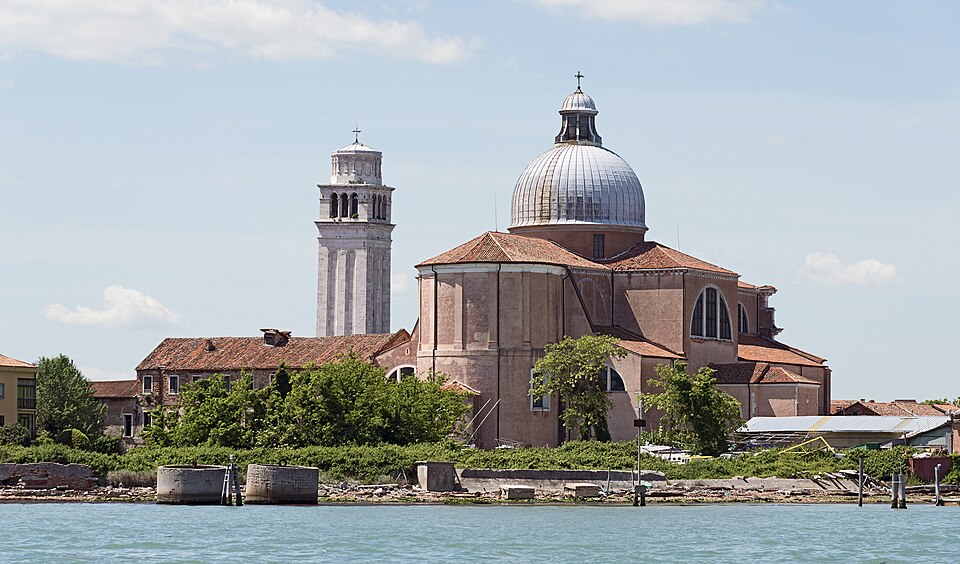
The Basilica di San Pietro di Castello is a historic church in Venice, located on the eastern end of the main island group in the Castello sestiere. It served as the cathedral of Venice from 1451 to 1807, before that role transferred to San Marco. The building stands on the island of San Pietro di Castello, connected by bridges to the surrounding area. Its long history as an ecclesiastical center gives it significance beyond its current quieter status. The basilica represents an important chapter in Venetian religious and civic history, predating the better-known St. Mark's in its cathedral function.
Checked 2026-08-26
The interior contains architectural and artistic elements accumulated over centuries of use as a cathedral. Visitors can observe the main nave, side chapels, and various monuments reflecting its past importance. The campanile, or bell tower, stands as a visible landmark. The throne of Saint Peter, a notable feature, connects to the church's dedication. The building shows layers of construction and modification from different periods. Not all interior decoration survives from its cathedral era, as some elements were moved or altered over time. The atmosphere tends toward solemn simplicity rather than overwhelming ornamentation.
Checked 2026-08-26
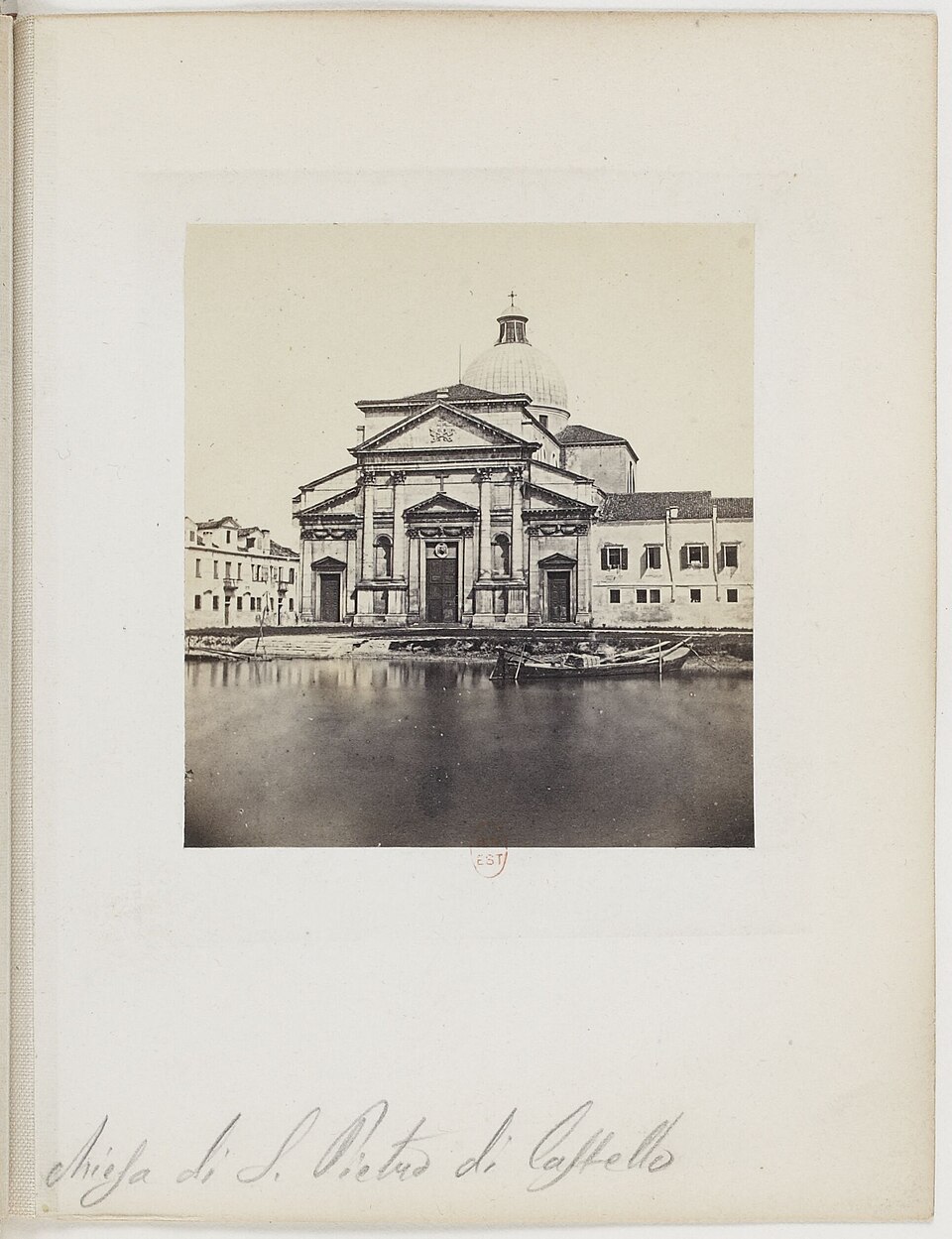
A visit to the Basilica di San Pietro di Castello typically requires between thirty minutes and one hour for most visitors. This allows time to walk through the main interior spaces, observe architectural details, and appreciate the historical atmosphere. Those with particular interest in Venetian ecclesiastical history or seeking a contemplative experience may choose to stay longer. The church's location away from the densest tourist concentrations means visitors rarely face time pressure from crowds. Combining this visit with exploration of the surrounding Castello district can extend the overall excursion substantially.
Checked 2026-08-26
Operator-confirmed hours are Not recorded pending review. Visitors should verify current opening times through official channels before planning a visit. The basilica's location in a less tourist-saturated area of Venice means it may offer a more peaceful experience regardless of season. Morning and late afternoon light can enhance the interior atmosphere for observation. The church's position at the eastern edge of the main islands makes it sensible to incorporate into a broader Castello exploration rather than as an isolated destination. Seasonal variations in Venice's light and weather affect the surrounding area's character.
Checked 2026-08-26
Operator-confirmed prices are Not recorded pending review. Many historic churches in Venice operate with variable access arrangements, some requesting donations while others maintain fixed admission. Visitors should verify current entry requirements before arrival. The basilica's status as a former cathedral rather than a major current tourist destination may influence its access policy. Any applicable fees typically support maintenance of the building. Group visits or special access arrangements may require advance coordination. Budget-conscious travelers should research whether combined passes covering multiple Venetian churches include this site.
Checked 2026-08-26

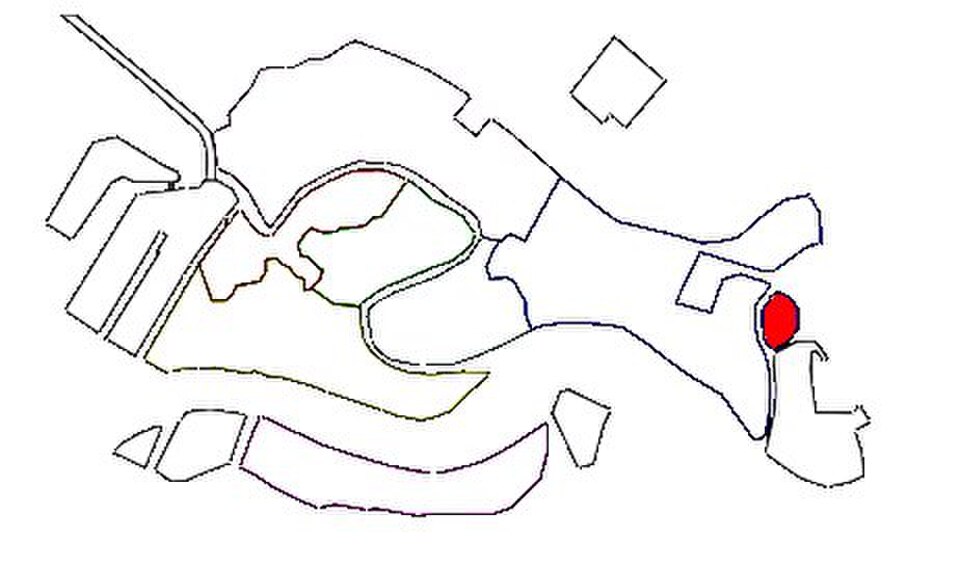
The basilica sits at the far eastern reach of Venice's main island group in the Castello sestiere. Reach it on foot from the Rialto or San Marco areas by walking eastward through Castello, a journey of approximately twenty to thirty minutes. Vaporetto waterbus services stop at nearby stations including San Pietro, though lines and schedules require verification. The walk passes through increasingly residential neighborhoods, offering a transition from tourist Venice to local life. Signage may be less prominent than for major attractions, so carrying a map or using navigation aids is prudent.
Checked 2026-08-26
The surrounding area becomes noticeably quieter and less commercial than central Venice, which visitors should anticipate when planning amenities. Fewer dining and convenience options exist immediately nearby. The approach involves walking through neighborhoods where everyday Venetian life continues, requiring respectful behavior. Interior surfaces may be uneven or dimly lit in places. Those with mobility limitations should research specific access conditions, as historic churches often present challenges. The isolated location means visitors should remain aware of personal belongings and time of day, though serious safety concerns are not prominent.
Checked 2026-08-26

Photography policies inside the Basilica di San Pietro di Castello are not formally documented in available sources. Visitors should observe posted regulations or seek guidance from attendants upon entry. Many Venetian churches restrict flash photography to protect artworks and maintain atmosphere. Tripods and professional equipment typically require special permission. The exterior and campanile offer photographic subjects without interior restrictions. Morning and late afternoon light on the building's facade can produce favorable conditions. The less crowded setting allows more composed photography than at major Venice landmarks, though patience remains valuable.
Checked 2026-08-26
No. San Pietro di Castello served as Venice's cathedral from 1451 to 1807, before that role moved to San Marco. They are distinct buildings with separate histories and locations.
Vaporetto waterbus services stop at nearby stations, though specific lines and schedules require verification through current transit resources. Walking from central Venice is also feasible.
The immediate area has fewer commercial establishments than central Venice. Visitors should plan dining options in advance or expect to walk back toward more populated areas.
Current service schedules are not recorded in available sources. Visitors interested in worship should contact the church directly or consult local religious listings.
Specific accessibility conditions are not documented. Historic churches in Venice often present challenges. Direct inquiry before visiting is recommended for those with mobility concerns.
Operator-confirmed prices are Not recorded pending review. Access policies for this former cathedral should be verified through official channels before visiting.
Loading the interactive map…
The interactive map could not be loaded.
Last updated:
Source: OpenStreetMap contributors, Wikidata ·