


5 min walk
Museo di Storia Naturale di Venezia
- Must see · Heritage site
- Museum
Language · 1 published
Museum · Venice
Museo Ebraico
| Monday | 10:00 – 17:30 |
|---|---|
| Tuesday | 10:00 – 17:30 |
| Wednesday | 10:00 – 17:30 |
| Thursday | 10:00 – 17:30 |
| Friday | 10:00 – 17:30 |
| Saturday | Closed |
| Sunday | 10:00 – 17:30 |
Parsed from OpenStreetMap opening hours on 2026-08-26.
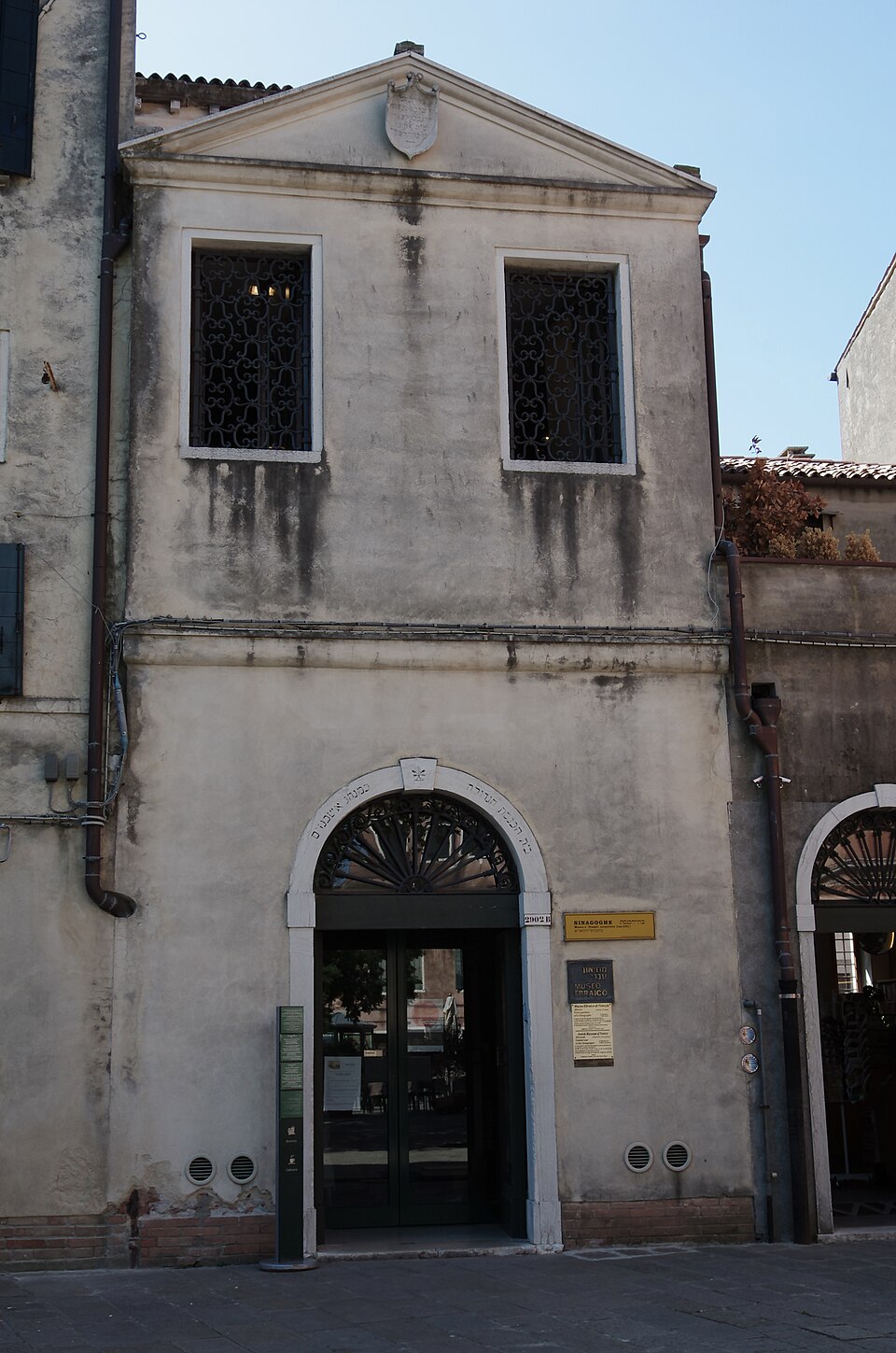
The Museo Ebraico di Venezia, locally known as Museo Ebraico, is a museum situated in the Cannaregio district of Venice. It occupies space within the historic Venetian Ghetto, established in 1516 as one of Europe's oldest segregated Jewish quarters. The museum preserves and presents the heritage of Venetian Jewish communities across centuries. Its collections and exhibitions document religious traditions, daily life, and the historical experience of Jews in the lagoon city. The institution serves as a cultural anchor for understanding minority history within Venice's broader urban narrative.
Checked 2026-08-26
The museum contains objects related to Jewish ceremonial and domestic life, including textiles, silverwork, and documents. Exhibits cover synagogue furnishings and religious artifacts used in Venetian Jewish practice. Displays address the history of the Ghetto itself, from its founding through the modern era. The museum also provides access to information about the five historic synagogues in the vicinity, some of which may be visited in connection with museum programming. The collection emphasizes material culture as evidence of community persistence and adaptation under restrictive conditions.
Checked 2026-08-26
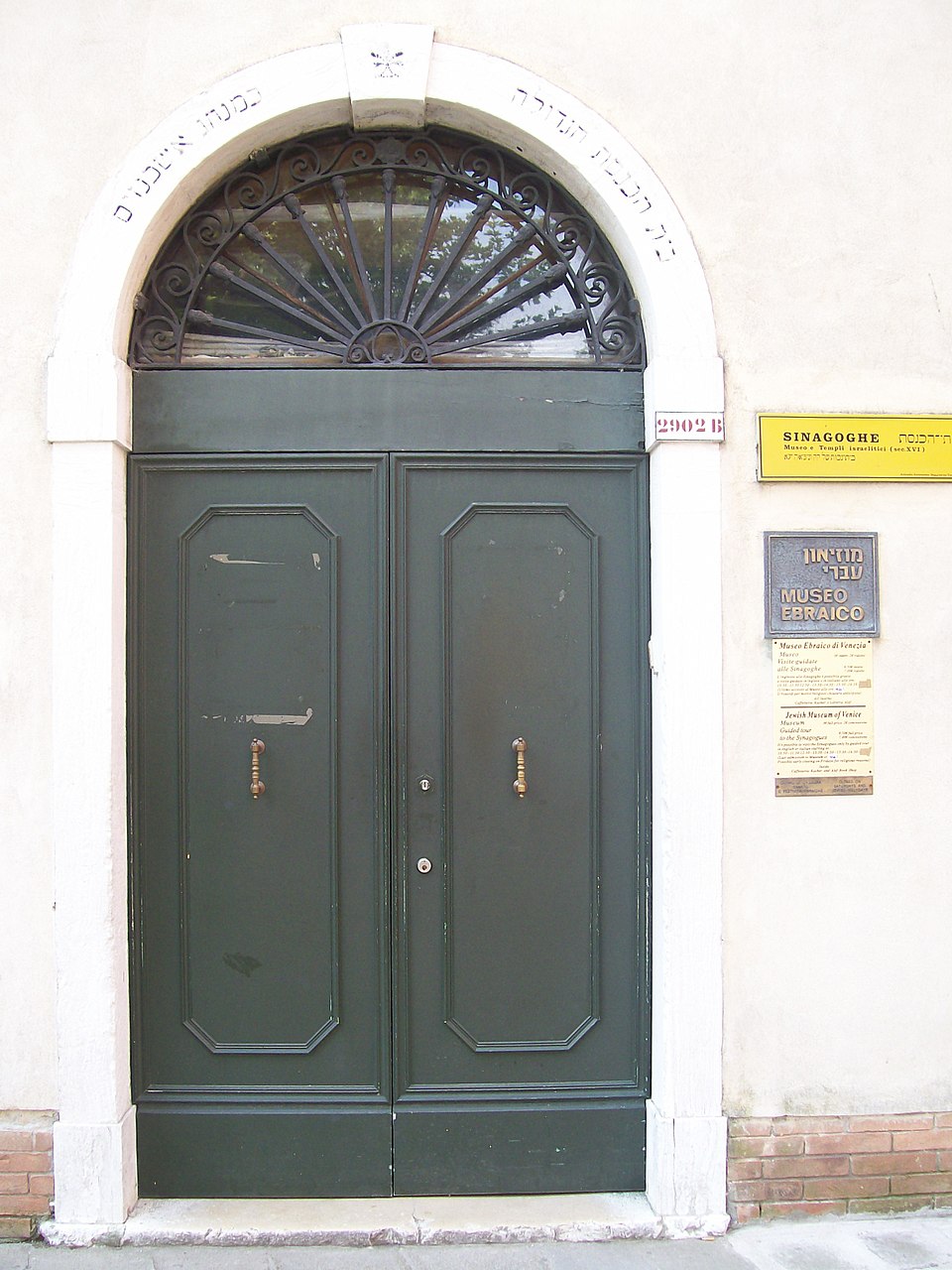
A complete visit to the Museo Ebraico di Venezia typically requires between one and two hours, depending on individual reading pace and interest in detailed examination of objects and texts. Visitors wishing to include synagogue tours associated with the museum should allocate additional time. The compact nature of the exhibition spaces means that the core museum experience is not extensive in physical scope. Those with particular interest in Jewish history or Venetian social history may find themselves at the longer end of this estimate.
Checked 2026-08-26

Operator-confirmed hours are Not recorded pending review. Visitors should consult directly with the museum or official Venetian tourism channels before planning a visit. Seasonal tourism patterns in Venice affect crowding throughout the Cannaregio district, with summer months generally experiencing higher visitor volumes. Morning hours may offer relatively quieter conditions for museum viewing. The museum's location in the Ghetto means it can be combined with exploration of this historically significant neighborhood. Advance verification of operational status is advisable for all travel planning. Museo Ebraico di Venezia also earns time in a venice itinerary because A ranked visitor place retained from the city fact pack and matched exactly to the production city pool. Its value becomes clearer when the stop is compared with the surrounding streets and the other ranked places nearby.
Checked 2026-08-26
Operator-confirmed prices are Not recorded pending review. The museum may offer combined ticketing with synagogue tours, though specific arrangements require direct confirmation. Visitors should check current admission policies through official sources before arrival. Standard museum practices suggest possible variations between full, reduced, and group rates, but no specific figures are established here. Payment methods and advance booking options remain unverified. Budget-conscious travelers should treat cost planning as provisional until authoritative pricing is obtained from the museum or endorsed tourism platforms serving Venice.
Checked 2026-08-26
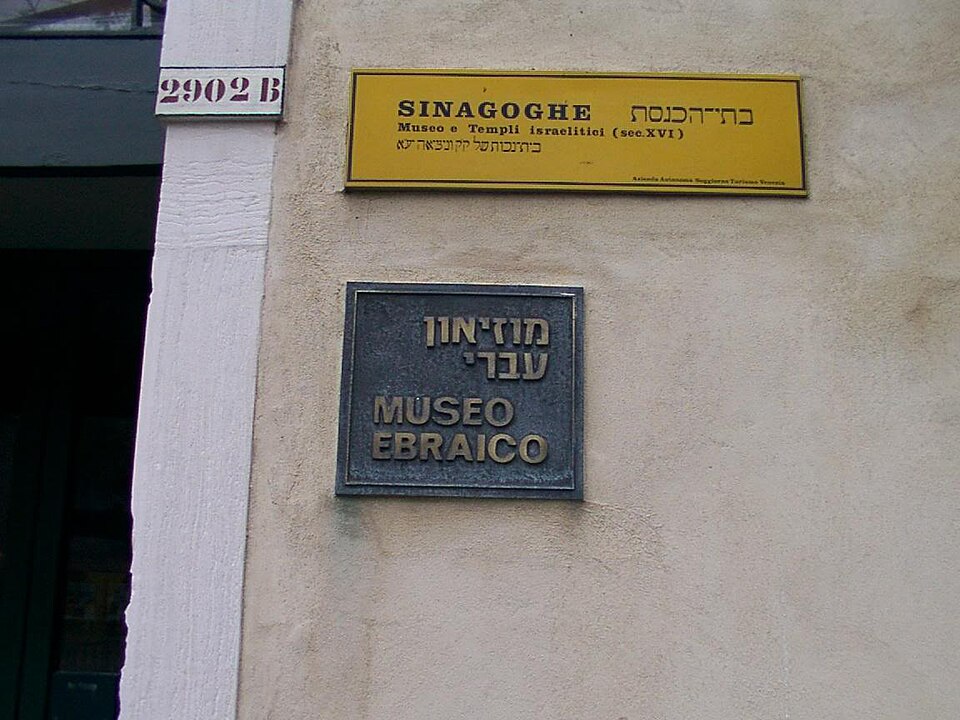
The Museo Ebraico di Venezia lies in Cannaregio, accessible on foot from the Santa Lucia railway station or from vaporetto stops serving the Grand Canal. The nearest vaporetto halts include San Marcuola and Guglie, each requiring subsequent walking through the Ghetto district. No vehicular access exists in central Venice; all approaches are pedestrian. Signage in the Cannaregio area assists navigation to the Ghetto. The museum's location within a historically defined quarter means visitors should expect to walk through characteristic narrow calli and across small bridges typical of Venetian urban fabric.
Checked 2026-08-26
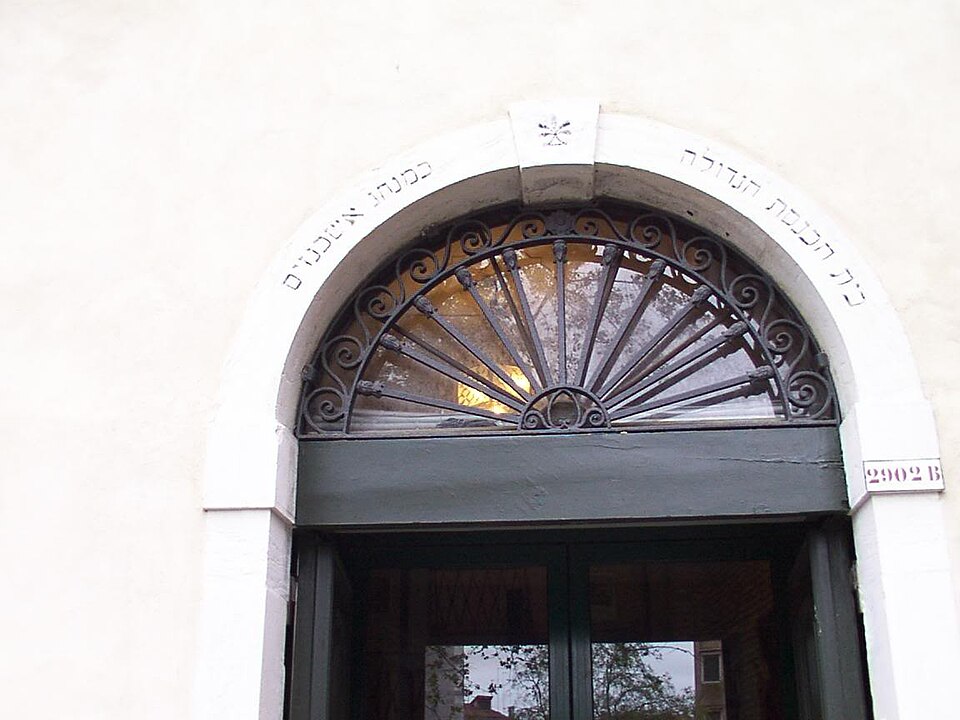
The Ghetto district contains active religious and residential spaces; visitors should maintain appropriate demeanor near synagogues and private dwellings. Security considerations at Jewish institutions may affect entry procedures. The area's physical environment includes uneven paving, bridge steps, and narrow passages that present mobility challenges. Water levels in Venice occasionally cause acqua alta flooding, which may affect accessibility. Visitors should respect that the site represents both historical trauma and living community, avoiding casual or performative behavior. Photography restrictions may apply in sensitive areas without explicit notice.
Checked 2026-08-26
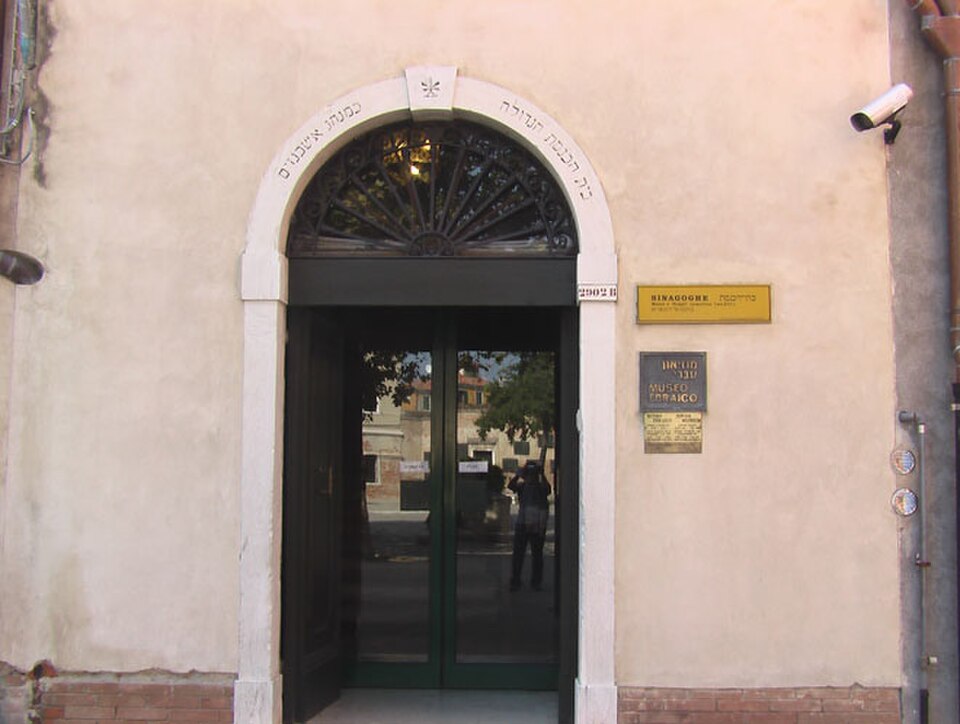
Photography policies within the Museo Ebraico di Venezia are not specified in available sources. Visitors should assume restrictions may apply, particularly for flash photography, tripods, or filming, as common in museums housing sensitive or religious materials. Synagogue interiors associated with museum tours likely prohibit photography as standard practice at active places of worship. When in doubt, visitors should request clarification from staff rather than presume permission. Respect for the religious significance of objects and spaces should guide all image-making decisions, even where technical rules are not explicitly posted.
Checked 2026-08-26
The historic Venetian Ghetto environment includes bridges with steps and narrow, uneven pathways. The museum's interior accessibility features are Not recorded. Visitors with mobility concerns should contact the museum directly for current information.
The museum is associated with tours of nearby historic synagogues. Specific tour schedules, languages offered, and booking requirements are Not recorded. Direct inquiry with the museum is recommended.
On-site retail facilities are Not recorded. Visitors interested in related publications or Judaica should verify current amenities with the museum before visiting.
No formal dress code is recorded. However, visitors entering associated synagogue spaces should dress modestly as appropriate for religious sites, covering shoulders and knees as a cautious standard.
The museum's suitability for children depends on individual family circumstances and interest in historical content. No specific children's programming or facilities are recorded. Parental discretion is advised given the serious historical themes addressed.
Availability of audio guides, printed materials in languages other than Italian, or digital interpretation tools is Not recorded. Visitors requiring language support should confirm options directly with the museum in advance.
Loading the interactive map…
The interactive map could not be loaded.
Last updated:
Source: OpenStreetMap contributors, Wikidata ·