
.jpg)


1 min walk
Museum of Musical Instruments
- Must see
- Museum
Language · 1 published
Museum · Milan
Museo Pietà Rondanini
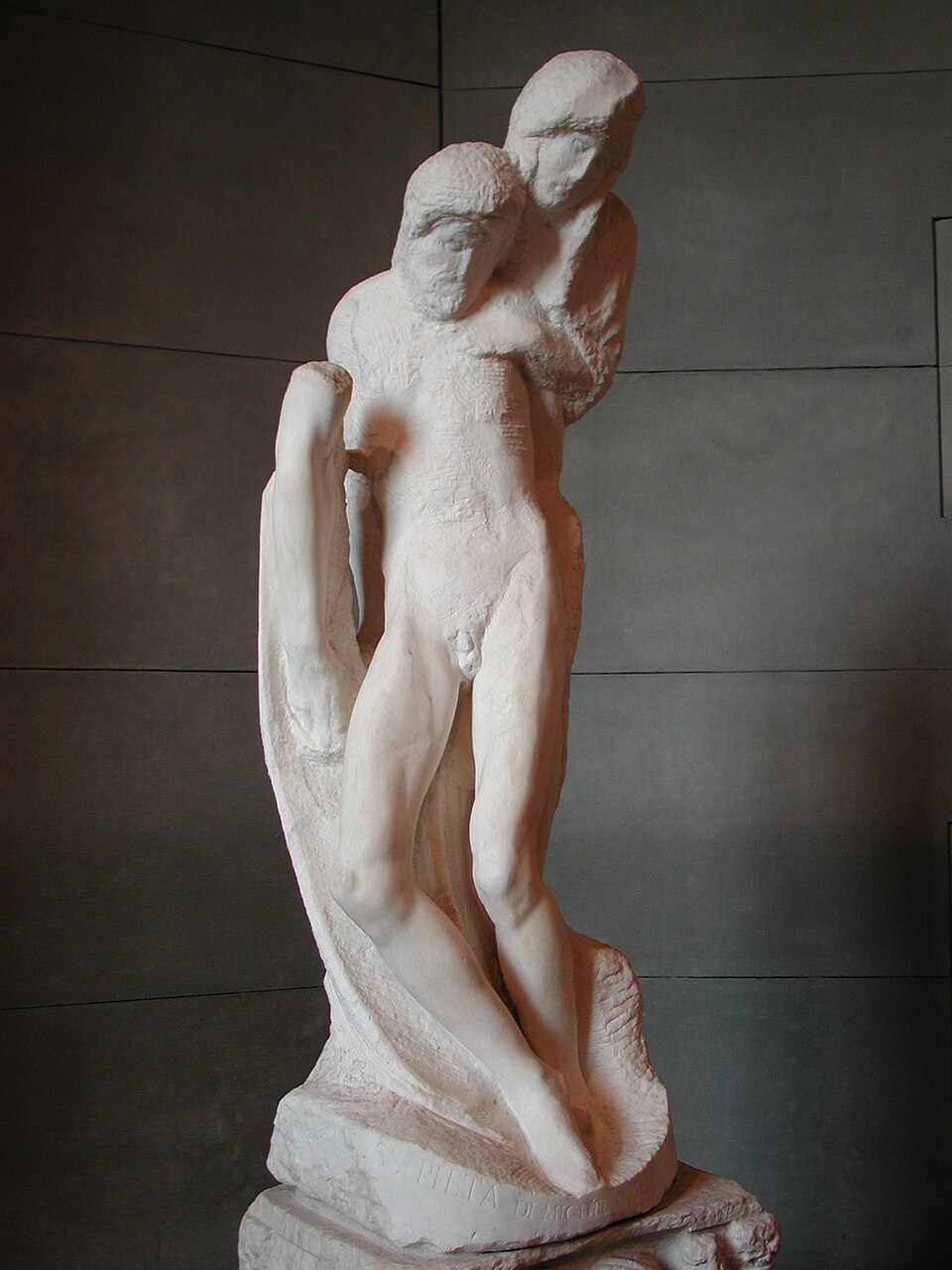
The Rondanini Pietà is a late unfinished marble sculpture by Michelangelo Buonarroti, housed in the Sforza Castle complex in Milan. The work depicts the Virgin Mary supporting the body of Christ after the Crucifixion. Named after the Palazzo Rondanini in Rome where it was once displayed, the sculpture represents Michelangelo's final exploration of the Pietà theme. The artist worked on this piece during the last years of his life, leaving it deliberately incomplete at his death in 1564. It now resides in a dedicated museum space within the castle grounds.
Checked 2026-08-26
The museum presents Michelangelo's Rondanini Pietà as its central focus, displayed in a purpose-designed environment that allows contemplative viewing. The sculpture reveals the artist's working process through its rough-hewn surfaces and partially carved forms. Visitors can observe how Michelangelo abandoned an earlier composition on the same block before reworking the stone into its current configuration. The exhibition space includes interpretive materials contextualizing the work within Michelangelo's late career and his lifelong engagement with the Pietà subject. The intimate scale of the museum creates a meditative atmosphere appropriate to the sculpture's spiritual gravity and unfinished state.
Checked 2026-08-26
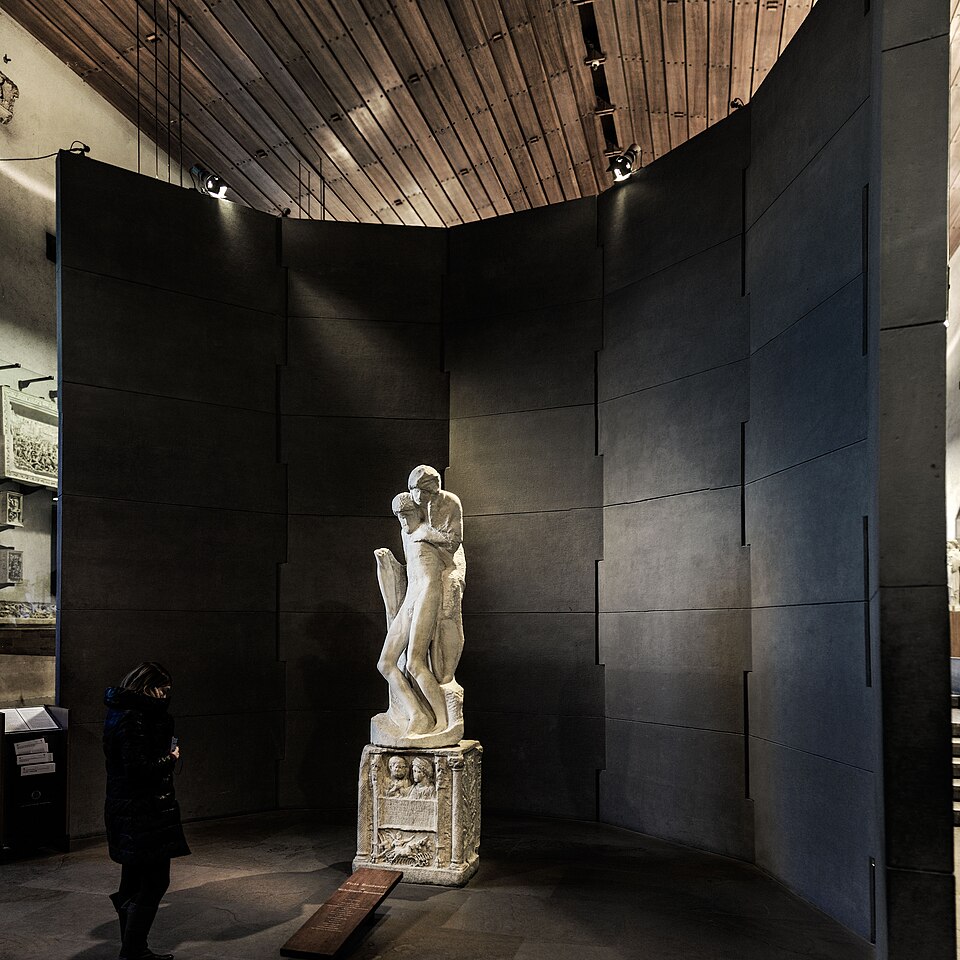
Most visitors spend approximately thirty to sixty minutes in the Museo Pietà Rondanini. The compact nature of the single-work museum means the duration depends largely on individual engagement with Michelangelo's sculpture. Those interested in detailed observation of the carving techniques and the visible traces of the artist's two distinct compositional attempts may wish to allocate additional time. The contemplative character of the space encourages unhurried viewing. Combined with other Sforza Castle museums, the Pietà Rondanini typically forms part of a longer visit to the castle complex, though it warrants dedicated attention as a standalone masterpiece.
Checked 2026-08-26

Operator-confirmed hours are Not recorded pending review. Visitors should consult official sources before planning their visit. The museum's location within the Sforza Castle complex suggests coordination with castle opening patterns may be necessary. Milan experiences substantial tourist traffic during summer months and major fashion events, potentially affecting crowd levels at popular cultural attractions. Morning visits to museum spaces often provide quieter viewing conditions. The interior exhibition environment likely offers climate-controlled conditions year-round, making seasonal weather less relevant to the visit itself than to travel between accommodations and the castle complex.
Checked 2026-08-26
Operator-confirmed prices are Not recorded pending review. The museum may operate under the Sforza Castle museum network ticketing structure, though independent admission arrangements are possible. Visitors should verify current pricing through official Milan tourism channels. Combination tickets covering multiple castle museums may represent economical options for those planning comprehensive visits. Reduced rates for eligible categories such as students, seniors, or EU citizens may apply according to standard Italian museum practices. Free admission days, if offered, would typically follow national museum policies. Advance booking requirements and online purchase options remain unconfirmed without official source verification.
Checked 2026-08-26
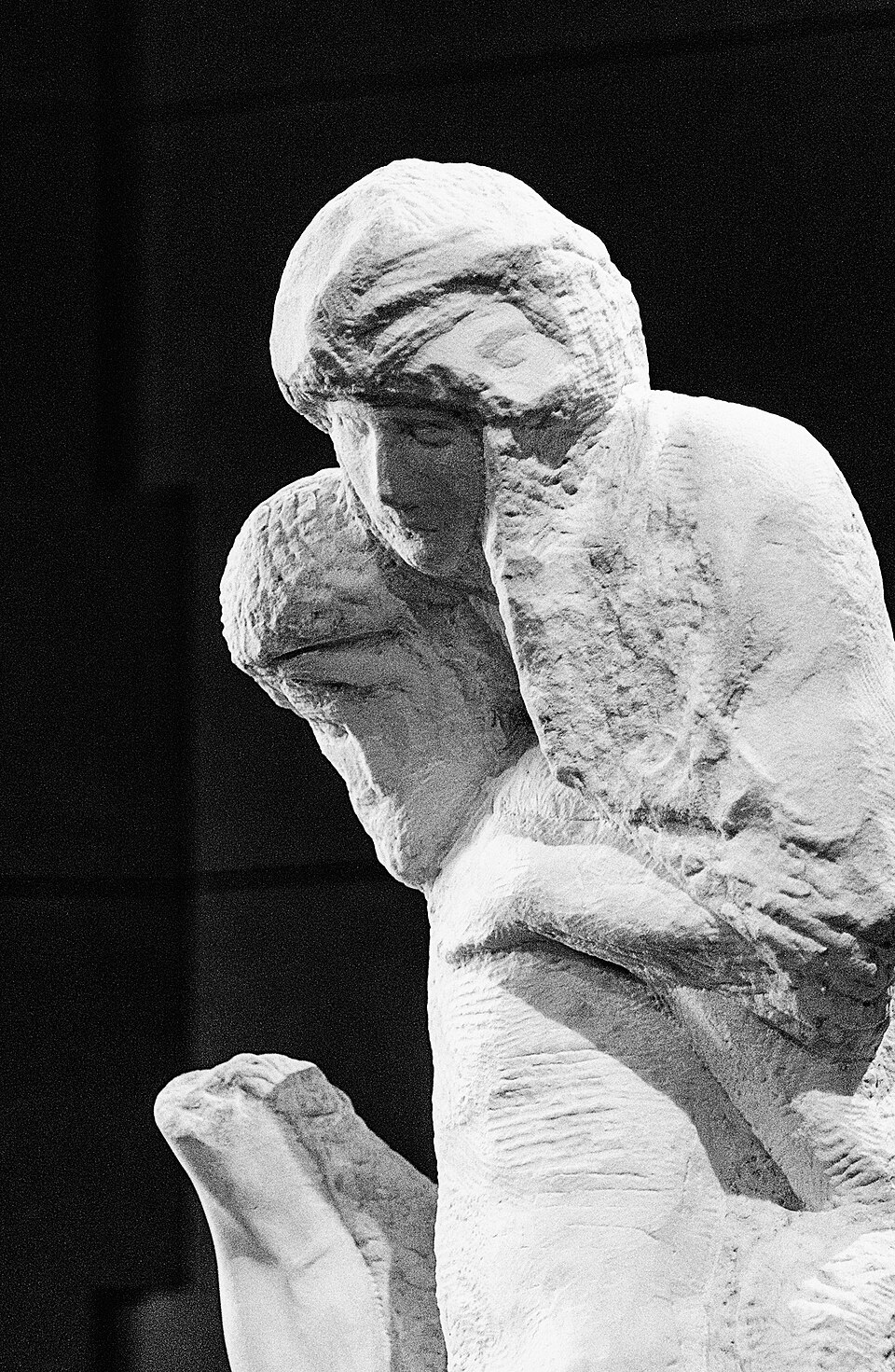
The Sforza Castle complex stands in central Milan, accessible via multiple public transportation options. The Cairoli Castello metro station on Line 1 serves the immediate vicinity. Several tram and bus routes connect to surrounding streets. Walking from Milan Cathedral through the city center takes approximately twenty minutes. The castle's prominent position makes it readily identifiable. Visitors arriving by bicycle will find Milan's bike-sharing system offers nearby stations. Those driving should investigate limited central Milan parking availability and ZTL restricted traffic zone regulations that affect private vehicle access in the historical center during specified periods.
Checked 2026-08-26
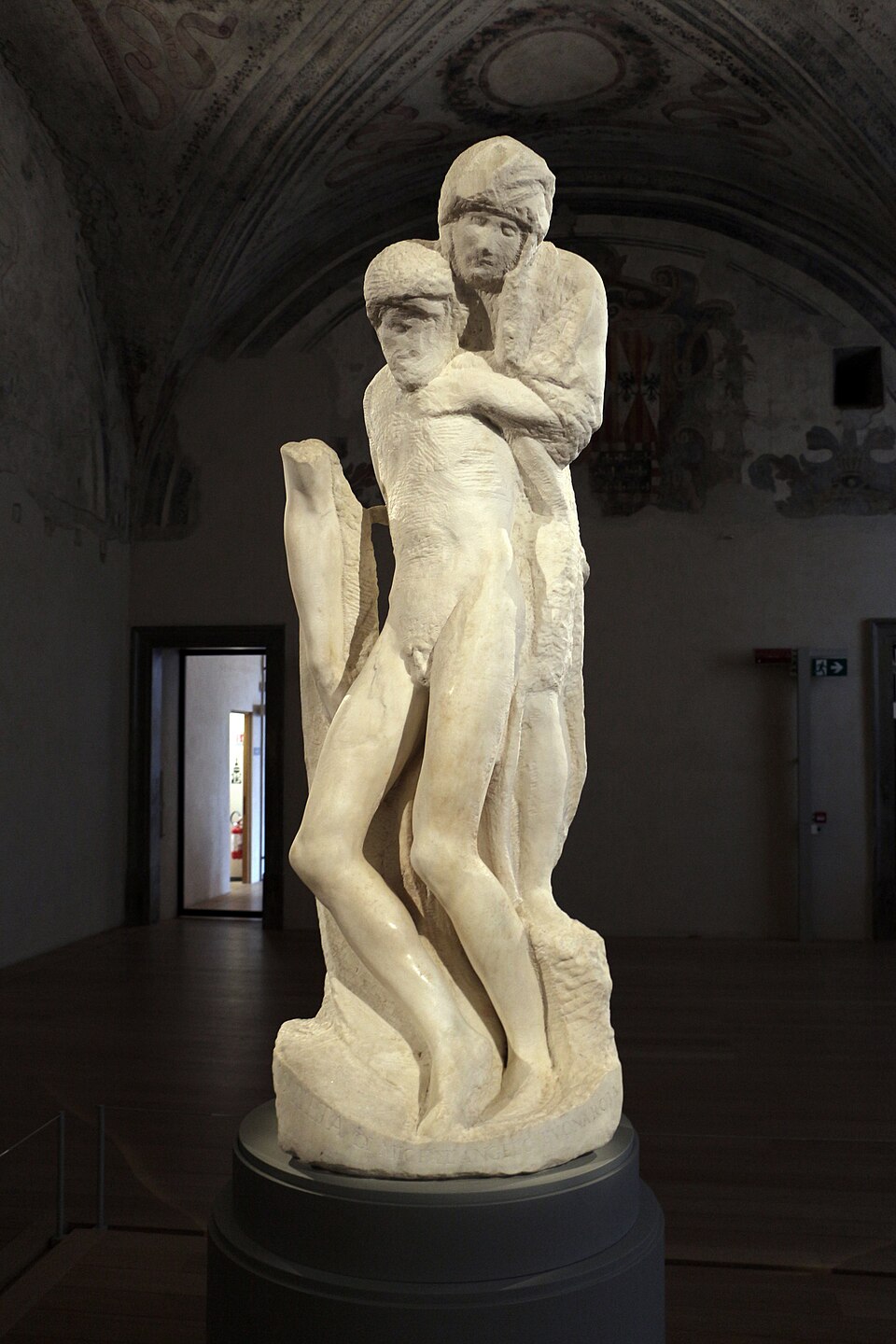
The sculpture's unfinished state requires attentive observation to appreciate Michelangelo's artistic decisions and working methods. The two distinct heads of Christ visible on the marble block document his radical revision of the composition. Visitors should maintain appropriate distance from the artwork as prescribed by museum staff and barriers. The emotional intensity of this late work, created when the artist approached eighty years of age, may affect sensitive viewers. Crowding near the sculpture can obstruct appreciation of its three-dimensional qualities. Photography policies should be confirmed on-site. The museum's subdued lighting, while protective of the marble, demands patient visual adjustment.
Checked 2026-08-26
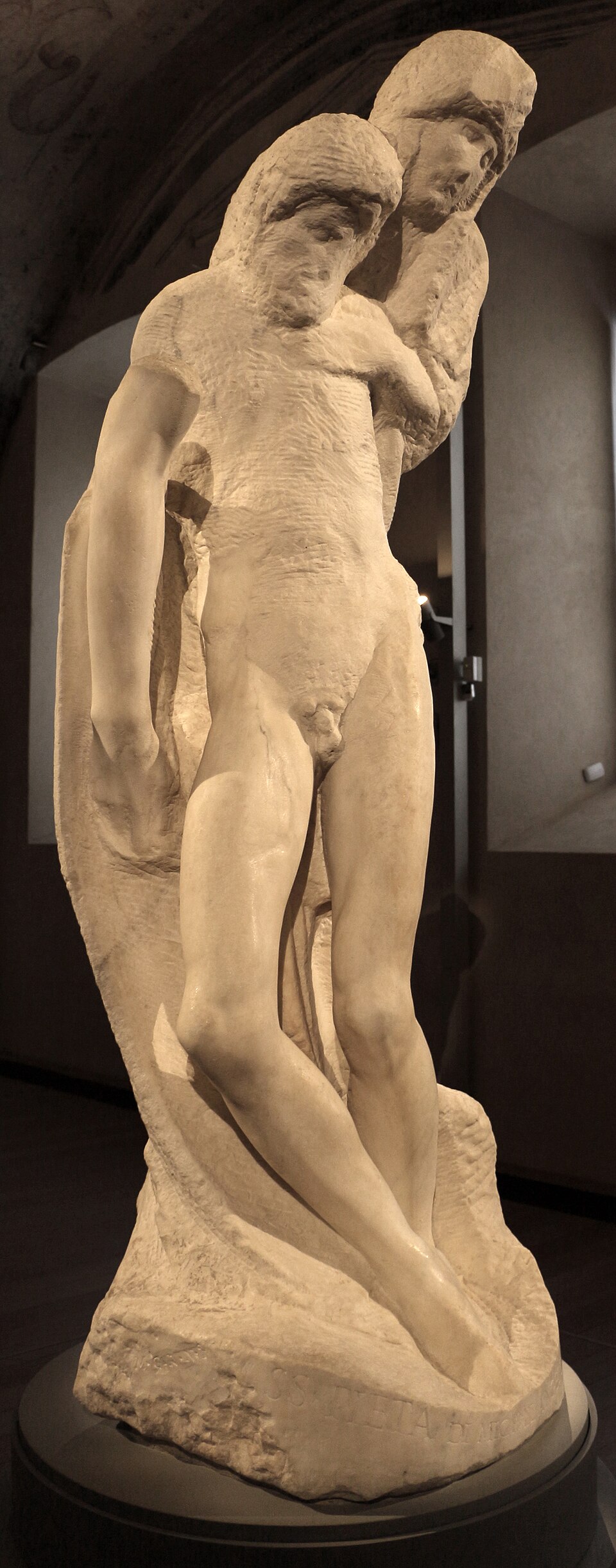
Photography policies within the Museo Pietà Rondanini are Not recorded pending review. Visitors should observe posted regulations and staff instructions upon entry. Many Italian museums permit non-flash photography for personal use while prohibiting professional equipment, tripods, and commercial reproduction. The sculpture's presentation under controlled lighting conditions may present technical challenges for casual photographers. Flash photography, if permitted elsewhere in the castle complex, would likely be restricted near this vulnerable marble surface due to conservation concerns. Respectful behavior maintaining silence and minimizing disruption to other visitors' contemplative experience remains essential regardless of specific photography permissions granted or withheld.
Checked 2026-08-26
The Rondanini Pietà is widely considered Michelangelo's final sculpture, worked on during the last years of his life until his death in 1564.
Michelangelo died while still working on the Pietà Rondanini, leaving it in the incomplete state visible today.
The Rondanini Pietà shows a more abstract, elongated treatment of the figures and reflects the artist's late stylistic evolution compared to the youthful Vatican Pietà.
Ticketing arrangements between the Pietà Rondanini museum and other castle museums are Not recorded pending review of official sources.
Specific accessibility provisions are Not recorded pending review; visitors should consult official sources regarding the historic castle building's accommodations.
The precise provenance and transfer history of the Rondanini Pietà from Rome to Milan are Not recorded pending review of authoritative historical sources.
Loading the interactive map…
The interactive map could not be loaded.
Last updated:
Source: OpenStreetMap contributors, Wikidata ·