


1 min walk
Brera Astronomical Observatory
- Must see · Heritage site
- Museum
Language · 1 published
Nature site · Milan
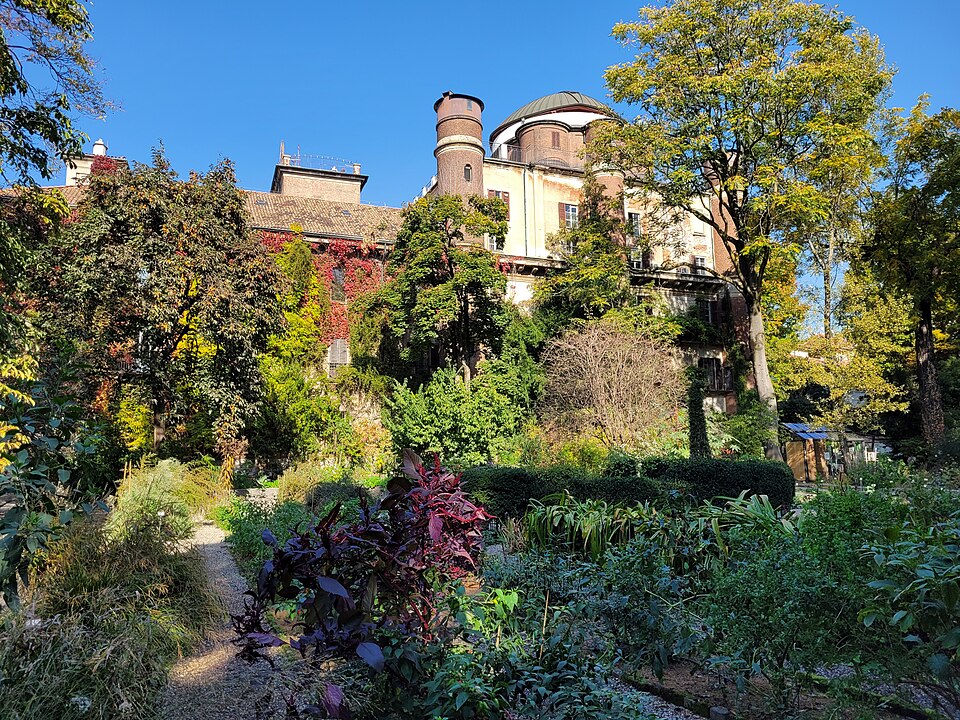
Orto Botanico di Brera is a historic botanical garden in Milan, situated within the Brera district. Established in 1774 by Maria Theresa of Austria, it serves both as a scientific research facility and a public green space. The garden occupies a compact urban plot behind the Palazzo Brera, which also houses the Pinacoteca di Brera art gallery and the Brera Academy. It represents one of Italy's oldest academic botanical gardens, originally created for the cultivation of medicinal plants to support pharmaceutical education. Today it maintains its educational mission while offering visitors a tranquil retreat from the dense urban environment of central Milan.
Checked 2026-08-26
The garden contains organized plant collections arranged in geometric beds and along pathways, reflecting its historical design. Visitors encounter mature trees, shrubs, herbaceous plants, and seasonal floral displays. Greenhouse structures shelter tropical and subtropical specimens requiring controlled conditions. The garden's layout preserves elements of its Enlightenment-era planning, with labeled specimens supporting its didactic purpose. Water features and architectural elements contribute to the atmosphere. The collection emphasizes biodiversity relevant to botanical study rather than purely ornamental gardening. Specific species inventories and current collection highlights are Not recorded pending review, though the garden's reputation suggests sustained curatorial attention to both native and exotic plant groups.
Checked 2026-08-26
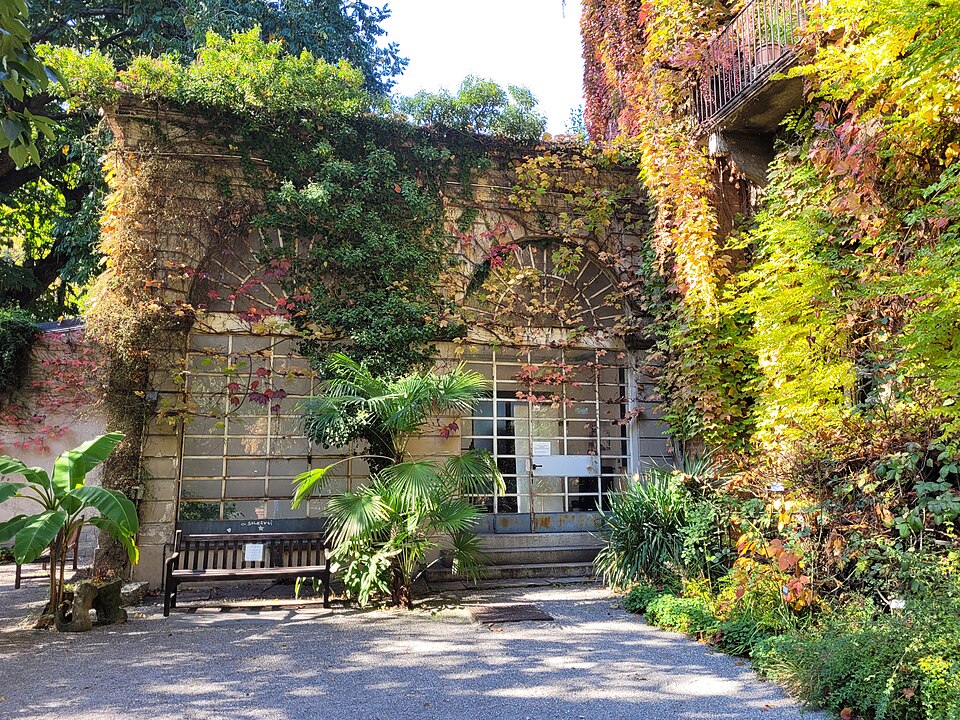
A typical visit to Orto Botanico di Brera requires approximately thirty to sixty minutes, depending on individual interest in botanical detail. The garden's compact dimensions allow thorough exploration without extensive walking. Visitors combining this site with the adjacent Pinacoteca di Brera should allocate substantially more time for the full cultural circuit of the area. Photography enthusiasts, botanically curious guests, or those seeking quiet contemplation may extend their stay. The space functions effectively as a brief restorative pause during intensive urban sightseeing. No guided tour duration or structured visit programs are documented in available sources, suggesting self-directed pacing as the standard visitor experience.
Checked 2026-08-26
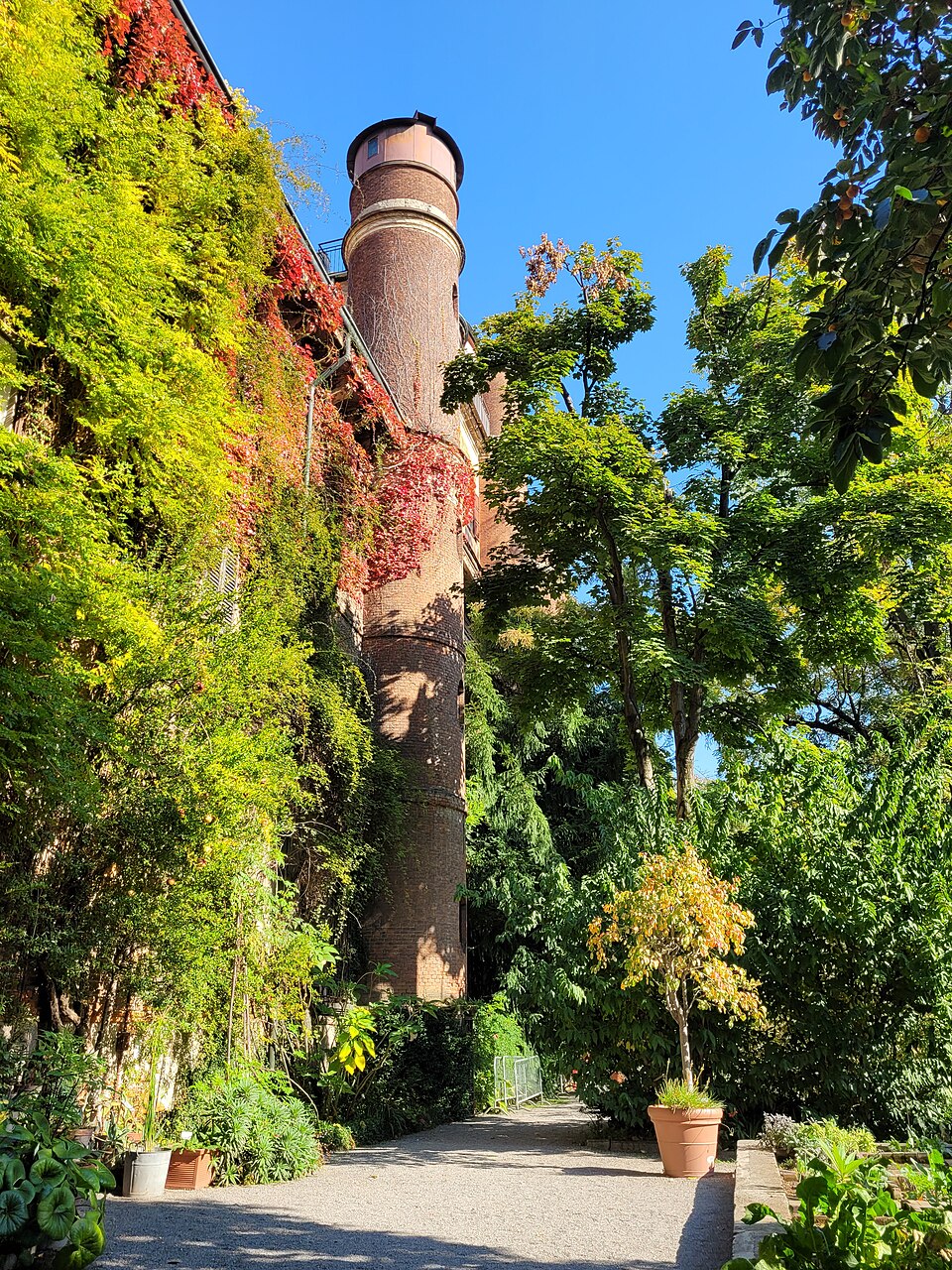
Operator-confirmed hours are Not recorded pending review. Visitors should consult official sources before planning arrival. Seasonal considerations affect the garden experience: spring and early summer typically offer peak botanical interest with flowering displays and active growth. Autumn provides changing foliage colors. Winter visits reveal structural garden elements but reduced plant vitality. Milan's climate brings hot, humid summers that may affect comfort in the exposed garden space. Morning visits potentially offer cooler temperatures and softer light for observation. Rainfall may limit enjoyment of this outdoor attraction. The garden's urban location means it remains accessible regardless of seasonal tourism patterns affecting more remote destinations.
Checked 2026-08-26
Operator-confirmed prices are Not recorded pending review. The garden's historical status as an academic institution with public access suggests possible free entry or nominal fees, though this requires verification. Visitors should not assume accessibility without current confirmation. Combined ticketing with the Pinacoteca di Brera may or may not exist; available sources do not clarify this relationship. Any concessions, group rates, or membership programs remain undocumented. Payment methods accepted at entry are unknown. Budget-conscious travelers should prepare for variable scenarios and verify financial requirements through official channels before visiting, particularly given the site's location in a high-tourism district where adjacent attractions command significant admission fees.
Checked 2026-08-26
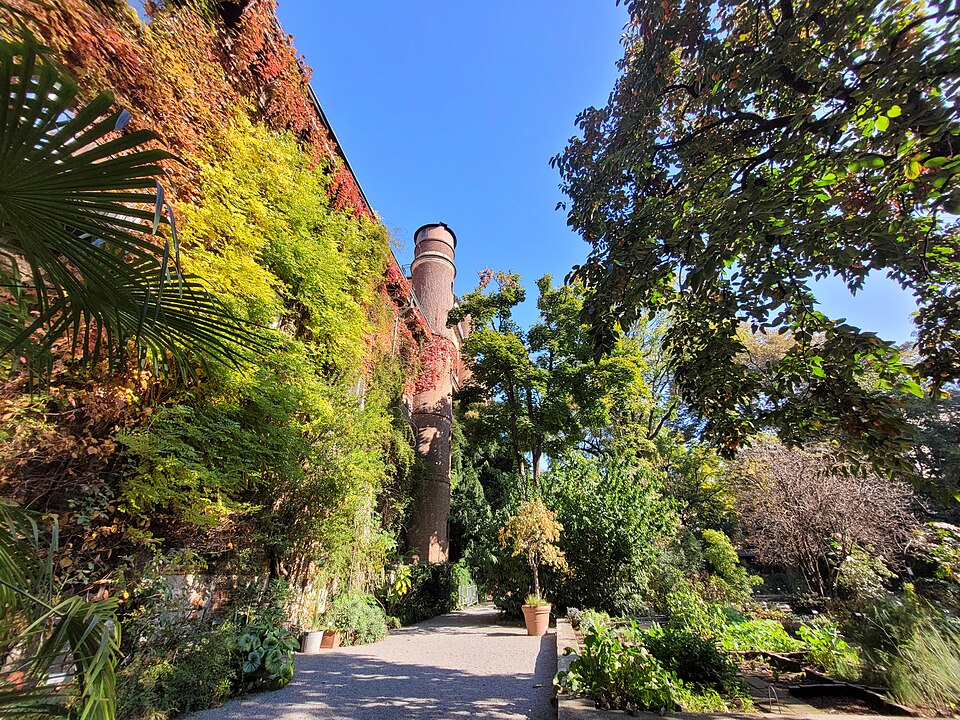
Orto Botanico di Brera occupies central Milan within the Brera district, accessible via the city's public transportation network. The nearest metro station is likely Lanza on Line 2, though precise optimal routing requires local verification. Multiple tram and bus lines serve the surrounding area. Walking from Duomo or other central landmarks is feasible for able visitors, with the garden positioned within Milan's historic core. The address places it in a dense pedestrian zone with limited vehicle access. Cyclists may find nearby bike-sharing stations. Specific wayfinding from transit stops to the garden entrance is not documented; visitors should allow time for navigation through characteristic narrow Milanese streets.
Checked 2026-08-26
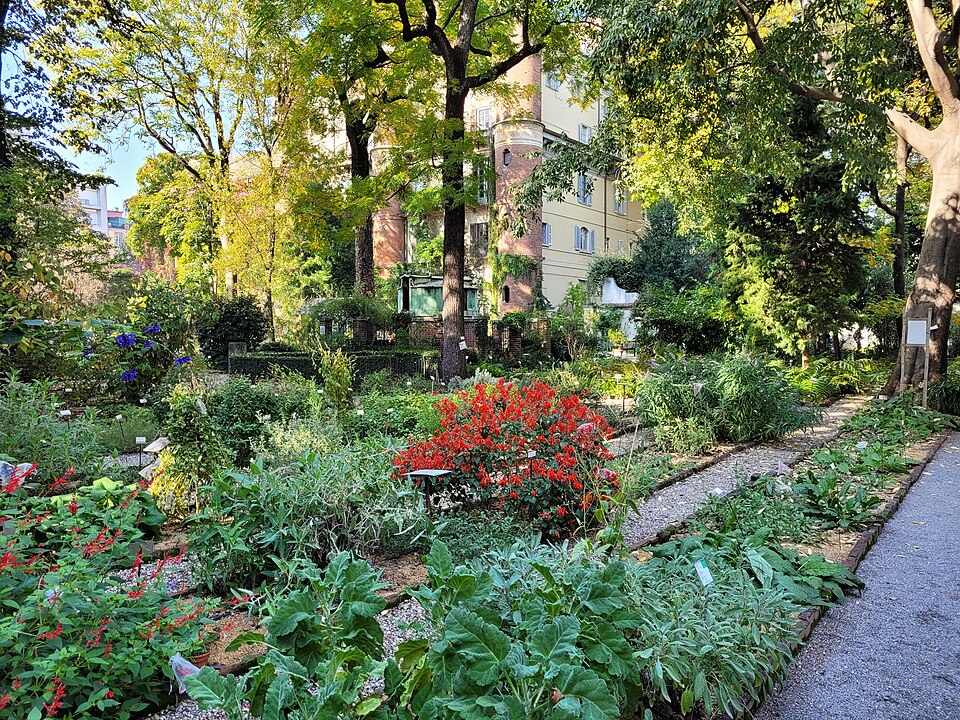
The garden's compact size may create congestion during peak visiting periods. Pathways appear narrow in historical configurations, potentially challenging for mobility-impaired visitors or stroller navigation. Greenhouse interiors may present temperature and humidity extremes compared to external conditions. Plant collections require respectful behavior; touching specimens or entering restricted cultivation areas likely violates protocols. The surrounding Brera district features cobblestone surfaces and irregular paving that demand appropriate footwear. Adjacent cultural institutions may generate spillover visitor pressure. Security and bag policies are undocumented. Weather exposure is total within the garden space; no shelter provisions are described. Visitors should carry water during warm periods and sun protection during summer months.
Checked 2026-08-26
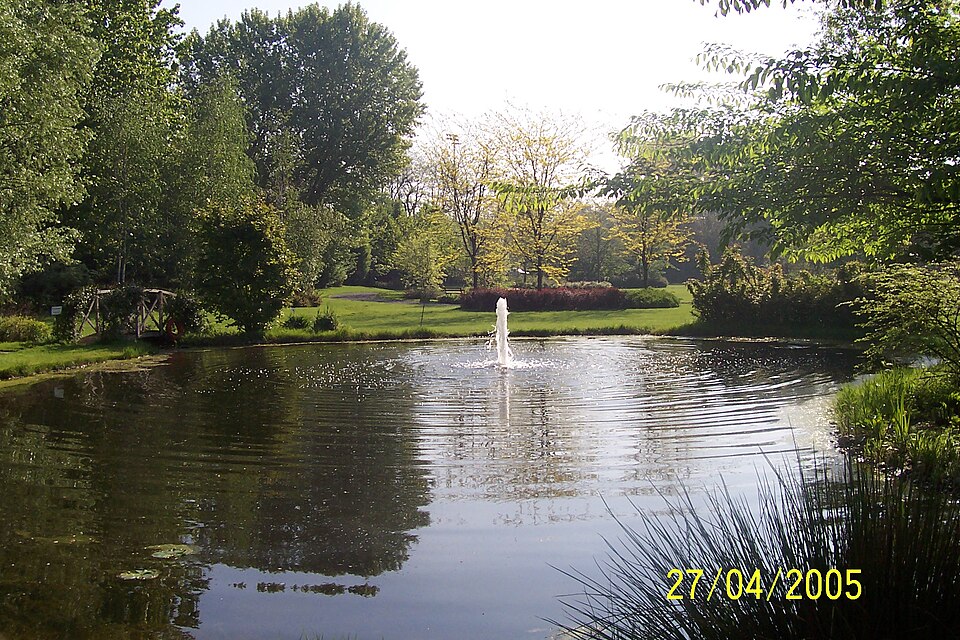
The garden offers photographic subjects including architectural plant arrangements, historical structures, greenhouse interiors, and seasonal botanical displays. Natural light conditions vary significantly by time of day and season, with surrounding buildings potentially casting shadows during certain hours. Macro photography opportunities exist for detailed plant study. The juxtaposition of cultivated nature against urban architecture provides contextual interest. Tripod usage policies are Not recorded pending review; visitors should verify equipment restrictions. Commercial or professional photography may require advance permission. Morning and late afternoon potentially provide optimal illumination. The enclosed setting limits expansive landscape compositions but rewards intimate framing. Visitor density affects unobstructed shooting opportunities, suggesting early arrival for photography-priority visits.
Checked 2026-08-26
Operator-confirmed prices are Not recorded pending review. Visitors should verify current admission policies through official sources before visiting.
Operator-confirmed hours are Not recorded pending review. Visitors must consult official channels for current schedule information.
The garden is in central Milan near Lanza metro station on Line 2. Multiple surface transit lines serve the surrounding Brera district.
These institutions share the Palazzo Brera complex. Combined visit logistics and ticketing relationships are Not recorded pending review.
Historical garden pathways and greenhouse structures may present accessibility challenges. Specific accommodations are Not recorded pending review.
Spring and early summer typically offer peak botanical display in Milan's climate. Specific blooming schedules are Not recorded pending review.
Loading the interactive map…
The interactive map could not be loaded.
Last updated:
Source: OpenStreetMap contributors, Wikidata ·