
_-_n._5992_-_Milano_-_Palazzo_Belgiojoso;_costruito_nel_1777_con_disegno_di_Piermarini.jpg)


1 min walk
House Manzoni
- Must see · Heritage site
- Museum
Language · 1 published
Historic monument · Milan
Palazzo Belgioioso
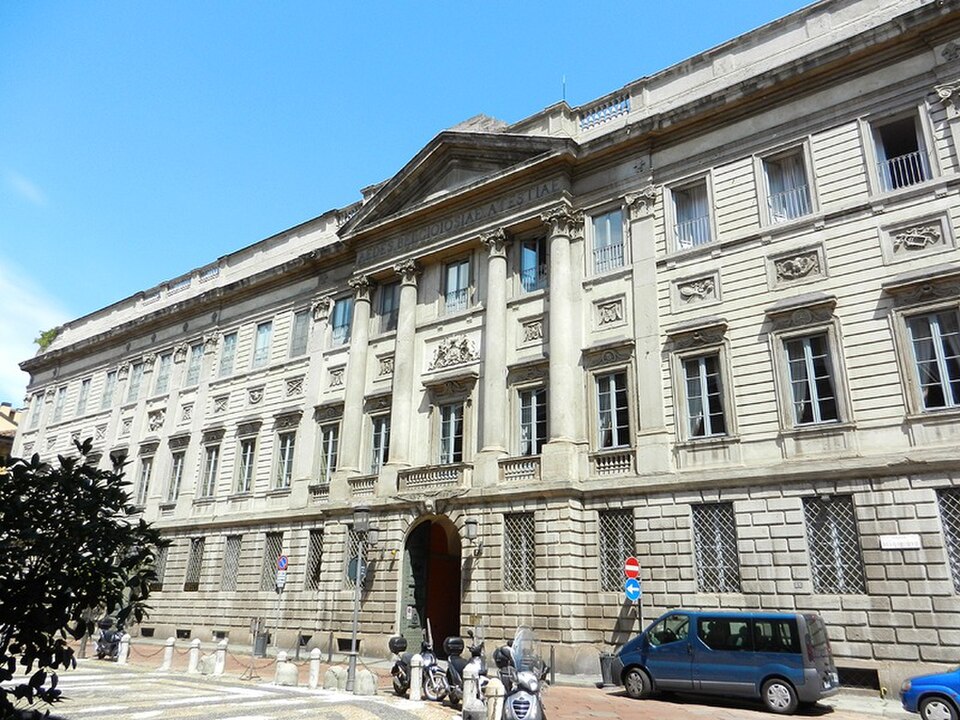
Palazzo Belgioioso stands as a distinguished neoclassical palace in central Milan, constructed in the late eighteenth century to designs by Giuseppe Piermarini. The building exemplifies the refined architectural transition from Baroque grandeur to Enlightenment restraint. Its elegant façade and symmetrical proportions reflect the cultural ambitions of the Belgioioso family, prominent aristocrats of the Austrian Lombardy period. Today the palace accommodates institutional and cultural functions rather than operating as a conventional museum, which shapes visitor expectations regarding interior access. The structure remains an important monument of Milan's urban heritage, positioned near other significant historical landmarks in the city's core.
Checked 2026-08-26
Interior access to Palazzo Belgioioso depends substantially upon current institutional usage and scheduled cultural programming. The palace historically contained richly appointed reception halls, private apartments, and spaces designed for aristocratic sociability. Visitors should anticipate that permanent public exhibition rooms may be limited or non-existent. Any decorative schemes, fresco cycles, or stucco work surviving from original or subsequent renovations would constitute significant artistic interest, though specific attribution and extent are not recorded. The building's value lies partly in its architectural envelope and historical associations rather than guaranteed display collections. Prospective visitors must verify whether any interior spaces maintain regular opening provisions.
Checked 2026-08-26

A complete visit duration cannot be standardised without confirmed access arrangements. Exterior appreciation requires minimal time, perhaps fifteen to twenty minutes for architectural observation and photographic documentation. Should interior spaces become available through special events, guided tours, or institutional open days, duration would extend proportionally. Visitors should not allocate substantial itinerary time without prior confirmation of accessible programming. The palace functions primarily as an administrative and cultural venue rather than a destination designed for extended public visitation. Integration into broader Milan walking itineraries represents the most practical approach, permitting flexible time allocation based upon actual access encountered.
Checked 2026-08-26
Operator-confirmed hours are Not recorded pending review. Palazzo Belgioioso does not maintain published regular opening schedules comparable to municipal museums or state monuments. Access opportunities arise intermittently through cultural initiatives, institutional open days, or special exhibitions rather than predictable daily admission. Seasonal patterns for such programming are not established in available sources. Visitors must consult current listings from Milan tourism authorities or cultural event aggregators to identify possible access windows. The absence of standardised hours reflects the building's primary function as working institutional premises rather than dedicated visitor attraction. Advance verification remains essential before any planned visit.
Checked 2026-08-26

Operator-confirmed prices are Not recorded pending review. Standard admission pricing structures do not apply to Palazzo Belgioioso given its non-museum operational status. Occasional access opportunities through cultural events may involve ticket purchases, though pricing would be event-specific rather than institution-standard. Free admission might equally characterise certain open-day initiatives or institutional receptions. No concession categories, family rates, or combined ticketing with nearby attractions are documented. Visitors encountering access opportunities should expect variable arrangements. Financial planning should prioritise confirmed payable events rather than assuming standard museum admission economics. Budget-conscious travellers should note that exterior appreciation incurs no cost.
Checked 2026-08-26
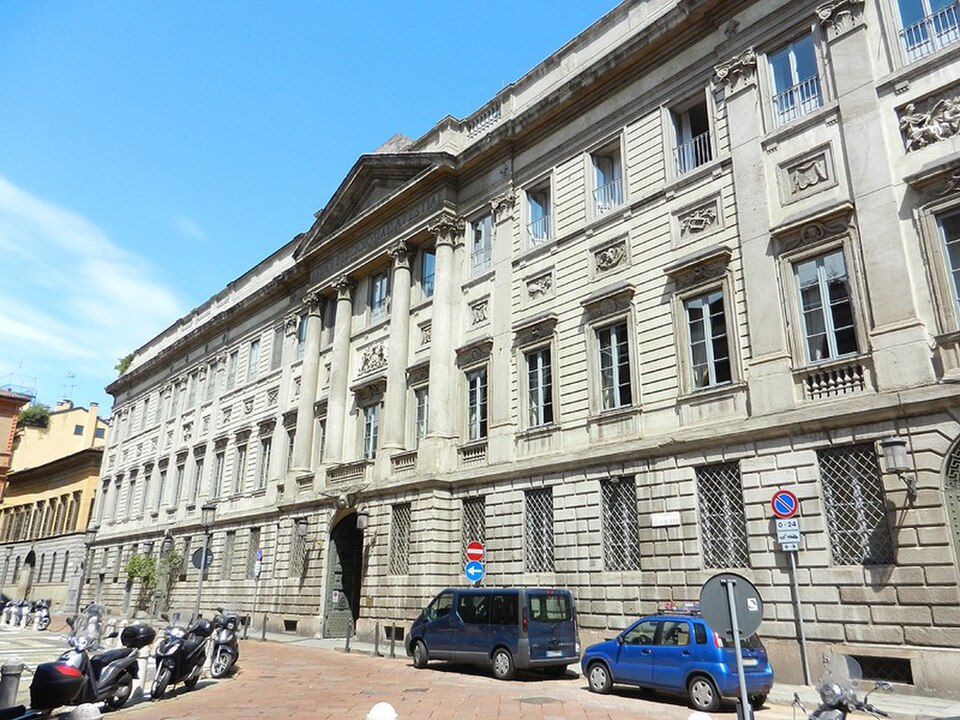
Palazzo Belgioioso occupies a central Milan location accessible through the city's integrated public transport network. The immediate vicinity connects to metro stations serving multiple lines, with additional surface transport options including tram and bus services. Walking from the Duomo cathedral area or other central landmarks represents a feasible approach given compact historic core dimensions. Cyclists may utilise Milan's bike-sharing infrastructure, though dedicated parking at the palace itself is unlikely. Private vehicle access is discouraged by central Milan congestion regulations and limited parking availability. Visitors should consult current transport authority information for route optimisation, noting that pedestrian navigation through historic street patterns requires attention.
Checked 2026-08-26
Visitors must respect that Palazzo Belgioioso functions as active institutional premises rather than unrestricted public space. Attempting unscheduled interior access would constitute trespass. Exterior observation should avoid obstructing entrances, delivery operations, or official functions. Security presence may be more pronounced than at conventional tourist sites. Photography of individuals entering or exiting requires discretion given potential official or diplomatic usage. Nearby pedestrian traffic flows heavily during business hours, demanding awareness of surroundings. Weather protection is limited during exterior appreciation. The building's administrative function means that apparent accessibility on one occasion establishes no precedent for subsequent visits. Flexibility and contingency planning remain essential.
Checked 2026-08-26
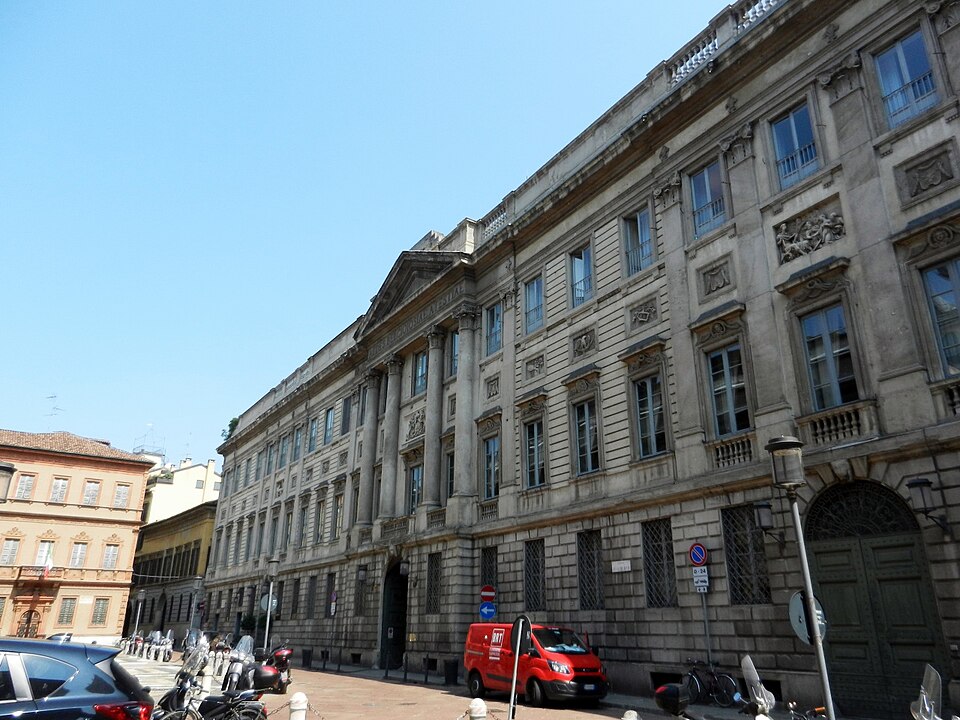
Exterior photography of Palazzo Belgioioso's distinguished neoclassical façade is generally permissible from public thoroughfares, subject to normal respect for pedestrian circulation and security sensitivities. The architectural proportions and decorative details reward careful composition, particularly under favourable daylight conditions. Interior photography restrictions are not specified but should be assumed prohibitive without explicit permission. Tripod usage in public spaces may attract official attention. Drone operation would require compliance with Italian aviation regulations and urban restriction zones. The palace's institutional function suggests that photography of personnel, vehicles, or operational activities should be avoided. Night photography possibilities depend upon exterior illumination, which is not documented.
Checked 2026-08-26
No. The palace operates primarily as institutional premises without regular daily public opening hours. Access occurs intermittently through special events or open days.
Not recorded pending review. Standard ticketed admission does not apply. Event-specific access, when available, would require advance verification of booking procedures.
Not recorded. The building functions as institutional and cultural premises rather than a conventional museum with permanent public displays.
It represents aristocratic rather than royal patronage, with more restricted access than state-operated monuments. Architectural significance is comparable, though visitor amenities are fewer.
Not recorded pending review. Any guided access would depend upon specific event programming rather than regular scheduled provision.
Yes, for visitors interested in Milanese neoclassical architecture. The Piermarini façade holds distinct historical importance, though expectations should match limited engagement possibilities.
Loading the interactive map…
The interactive map could not be loaded.
Last updated:
Source: OpenStreetMap contributors, Wikidata ·