


1 min walk
Ponte Vecchio
- Must see
- Historic monument
Language · 1 published
Museum · Florence
Corridoio Vasariano

The Vasari Corridor is an elevated enclosed passageway in Florence, Italy. Giorgio Vasari designed it in 1565 for Cosimo I de' Medici. It connects the Palazzo Vecchio to the Palazzo Pitti, passing above the Ponte Vecchio and along the Arno River. The corridor allowed the Medici family to move safely between their residence and government seat. It spans approximately one kilometer through the city center. The structure represents Renaissance urban planning and Medici power. It has served various functions over centuries, including its use as a gallery space. The corridor remains a significant architectural monument of Florentine heritage.
Checked 2026-08-26
The corridor contains a notable collection of self-portraits, primarily from the seventeenth century onward. Artists from multiple countries contributed works to this unique assembly. The collection grew substantially through acquisitions and donations over centuries. Additional paintings and decorative elements line the passageway walls. The interior offers distinctive views of Florence through its windows, including perspectives of the Arno River and surrounding rooftops. The architectural features include vaulted ceilings and consistent design elements throughout its length. The corridor's interior reflects its evolution from private ducal walkway to public exhibition space. Specific current exhibition contents are Not recorded.
Checked 2026-08-26
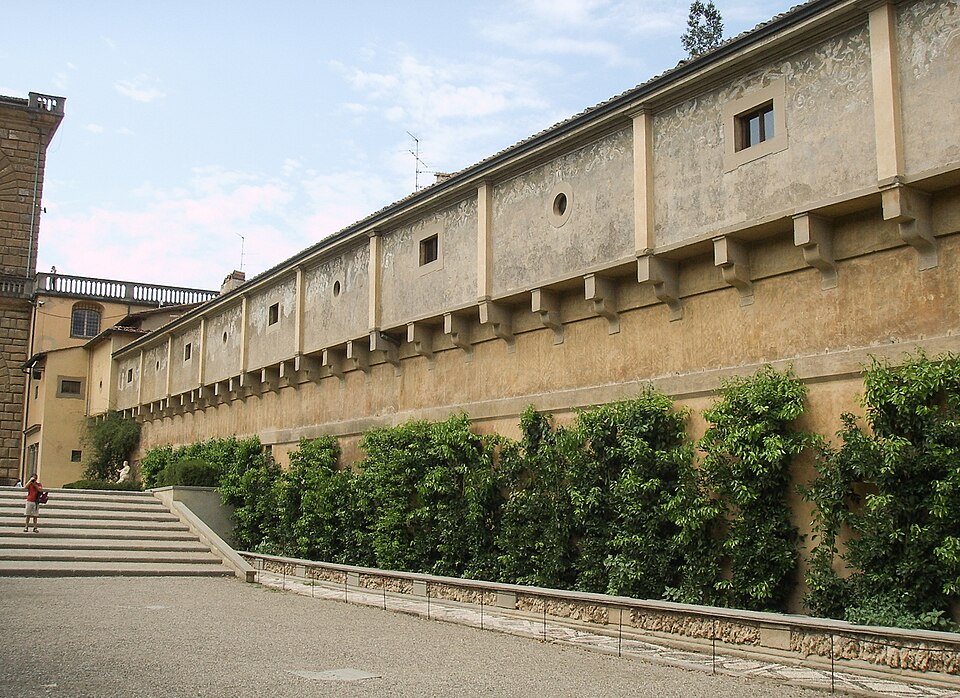
A complete walk through the Vasari Corridor typically requires approximately fifteen to twenty minutes at a steady pace without extended stops. Visitors wishing to examine the self-portrait collection and enjoy the views should allocate additional time. The full experience may extend to thirty or forty minutes depending on individual interest. Group tours often move at a guided pace that affects total duration. The corridor's length and the density of artworks influence visiting time. Accessibility considerations may also affect individual passage duration. Visitors should plan accordingly and verify current access conditions before arrival, as operational circumstances can vary.
Checked 2026-08-26
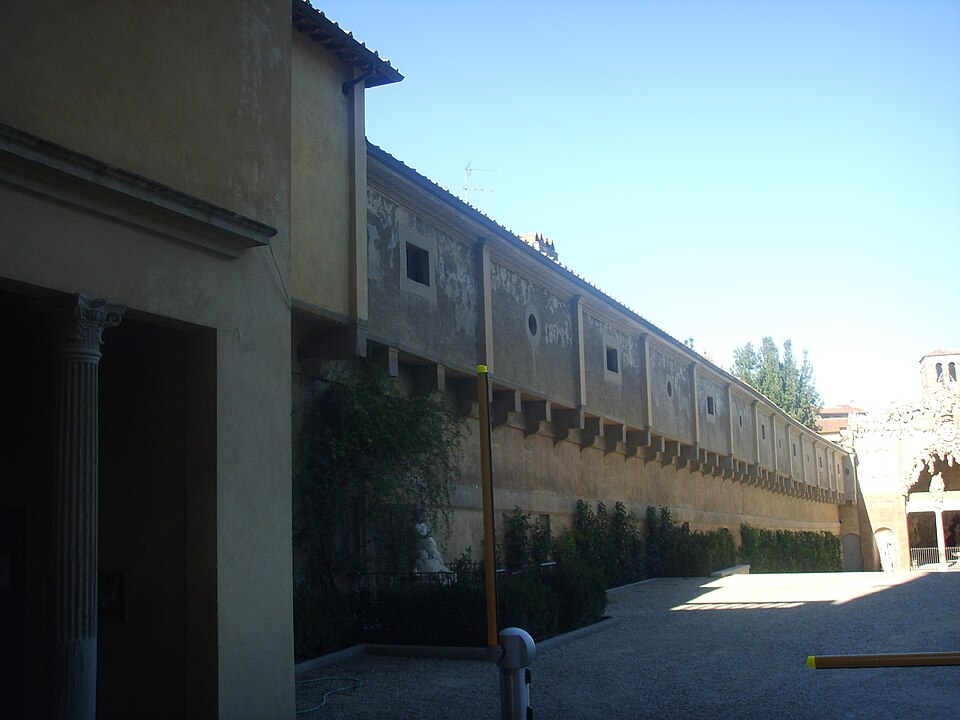
The Vasari Corridor operates under specific access conditions that have varied historically. It has experienced extended closures for renovation and security improvements in recent periods. Operator-confirmed hours are Not recorded pending review. Visitors must consult official sources for current availability before planning their trip. Seasonal tourism patterns affect Florence generally, with peak visitation occurring during summer months and major holidays. Morning visits may offer more tranquil conditions when access is permitted. Weather conditions do not significantly affect the interior experience due to its enclosed structure. Advance verification of operational status is essential given the corridor's history of intermittent accessibility.
Checked 2026-08-26
Access to the Vasari Corridor requires specific admission arrangements separate from standard museum entry. Historical ticketing structures have included combined passes with affiliated institutions. Operator-confirmed prices are Not recorded pending review. Reservations have typically been required due to controlled capacity and the corridor's narrow dimensions. Some access methods have involved guided tour mandates rather than independent visitation. Visitors should consult official channels for current pricing, reservation procedures, and any package inclusions. Documentation requirements and cancellation policies vary by booking method. Advance purchase is strongly recommended given limited availability. Verification through authoritative sources is necessary before financial commitment.
Checked 2026-08-26

The Vasari Corridor traverses central Florence between two major landmarks. The Palazzo Vecchio entrance lies in the Piazza della Signoria, accessible by foot from numerous central locations. The Palazzo Pitti terminus sits in the Oltrarno district across the Arno River. Florence's compact historic center permits pedestrian access from most accommodations. The Santa Maria Novella railway station provides regional and national rail connections at moderate walking distance. Public buses serve surrounding areas though the center is largely pedestrianized. Cycling and taxi services operate in permitted zones. Specific entry points for corridor visits depend on operational arrangements and should be confirmed beforehand.
Checked 2026-08-26
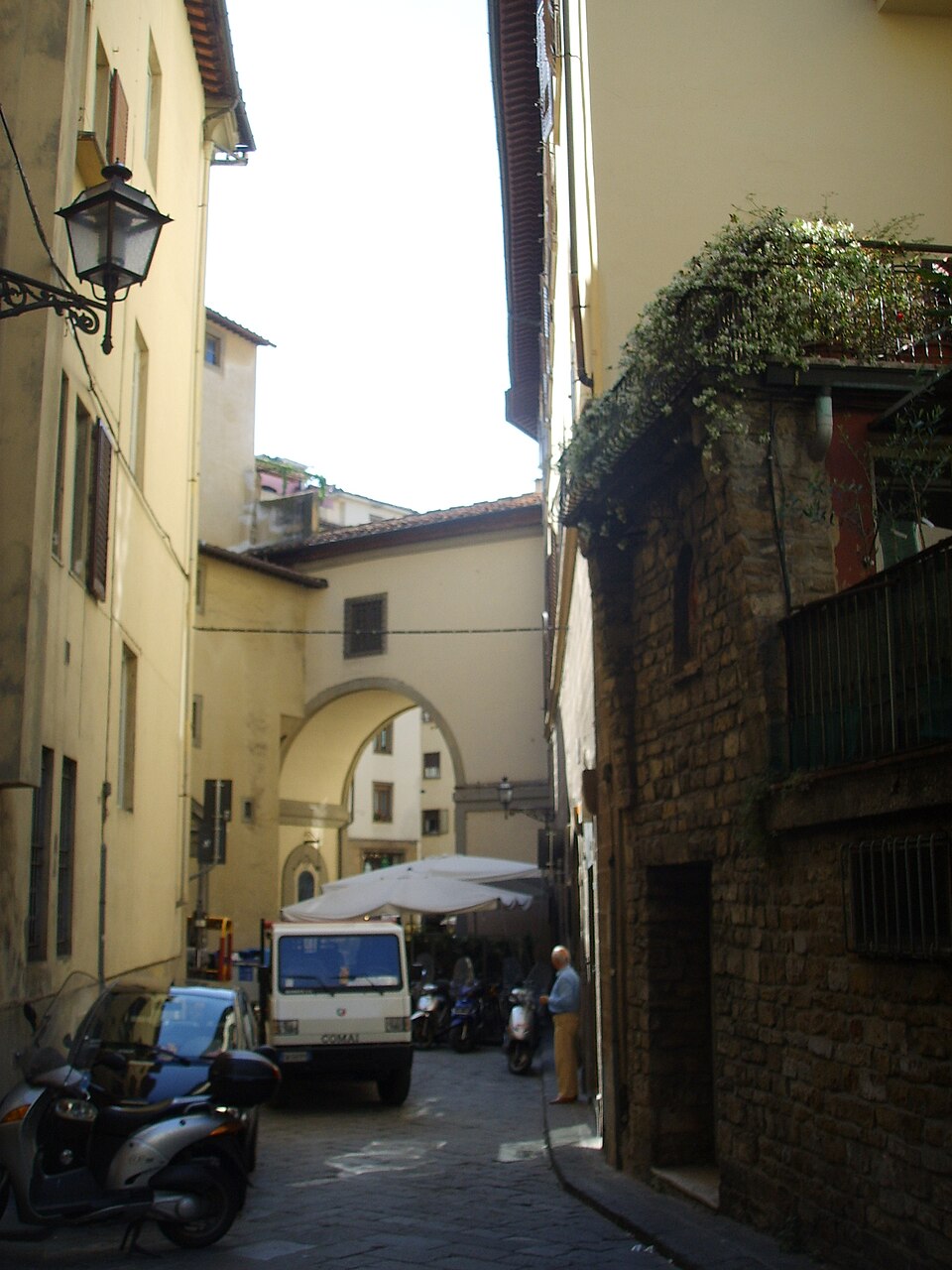
The corridor's narrow width and linear configuration create specific visitor flow constraints. Crowding can occur at observation points, particularly those overlooking the Ponte Vecchio. Security protocols including bag checks may apply at entry points. The enclosed environment lacks climate variation; visitors should dress in comfortable layers. Footing surfaces are generally even but extended standing is required. Photography restrictions have historically applied and current policies should be verified. Children require supervision due to the structure's height above street level and window openings. Emergency exit points are limited by the corridor's design. Accessibility for mobility-impaired visitors may be restricted; verification is essential.
Checked 2026-08-26

Photography policies within the Vasari Corridor have historically been restrictive. Flash photography is typically prohibited to protect sensitive artworks. Tripods and professional equipment generally require special authorization. The corridor's windows offer unique photographic opportunities of Florence's urban fabric, though glass reflections and lighting conditions present technical challenges. The self-portrait collection may be subject to copyright and reproduction restrictions beyond standard museum policies. Current specific regulations are Not recorded pending review. Visitors should observe posted guidelines and staff instructions. Commercial photography and filming require explicit permission from administering authorities. Respect for fellow visitors in the narrow space is essential when capturing images.
Checked 2026-08-26
The corridor has experienced extended closures for renovation. Current operational status must be verified through official sources before planning a visit.
Historical access arrangements have varied. Current policies regarding independent versus guided visitation are Not recorded pending review from official sources.
Advance reservations have typically been required. Specific current booking methods and availability must be confirmed through official channels.
The corridor connects the Palazzo Vecchio to the Palazzo Pitti, passing adjacent to the Uffizi. Direct internal connections and access policies are Not recorded pending review.
Facilities within the corridor itself are Not recorded. Visitors should plan accordingly given the structure's narrow, linear configuration.
The corridor's historic design presents accessibility challenges. Specific current accommodations for mobility-impaired visitors must be verified directly with operators before visiting.
Loading the interactive map…
The interactive map could not be loaded.
Last updated:
Source: OpenStreetMap contributors, Wikidata ·