
.jpg)

1 min walk
Pazzi Chapel
- High
- Museum
Language · 1 published
Museum · Florence
Museo dell' Opera di Santa Croce
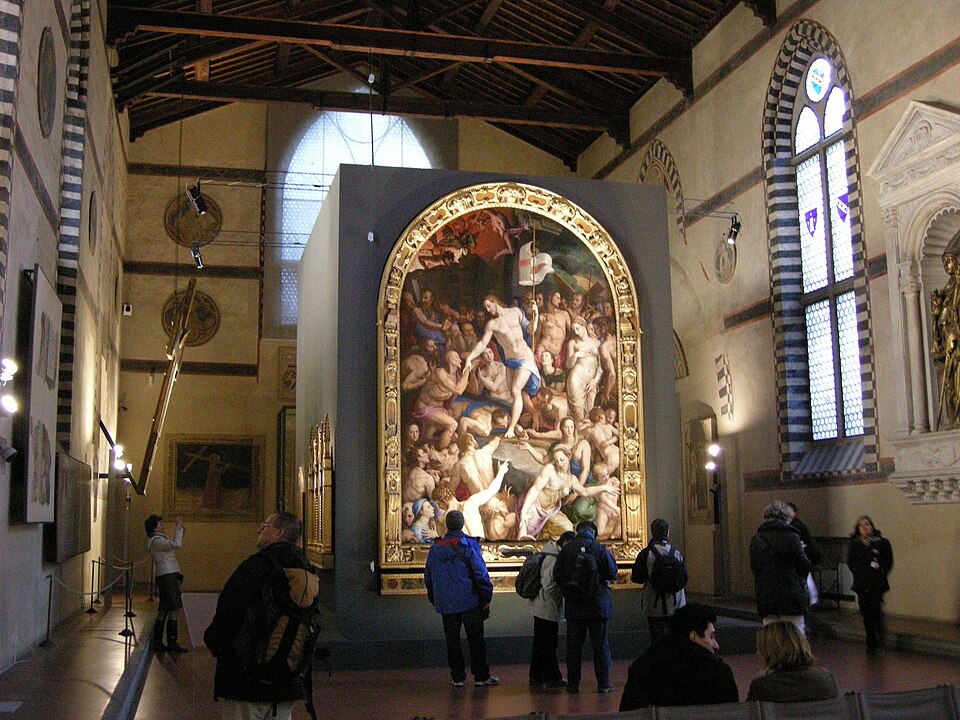
The Museo dell'Opera di Santa Croce is a museum complex integrated with the Basilica of Santa Croce in Florence. It occupies former monastic spaces including the refectory and other areas adjacent to the famous Franciscan church. The institution preserves and displays artworks originally created for the basilica, many removed for conservation purposes. Santa Croce itself is one of Florence's most significant religious buildings, serving as burial place for illustrious Italians including Michelangelo, Galileo, and Machiavelli. The museum extends visitor understanding of the church's artistic heritage beyond what remains in situ.
Checked 2026-08-26
The museum's collections include significant works of Renaissance and Gothic art originally destined for Santa Croce. Notable holdings feature fresco fragments, sculptures, and decorative objects. The refectory contains Andrea Orcagna's monumental Tree of Life, a major fourteenth-century fresco. Other works include pieces by Taddeo Gaddi and other Florentine masters. The spaces also display architectural fragments, liturgical objects, and items illustrating the history of the Franciscan complex. The collection demonstrates the evolution of Florentine art across centuries and provides context for understanding the basilica's original decorative program before later modifications and damage.
Checked 2026-08-26
Visitors typically allocate approximately one to two hours for the museum portion of a Santa Croce visit. This duration allows adequate engagement with the displayed collections without excessive haste. Many visitors combine the museum with exploration of the basilica itself, the cloisters, and the Pazzi Chapel, extending total site time substantially. The museum's compact scale relative to major Florentine institutions permits focused examination. Individual pacing varies considerably based on art historical interest and whether audio guides or detailed reading accompany the visit. Those with particular devotion to Trecento painting may wish additional time.
Checked 2026-08-26

Operator-confirmed hours are Not recorded pending review. Visitors should consult official sources before planning. Generally, Florence's major museums experience peak visitation during spring and autumn months when tourist volume is highest. Summer brings heat and crowds, while winter offers relative tranquility though reduced daylight hours. Morning visits typically provide quieter conditions than afternoons. Religious sites may have restrictions during services or special observances. The museum's indoor setting provides climate shelter regardless of season. Advance verification of accessibility remains essential given potential variations in opening schedules throughout the year.
Checked 2026-08-26
Operator-confirmed prices are Not recorded pending review. The museum may operate under combined ticketing with the basilica complex or require separate admission. Many Florentine religious museums participate in consolidated cultural passes. Reduced rates commonly apply for students, seniors, and residents, though specific eligibility criteria remain unverified. Free admission may occur on designated cultural heritage days or for specific visitor categories. Advance online purchase often provides queue avoidance. Visitors should verify current pricing structures, reservation requirements, and any temporary exhibition supplements through official channels before arrival to ensure accurate budgeting.
Checked 2026-08-26
The museum occupies a central Florence location in the Santa Croce district, east of the historic center's core. Walking from the Duomo or Piazza della Signoria requires approximately fifteen to twenty minutes through characteristic streets. Multiple bus lines serve surrounding areas, though precise route numbers require current verification. The site lies beyond Florence's restricted traffic zone, making private vehicle access impractical for non-residents. Limited parking exists in peripheral areas. Cycling presents viable options given Florence's compact dimensions. The location's walkability from major accommodation clusters makes pedestrian arrival straightforward for most visitors staying centrally.
Checked 2026-08-26
The museum contains fragile artworks requiring respectful distance and no touching. Photography restrictions may apply in specific areas regardless of flash prohibition. Bag size limitations and security screening are probable given Italian cultural site standards. The historic building presents uneven flooring and staircases potentially challenging for mobility-impaired visitors. Crowding concentrates near major works, requiring patience. Religious sensitivities apply given the site's active spiritual function. Cloister areas may have separate access protocols. Temporary closures for conservation or private events occur without extensive advance notice. Visitors should remain attentive to staff instructions and posted regulations throughout.
Checked 2026-08-26
Photography policies within the museum require verification at entry, as Italian cultural institutions vary considerably in permitted practice. Flash photography is typically prohibited universally due to conservation concerns for light-sensitive materials. Tripods and selfie sticks commonly face restriction as physical hazards in confined spaces. Some works may carry specific reproduction limitations related to copyright or lender requirements. Video recording may encounter separate regulations from still photography. Visitors should observe posted signage and staff guidance explicitly. When permitted, non-flash photography for personal use generally remains acceptable, though commercial or publication purposes require advance authorization through formal channels.
Checked 2026-08-26
Historic building features including stairs may present challenges. Visitors should contact the venue directly for current accessibility provisions.
Access configurations vary. The museum's relationship to the church complex requires verification regarding whether separate or combined entry applies.
Guided tour availability is not recorded. Visitors should inquire through official channels for current educational programming options.
Facility amenities are not recorded. Italian museums of comparable scale typically provide limited storage, though visitors should verify current provisions.
On-site catering facilities are not recorded. The surrounding Santa Croce neighborhood offers numerous dining options within walking distance.
Advance purchase availability is not recorded. Major Florentine attractions increasingly offer online booking, though visitors should verify current systems for this specific venue.
Loading the interactive map…
The interactive map could not be loaded.
Last updated:
Source: OpenStreetMap contributors, Wikidata ·