

_01.jpg)
_02.jpg)
43 min walk
Villa Galileo
- Notable
- Museum
Language · 1 published
Historic monument · Florence
Certosa del Galluzzo
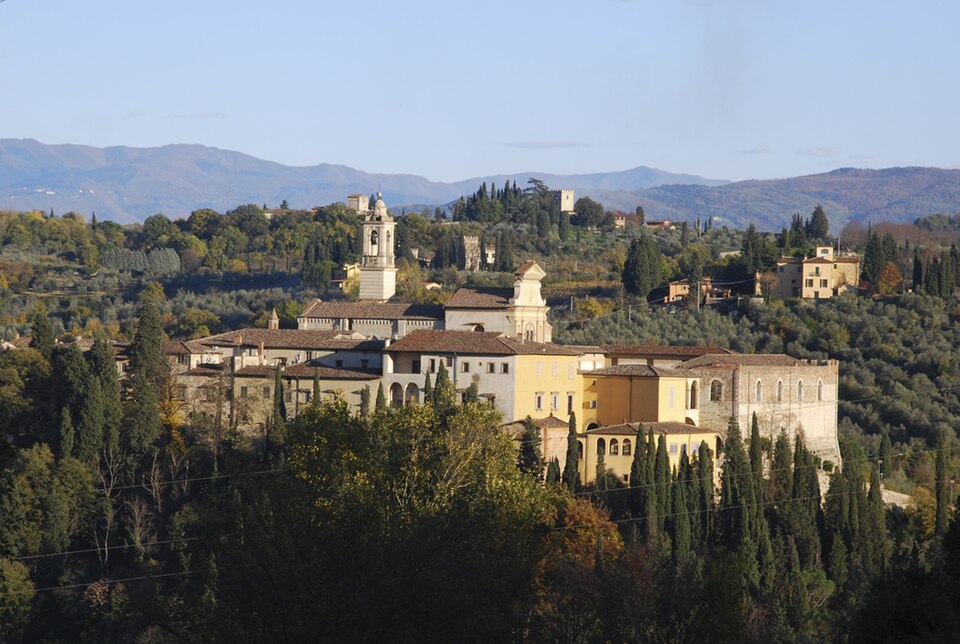
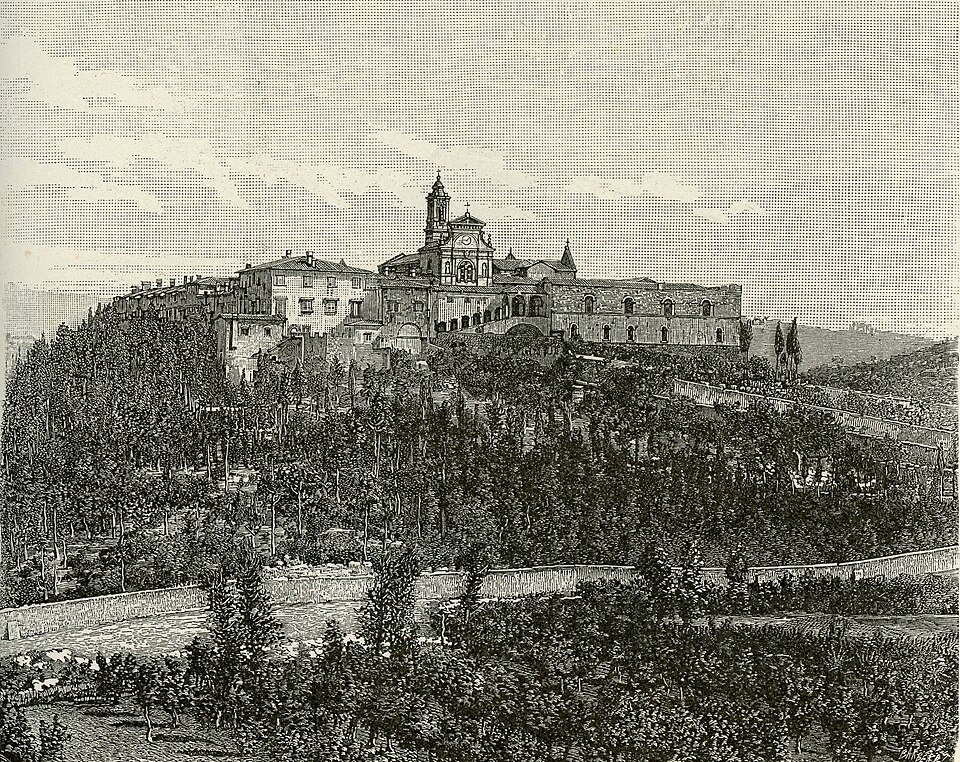
Florence Charterhouse, known locally as Certosa del Galluzzo, is a Carthusian monastery situated on a hillside south of central Florence. Founded in 1341 by Niccolò Acciaiuoli, a prominent Florentine statesman, the complex served as a contemplative religious community for centuries. The charterhouse occupies elevated ground overlooking the Arno valley, offering views toward the city. Its architecture spans multiple periods, reflecting renovations and additions made across several centuries of monastic life. The site remains significant for its historical role in Florentine religious and cultural development.
Checked 2026-08-26
The charterhouse complex encompasses a church, cloisters, individual monks cells, and refectory spaces typical of Carthusian planning. Frescoes by Pontormo, executed during his residence there in 1525-1527, constitute notable artistic holdings within the church and chapter house. The large cloister connects to small individual cells arranged around gardens, preserving the eremitic character of Carthusian life. A pharmacy and library historically supported the community. Decorative elements include marble work and architectural details from Renaissance and later periods. The ensemble illustrates the self-contained nature of monastic existence.
Checked 2026-08-26
Visitors should allocate approximately one to two hours for exploring the charterhouse grounds and accessible interior spaces. The site's hillside location and dispersed layout across multiple buildings and cloisters necessitate walking between areas. Those with particular interest in Renaissance art, especially Pontormo's frescoes, may wish to extend their stay for careful examination. The contemplative atmosphere and panoramic setting encourage unhurried pacing. Combining the charterhouse with the journey from central Florence typically constitutes a half-day excursion rather than a brief stop. Photography and reading interpretive materials add time.
Checked 2026-08-26
Operator-confirmed hours are Not recorded pending review. Visitors should verify current opening schedules through official channels before planning their trip. The hillside position means summer afternoons may expose visitors to direct sun with limited shade in exterior circulation areas. Morning visits potentially offer cooler conditions and softer light for viewing artwork and architecture. The elevated site may experience different weather patterns than central Florence, including stronger winds. Seasonal variations in vegetation affect the appearance of cloister gardens. Advance confirmation of access days remains essential given religious site protocols.
Checked 2026-08-26
Operator-confirmed prices are Not recorded pending review. Admission policies for religious sites in Italy vary widely, with some monastic properties requiring donations, others charging set fees, and some restricting access to guided tours only. Visitors should consult current information from official sources regarding any entry costs, reservation requirements, or mandatory tour participation. Potential concessions for specific visitor categories cannot be confirmed without verified current data. Some Italian heritage sites participate in national museum pass schemes, though charterhouse inclusion would require direct confirmation. Budget flexibility remains advisable.
Checked 2026-08-26
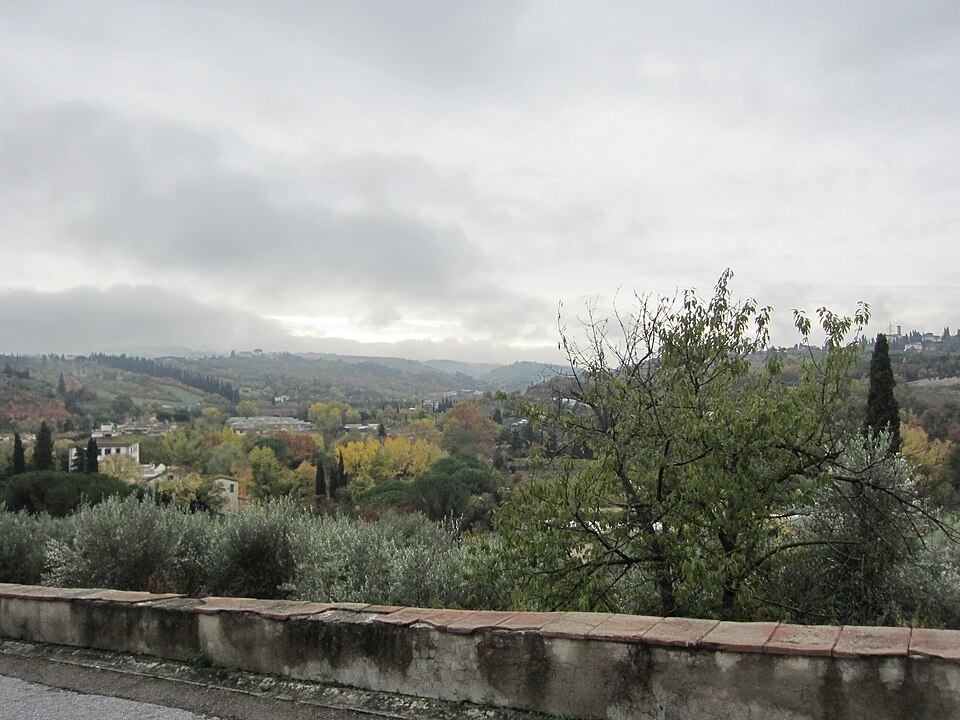
The charterhouse sits in Galluzzo, approximately five kilometers south of Florence's historic center. Public bus services connect central Florence to the Galluzzo area, though specific route numbers and frequencies require verification from current transit sources. The approach involves ascending from the valley, whether by road or on foot for those walking from nearby points. Taxis and rideshare services provide alternative access. The hillside location means final approaches may involve slopes. Visitors with mobility limitations should investigate accessibility provisions in advance. Cycling from Florence presents possible though challenging option given elevation change.
Checked 2026-08-26
Religious sites maintain behavioral expectations including modest dress covering shoulders and knees. Silence protocols may apply in certain areas given the contemplative function. Photography restrictions potentially govern interior spaces, particularly around devotional areas and artwork. The hillside terrain presents uneven surfaces and steps between levels. Limited visitor facilities such as refreshments or restrooms should be anticipated typical of monastic properties. Mobile telephone coverage may be inconsistent in the stone structures. Guided tour obligations, if operative, would restrict independent wandering. Respect for any ongoing religious community activities remains paramount despite visitor access.
Checked 2026-08-26
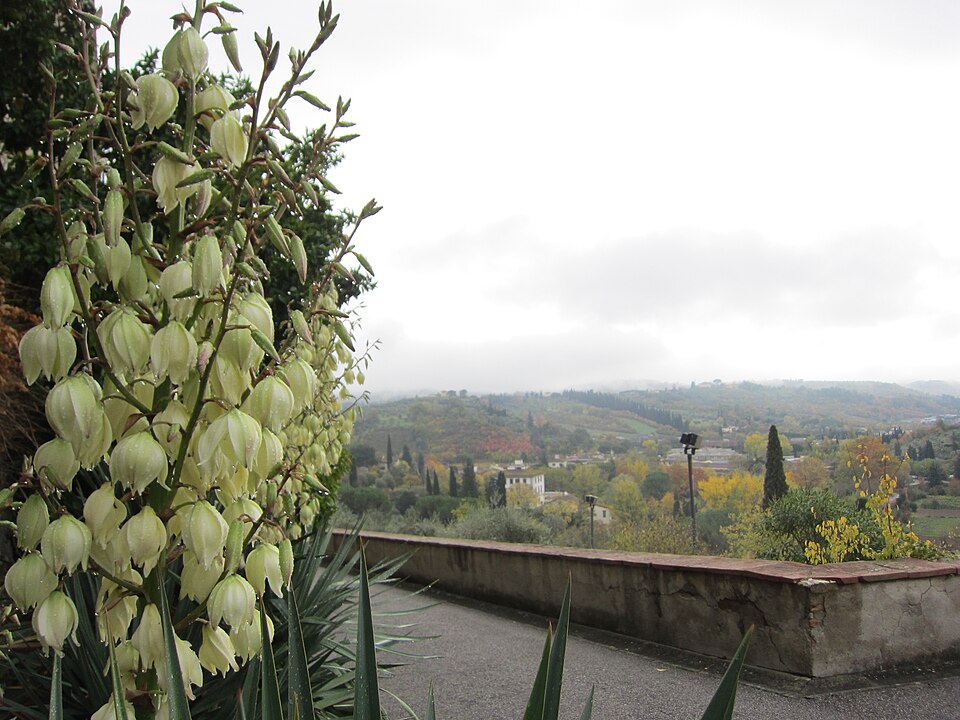
Photography policies at the charterhouse are not confirmed in available sources. Many Italian religious sites prohibit flash photography to protect artworks, with some banning all interior photography. Pontormo's frescoes, if accessible, would fall under standard conservation-sensitive restrictions. Exterior photography of the architecture, cloisters, and valley views generally faces fewer limitations. Tripod use typically requires special permission at heritage sites. Visitors should observe posted signage and staff instructions regarding cameras and mobile devices. The panoramic southern aspect toward Florence offers landscape photography opportunities from exterior vantage points regardless of interior restrictions. Courtesy toward other visitors and any religious residents governs all image-making.
Checked 2026-08-26
The historical function as a Carthusian monastery has evolved. Current religious or institutional use is not recorded in available sources. Visitors should treat the site with appropriate respect regardless of active monastic status.
Pontormo's frescoes are documented as present in the church and chapter house. Whether they are currently accessible to visitors and under what conditions is not confirmed in available sources.
Whether independent visiting is permitted or guided tours are mandatory is not recorded. Many Italian monastic sites require guided access. Advance verification with official sources is essential.
The hillside location and historical architecture with multiple levels present probable challenges. Specific accessibility provisions are not recorded. Direct inquiry before visiting is strongly recommended.
On-site catering facilities are not recorded. Visitors should anticipate limited amenities typical of monastic properties and plan accordingly for refreshments before or after their visit.
Bus services connect central Florence to the Galluzzo area. Specific routes, schedules, and stops require verification from current public transport information sources rather than assumed continuity.
Loading the interactive map…
The interactive map could not be loaded.
Last updated:
Source: OpenStreetMap contributors, Wikidata ·