.jpg)
.jpg)
.jpg)
.jpg)


9 min a piedi
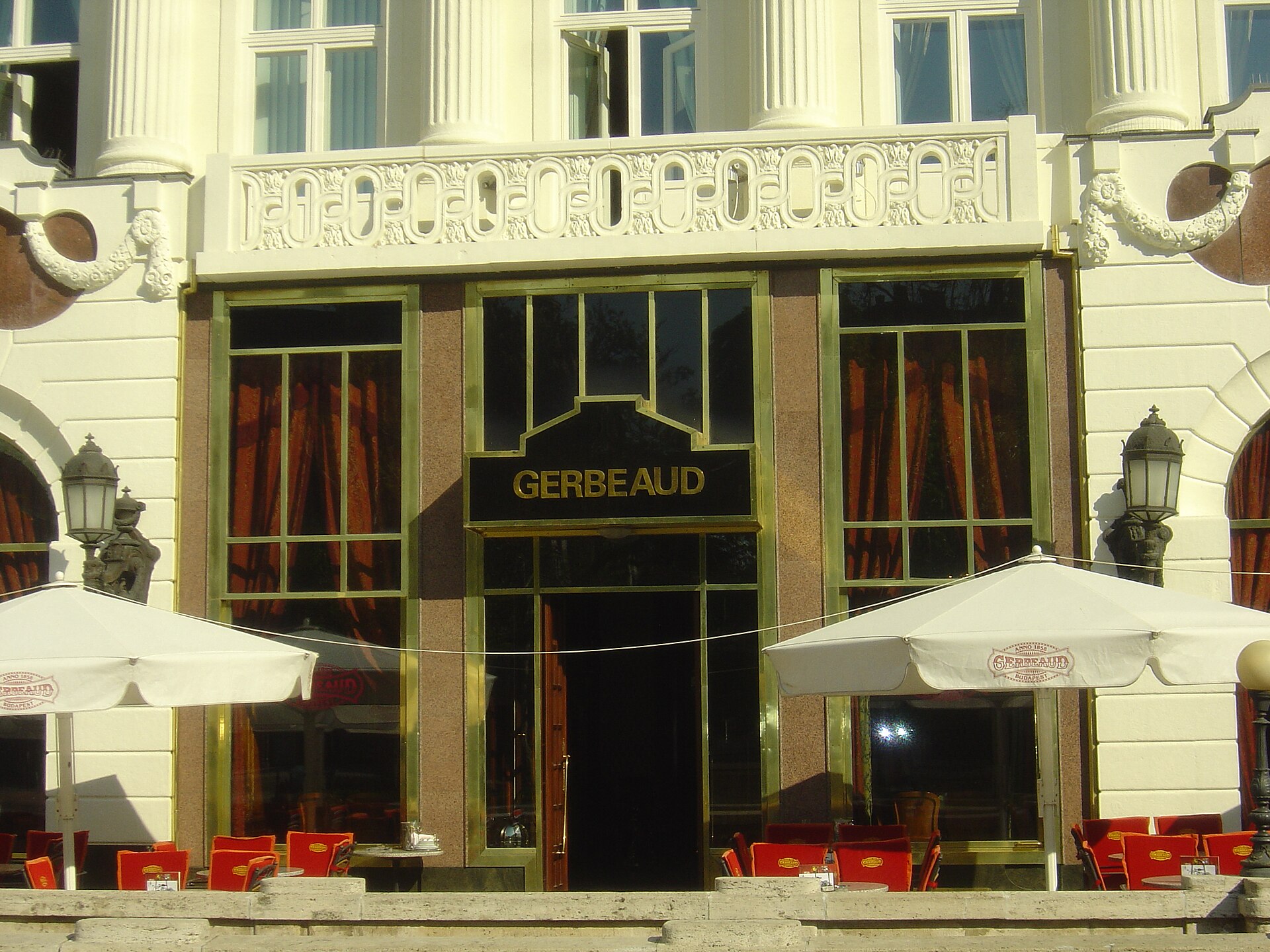
Casa Gerbeaud
- Alto
- Ristorante o caffè
Lingua · 11 pubblicate
Monumento storico · Budapest
A német megszállás áldozatainak emlékműve
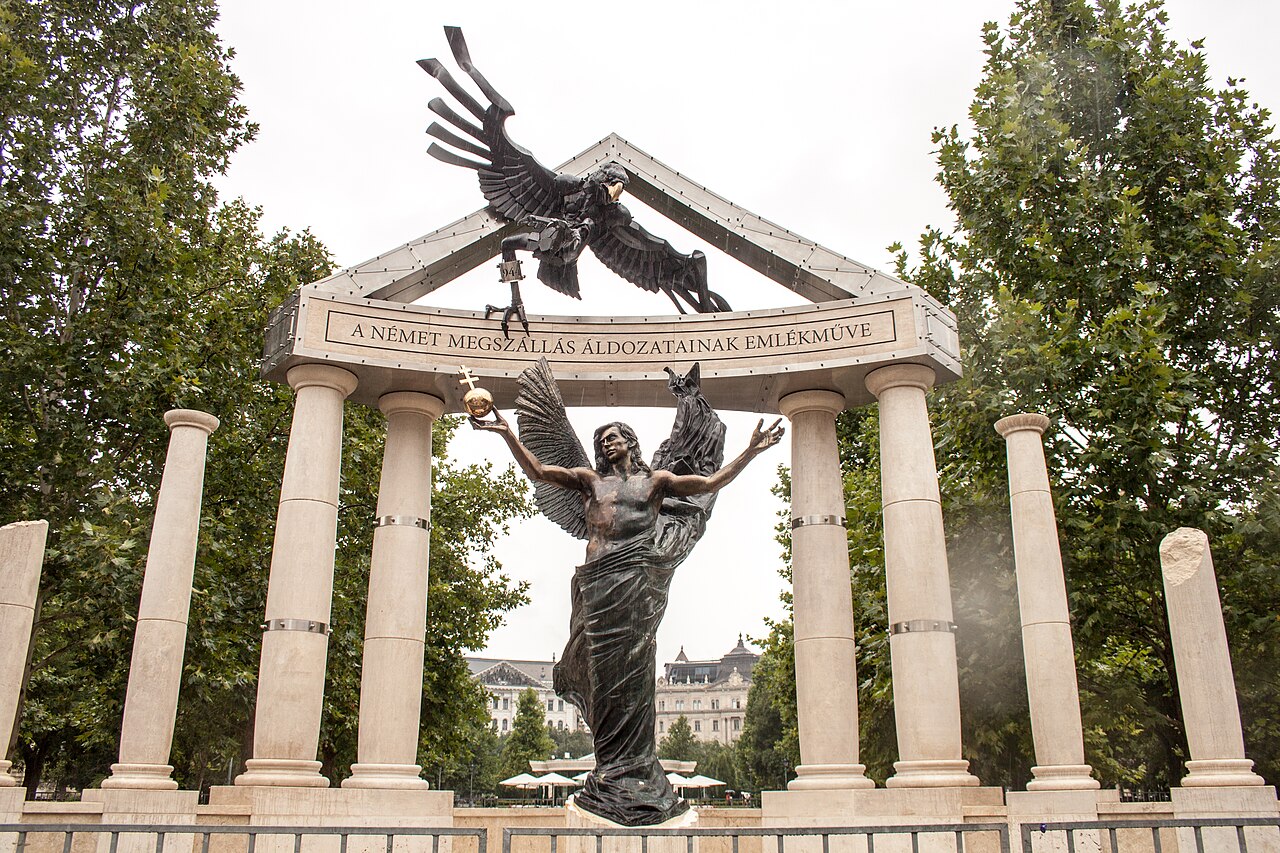
Questo luogo è un Memoriale. È stato fondato nel 2014. È stato progettato da Péter Párkányi Raab.
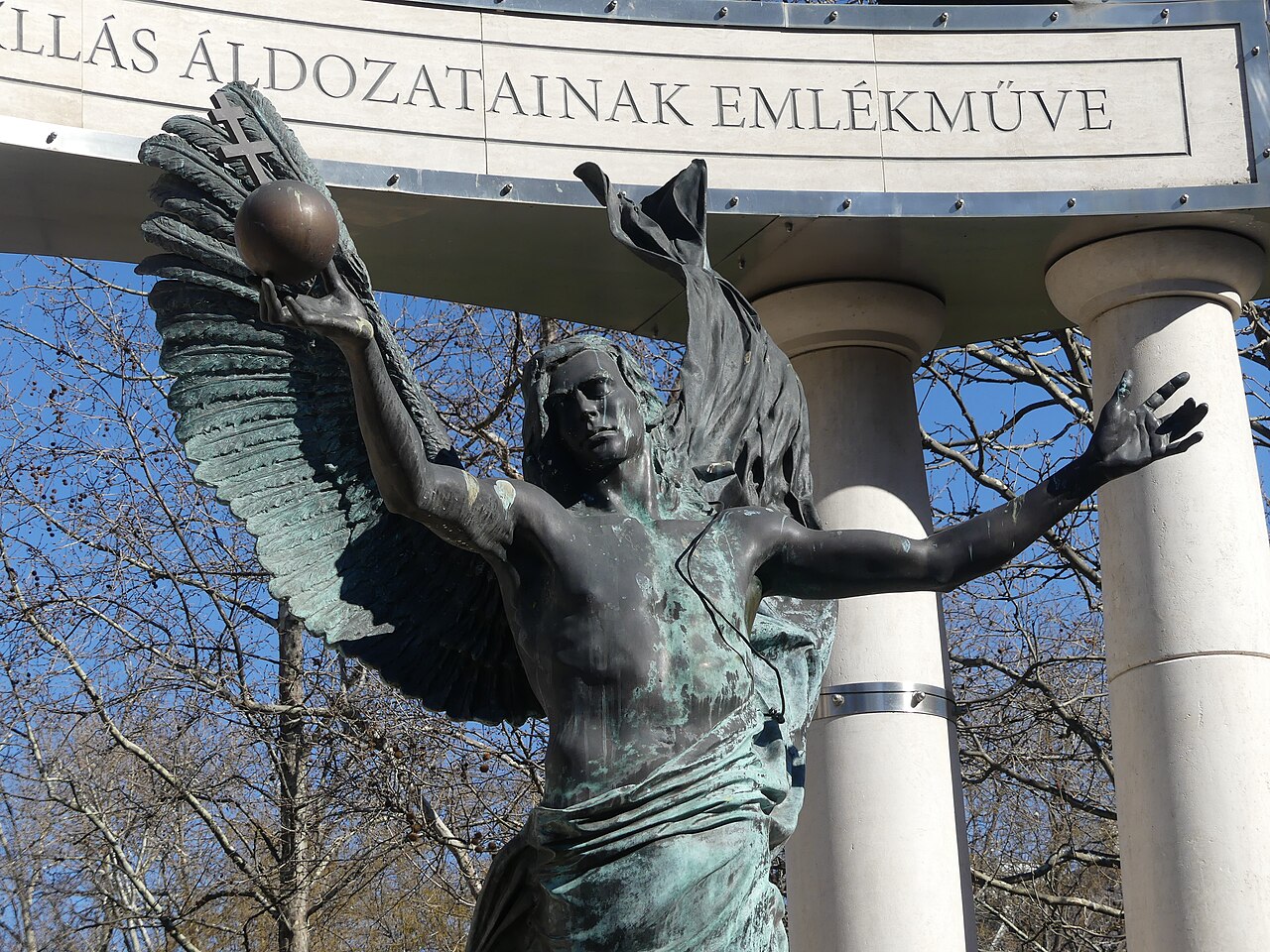
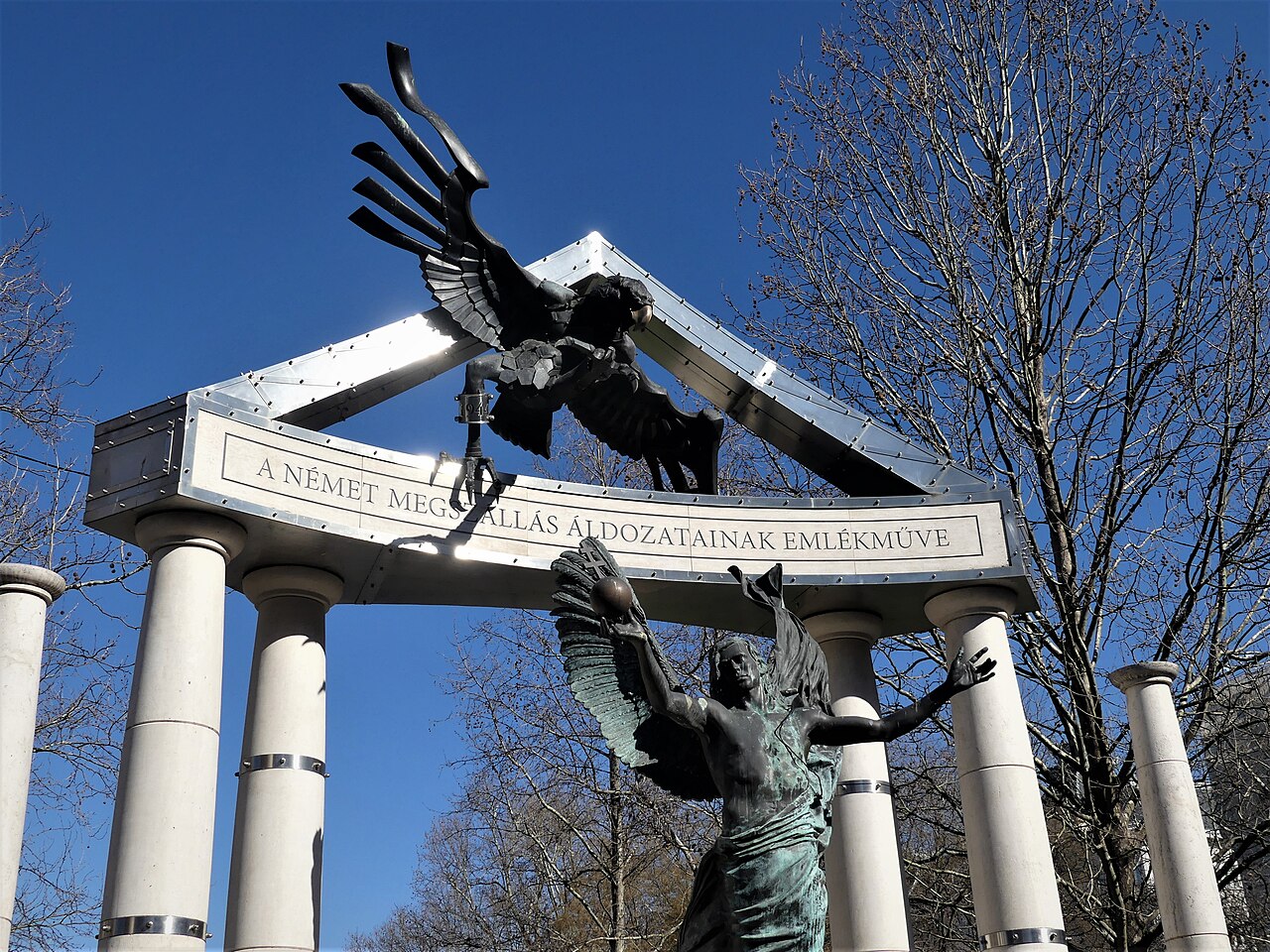
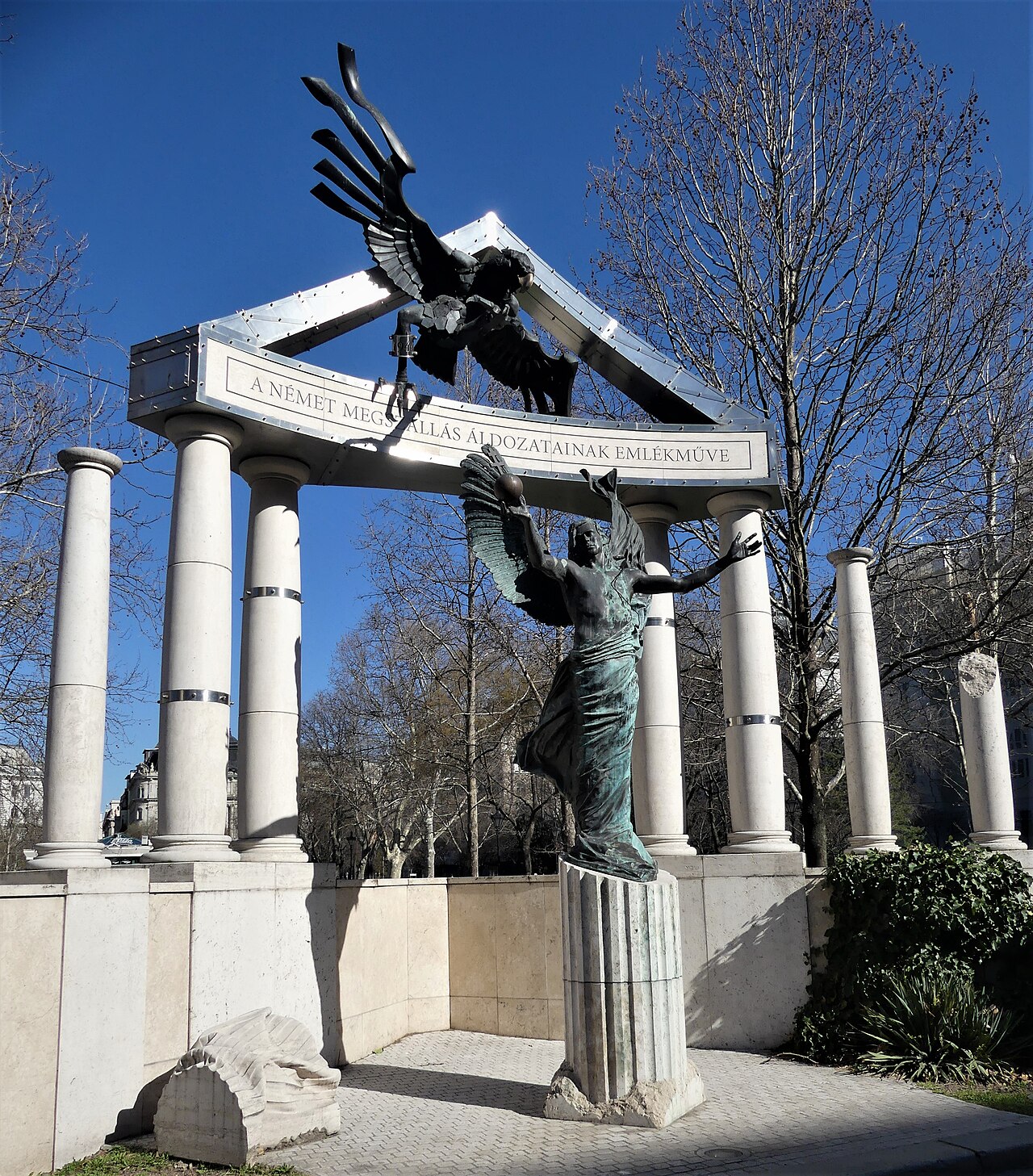
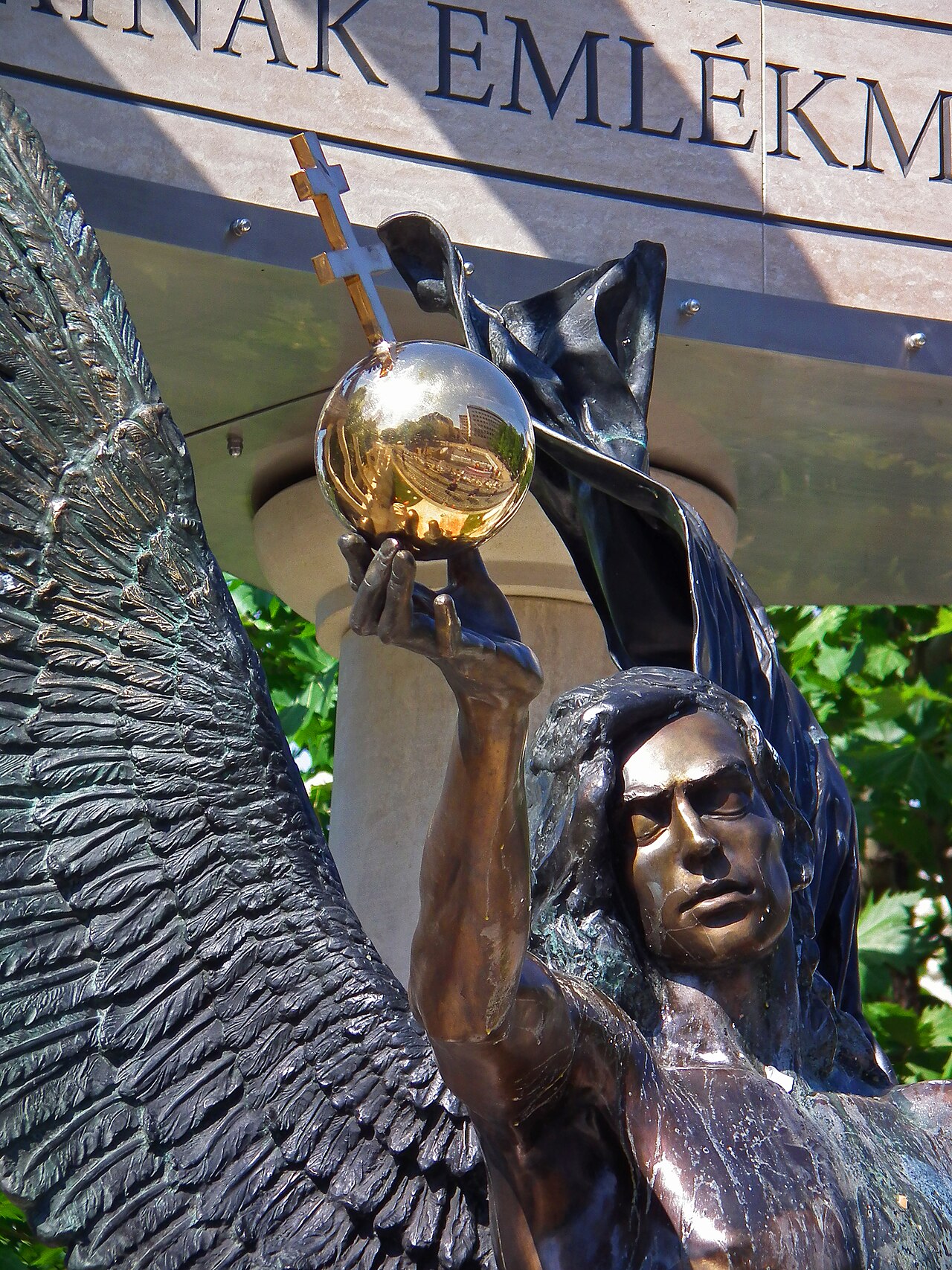
The Memorial for the Victims of the German Occupation stands in Budapest as a contested public monument. Unveiled in 2014 at Szabadság tér, it commemorates Hungarian victims of Nazi Germany's 1944 occupation. The monument's design features an eagle representing Germany attacking the Archangel Gabriel, symbolizing Hungary. Its installation sparked significant domestic and international controversy, with critics arguing it distorts historical responsibility by portraying Hungary as a passive victim rather than an active collaborator in the Holocaust. The memorial remains a focal point for political debate and regular demonstrations.
Controllato 2026-08-28
The memorial consists of a large stone monument with bronze sculptural elements. The central composition depicts Germany as an eagle descending upon Hungary personified as Gabriel. Surrounding the structure are inscribed elements referencing the occupation period. Notably, the memorial's physical composition does not include extensive interpretive panels or museum components. Adjacent to the official monument, a spontaneous counter-memorial developed where citizens and activists placed photographs, candles, and personal items honoring Holocaust victims, creating an organic alternative commemorative space that exists in tension with the state-sponsored installation.
Controllato 2026-08-28
Visitors typically spend twenty to forty minutes at this site. The memorial occupies an open public square without enclosed spaces or formal entry procedures. The duration depends on whether visitors engage with both the official monument and the grassroots counter-memorial elements. Those reading the various inscriptions, examining the spontaneous tributes, and reflecting on the historical controversies may require additional time. The square itself permits unhurried contemplation. No guided tours or audio explanations are provided on-site, so independent observation constitutes the primary visitor activity.
Controllato 2026-08-28
The memorial stands in an open public square accessible at all hours. The site experiences no formal opening or closing times. Visitors may approach during daylight for optimal visibility of the sculptural details and inscriptions. Evening visits are possible though lighting conditions vary. The surrounding Szabadság tér hosts other monuments and governmental buildings, contributing to consistent foot traffic. Seasonal weather conditions in Budapest affect outdoor comfort, with summer offering extended daylight and winter presenting colder temperatures for extended contemplation. Check the operator's own site for the travel date before relying on a schedule or fare.
Controllato 2026-08-28
No admission fee applies to this public monument. The memorial stands in unrestricted municipal space without ticketing infrastructure. Visitors encounter no gates, barriers, or payment requirements. The spontaneous counter-memorial elements similarly impose no costs. Budget considerations extend only to personal transportation to Szabadság tér and any incidental purchases in the surrounding area. The memorial's public accessibility reflects its function as state-sponsored commemoration rather than commercial or managed heritage attraction. Memorial for the victims of the German occupation also earns time in a budapest itinerary because its setting and role differ from the surrounding ranked stops. Compare the place with the nearby streets before deciding how it fits the day.
Controllato 2026-08-28
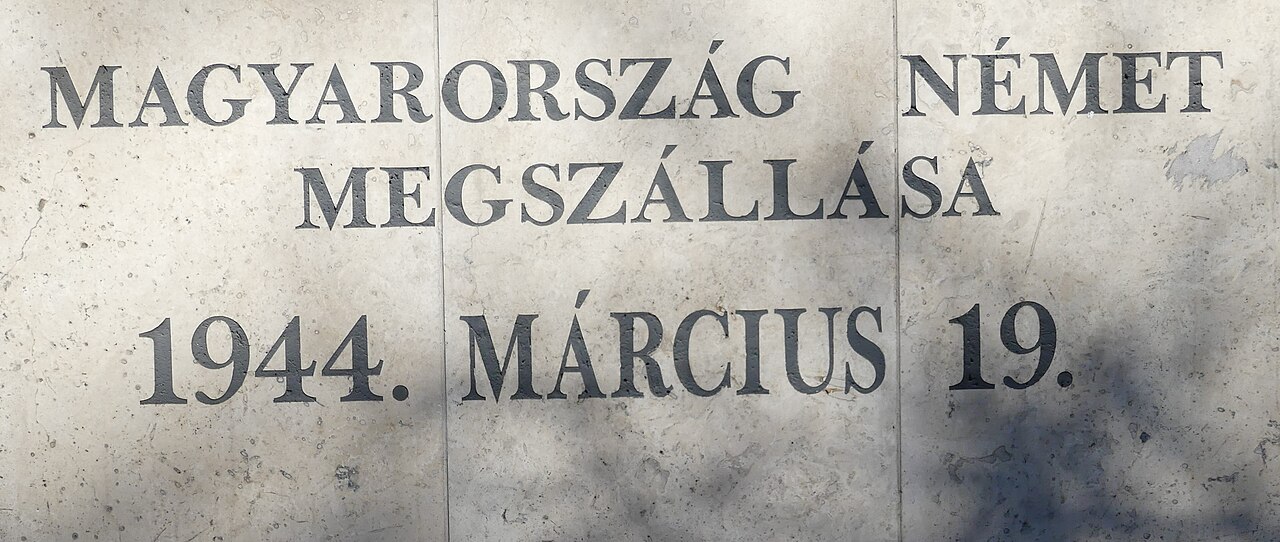
Szabadság tér lies in Budapest's fifth district, accessible via multiple public transportation options. The Kossuth Lajos tér metro station on Line M2 serves the area, with additional connectivity through nearby tram lines including 2 and 2M along the Danube riverbank. Several bus routes operate in the vicinity. The square sits within reasonable walking distance of the Hungarian Parliament Building, facilitating combined visits. Central location ensures taxi and rideshare availability. Pedestrian navigation from major landmarks in Pest's administrative quarter presents straightforward orientation for visitors familiar with Budapest's street grid.
Controllato 2026-08-28
Visitors should recognize this memorial's profound political sensitivity. Demonstrations and vigils occur regularly, particularly around Holocaust remembrance dates. The counter-memorial's unauthorized status means its components may change or face removal. Photographic documentation of personal tributes requires respectful discretion. The monument's historical narrative remains actively disputed among Hungarians; visitors may witness passionate exchanges. Physical conditions include exposed urban square environment without shelter. Nighttime presence warrants standard urban awareness. The surrounding governmental district maintains security presence. Visitors approaching with informed contextual understanding will navigate the site's complexities more meaningfully than casual observation permits.
Controllato 2026-08-28
Photography is permitted without restriction in this public square. The monument's outdoor placement enables natural light capture during daytime hours. The contrasting elements—official sculptural composition and informal counter-memorial tributes—offer documentary subjects requiring thoughtful framing. Close-up photography of personal photographs and artifacts within the counter-memorial demands ethical consideration regarding individual and familial representations. Night photography faces variable artificial lighting conditions. Tripod usage may attract security attention given proximity to government buildings. Drone operation would require compliance with Hungarian aviation regulations and likely encounter restrictions in this sensitive administrative zone.
Controllato 2026-08-28
No. The memorial generated substantial controversy upon installation and remains politically divisive, with ongoing protests and alternative commemorative activities.
This question involves significant historical debate. Critics argue the monument's narrative obscures Hungarian state collaboration, while defenders emphasize victimhood. Visitors should consult multiple scholarly perspectives.
Not recorded. No formal staffing or interpretive services are evident at this public square installation.
The counter-memorial developed spontaneously without official authorization. Visitors may observe existing tributes; adding items falls outside regulated practice.
The open square setting suggests basic accessibility, though specific pathway conditions and surface materials are not recorded.
Budapest contains multiple Holocaust memorials including the Shoes on the Danube Bank. This memorial's contested status contrasts with more broadly accepted commemorative installations elsewhere in the city.
Caricamento della mappa interattiva…
Impossibile caricare la mappa interattiva.
Ultimo aggiornamento:
Fonte: Contributori di OpenStreetMap, Wikidata ·