Monumento storico · Cusco
Ciudadela de Machu Picchu
Fotografia

- Oggi
- Orari non registrati
- Durata della visita
- 45 min
- Accessibilità
- Non registrato
- Prezzo
- Non registrato
- Posizione
- Alto · Sito del patrimonio
- Rango
- Classifica 73 di 2,497
Informazioni su Ciudadela de Machu Picchu
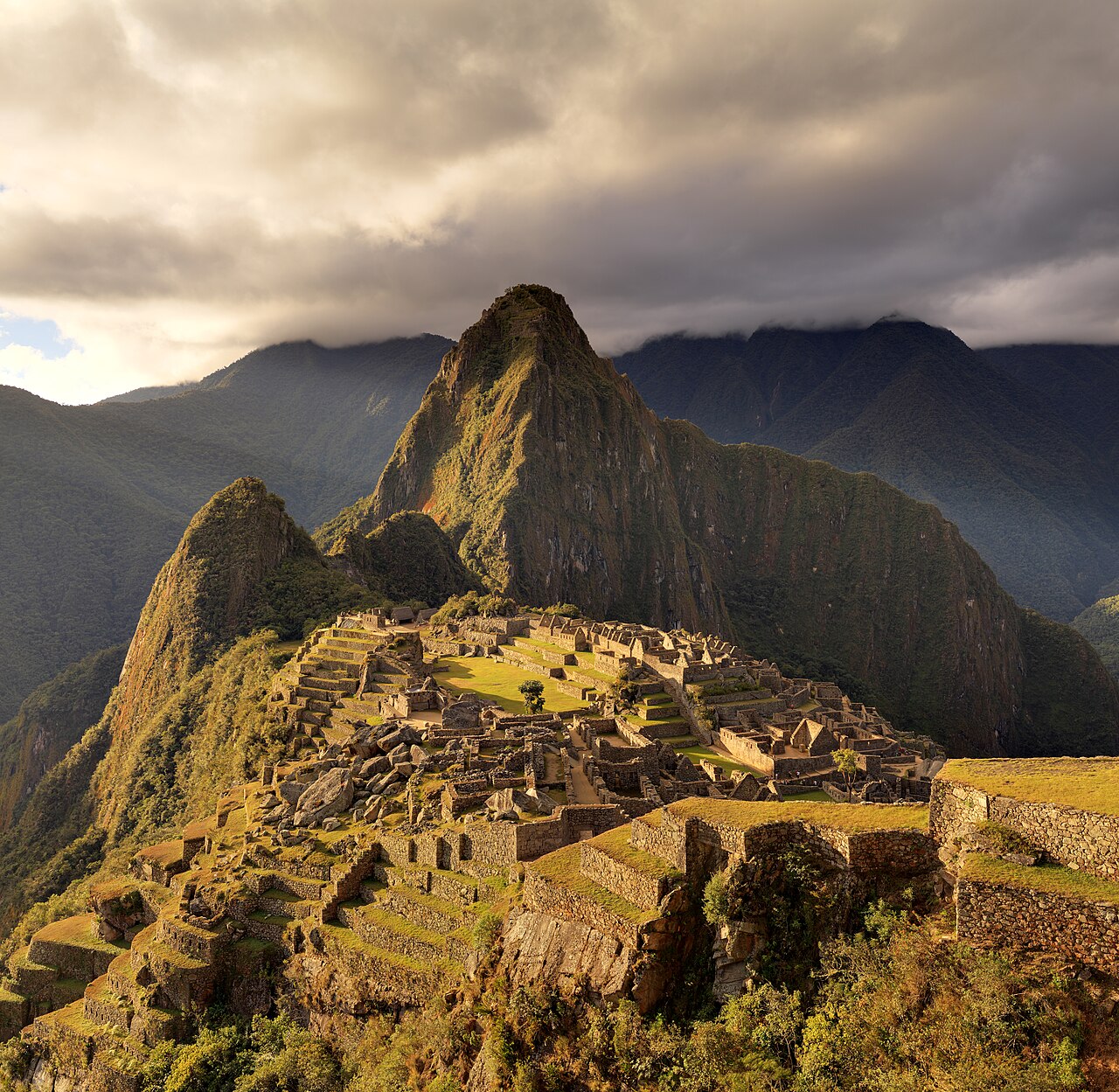
Machu Picchu is a 15th-century Inca citadel situated on a mountain ridge approximately 80 kilometres northwest of Cusco. The archaeological complex stands at an elevation that creates dramatic cloud-forest surroundings. Designated a UNESCO World Heritage Site and one of the New Seven Wonders of the World, it represents the most internationally recognised symbol of Inca civilisation. The site functions as a sanctuary and historical monument under Peruvian state protection, with management oversight from relevant cultural authorities. Machu Picchu also earns time in a cusco itinerary because Peru's defining Inca site is reached through Cusco but is geographically remote; it is retained only as a clearly caveated regional itinerary endpoint after all city attractions; no production candidate exists. Its value becomes clearer when the stop is compared with the surrounding streets and the other ranked places nearby.
Controllato 2026-08-26
Cosa c'è dentro
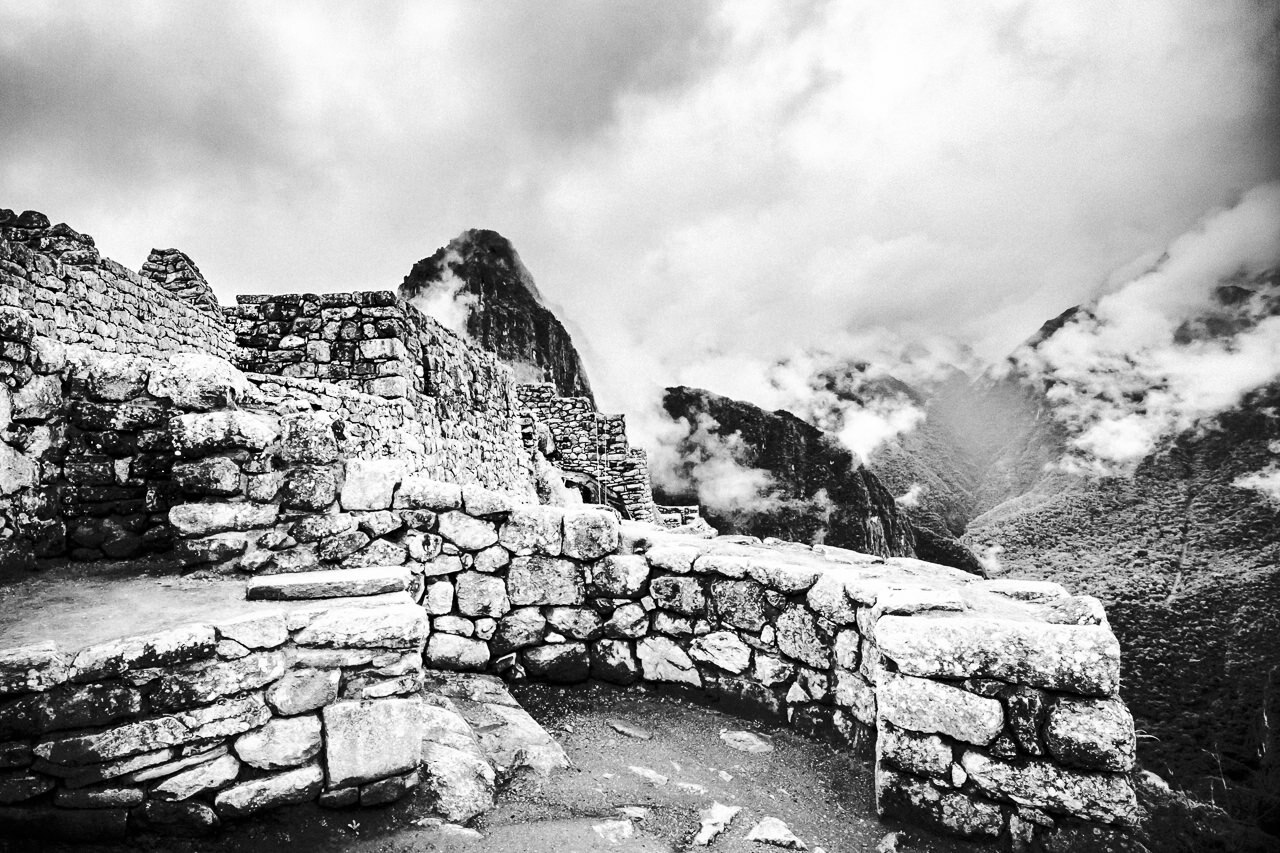
The complex contains agricultural terraces, residential areas, temples, and plazas constructed from precisely fitted stone blocks. Notable sectors include the Intihuatana stone, the Temple of the Sun, and the Room of the Three Windows. The urban design demonstrates sophisticated engineering adapted to steep topography. Visitors encounter both constructed spaces and natural features that held ceremonial significance. The surrounding sanctuary protects additional archaeological remains and ecological zones. Specific interior arrangements and access routes within sectors are subject to ongoing conservation protocols and may vary.
Controllato 2026-08-26

Quanto tempo dedicare
Most visitors allocate a half-day to full-day for on-site exploration, though individual pacing varies considerably with fitness, acclimatisation, and interest depth. The journey from Cusco requires additional transit time that extends the overall commitment substantially. Some travellers incorporate multi-day trekking approaches via established trail networks. The actual duration at the ruins depends on chosen circuits, crowd conditions, and whether supplementary hikes to adjacent peaks are attempted. Overnight stays in the nearby town of Aguas Calientes are common to facilitate early arrival.
Controllato 2026-08-26

Stagione e folla
The dry season from May to September typically offers more stable conditions, though morning mist is frequent year-round. Rainfall probability increases during November through March. Operator-confirmed hours are Not recorded pending review. Crowd density fluctuates with international travel patterns and domestic holidays; peak congestion generally aligns with northern hemisphere summer vacation periods. Advance planning is advisable regardless of season. Weather at the elevation can shift rapidly within single days, requiring preparation for variable conditions irrespective of forecasted patterns.
Controllato 2026-08-26
Biglietti
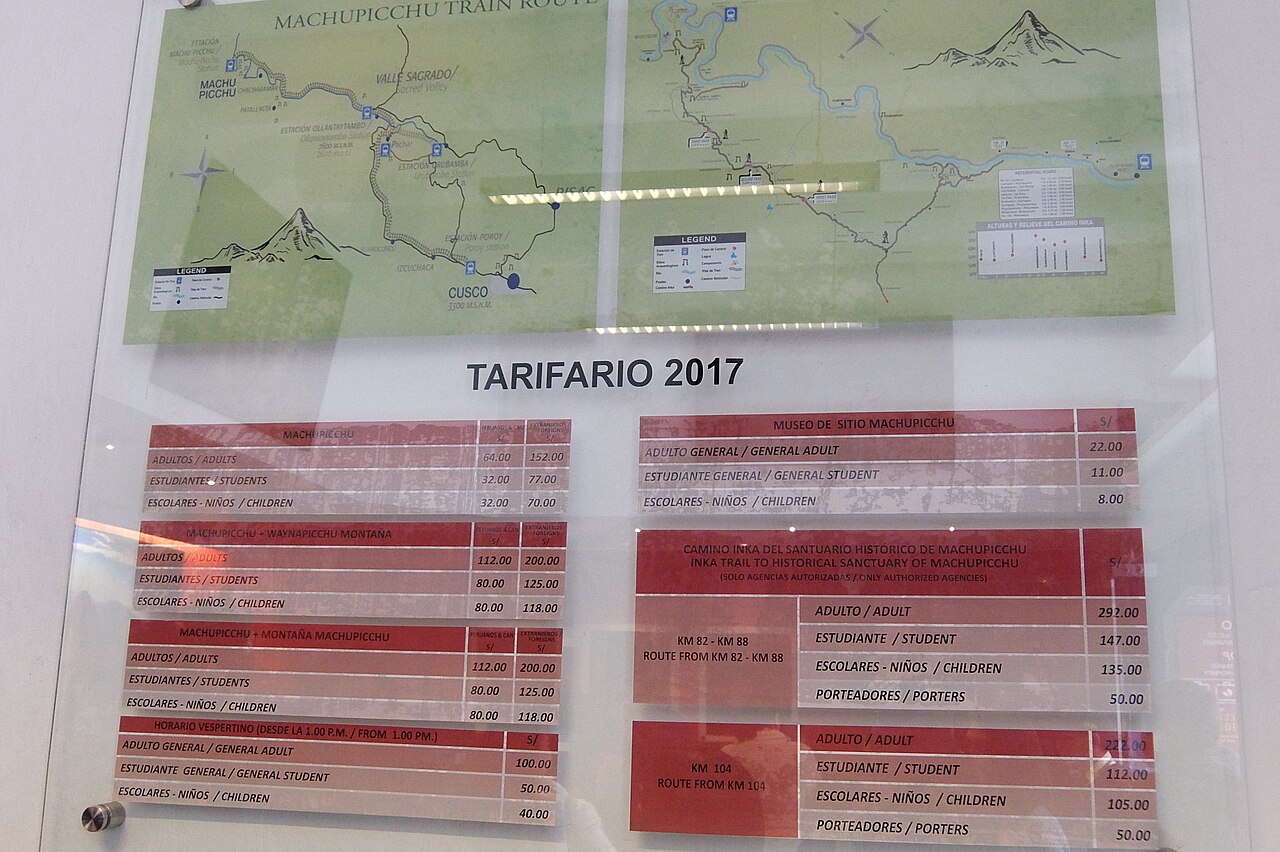
Entry requires advance reservation through official channels due to capacity management policies. Multiple ticket categories exist corresponding to different visitor circuits and supplementary hikes. Operator-confirmed prices are Not recorded pending review. Availability constraints apply particularly during high-demand periods. Identification documentation is required for entry verification. Regulations mandate guided accompaniment for certain routes. Purchase through unauthorised resellers presents risks of invalid tickets. The official government tourism portal and verified agencies provide booking mechanisms. Changes to ticketing protocols have occurred historically and may continue.
Controllato 2026-08-26

Come arrivare
Access from Cusco involves ground transport to Ollantaytambo or alternative departure points, followed by rail transit to Aguas Calientes, then bus ascent or walking to the entrance. The complete journey typically consumes several hours each direction. Trekking alternatives include established multi-day routes requiring permits and physical preparation. Aguas Calientes serves as the mandatory overnight hub for non-trekking visitors due to geographical remoteness. Transport infrastructure operates with scheduled departures; connections require coordination. Weather and operational factors occasionally disrupt services. The regional itinerary positioning reflects this substantial access commitment relative to Cusco itself.
Controllato 2026-08-26

A cosa prestare attenzione
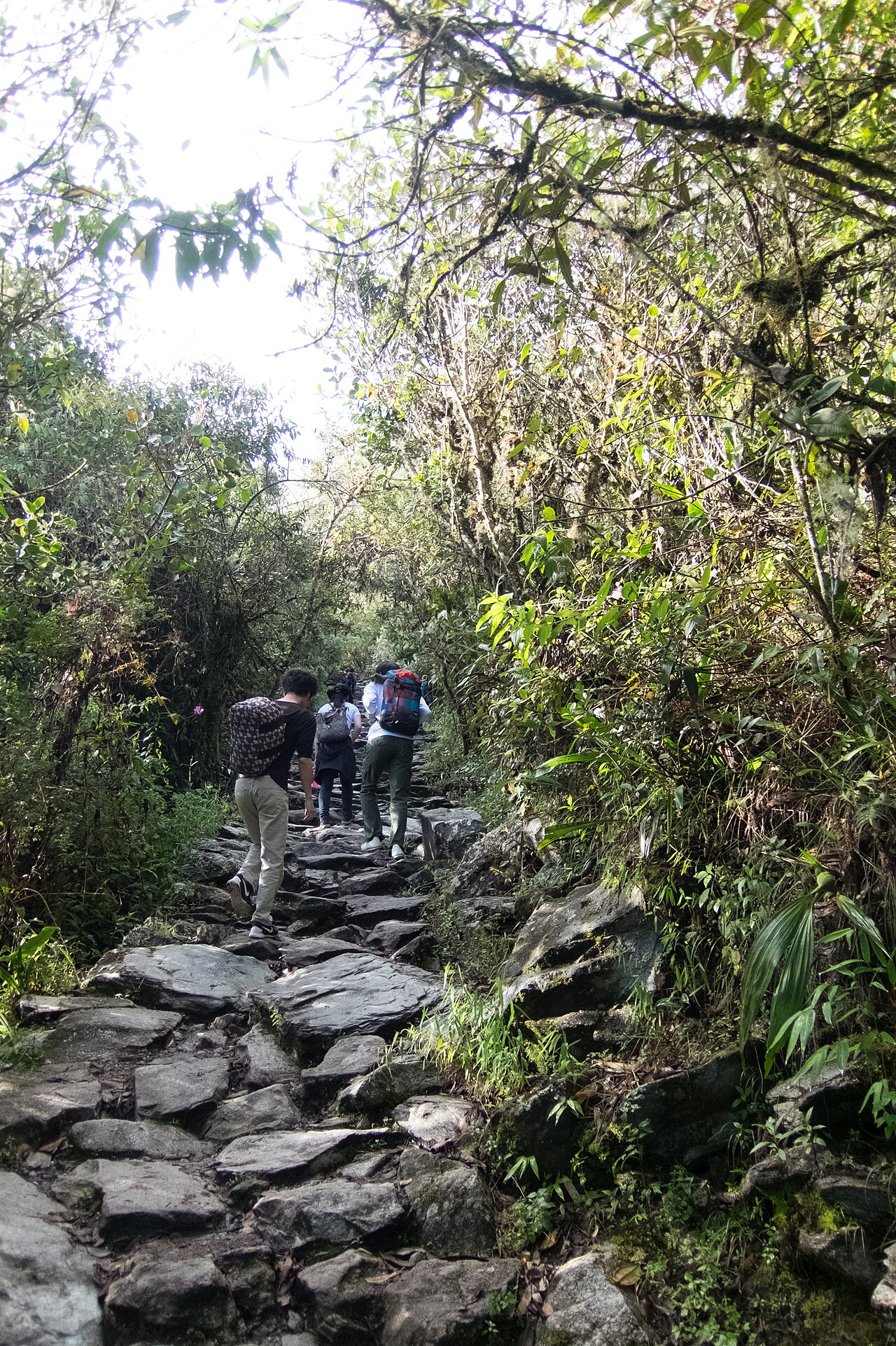
Altitude effects demand attention; the site elevation exceeds many visitors' accustomed environments regardless of Cusco acclimatisation. Steep drops and uneven surfaces present fall hazards, exacerbated by moisture and morning condensation. Sun intensity is elevated at altitude. Wildlife encounters including insects require standard precautions. Limited shelter exists within the archaeological zone. Mobile connectivity is unreliable. Emergency medical facilities are distant. Respect for conservation regulations is enforced; prohibited behaviours include entering restricted sectors, littering, and removing materials. Drinking water availability is restricted; self-sufficiency is necessary.
Controllato 2026-08-26


Fotografia
The dramatic topography offers extensive photographic possibilities, though specific regulations govern commercial and drone operations. Tripod use may be restricted. Morning mist creates atmospheric conditions that obscure and subsequently reveal structures; patience rewards observers. Midday lighting flattens certain perspectives. The classic viewpoint from adjacent peaks requires separate ticketing where applicable. Interior spaces present challenging exposure conditions. Visitor circulation patterns affect composition timing. Responsible photography excludes touching or climbing structures for positioning. Weather protection for equipment is essential given moisture and dust exposure.
Controllato 2026-08-26
Domande comuni
Is Machu Picchu located within Cusco city for Machu Picchu in Cusco?
No. Machu Picchu is geographically remote from Cusco, reached through substantial transit involving multiple stages. It functions only as a clearly caveated regional itinerary endpoint after all city attractions.
Can tickets be purchased at the entrance on the day of visit for Machu Picchu in Cusco?
Advance reservation through official channels is required due to capacity management. Same-day availability at the entrance is not reliable and should not be assumed.
Are guided tours mandatory for Machu Picchu in Cusco?
Regulations mandate guided accompaniment for certain circuits. Requirements vary by ticket category and may be subject to policy changes.
What should visitors bring for weather conditions for Machu Picchu in Cusco?
Preparation for rapid weather shifts is essential regardless of season. Layers, rain protection, and sun protection are all advisable given variable conditions at elevation.
Is drone photography permitted for Machu Picchu in Cusco?
Specific regulations govern drone operations. Visitors should verify current permissions through official sources rather than assuming authorisation.
How physically demanding is the visit for Machu Picchu in Cusco?
The site involves uneven surfaces, steep gradients, and altitude effects. Individual assessment of fitness and acclimatisation status is necessary; supplementary hikes increase demands substantially.
Dov'è
Caricamento della mappa interattiva…
Impossibile caricare la mappa interattiva.
Nelle vicinanze
Inseriscilo in un piano
Collegamenti esterni
Ultimo aggiornamento:
Fonte: Contributori di OpenStreetMap, Wikidata ·