Museo · Cusco
Qurikancha
Fotografia

- Oggi
- Orari non registrati
- Durata della visita
- 1 h 30 min
- Accessibilità
- Non registrato
- Prezzo
- Non registrato
- Posizione
- Da non perdere
- Rango
- Classifica 63 di 2,497
Informazioni su Qurikancha
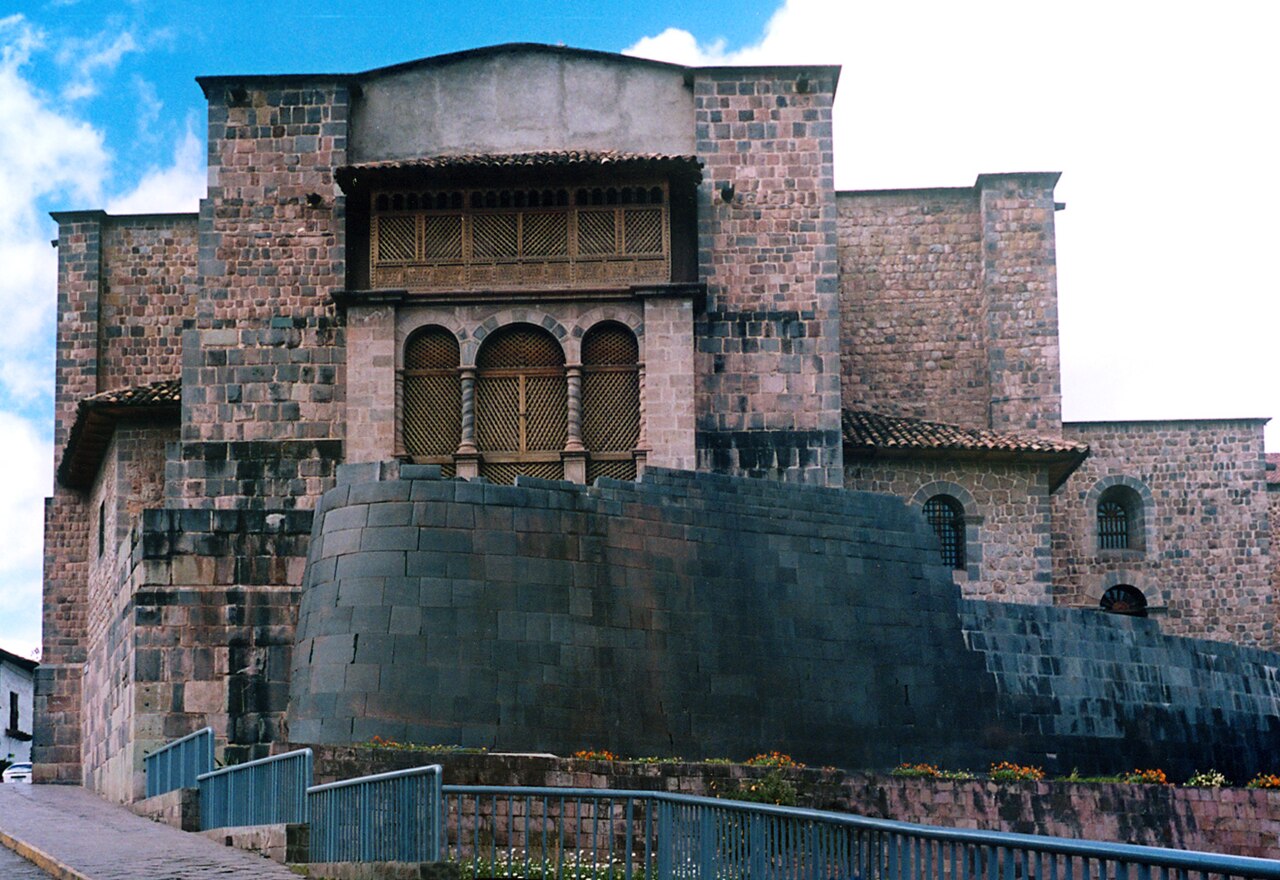
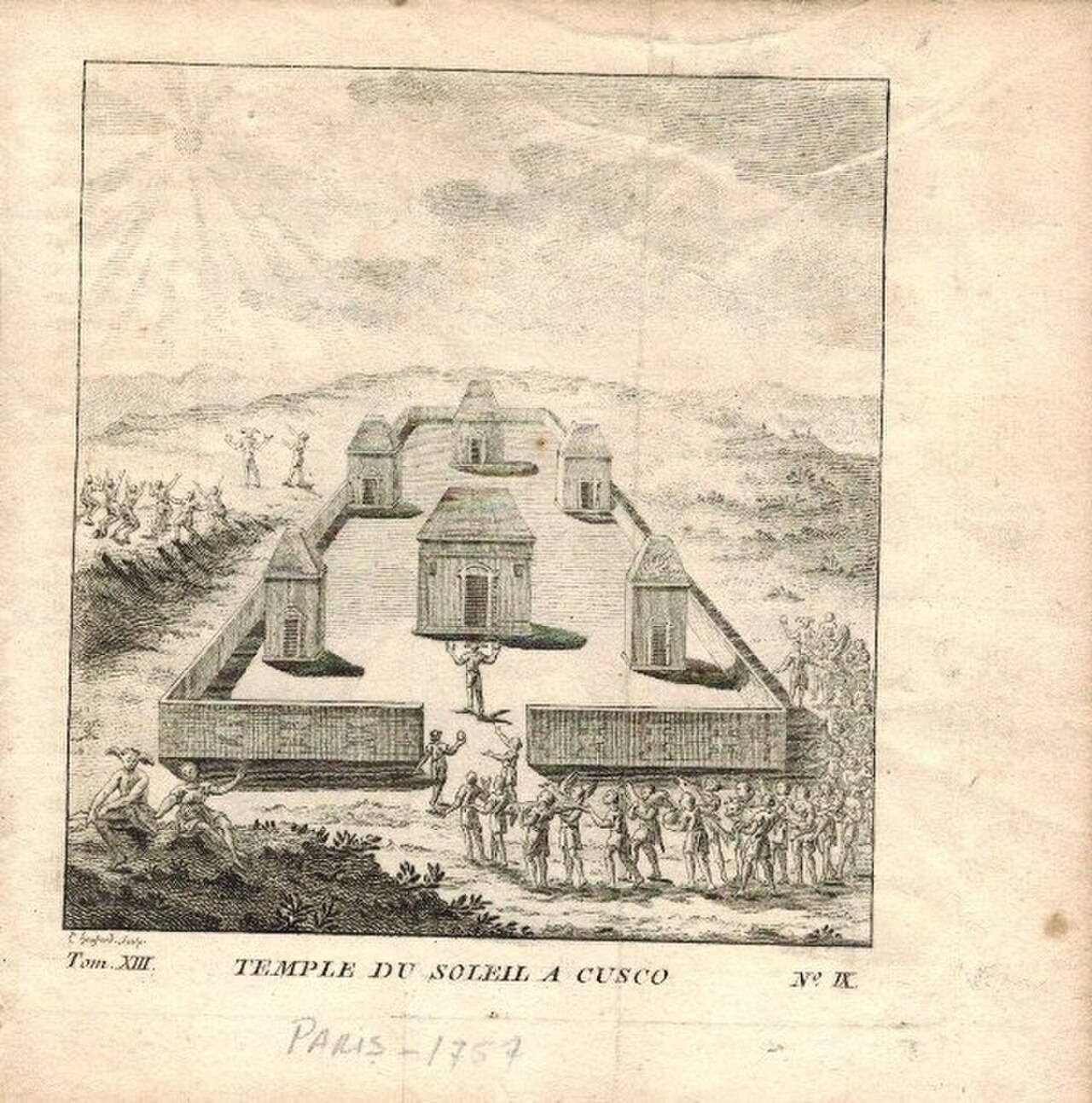
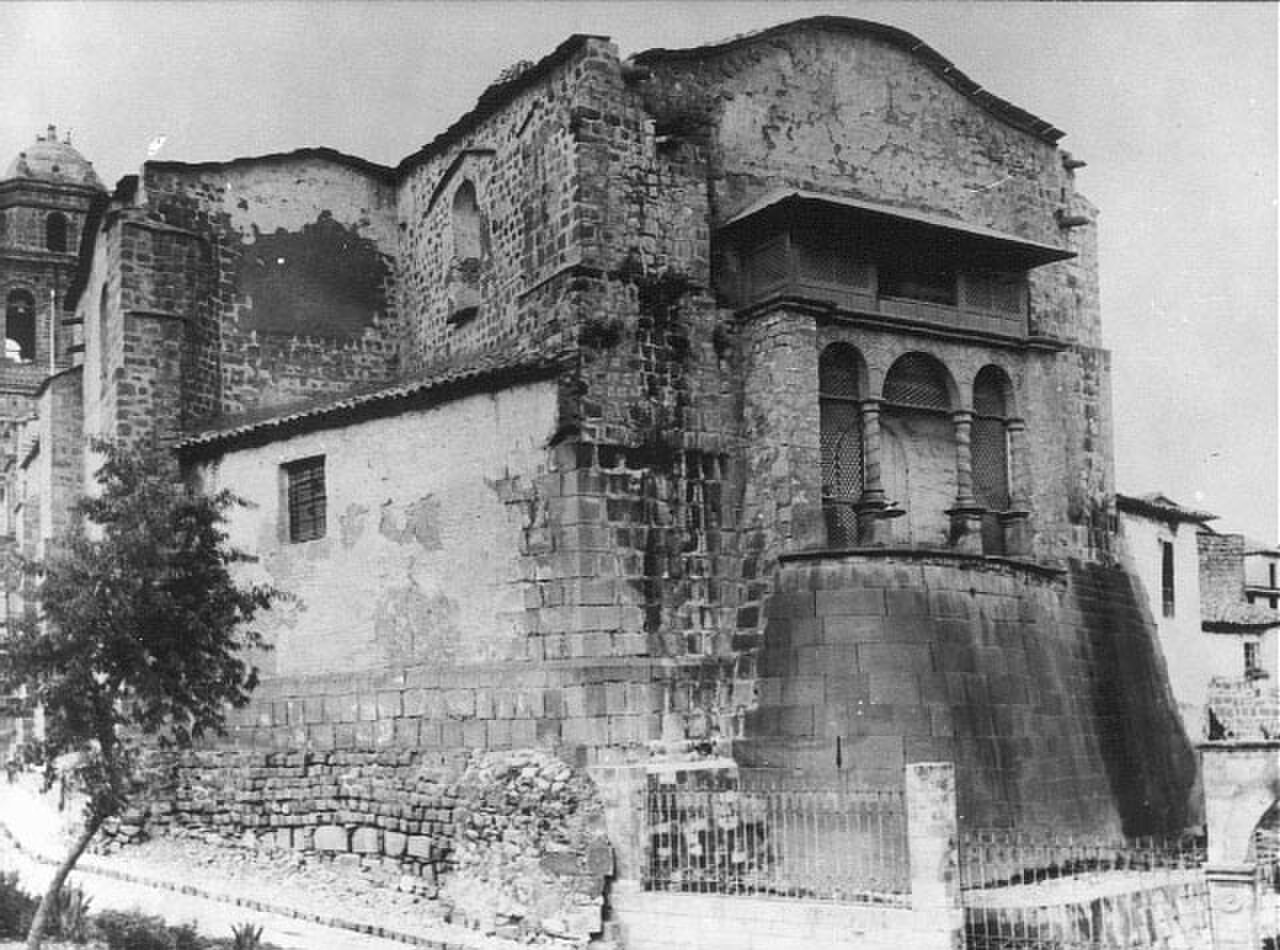
Coricancha, known locally as Qurikancha, was the most important temple in the Inca Empire. Located in Cusco, Peru, it was dedicated primarily to Inti, the sun god. The name derives from Quechua words meaning golden enclosure, reflecting its once lavish gold decoration. After the Spanish conquest, the Dominicans built the Convent of Santo Domingo on top of the Inca foundations. The site demonstrates remarkable Inca stonemasonry, with precisely fitted granite blocks that have withstood centuries including major earthquakes. Today it stands as a powerful symbol of colonial superimposition over indigenous sacred space.
Controllato 2026-08-28
Cosa c'è dentro
Visitors can observe the juxtaposition of Inca and colonial architecture. The curved outer wall of the original temple remains partially visible, showcasing the legendary precision of Inca masonry. Inside, the convent contains colonial paintings and religious art. The Temple of the Sun chamber and other spaces reveal the original Inca construction. Gardens and courtyard areas occupy portions of the complex. Some walls still display the trapezoidal niches characteristic of Inca religious architecture. The site includes explanatory materials about its historical significance. The integration of two distinct architectural traditions creates a layered historical narrative throughout the structure.
Controllato 2026-08-28


Quanto tempo dedicare
A thorough visit to Coricancha typically requires between one and two hours. This duration allows adequate time to examine both the Inca stonework and the colonial convent portions. Visitors interested in detailed architectural study or historical reading may prefer the longer end of this range. The compact nature of the central complex means extensive walking is not required. Photography and contemplation of the contrasting building styles can extend a stay. Those combining this visit with the adjacent Santo Domingo church may allocate additional time. Personal pace and depth of interest primarily determine visit duration.
Controllato 2026-08-28


Stagione e folla
Cusco experiences a dry season from approximately May through September and a wet season from roughly November through March. Morning visits may offer quieter conditions before larger tour groups arrive. Midday brings stronger illumination for viewing architectural details and photography. Operator-confirmed hours are Not recorded pending review. Visitors should verify current opening times through official channels before planning. Weather considerations include altitude effects, as Cusco sits above 3,300 meters. Acclimatization may influence timing of energetic activities. Seasonal tourism fluctuations affect crowd levels throughout the year.
Controllato 2026-08-28
Biglietti
Operator-confirmed prices are Not recorded pending review. Various ticket combinations exist for Cusco archaeological sites, including partial tourist tickets that cover multiple locations. Some visitors may already possess applicable multi-site passes from other attractions. Verification of current admission costs through official sources is essential before visiting. Payment methods and currency accepted should be confirmed in advance. Discount categories for students, children, or other groups require valid documentation. The site may participate in broader municipal or regional tourism ticketing systems. Visitors should inquire about any available guided tour options and associated costs separately.
Controllato 2026-08-28


Come arrivare
Coricancha occupies a central location in Cusco, accessible by walking from the Plaza de Armas and surrounding historic district. The Avenida El Sol, a main thoroughfare, passes nearby. Transportation specifics including bus routes, taxi stands, or designated drop-off points are Not recorded pending review. Many accommodations in central Cusco lie within reasonable walking distance. The compact nature of the historic center generally permits pedestrian exploration. Visitors should obtain current local directions from their accommodation or tourist information services. Street signage and local knowledge assist navigation in the colonial grid pattern surrounding the site.
Controllato 2026-08-28
_a_Cusco_(Peru)_1757.jpg)
A cosa prestare attenzione
The altitude of Cusco demands respect; symptoms of soroche may affect visitors unaccustomed to elevation. Sun protection remains essential given the high-altitude ultraviolet exposure. Interior spaces may have uneven flooring and steps between levels. The combination of indoor and outdoor areas requires preparation for variable conditions. Respectful behavior is appropriate at this site of religious significance to both indigenous traditions and Catholic practice. Some areas may have restricted access or require guided accompaniment. Personal belongings warrant attention in any tourist destination. Visitors should remain aware of their physical condition and pace themselves accordingly throughout the visit.
Controllato 2026-08-28

Fotografia
Photography rules are Not recorded pending review. Visitors should observe any posted restrictions or staff guidance regarding cameras and recording equipment. Flash photography may be restricted in areas with paintings or sensitive materials. The contrast between Inca stone and colonial plaster presents varied lighting challenges. Tripod use typically requires advance permission at heritage sites. The curved exterior wall and interior courtyards offer distinctive compositional opportunities. Morning and afternoon light create different effects on the stonework surfaces. Visitors should verify current policies before relying on photography as a primary activity. Respect for other visitors and any worship activities remains paramount.
Controllato 2026-08-28
Domande comuni
What does Qurikancha mean for Coricancha in Cusco?
The name derives from Quechua and translates approximately to golden enclosure or golden place, referring to the gold sheets and decorations that once covered the temple walls.
Is Coricancha the same as Santo Domingo for Coricancha in Cusco?
The Convent of Santo Domingo was built by Spanish colonizers on top of the Inca temple. Today the complex contains both the colonial church and the remaining Inca structures.
Can I see original Inca construction for Coricancha in Cusco?
Yes, significant portions of original Inca stonework remain visible, particularly the curved outer wall and various interior chambers with characteristic trapezoidal niches.
Do I need a guide to visit for Coricancha in Cusco?
Independent visitation appears possible, though guided tours may enhance understanding of the historical layers. Availability and arrangements for guided services are Not recorded pending review.
Is the site accessible for visitors with mobility limitations for Coricancha in Cusco?
Specific accessibility provisions are Not recorded pending review. The presence of historic steps and uneven surfaces suggests visitors should inquire directly about current conditions.
What should I bring for a visit for Coricancha in Cusco?
Sun protection, water, and comfortable footwear are advisable given the altitude and mixed indoor-outdoor nature of the site. Layered clothing accommodates variable conditions.
Dov'è
Caricamento della mappa interattiva…
Impossibile caricare la mappa interattiva.
Nelle vicinanze
Inseriscilo in un piano
Collegamenti esterni
Ultimo aggiornamento:
Fonte: Contributori di OpenStreetMap, Wikidata ·