Monumento storico · Rome
Auditoria di Adriano
Fotografia


- Oggi
- Orari non registrati
- Durata della visita
- 45 min
- Accessibilità
- Non registrato
- Prezzo
- Non registrato
- Posizione
- Da non perdere · Sito del patrimonio
- Rango
- Classifica 94 di 6,547
Informazioni su Auditoria di Adriano
The Athenaeum, known locally as the Auditoria di Adriano, is an archaeological site in Rome. The structure represents part of the remains associated with Hadrian's activities in the city. The site preserves elements of ancient Roman construction and offers visitors insight into imperial-era architecture. Its historical significance connects to the broader context of Hadrianic building projects across the Roman Empire. The monument stands as evidence of the layered urban development that characterizes Rome's archaeological record. Athenaeum is best treated as a distinct stop rather than a generic example of its category. Focus on the setting, surviving features and visitor route visible on arrival.
Controllato 2026-08-28
Cosa c'è dentro
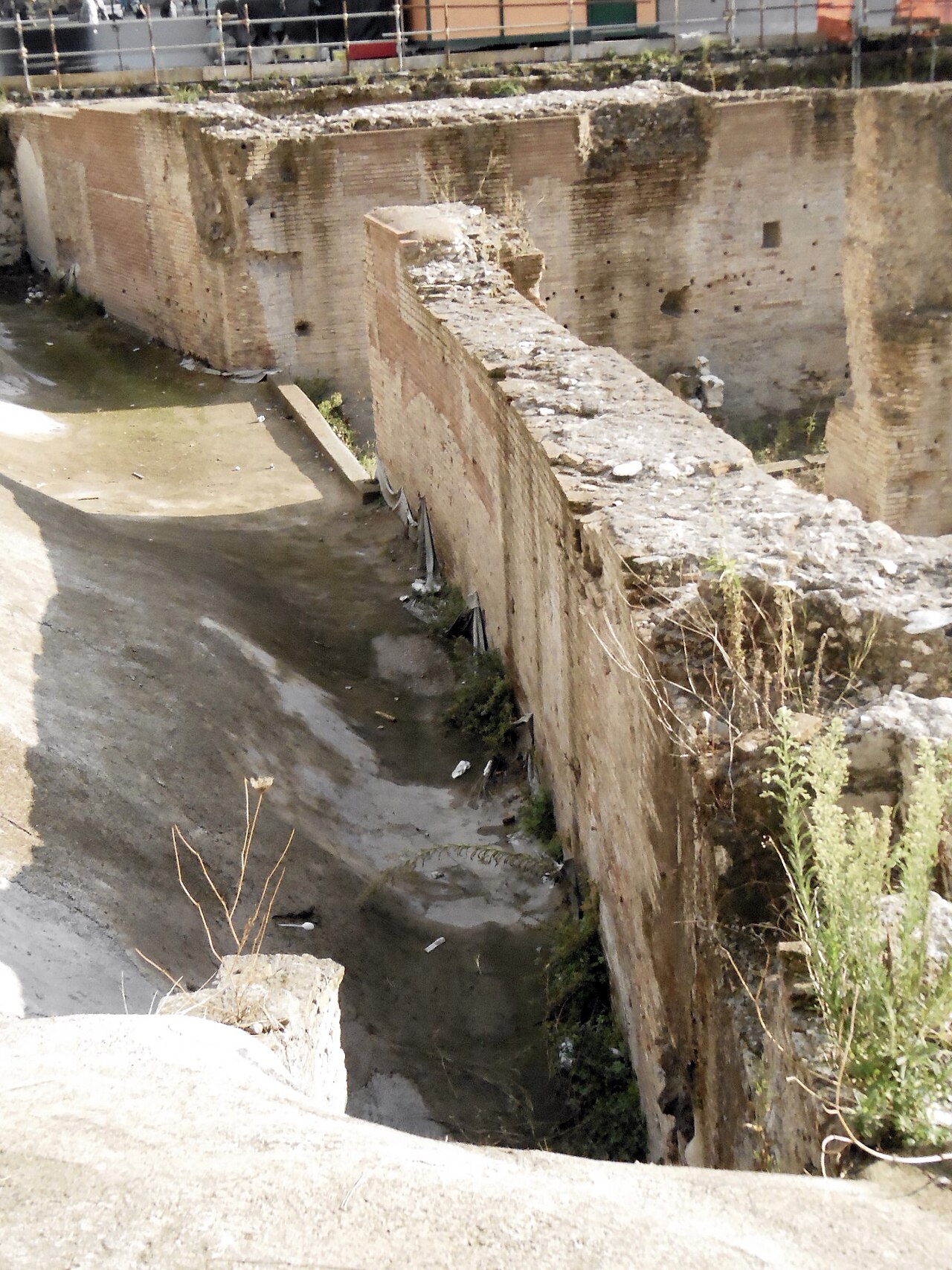
The site contains preserved architectural elements from the ancient structure. Visitors can observe surviving walls, foundations, and spatial arrangements that indicate the original layout. The construction techniques visible in the stonework and brick patterns reflect Roman engineering practices. Interpretive materials may assist in understanding the spatial organization. The remains demonstrate typical features of Roman public or semi-public buildings from the imperial period. The physical fabric of the monument provides tangible connection to ancient Roman building traditions and urban planning approaches. A flexible visit to Athenaeum leaves room to adjust for access conditions without relying on unverified schedules, prices or closure assumptions. Confirm practical details with the operator when available.
Controllato 2026-08-28


Quanto tempo dedicare
The duration of a visit depends on individual interest in archaeological detail and available interpretive resources. Most visitors typically spend between thirty minutes and one hour examining the visible remains and reading any explanatory information. Those with specialized knowledge of Roman architecture or particular interest in Hadrianic-period sites may wish to allocate additional time for closer examination of construction techniques and material evidence. The compact nature of the exposed remains suggests a relatively contained visitor experience compared to larger archaeological complexes in Rome.
Controllato 2026-08-28

Stagione e folla
Operator-confirmed hours are Not recorded pending review. Visitors should consult official sources before planning their visit. Seasonal considerations for Rome include warmer temperatures and higher tourist numbers during summer months, while spring and autumn generally offer more comfortable conditions for outdoor archaeological exploration. Winter visits may provide quieter access but weather conditions can affect comfort. The absence of confirmed operational details necessitates direct verification with responsible authorities or official tourism channels to establish current accessibility and any seasonal variations in visiting arrangements.
Controllato 2026-08-28
Biglietti
Operator-confirmed prices are Not recorded pending review. Visitors must verify current admission requirements and any applicable concessions through official channels before arrival. Many archaeological sites in Rome operate under combined ticketing arrangements or participate in broader museum networks, but specific arrangements for this location remain unconfirmed. Free admission may apply on certain heritage days or for designated visitor categories according to Italian cultural heritage regulations, though precise conditions require direct confirmation. Advance booking requirements, if any, are likewise Not recorded pending review.
Controllato 2026-08-28


Come arrivare
The site lies within Rome's historic center, accessible by the city's public transportation network. Walking from nearby landmarks and metro stations represents a common approach for visitors exploring central Rome's dense concentration of archaeological sites. The exact nearest transit stops and optimal routes are Not recorded pending review. Visitors should consult current city transport maps and journey planning resources. Rome's historic center presents pedestrian navigation challenges due to narrow streets, uneven surfaces, and traffic restrictions that affect vehicle access to the immediate vicinity of many ancient monuments.
Controllato 2026-08-28

_-_2021-08-25_-_1.jpg)
A cosa prestare attenzione
Archaeological sites present inherent physical hazards including uneven walking surfaces, changes in level, and exposed architectural elements. Visitors should exercise appropriate caution, particularly in wet conditions when stone surfaces become slippery. The absence of confirmed operational details means accessibility accommodations are Not recorded pending review. Protective barriers may restrict close approach to fragile remains. Rome's urban environment requires standard awareness regarding personal belongings and surroundings. Sun exposure at open-air sites necessitates appropriate preparation during warmer periods. Visitors should respect any posted restrictions protecting the archaeological fabric.
Controllato 2026-08-28

_-_2021-08-25_-_2.jpg)
Fotografia
Photography rules for this specific site are Not recorded pending review. Visitors should observe any posted signage regarding image capture and refrain from using equipment that may disturb other visitors or damage fragile remains. Flash photography may be restricted to protect sensitive materials. Commercial or tripod-based photography typically requires advance permission at Italian cultural heritage sites, though specific policies here remain unconfirmed. Drone use is generally prohibited in Rome's historic center. Respectful conduct that prioritizes preservation and does not impede other visitors represents appropriate practice when photographic permissions are unclear.
Controllato 2026-08-28
Domande comuni
What is the historical period of the Athenaeum for Athenaeum in Rome?
The site is associated with the Hadrianic period of Roman imperial history, representing construction activities during the reign of Emperor Hadrian.
Is the site fully accessible for visitors with mobility limitations for Athenaeum in Rome?
Accessibility accommodations are Not recorded pending review. Visitors with specific requirements should contact responsible authorities before visiting.
Are guided tours available at the Athenaeum for Athenaeum in Rome?
The availability of guided tours is Not recorded pending review. Visitors should consult official sources for current programming.
Can the site be visited with a combined ticket for Roman archaeological attractions for Athenaeum in Rome?
Specific ticketing arrangements and any participation in combined ticket schemes are Not recorded pending review.
What should visitors wear when exploring this archaeological site for Athenaeum in Rome?
Comfortable footwear with adequate grip is recommended due to uneven surfaces and changes in level typical of archaeological remains.
Are there restroom facilities at the Athenaeum for Athenaeum in Rome?
On-site visitor amenities including restroom facilities are Not recorded pending review.
Dov'è
Caricamento della mappa interattiva…
Impossibile caricare la mappa interattiva.
Nelle vicinanze
Inseriscilo in un piano
Collegamenti esterni
Ultimo aggiornamento:
Fonte: Contributori di OpenStreetMap, Wikidata ·