Monumento storico · Athens
Αρχαιολογικός Χώρος Κεραμεικού
Fotografia


- Oggi
- Orari non registrati
- Durata della visita
- 45 min
- Accessibilità
- Non registrato
- Prezzo
- Non registrato
- Posizione
- Da non perdere · Sito del patrimonio
- Rango
- Classifica 18 di 2,013
Informazioni su Αρχαιολογικός Χώρος Κεραμεικού
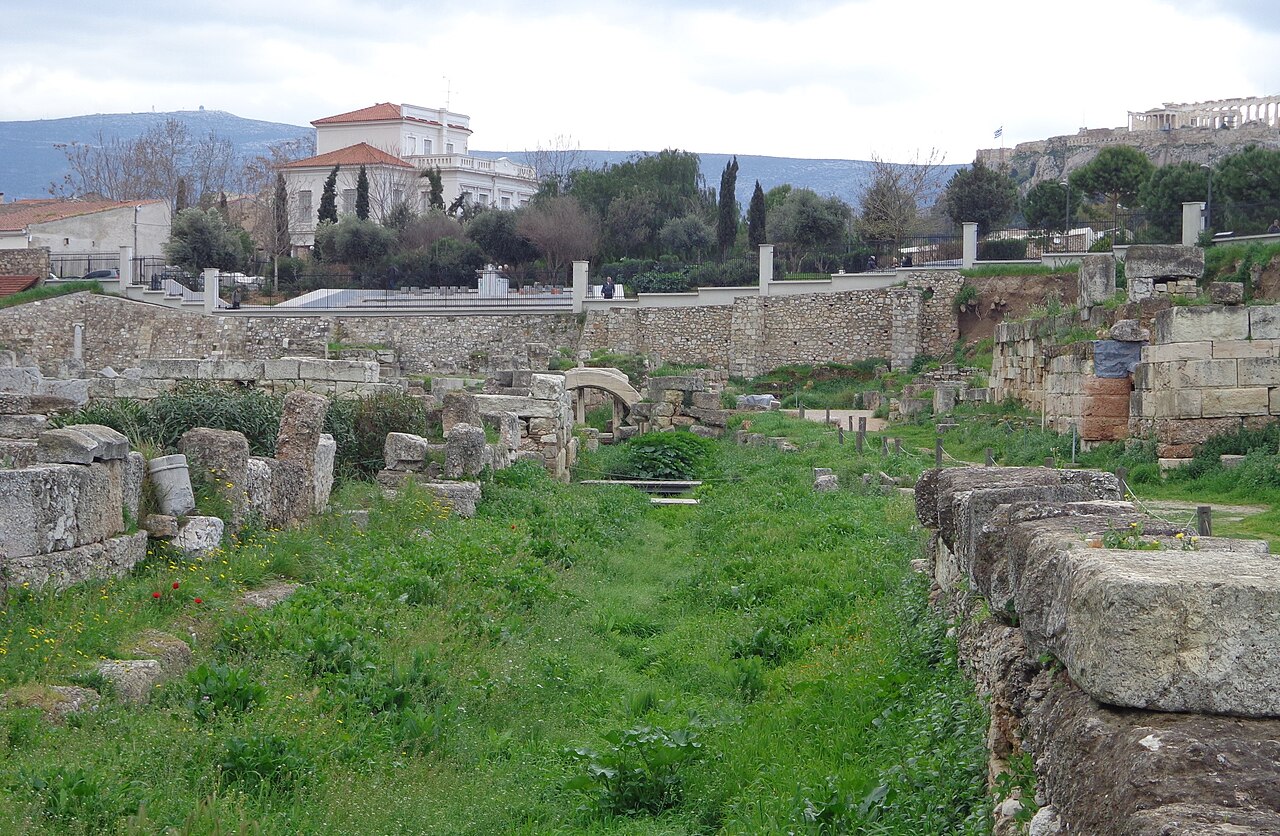
Kerameikos is an ancient cemetery and archaeological site in Athens, located northwest of the Acropolis along the Eridanos River. The area served as the primary burial ground for the city from the 12th century BC through Roman times. Its name derives from the potters' quarter that occupied the district, with kerameis meaning potters in Greek. The site encompasses extensive grave monuments, a section of the Themistoclean Wall, and the Dipylon and Sacred Gates, which were principal entrances to ancient Athens. Today it operates as an archaeological park and museum, preserving one of the most significant funerary complexes of the ancient Greek world.
Controllato 2026-08-26
Cosa c'è dentro
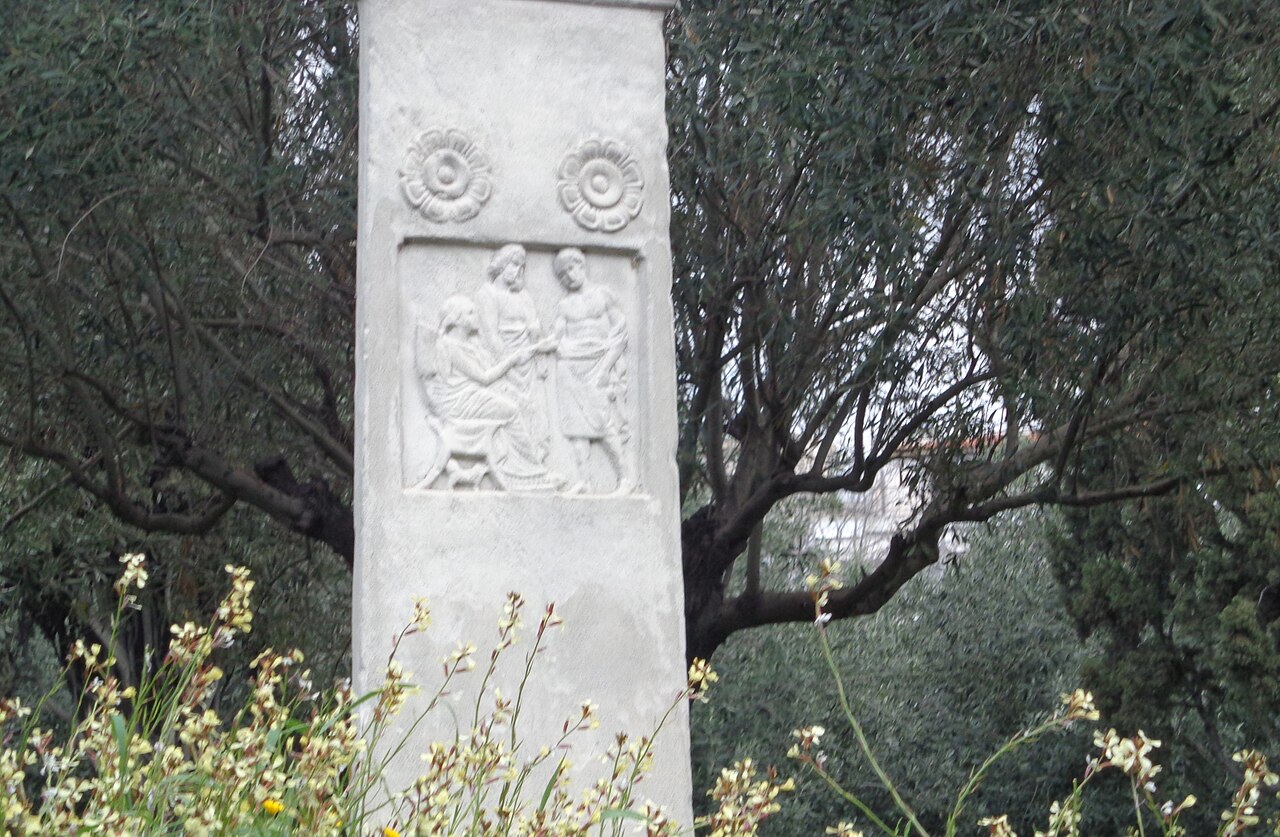
The site contains numerous grave monuments and stelae from various periods of Athenian history, including the Street of Tombs with its impressive funerary sculptures. Visitors can examine remains of the Dipylon Gate, the largest gate in ancient Athens, and the Sacred Gate leading to Eleusis. Portions of the city wall built under Themistocles are visible. The on-site museum houses significant finds from excavations, including sculptures, pottery, and grave offerings. Notable monuments include the bull of Dionysios of Kollytos and the family peribolos of the Pompeii. The Eridanos River, now a small stream, flows through the archaeological zone.
Controllato 2026-08-26


Quanto tempo dedicare
A thorough visit to Kerameikos requires approximately one to two hours, depending on individual interest in archaeological detail. The outdoor site covers substantial ground, with uneven paths connecting various monument clusters across the ancient cemetery. Visitors with strong interest in classical funerary art and inscriptions may wish to spend additional time examining individual grave markers and their decorative reliefs. The museum component adds roughly thirty to forty minutes for those viewing the collection comprehensively. Combined with nearby attractions in the Thissio and Gazi districts, Kerameikos can anchor a half-day exploration of northwestern Athens.
Controllato 2026-08-26


Stagione e folla
Operator-confirmed hours are Not recorded pending review. Visitors should verify current opening schedules through official Greek archaeological service channels before planning their visit. The outdoor nature of much of the site makes daylight hours essential for meaningful exploration. Summer midday visits entail exposure to intense Athenian sun with limited shade across the archaeological zone. Spring and autumn generally offer more comfortable temperatures for extended outdoor examination of monuments. Morning visits typically provide softer light for observing sculptural details on grave stelae and reduce the physical strain of walking the uneven terrain during peak heat.
Controllato 2026-08-26
Biglietti
Operator-confirmed prices are Not recorded pending review. The site may operate under the unified ticket system common to major Greek archaeological sites, though visitors must verify current arrangements. Reduced rates for qualifying categories such as students and seniors may apply where standard Greek archaeological pricing structures are in effect. EU guidelines sometimes influence concession policies at state-run sites. Combination tickets linking multiple archaeological attractions in Athens have been offered historically but require confirmation of current availability and participating locations. Visitors should consult official Hellenic Ministry of Culture resources or on-site signage for definitive pricing at time of visit.
Controllato 2026-08-26

Come arrivare
Kerameikos occupies a position accessible from central Athens walking routes, particularly from the Thissio metro station on Line 1 or from Monastiraki. The site lies along Ermou Street's western extension in the direction of Gazi. Multiple bus lines serve the broader Kerameikos district. The pedestrian-friendly ancient promenade connects indirectly with other archaeological zones. Visitors arriving from the Acropolis area can walk northwest through Thissio, though the route involves moderate distance. The surrounding neighborhood features contemporary street art and industrial heritage that complements the ancient site, making approach from various directions visually engaging for those exploring on foot.
Controllato 2026-08-26


A cosa prestare attenzione
The archaeological terrain presents uneven surfaces, exposed stone, and trip hazards throughout the burial precincts. Appropriate footwear is essential. Limited shelter from sun or rain characterizes most of the outdoor circuit. Some monument areas may be roped off for preservation without advance notice. The adjacent modern district contains active roadways requiring careful crossing. Water availability on-site appears minimal based on typical Greek archaeological site provisions, suggesting visitors carry supplies. The Eridanos stream area can present slippery conditions. Respectful conduct is appropriate given the funerary nature of the primary archaeological remains, which represent actual burial grounds of ancient Athenians.
Controllato 2026-08-26

Fotografia
Photography for personal use is generally permitted at Greek archaeological sites, though tripod and professional equipment may require advance permission from archaeological authorities. The open-air setting permits natural light photography throughout visiting hours, with morning and late afternoon offering optimal conditions for grave relief details. The bull monument and major stelae along the Street of Tombs provide substantial subjects. Overhead sun creates harsh shadows that complicate capturing sculptural depth. The museum interior may have specific restrictions on flash use to protect sensitive materials. The juxtaposition of ancient monuments against urban backdrops offers contextual documentation opportunities for visitors recording their archaeological exploration.
Controllato 2026-08-26
Domande comuni
Is Kerameikos included in the combined Acropolis ticket for Kerameikos in Athens?
Not recorded. Visitors should verify current ticket arrangements through official channels.
Are there guided tours available at the site for Kerameikos in Athens?
Not recorded. The site is primarily self-guided, though official archaeological service offerings may vary.
Is the site accessible for visitors with mobility limitations for Kerameikos in Athens?
Not recorded. The uneven ancient terrain presents likely challenges; visitors should assess conditions personally or seek official guidance.
Are there restroom facilities at Kerameikos for Kerameikos in Athens?
Not recorded. Standard provisions at Greek archaeological sites vary; visitors should plan accordingly.
Can I visit Kerameikos and the Ancient Agora on the same day for Kerameikos in Athens?
The sites are in reasonable proximity, making combined visits feasible with adequate time and energy. Specific scheduling depends on verified hours for each location.
Does the site have information panels in English for Kerameikos in Athens?
Not recorded. Major Greek archaeological sites typically provide multilingual information, but specific current provisions should be confirmed on-site.
Dov'è
Caricamento della mappa interattiva…
Impossibile caricare la mappa interattiva.
Nelle vicinanze
Inseriscilo in un piano
Collegamenti esterni
Ultimo aggiornamento:
Fonte: Contributori di OpenStreetMap, Wikidata ·