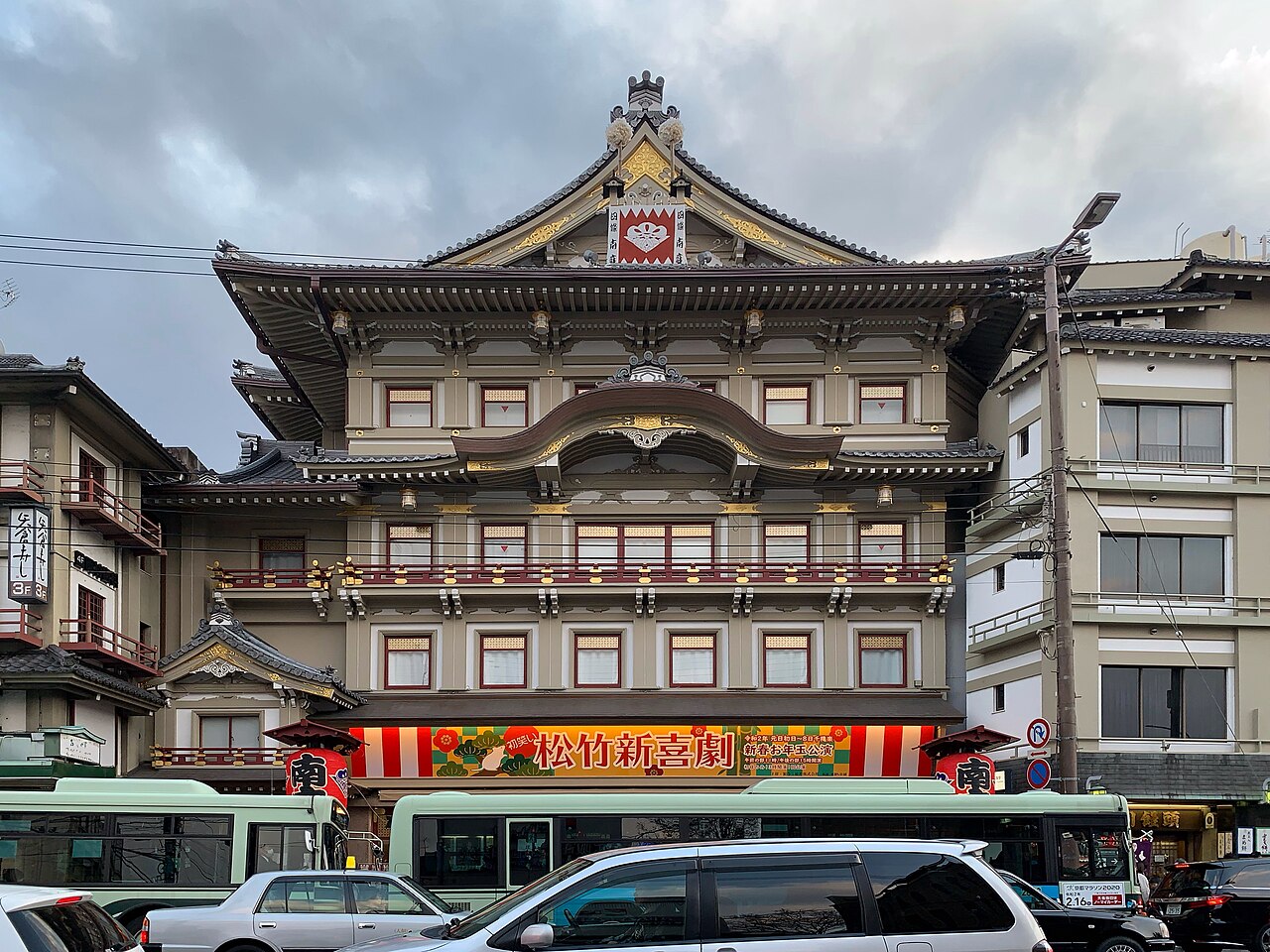
The National Museum of Modern Art, Kyoto is a major Japanese art museum located in the Okazaki Park cultural district. Established as an institution dedicated to modern and contemporary art, it operates alongside its counterpart in Tokyo. The museum occupies a purpose-built facility within a significant cultural precinct that also encompasses other major institutions. Its collection and exhibitions focus principally on Japanese artistic developments from the twentieth century onward, with particular attention to works connected to Kyoto and the Kansai region.
The museum maintains a collection of modern Japanese art including paintings, sculptures, prints, and crafts. Notable holdings include works from the Kyoto art world and examples of nihonga, yoga, and contemporary practices. The institution presents rotating exhibitions drawn from its permanent collection alongside special temporary exhibitions. The building contains multiple gallery spaces, an auditorium, and educational facilities. The museum shop offers publications and related materials. The architectural setting provides purpose-designed climate-controlled environments for artwork preservation and display.
Visitors typically allocate between ninety minutes and three hours for a comprehensive visit, depending on current exhibition scope and personal interest depth. A focused tour of permanent collection highlights may require approximately sixty to ninety minutes. Special exhibitions demand additional time for thorough engagement. The museum's scale permits meaningful shorter visits for those with limited availability. Visitors should consult current exhibition listings to estimate appropriate duration, as temporary shows significantly affect optimal visit length. A flexible visit keeps attention on what is distinctive at National Museum of Modern Art without treating one room, viewpoint or photograph as the whole experience. Conditions on arrival should decide the final pace.
Visitors must verify current opening schedules directly through official channels before planning attendance. Seasonal considerations include Kyoto's notable tourist congestion during cherry blossom season in spring and autumn foliage periods, when cultural institutions experience elevated visitation. Summer months bring heat and humidity that may affect comfort. Weekday mornings generally offer quieter conditions than weekends. Holiday periods and special exhibition openings typically generate peak attendance requiring advance preparation. The useful approach is to connect National Museum of Modern Art with the rest of the area while leaving enough time for the next stop. This works for both a focused first visit and a slower return. Check the operator's own site for the travel date before relying on a schedule or fare.
Admission structures typically differentiate between permanent collection access and special exhibition entry, with combination options commonly available. Reduced rates may apply for students, seniors, and groups, though specific eligibility and amounts require direct verification. Some institutions offer free admission on designated days or for specific demographics. Visitors should confirm current pricing, available discounts, and accepted payment methods through official museum communications prior to arrival. National Museum of Modern Art also earns time in a kyoto itinerary because its setting and role differ from the surrounding ranked stops. Compare the place with the nearby streets before deciding how it fits the day. Check the operator's own site for the travel date before relying on a schedule or fare.
The museum occupies a position in Kyoto's Okazaki Park area, accessible via multiple public transportation options. The Higashiyama Station on the Kyoto Municipal Subway Tozai Line provides nearby access. Multiple city bus routes serve the surrounding cultural district. The location sits within reasonable walking distance of other major Okazaki Park institutions including the Kyoto Municipal Museum of Art and Heian Shrine. Cycling represents a viable option given Kyoto's relatively flat terrain and bicycle-friendly infrastructure in this central area.
Visitors should anticipate regulated entry procedures including potential bag checks and restrictions on large items. Gallery environments require maintained quiet and appropriate behavior. Climate controls maintain preservation conditions that may feel cooler than external temperatures; layered clothing provides practical adaptation. Photography restrictions vary by exhibition and specific artwork designation, with explicit signage indicating permitted zones. Food and beverage consumption remains restricted to designated areas. The museum's popularity during special exhibitions may produce queue formations requiring patience.
Photography policies within the institution vary significantly between spaces and exhibitions. Permanent collection areas may permit non-flash photography for personal use, while special exhibitions commonly impose comprehensive restrictions. Individual artwork labels typically indicate specific permissions. Tripods, selfie sticks, and professional equipment generally face prohibition without advance authorization. Visitors must observe all posted signage and staff instructions regarding image capture. Commercial or publication use requires explicit institutional permission. When permitted, photography should not inconvenience other visitors or obstruct circulation paths.
Controllato 2026-08-28
Domande comuni
Is the museum accessible for visitors with mobility limitations?
The modern purpose-built structure incorporates accessibility features including elevators and accessible restrooms, though specific accommodation details require direct verification with the institution.
Does the museum offer English-language materials?
Major national museums in Japan typically provide some English support, though the extent of signage, audio guides, and printed materials varies; visitors should confirm current offerings directly.
Are dining facilities available on-site?
The museum contains a restaurant or cafe facility typical of major Japanese cultural institutions, though specific operating status and menu options require current verification.
Can tickets be purchased in advance?
Advance purchase options vary by exhibition type; special exhibitions commonly offer advance booking while permanent collection access may permit walk-up entry, requiring direct confirmation.
Is there storage for luggage or large items?
Coin-operated lockers of standard Japanese dimensions are typically available, though capacity for oversized luggage may be limited and should be verified before arrival.
Does the museum participate in reciprocal admission programs?
Potential partnerships with other cultural institutions or tourist passes require direct verification with the museum, as program participation changes periodically.
Nessun elemento non essenziale viene impostato prima che tu scelga, nelle regioni in cui il consenso è richiesto. Se rifiuti, gli annunci continuano ad apparire e l'analitica viene disattivata completamente.