Monument historique · Tokyo
大奥跡
Photographie

- Aujourd'hui
- Horaires non renseignés
- Durée de la visite
- 45 min
- Accessibilité
- Non renseigné
- Prix
- Non renseigné
- Classement
- Élevé
- Rang
- Rang 86 sur 22,489
À propos de 大奥跡
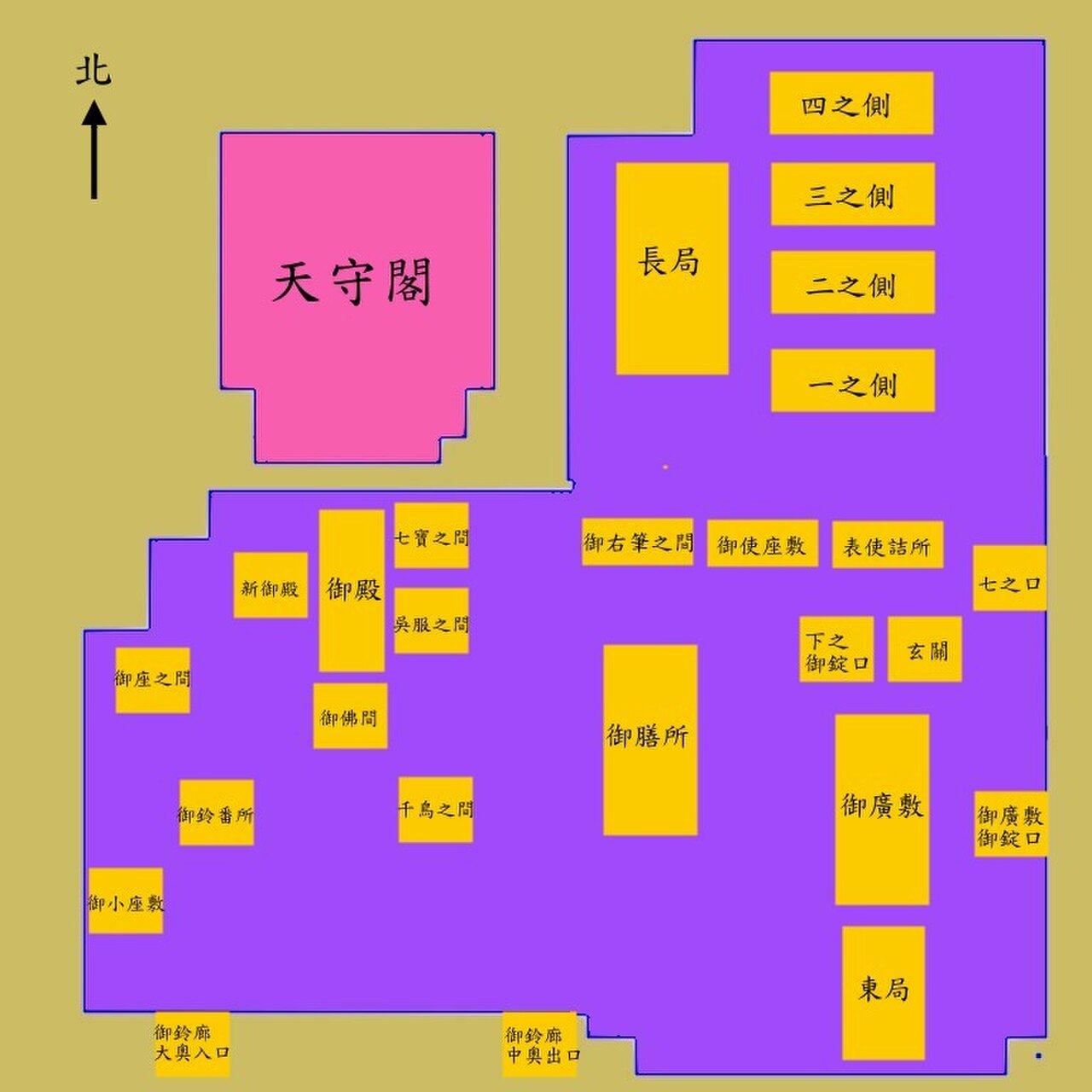
Ōoku, known locally as 大奥跡, marks the site of the women's quarters in Edo Castle, the administrative heart of the Tokugawa shogunate from 1603 to 1868. This secluded precinct housed the shōgun's consorts, female attendants, and servants, operating as a self-contained world with its own hierarchy and protocols. The term Ōoku literally translates to Great Interior, reflecting its physical and social separation from the male-dominated official spaces. Today, little physical structure survives at this location, which stands as a significant historical marker of gendered power structures in feudal Japan and the institutional complexity of the bakufu government system.
Vérifié le 2026-08-28
Qu'y a-t-il à l'intérieur
The present site of Ōoku offers minimal surviving physical fabric from its operational period. Visitors encounter commemorative markers and interpretive elements rather than reconstructed buildings. The original complex comprised multiple gates, corridors, chambers, and gardens arranged to enforce strict segregation. Fire and subsequent development erased most tangible remnants. What remains is primarily the historical significance embedded in the location itself, supplemented by any on-site plaques or signage that may communicate the former layout and function. The experience centers on contemplation of absent architecture and the lives once confined within this politically potent but physically vanished space.
Vérifié le 2026-08-28
Combien de temps passer
A visit to the Ōoku site typically requires brief engagement, likely fifteen to thirty minutes for reading available information and considering the historical context. The absence of extensive physical structures limits prolonged exploration. Visitors often combine this stop with broader examination of the surrounding Edo Castle grounds or nearby historical markers. Those with deep interest in Tokugawa institutional history may linger longer in reflective observation. The duration ultimately depends on individual engagement with interpretive materials present and the extent of prior knowledge brought to this historically dense but materially sparse location.
Vérifié le 2026-08-28
Saison et foule
Operator-confirmed hours for the Ōoku site specifically are Not recorded pending review. The location exists within the broader Edo Castle grounds, which have their own access schedules and seasonal variations. Visitors should verify current accessibility through official channels before planning. Weather considerations apply as for any outdoor historical marker in Tokyo, with summer humidity and winter cold affecting comfort. The site holds no particular seasonal events or optimal viewing conditions tied to natural phenomena. Morning or weekday visits may offer quieter conditions for contemplation, though this reflects general visitor judgment rather than confirmed operational guidance.
Vérifié le 2026-08-28
Billets
Operator-confirmed prices for the Ōoku site specifically are Not recorded pending review. Access to this historical marker may fall within free public space or require payment depending on its exact administrative relationship to surrounding castle grounds. Visitors should verify current fee structures through official sources before arrival. No advance booking systems or special access arrangements are documented in available sources. Group rates, concession categories, and payment methods remain unconfirmed. Budget-conscious travelers should prepare for variable possibilities and seek authoritative current information rather than relying on assumptions about cost-free access to historically significant urban locations in central Tokyo.
Vérifié le 2026-08-28
Y arriver
The Ōoku site occupies a position within the former Edo Castle precincts, now largely the Imperial Palace East Gardens area in central Tokyo. Multiple railway stations serve this district, including Ōtemachi and Takebashi on the Tokyo Metro network, and Tokyo Station for JR lines. Exact pedestrian routing from transit points to the specific marker requires on-site navigation or updated mapping applications. The area features extensive paved surfaces with some elevation changes. Signage in Japanese predominates, though major visitor destinations nearby typically include some English indicators. Wheelchair accessibility cannot be confirmed from available sources and should be verified directly.
Vérifié le 2026-08-28
À quoi faut-il faire attention
Visitors should recognize that the Ōoku site offers minimal physical protection from weather elements as an open-air marker. The surrounding castle grounds maintain security protocols including bag inspection at some entrances. Photography restrictions may apply in adjacent areas with ongoing official functions. The historical gravity of this site, representing systemic female seclusion, warrants respectful conduct. No food vendors or restroom facilities are confirmed at this specific location. The broader palace gardens area can involve substantial walking between points of interest. Summer heat and UV exposure present genuine health considerations for unprepared visitors in this exposed urban environment.
Vérifié le 2026-08-28
Photographie
Photography at the Ōoku marker itself likely faces no specific restrictions as a historical commemoration in public space, though visitors should observe any posted notices. Adjacent areas within the Imperial Palace complex may impose controls, particularly where modern official functions occur. The minimal physical remains challenge conventional monument photography, encouraging creative approaches to capturing historical absence. Morning and late afternoon light may offer atmospheric conditions for contextual shots of surrounding castle features. Tripod use, drone operation, and commercial photography likely require permits from relevant authorities. Respectful discretion remains advisable given the site's association with confined lives and institutional gender segregation.
Vérifié le 2026-08-28
Questions courantes
Are the original buildings of Ōoku still standing?
No. The original structures were destroyed by fire and subsequent development. Only commemorative markers remain at the site.
Can visitors enter reconstructed interior spaces?
No reconstructed interiors exist at this location. The site consists of outdoor markers indicating the former position of the quarters.
Is the Ōoku site included in palace garden admission?
Specific admission relationships are Not recorded pending review. Visitors should verify current access arrangements through official channels.
What does the name Ōoku signify?
Ōoku translates as Great Interior, referring to the physically and socially segregated women's quarters within Edo Castle.
Are guided tours available at this specific site?
Dedicated guided services for this marker are Not recorded pending review. General palace area tours may or may not include this location.
How does this site relate to the Tokugawa shogunate?
The Ōoku formed the domestic core of Edo Castle, housing the shōgun's household and operating as a crucial political space through kinship networks during Tokugawa rule.
Où c'est
Chargement de la carte interactive…
La carte interactive n'a pas pu être chargée.
À proximité
Insérez-le dans un plan
Liens externes
Dernière mise à jour:
Source: Contributeurs OpenStreetMap, Wikidata ·