Monument historique · Tokyo
歌舞伎町
Photographie
.jpeg)
- Aujourd'hui
- Horaires non renseignés
- Durée de la visite
- 45 min
- Accessibilité
- Non renseigné
- Prix
- Non renseigné
- Classement
- Incontournable
- Rang
- Rang 43 sur 22,489
Qu'est-ce que c'est
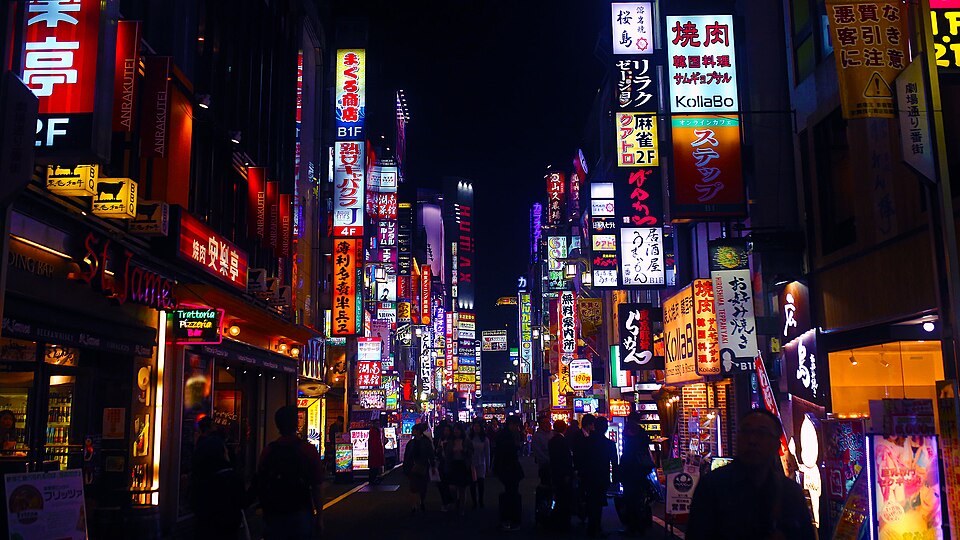
Kabukichō is an entertainment and red-light district in Shinjuku, Tokyo. Established in the post-war period, it was named after a planned kabuki theatre that was never built. The area occupies roughly the northeast of Shinjuku Station and is known for its dense concentration of nightlife venues, restaurants, bars, and adult-oriented establishments. It is one of Japan's most famous entertainment districts and has appeared in numerous films and media productions, both domestic and international. Kabukichō also earns time in a tokyo itinerary because Tokyo production has zero POIs assigned through city_place_id, so no identifier or coordinate is inferred. Its value becomes clearer when the stop is compared with the surrounding streets and the other ranked places nearby.
Vérifié le 2026-08-26
Qu'y a-t-il à l'intérieur
The district contains a mixture of legitimate entertainment venues and establishments of varying reputability. Visitors will find restaurants, karaoke parlours, pachinko halls, cinemas, and love hotels. The famous Robot Restaurant operated here until its closure. Toho Cinemas Shinjuku, with its giant Godzilla head, is a notable landmark. The area also contains host and hostess clubs, massage parlours, and other adult businesses. Caution is advised as some establishments target tourists with aggressive touting and deceptive pricing practices.
Vérifié le 2026-08-26
Combien de temps passer
Most visitors spend between one and three hours exploring Kabukichō, though this varies considerably depending on individual interests. Those dining at restaurants or visiting specific entertainment venues may stay longer. Evening visits are common for atmosphere and nightlife, while daytime exploration allows easier navigation and observation of the district's architecture and signage. The compact geographical area means walking the main streets requires relatively little time, though the dense vertical development rewards slower observation. A flexible visit lets travellers connect Kabukichō with the rest of the day without treating one room, viewpoint or photograph as the whole experience. The useful pace depends on personal interest and conditions on arrival.
Vérifié le 2026-08-26
Saison et foule
Operator-confirmed hours or seasonal variations are Not recorded pending review. The district operates throughout the day, with atmosphere transforming significantly after dark when neon signage illuminates the streets and nightlife venues become active. Daytime visits offer calmer conditions for photography and casual exploration. Weekend evenings are typically busiest. Visitors should note that individual establishments maintain independent schedules, and many nightlife venues operate late into the night or early morning. No specific festival dates or seasonal events are documented in available sources.
Vérifié le 2026-08-26
Billets
Operator-confirmed prices are Not recorded pending review. Kabukichō itself has no admission fee as it is a public district. Individual venues set their own pricing, which varies enormously. Visitors should exercise extreme caution regarding pricing, as some establishments employ deceptive practices including hidden charges, inflated bills, and aggressive demands for payment. Establishments may quote misleading initial prices. It is strongly recommended to confirm all costs in writing before entering any venue and to avoid following touts into unknown establishments.
Vérifié le 2026-08-26
Y arriver
Kabukichō is accessible via Shinjuku Station, one of Tokyo's major transport hubs served by JR lines, private railways, and multiple subway lines. From Shinjuku Station's east exit, the district lies approximately five to ten minutes' walk northeast. The area is pedestrian-friendly though densely built. Signage in Japanese and some English directs visitors. Taxis are readily available but unnecessary for access. The district's narrow streets and heavy evening foot traffic make walking the primary mode of internal navigation. No specific parking information is recorded.
Vérifié le 2026-08-26
À quoi faut-il faire attention
Visitors should exercise heightened vigilance in Kabukichō. Aggressive touting, particularly targeting foreign tourists, is common near station exits and main streets. Scams involving extortionate bar bills, drink spiking, and credit card fraud have been reported. Some establishments employ bouncers who prevent departure until payment. The Nigerian touts, while not universally problematic, have been associated with various visitor complaints. Photography of individuals and certain establishments may provoke hostile reactions. Visitors appearing intoxicated or disoriented are particularly vulnerable. Police boxes exist in the vicinity for assistance.
Vérifié le 2026-08-26
Photographie
Street photography of neon signage, architectural elements, and general street scenes is generally tolerated and captures the district's distinctive visual character. The Godzilla head at Toho Cinemas is a popular photographic subject. However, photographers should avoid capturing identifiable individuals, particularly those associated with nightlife venues, as this may provoke confrontation. Many establishments prohibit photography internally. Tripod use in narrow streets may obstruct pedestrian flow and attract unwanted attention. Night photography requires attention to personal belongings and surroundings due to crowded conditions and the district's safety considerations.
Vérifié le 2026-08-26
Questions courantes
Is Kabukichō safe for tourists for Kabukichō in Tokyo?
The district presents elevated risks compared to typical Tokyo areas. Visitors should remain alert, avoid touts, confirm prices before entering venues, and avoid appearing intoxicated. Serious incidents occur but are not the norm for cautious visitors.
Can I visit Kabukichō during the day for Kabukichō in Tokyo?
Yes, daytime visits are possible and offer calmer conditions. Many restaurants and some venues operate during daylight hours, though the district's distinctive atmosphere is most pronounced after dark.
Are there family-friendly activities in Kabukichō for Kabukichō in Tokyo?
Some restaurants and the Toho Cinemas complex with its Godzilla head appeal to general audiences. However, the district's predominant character as an entertainment and red-light district makes it generally unsuitable for children.
What should I do if I experience a problem for Kabukichō in Tokyo?
Contact police at the nearest kōban if safe to do so. Embassy contact may assist serious situations. Prevention through avoiding touts and unknown establishments is strongly preferable to seeking assistance after incidents occur.
Is English spoken in Kabukichō for Kabukichō in Tokyo?
English proficiency varies considerably. Some venues catering to tourists may have English-speaking staff, while others do not. Touts may use basic English. Written English signage is present but not universal.
Are there guided tours of Kabukichō for Kabukichō in Tokyo?
Some commercial tour operators offer guided walks through Shinjuku including Kabukichō. Availability, scheduling, and content of such tours are not recorded in available sources and would require direct operator confirmation.
Où c'est
Chargement de la carte interactive…
La carte interactive n'a pas pu être chargée.
À proximité
Insérez-le dans un plan
Liens externes
Non enregistré Aucune source vérifiée ne l'a encore enregistré.Dernière mise à jour:
Source: Contributeurs OpenStreetMap ·