Musée · Berlin
Märkisches Museum
Photographie


Horaires d'ouverture
| lundi | Fermé |
|---|---|
| mardi | 10:00 – 18:00 |
| mercredi | 10:00 – 18:00 |
| jeudi | 10:00 – 18:00 |
| vendredi | 10:00 – 18:00 |
| samedi | 10:00 – 18:00 |
| dimanche | 10:00 – 18:00 |
Également enregistré : 12:00 – 20:00
Analyse à partir des heures d'ouverture d'OpenStreetMap le 2026-08-26.
- Aujourd'hui
- Ouvert aujourd'hui, 10:00 – 18:00
- Durée de la visite
- 1 h 30 min
- Accessibilité
- Non renseigné
- Prix
- Non renseigné
- Classement
- Remarquable · Site patrimonial
- Rang
- Rang 15,162 sur 17,948
À propos de Märkisches Museum
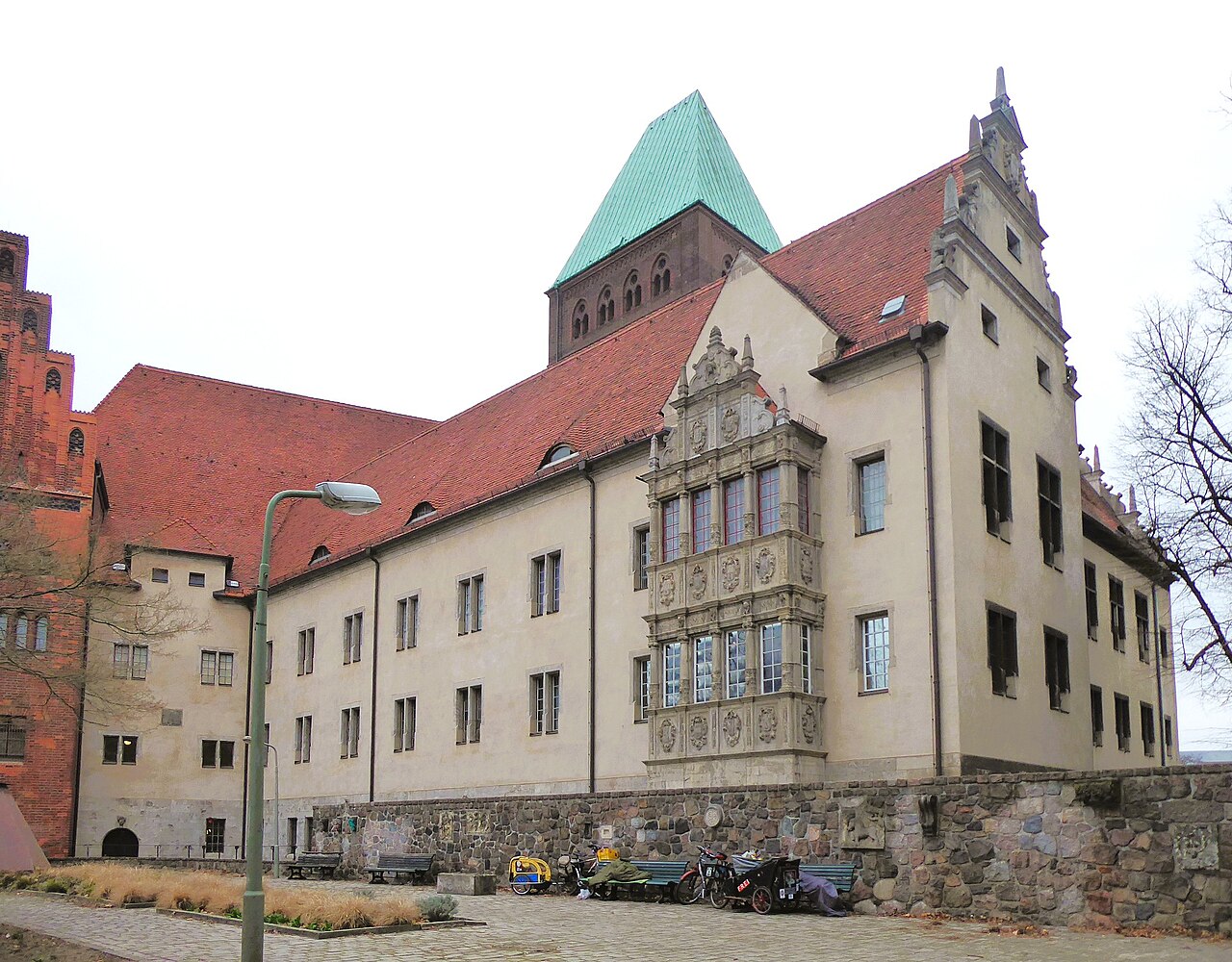
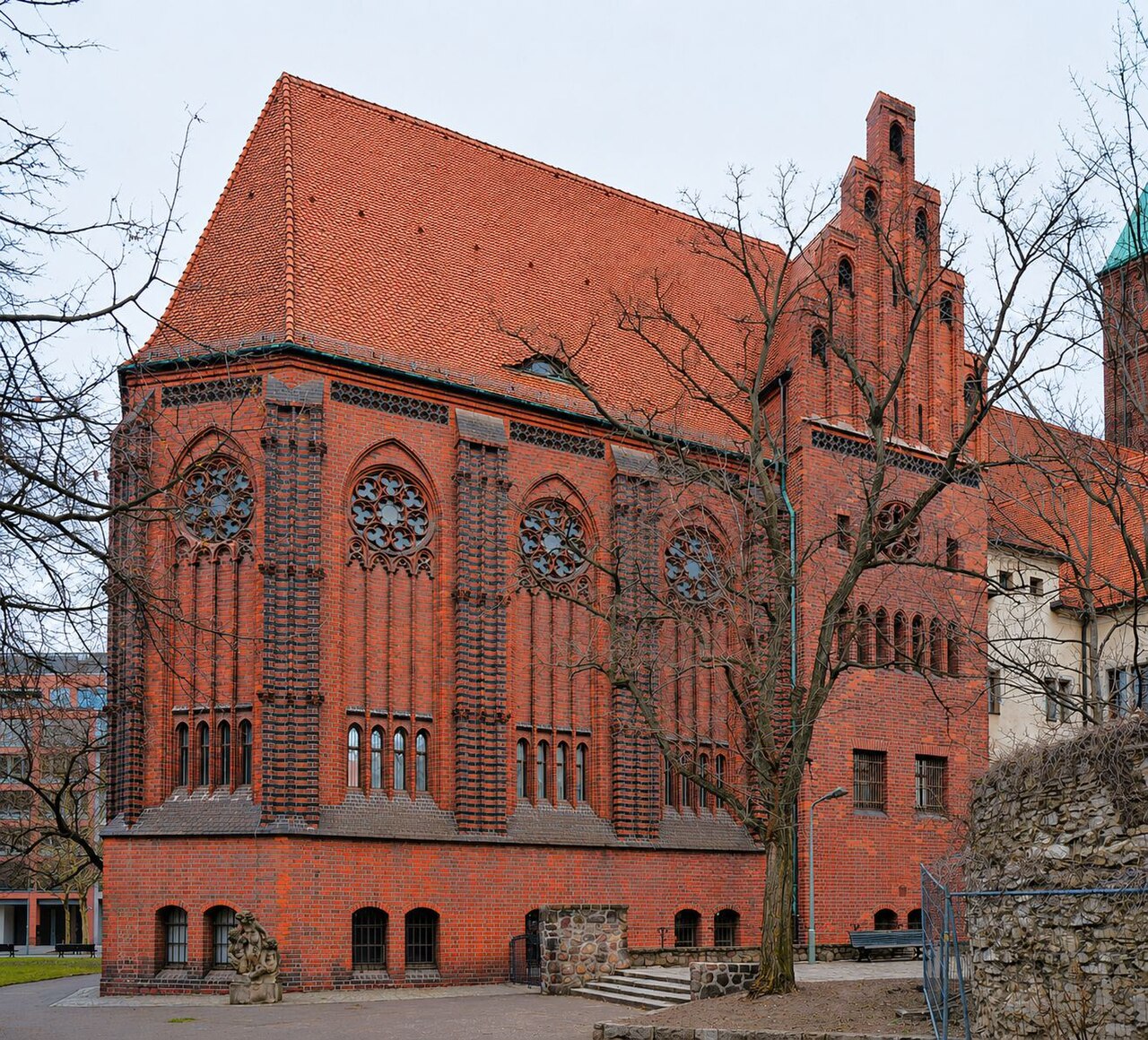
The Märkisches Museum is a museum in Berlin dedicated to the history and culture of the city and its surrounding Mark Brandenburg region. Housed in a distinctive red-brick building in the Köllnischer Park area near the Spree River, it serves as a key institution for understanding Berlin's development from medieval origins through modern times. The building itself, completed in the early twentieth century, was designed to evoke northern German architectural traditions. It forms part of a broader museum complex in the area. The institution holds significant collections that document regional heritage and urban transformation.
Vérifié le 2026-08-26
Qu'y a-t-il à l'intérieur
The museum contains collections spanning archaeology, decorative arts, and historical artifacts related to Berlin and Brandenburg. Exhibits include items from prehistoric and early historic periods, medieval stonework, and objects illustrating daily life in past centuries. There are displays of craft traditions, urban development, and cultural practices specific to the region. The museum also features collections of paintings, prints, and photographs documenting the city's visual history. Period rooms and reconstructed interiors offer visitors glimpses into historical domestic and public spaces. The holdings reflect both aristocratic and bourgeois aspects of regional heritage.
Vérifié le 2026-08-26
.jpg)
Combien de temps passer
Visitors typically allocate between one and two hours for a general overview of the museum's main exhibitions. Those with particular interest in regional history, decorative arts, or archaeological collections may wish to extend their stay. The building's architectural features themselves warrant some attention. A thorough examination of all galleries and special displays could occupy half a day. School groups and organized tours may follow structured itineraries of varying duration. Individual pacing depends on reading depth, audio guide use if available, and personal interest in specific historical periods represented in the collections.
Vérifié le 2026-08-26
.jpg)
Saison et foule
Operator-confirmed hours are Not recorded pending review. Visitors should consult official sources before planning their trip. The museum's location in central Berlin makes it accessible throughout the year. Indoor exhibitions provide shelter from seasonal weather conditions. Weekday mornings may offer quieter visiting conditions compared to peak tourist periods. The surrounding Köllnischer Park provides outdoor space that complements a museum visit in favorable weather. Holiday periods and school vacation times may affect crowd levels. Advance verification of opening status is advisable, as museums may adjust schedules for renovations, special events, or public holidays without extensive public notice.
Vérifié le 2026-08-26
Billets
Operator-confirmed prices are Not recorded pending review. Visitors should verify current admission fees through official channels before arrival. The museum may participate in broader Berlin museum pass schemes or combination ticket arrangements, though specific details require confirmation. Reduced rates for qualifying categories such as students, seniors, or groups may be available but need official verification. Free entry periods, if any, would be announced by the institution directly. Online booking options and payment methods should be checked in advance. Annual membership or friends-of-the-museum programs may exist for frequent visitors or local residents interested in sustained engagement.
Vérifié le 2026-08-26

.jpg)
Y arriver
The museum sits in the Mitte district near the Spree River, accessible via Berlin's public transportation network. Nearby U-Bahn stations include Märkisches Museum on the U2 line, positioned conveniently for pedestrian access. Bus and tram connections serve the broader area. Walking from Alexanderplatz or other central landmarks is feasible for able visitors. Cyclists find routes along the river and through surrounding streets. Limited parking in the historic city center makes public transit preferable. The location near other cultural institutions permits combined itinerary planning. Signage in the vicinity directs pedestrians toward the museum entrance within Köllnischer Park.
Vérifié le 2026-08-26

.jpg)
À quoi faut-il faire attention
The historic building contains stairs and level changes that may challenge visitors with mobility limitations; elevator access should be verified in advance. Some original architectural features reflect early twentieth-century standards rather than contemporary accessibility norms. Display cases and lighting conditions vary across galleries. Temporary closures of specific wings for renovation or reinstallation may affect what is viewable. Security procedures including bag checks are standard practice. Coat storage may be required for larger items. The surrounding park area has its own characteristics including uneven paths and water features that warrant attention, particularly for visitors with young children or stability concerns.
Vérifié le 2026-08-26

.jpg)
Photographie
Photography policies within the museum require confirmation at entry, as restrictions commonly apply to permanent collections and special exhibitions. Flash photography typically damages sensitive artifacts and is prohibited in most historical museums. Tripods and professional equipment usually need advance permission. Some contemporary displays or loaned works may carry specific prohibitions. Visitors should observe signage and staff instructions regarding image-making. The building exterior and surrounding park offer unrestricted photographic opportunities capturing the distinctive brick architecture against green space and water. Respect for other visitors' experience and privacy should guide all photography, particularly in crowded gallery conditions or during educational programming.
Vérifié le 2026-08-26
Questions courantes
Is the Märkisches Museum suitable for children for Märkisches Museum in Berlin?
The museum addresses regional history that may engage school-age children with prior interest, though younger visitors might find traditional displays less interactive than dedicated children's museums. Parental judgment advised.
Are guided tours available for Märkisches Museum in Berlin?
Guided tour availability is Not recorded. Visitors should inquire directly with the museum about scheduled tours, group bookings, or audio guide options before their visit.
Is there a café or restaurant on site for Märkisches Museum in Berlin?
On-site catering facilities are Not recorded. The central location provides numerous dining options in surrounding streets, though visitors should plan accordingly for meal needs.
Are lockers or storage facilities provided for Märkisches Museum in Berlin?
Storage facilities are Not recorded. Visitors carrying large bags should anticipate possible security requirements and check current policies regarding personal items.
Is the museum accessible for wheelchair users for Märkisches Museum in Berlin?
Full accessibility details are Not recorded. The historic building presents known architectural challenges; visitors requiring step-free access should contact the museum directly for verified current provisions.
How does this museum relate to other Berlin history museums for Märkisches Museum in Berlin?
The Märkisches Museum focuses specifically on the Mark Brandenburg region and Berlin's development, complementing rather than duplicating institutions with broader German or specialized thematic scopes. Visitor interests determine optimal combinations.
Où c'est
Chargement de la carte interactive…
La carte interactive n'a pas pu être chargée.
À proximité
Insérez-le dans un plan
Liens externes
Dernière mise à jour:
Source: Contributeurs OpenStreetMap, Wikidata ·