موقع طبيعي · Nairobi
Arboretum
صورة فوتوغرافية


- اليوم
- ساعات العمل غير مسجلة
- مدة الزيارة
- 1 ساعة
- إمكانية الوصول
- غير مسجّل
- السعر
- غير مسجّل
- المكانة
- يجب رؤيته
- رتبة
- الرتبة 16 من 2,717
نبذة عن Arboretum
Nairobi Arboretum is a public green space in Nairobi, Kenya. Established in 1907, it spans approximately 30 hectares along State House Road in the Kilimani area. Originally created as a site for forestry research and trials of exotic tree species, it now functions as a recreational park and urban forest reserve. The arboretum lies near the city centre, offering accessible nature within Kenya's capital. It holds significance as one of Nairobi's older planned green spaces, reflecting colonial-era botanical interests that evolved into contemporary public use.
تم التحقق 2026-08-26
ماذا يوجد بالداخل
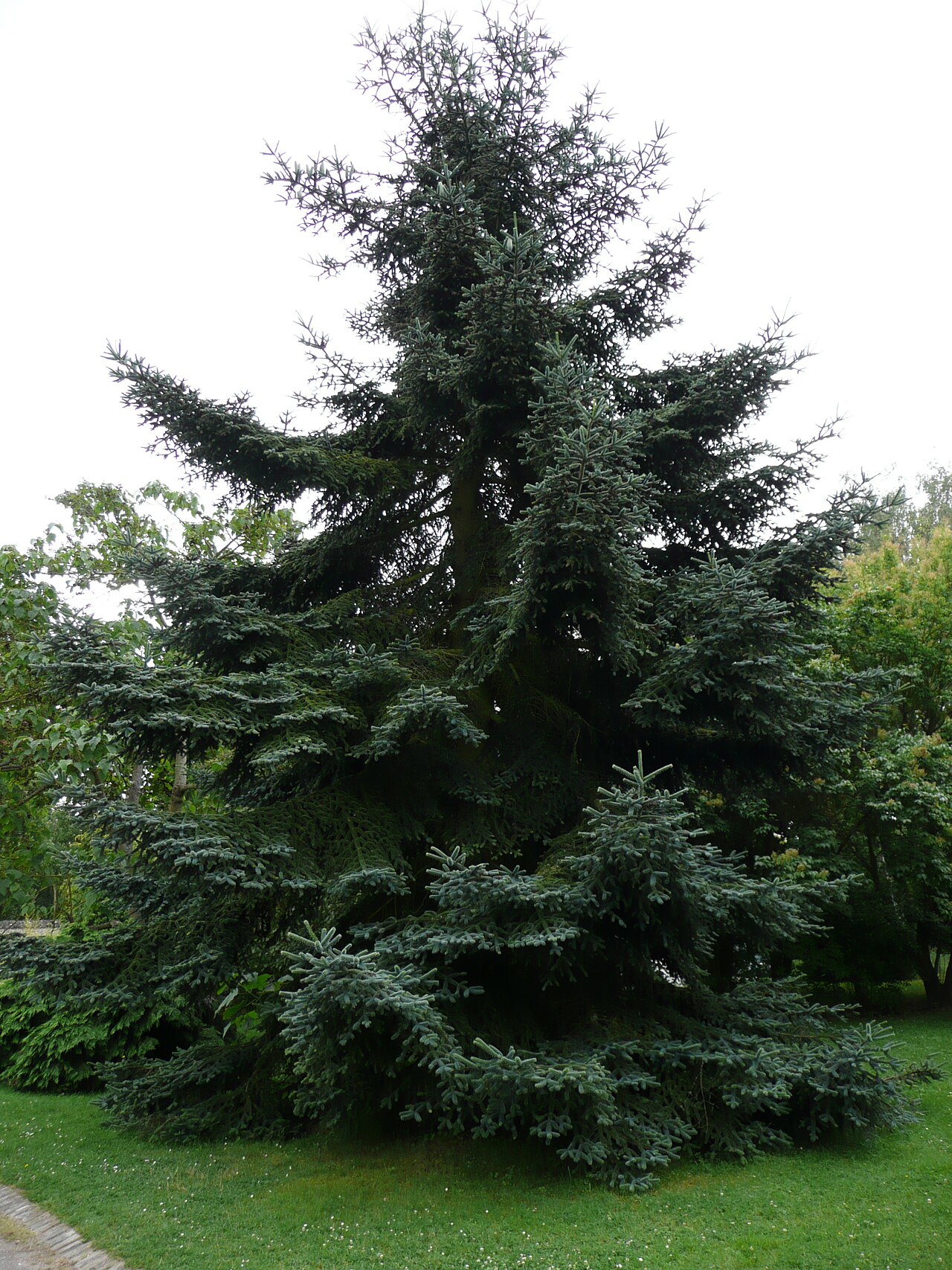
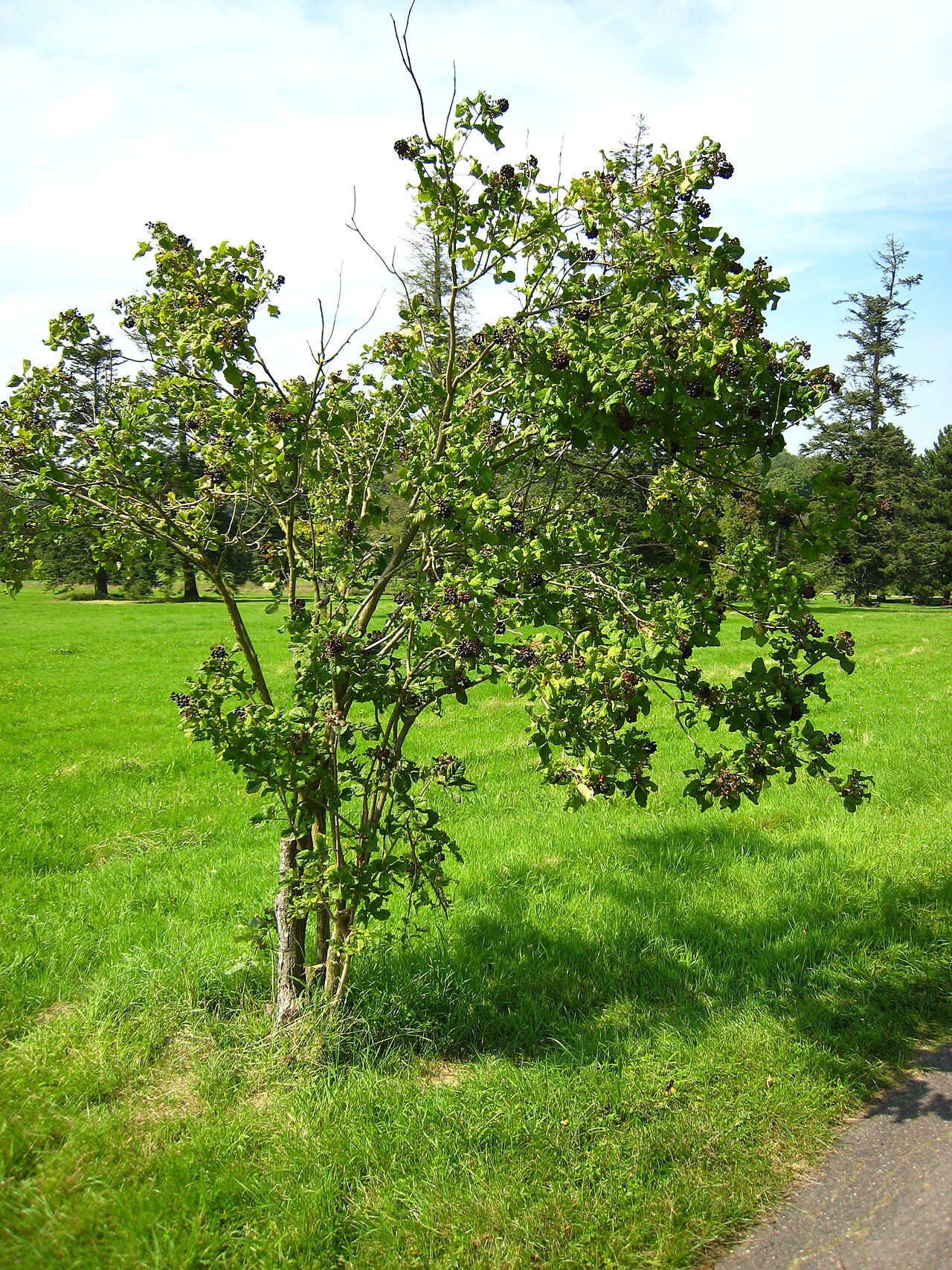
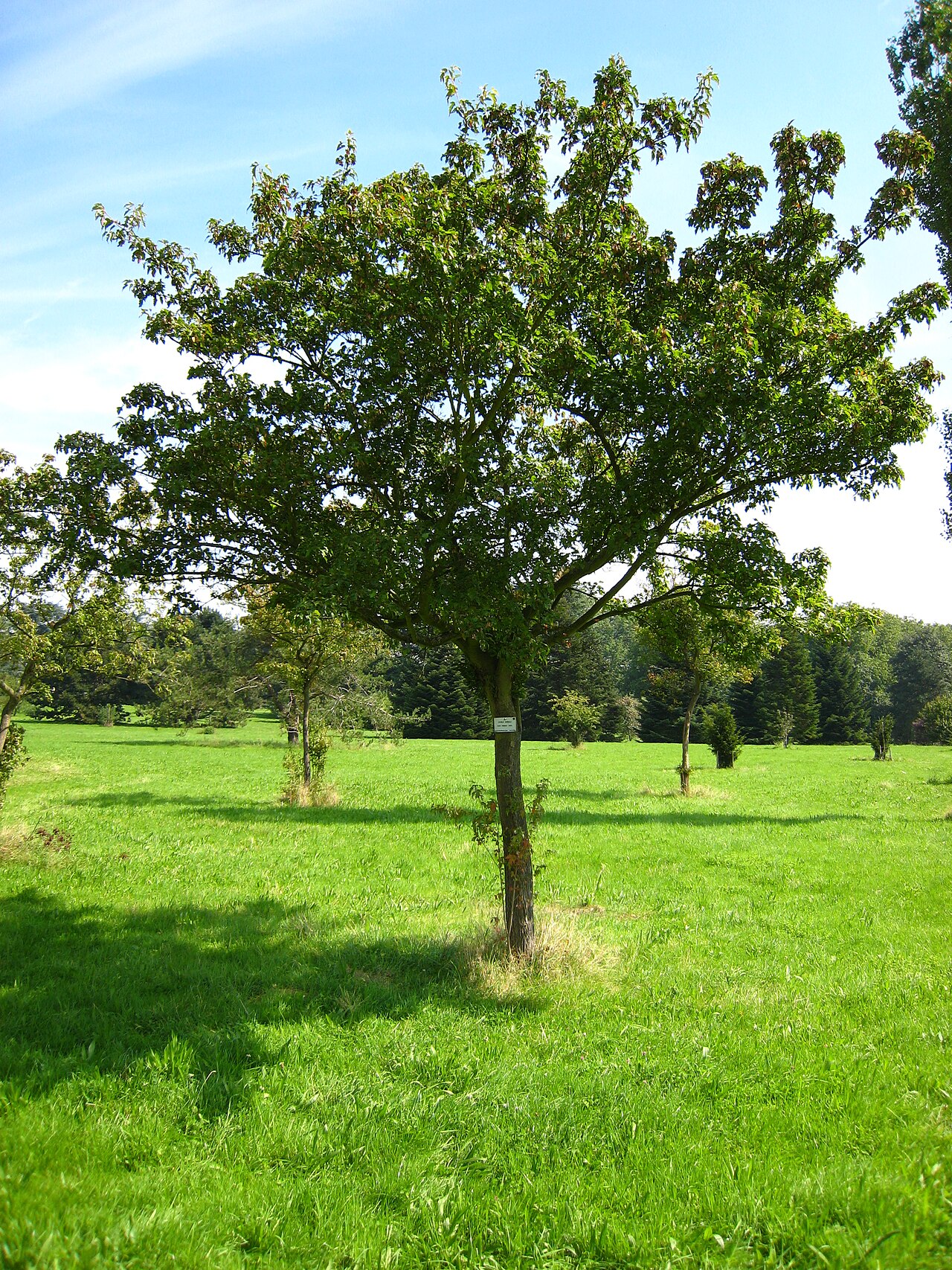
The arboretum contains extensive tree collections, including indigenous and exotic species planted during its research phase. Walking paths traverse the grounds, connecting shaded areas with open grassy sections. Birdlife is notable, with numerous species recorded in the canopy and undergrowth. The Nairobi River flows through part of the site, contributing riparian habitat. Benches and informal clearings provide rest spots. The landscape varies between dense woodland, maintained lawns, and sloping terrain. No buildings of major architectural significance are present; the emphasis remains on vegetation and passive recreation rather than constructed attractions.
تم التحقق 2026-08-26


المدة المقترحة للزيارة
A thorough visit typically requires one to two hours for walking the main paths and observing tree specimens. Birdwatchers may extend this to three hours for productive observation periods. The compact size permits brief stops of thirty minutes for exercise or relaxation. Repeat visits suit those tracking seasonal changes in flowering and foliage. Morning hours generally offer cooler temperatures and more active wildlife. The flat-to-gently-rolling terrain accommodates most fitness levels without strenuous demands. Visitors should account for Nairobi's variable weather, which can interrupt outdoor plans.
تم التحقق 2026-08-26

الموسم والحشود
Nairobi's equatorial highland climate provides generally mild conditions year-round, with temperatures typically between 15 and 25 degrees Celsius. Two rainy seasons occur, roughly March to May and October to December, though patterns have become less predictable. Dry months offer more reliable walking conditions. Operator-confirmed hours are Not recorded pending review; visitors should verify current opening times before travel. Early mornings and late afternoons provide optimal light and bird activity. Weekends attract more local visitors seeking leisure space. The arboretum's urban location makes it feasible for spontaneous visits when weather permits.
تم التحقق 2026-08-26
التذاكر
Operator-confirmed prices are Not recorded pending review. The arboretum has historically maintained low or nominal entry fees as a public facility, though this status may have changed. Some Nairobi municipal attractions have introduced or adjusted charges in recent years. Visitors should carry small cash denominations in Kenyan shillings as electronic payment infrastructure may be limited. Group rates, resident versus non-resident pricing, and photography permits are common variables in Kenyan public sites. Verification through official Nairobi County channels or on-site notice boards is advisable before budgeting. No advance booking system is known to operate.
تم التحقق 2026-08-26


الوصول إلى هناك
The arboretum sits on State House Road, accessible from Nairobi's central business district within approximately three kilometres. Matatus and buses serve nearby stops along Ngong Road and surrounding streets, though exact routes require local confirmation. Taxis and ride-hailing services offer direct access with identifiable drop points. Walking from Kilimani or Kileleshwa neighbourhoods is feasible for nearby residents. Parking availability within the grounds is limited and may involve informal arrangements. Traffic congestion affects surrounding roads during peak hours. Signage from main roads is present but modest; navigation apps using the OpenStreetMap reference provide reliable positioning.
تم التحقق 2026-08-26

ما يجب الحذر منه
Urban park conditions apply; visitors should secure belongings and avoid isolated areas, particularly during low-occupancy periods. The Nairobi River section may have slippery banks and water quality concerns unsuitable for contact. Some paths lack maintenance, presenting uneven surfaces or overgrowth. Tree identification labels are incomplete or weathered in sections, limiting educational value. Noise from adjacent roads penetrates parts of the grounds. Security presence varies; evening visits require particular caution given Nairobi's broader safety context. Weather changes rapidly; rain protection is advisable even in dry seasons. No emergency services are stationed on site.
تم التحقق 2026-08-26

التصوير الفوتوغرافي
Natural light filtering through mature canopy creates dappled conditions suitable for woodland photography. Morning and late afternoon provide warm directional illumination on paths and specimen trees. Bird photography demands patience and appropriate lenses given dense foliage. The river corridor offers reflective water surfaces when flow permits. Wide shots establishing the arboretum's urban-forest character benefit from elevated path positions. Macro opportunities exist with flowering specimens and fungi during wet periods. Tripod use may attract attention; discretion advised. No drone operation policy is confirmed; regulatory compliance with Kenyan aviation authority requirements is essential if considering aerial capture.
تم التحقق 2026-08-26
الأسئلة الشائعة
Is Nairobi Arboretum safe for tourists for Nairobi Arboretum in Nairobi?
The arboretum is a public urban park requiring standard precautions. Visitors should secure valuables, avoid isolated areas during low-traffic periods, and remain aware of surroundings. Nairobi's general urban safety considerations apply.
Can I see wildlife at Nairobi Arboretum for Nairobi Arboretum in Nairobi?
Birdlife is the primary wildlife attraction, with numerous species in the tree canopy. Mammals are limited to small urban-adapted species. The site is not a safari destination but offers nature observation within the city.
Are guided tours available for Nairobi Arboretum in Nairobi?
Formal guided tour services are not documented in available sources. Self-guided exploration using existing paths is the standard visitor experience. School and organised groups may arrange visits independently.
Is the arboretum suitable for children for Nairobi Arboretum in Nairobi?
Open grassy areas and shaded paths accommodate family visits. No dedicated playground equipment is documented. Parents should supervise near the river and on uneven path sections.
Can I hold events at Nairobi Arboretum for Nairobi Arboretum in Nairobi?
Event policies are not specified in available sources. Public parks in Nairobi sometimes permit gatherings with municipal approval. Direct contact with Nairobi County authorities would be necessary for event planning.
Are there food facilities inside for Nairobi Arboretum in Nairobi?
On-site food vendors or cafés are not documented. Visitors typically bring refreshments or purchase from nearby Kilimani and Kileleshwa establishments. Picnicking on the grounds appears tolerated based on local usage patterns.
أين هو
جاري تحميل الخريطة التفاعلية…
تعذر تحميل الخريطة التفاعلية.
قريب
ضعها في خطة
روابط خارجية
غير مسجّل لم يسجّل أي مصدر موثّق هذا بعد.آخر تحديث:
المصدر: مساهمو OpenStreetMap ·