歷史古蹟 · 庫斯科
Sayhuite
Piedra de Sayhuite
照片


關於 Sayhuite
Sayhuite is an Inca archaeological complex in Curahuasi district, Apurímac, rather than a monument inside Cusco city. Peru's Ministry of Culture identifies it as a nationally protected pre-Hispanic archaeological monument and one of Apurímac's representative heritage sites. The best-known feature is the granite Sayhuite Stone, whose relief carving combines terrain, water channels, reservoirs, buildings, plants, people, and animals. The official interpretation treats the stone as a possible model connected with hydraulic works and water ritual, while presenting that function as a proposal rather than a settled fact.
檢查2026-08-28 · 來源
裡面有什麼
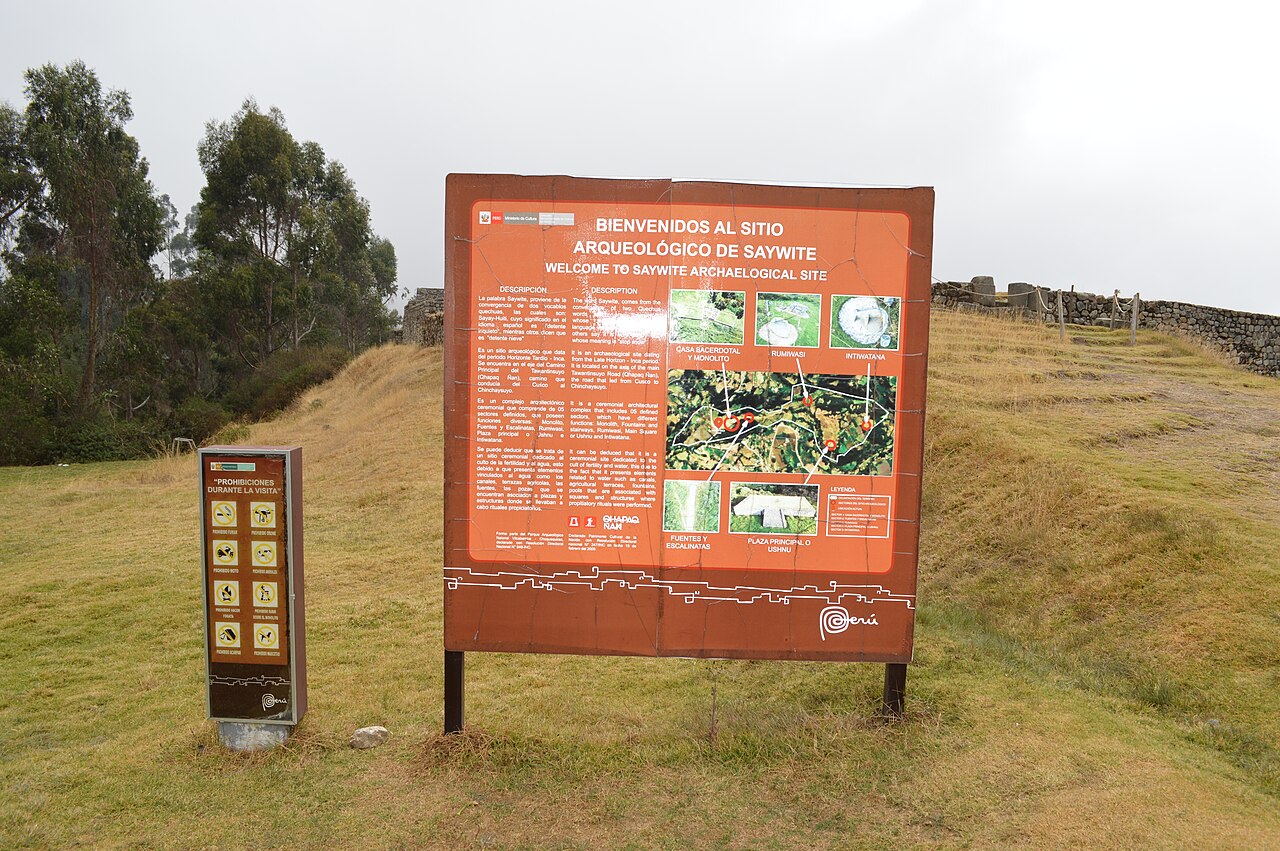
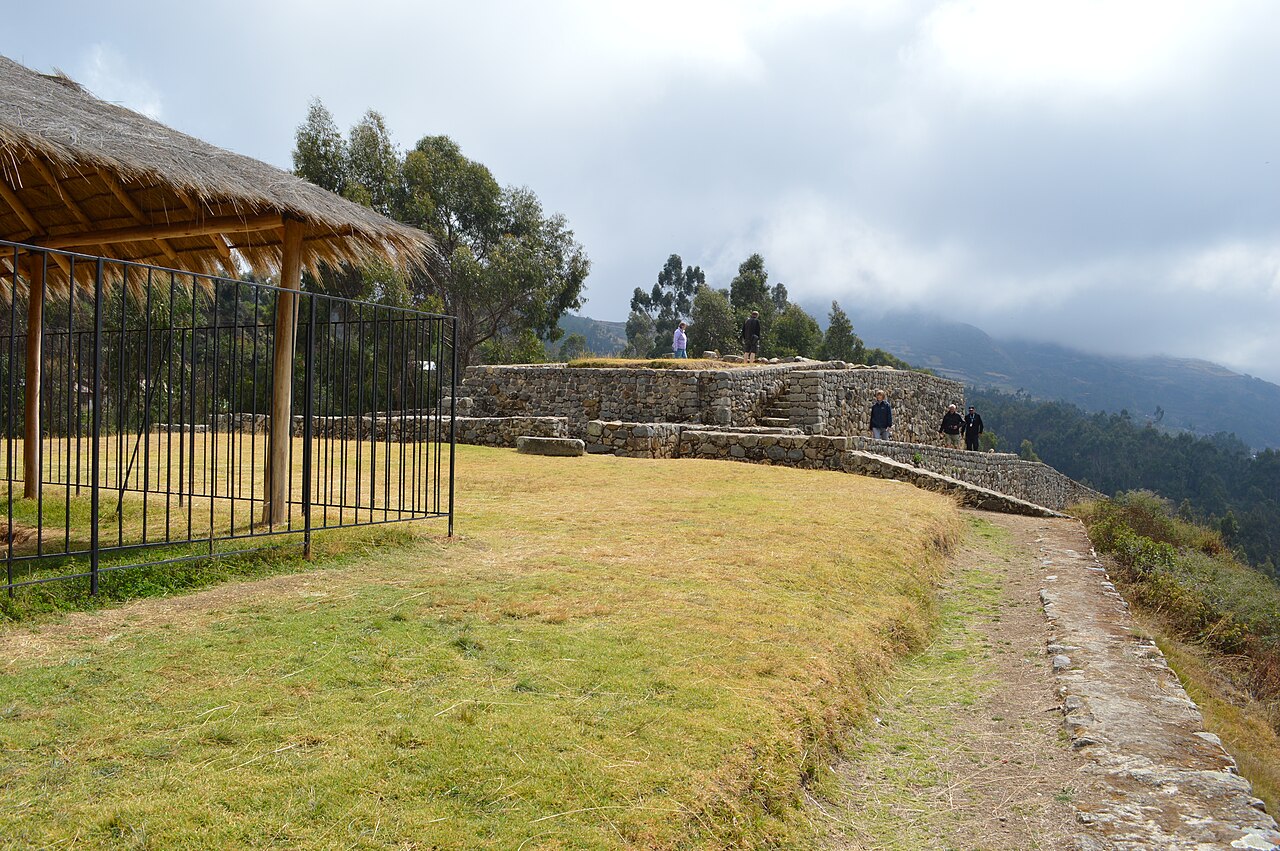
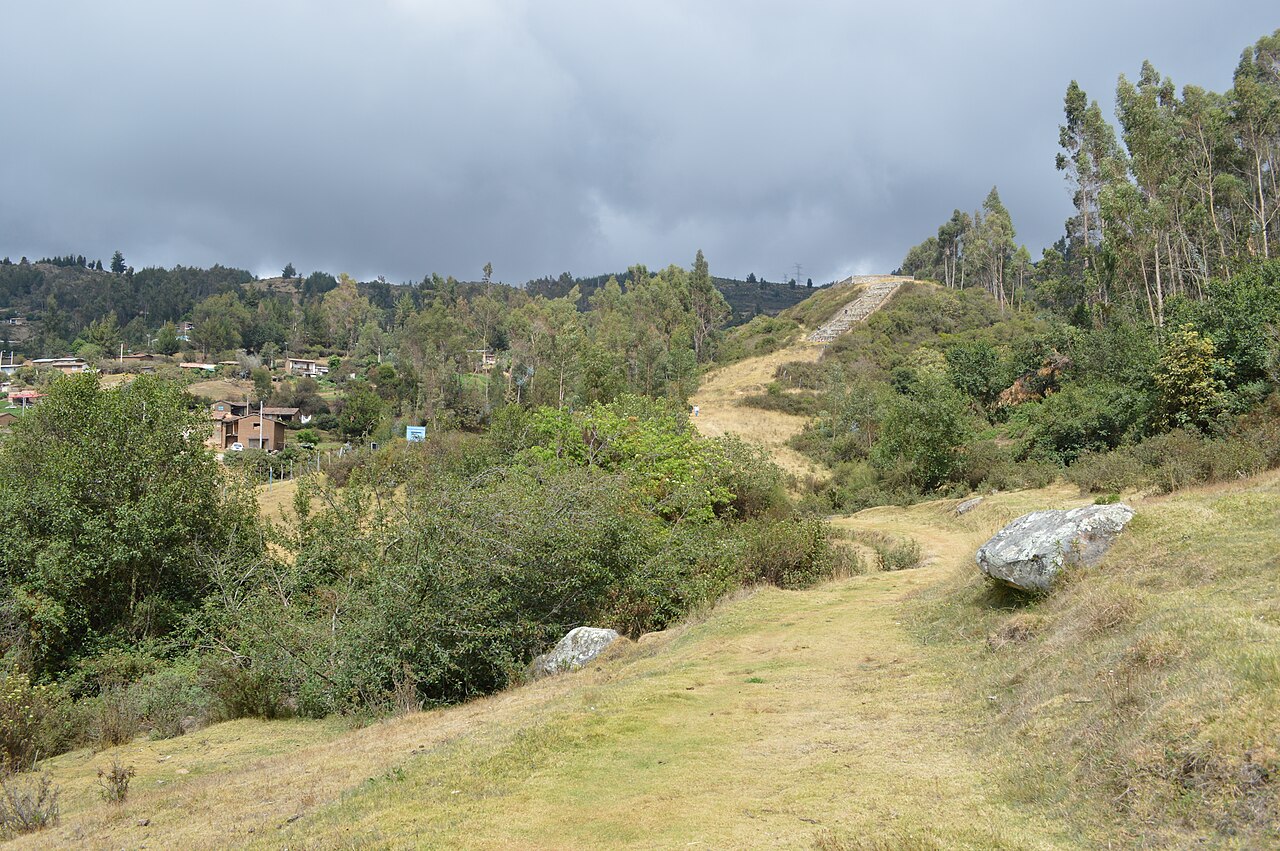
The official protected complex is organised into five sectors, so a visit should not stop at the famous carved boulder. Sector 1 contains the main monolith; Sector 2 links a masonry stairway of 68 steps with nine water sources; Sector 3 includes Rumiwasi, platforms, geometric carvings, stairs, and unfinished-looking masonry; Sector 4 is an elevated ceremonial plaza or ushnu; and Sector 5 contains a rectangular carved stone associated with observation. The main granite monolith measures about 2.3 metres high and 4 metres across, making close inspection more useful than a distant photograph.
檢查2026-08-28 · 來源

建議參觀時間
Allow roughly one and a half to two hours to examine the five sectors without rushing, with more time if relief carving, water engineering, or Inca masonry is a central interest. This is planning guidance, not an operator-issued tour duration. The carved surfaces reward slow viewing from several sides, and the stair, fountain, Rumiwasi, ushnu, and Intiwatana sectors spread attention beyond one object. A short stop can cover the principal monolith, but it will not provide a complete reading of the archaeological complex described by the Ministry of Culture.
檢查2026-08-28 · 來源

季節和人群
Visit timing should therefore be confirmed with the Dirección Desconcentrada de Cultura de Apurímac before leaving for Curahuasi. The site is exposed outdoor terrain, so clear daylight is more useful than a late arrival for reading shallow relief and moving between sectors. The Ministry of Culture has documented pressure from agriculture, housing, utility works, and natural agents within the protected polygon; visitors should treat temporary barriers or conservation work as heritage protection, not as an invitation to find an unofficial route. Check the operator's own site for the travel date before relying on a schedule or fare.
檢查2026-08-28 · 來源
門票
Do not assume that access is free simply because the complex is outdoors, and do not rely on a quoted fee from a tour reseller. Confirm the current arrangement with the cultural authority responsible for Apurímac before travel. If a local guide, transport provider, or packaged excursion is used, distinguish that private service charge from any archaeological-site admission. No separate charge for the monolith or the other sectors has been verified. Check the operator's own site for the travel date before relying on a schedule or fare.
檢查2026-08-28 · 來源

到達那裡
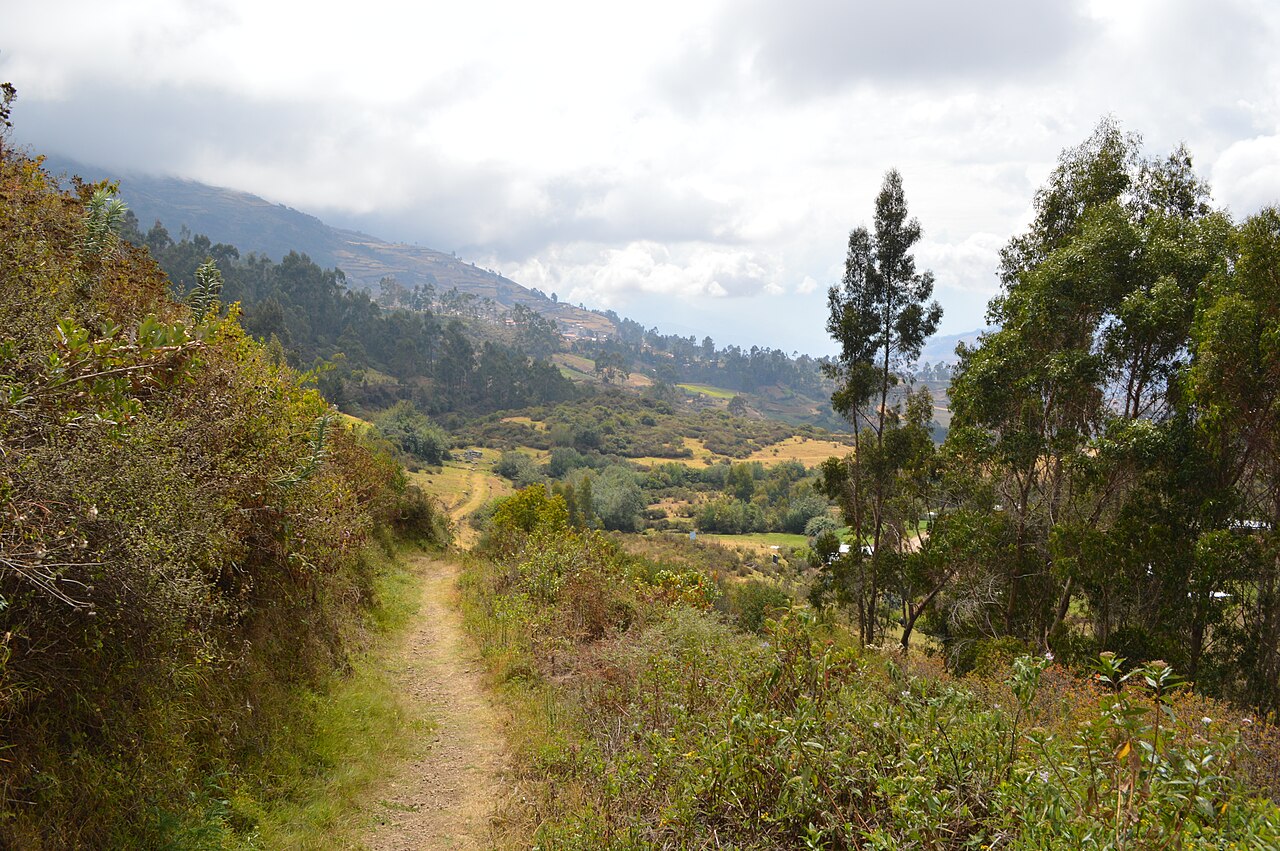
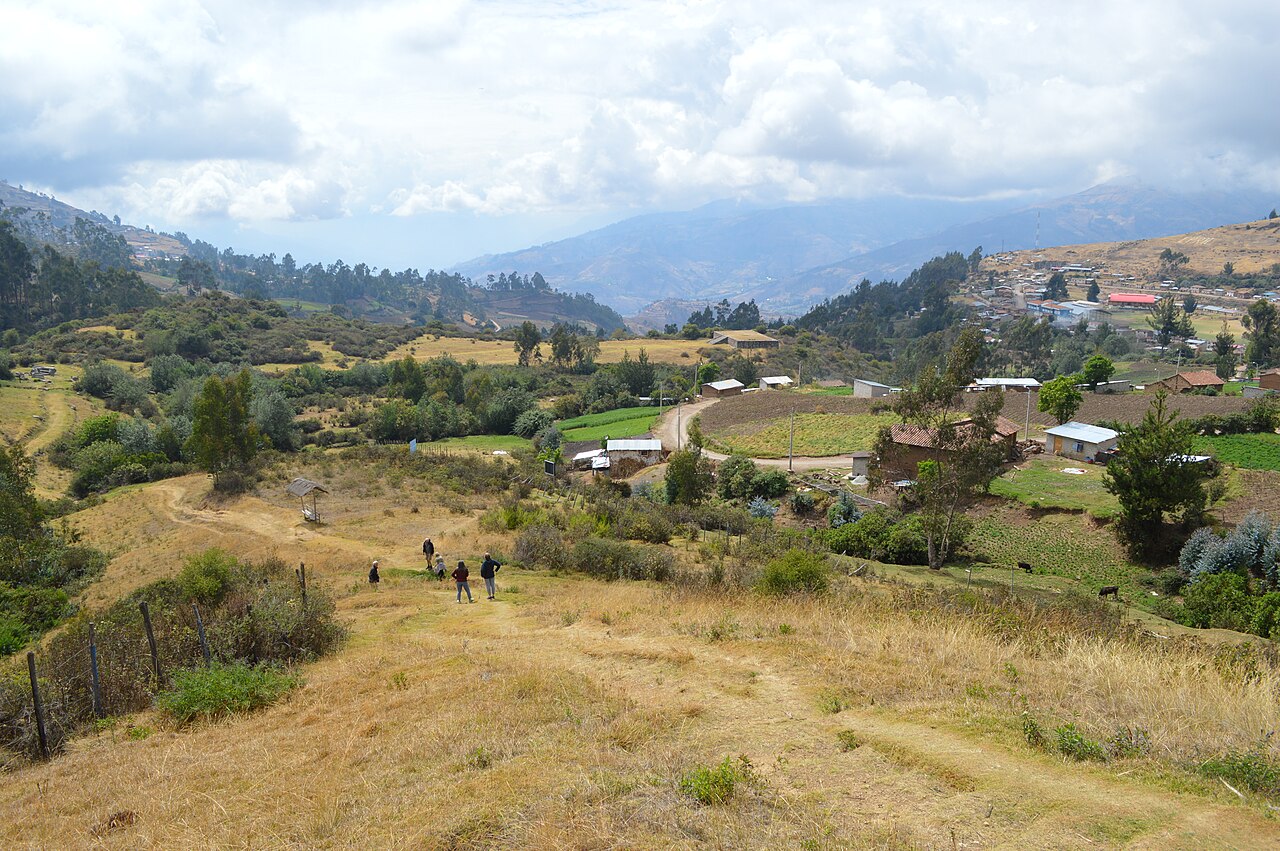
Sayhuite lies in Curahuasi district in the province of Abancay, Apurímac, so it should be planned as a regional journey rather than a walk from Cusco's historic centre. The official tourism inventory places the site near the road corridor between Abancay and Curahuasi, but no public-transport timetable or operator transfer is recorded in the reviewed sources. Arrange a route that identifies the archaeological entrance rather than only the settlement name, allow for mountain-road variability, and confirm the return journey before setting out. A map pin alone is not evidence that a vehicle can reach every internal sector.
檢查2026-08-28 · 來源

需要注意什麼
Stay within the archaeological circulation area and do not climb, sit on, trace, wet, or touch the carved stones. Peru's Ministry of Culture documented physical risks from cultivation, grazing, housing expansion, utility poles, and natural processes, which explains why apparently open ground may still be protected. Footing around outdoor masonry and steps can be uneven, while shade and services should not be assumed. Accessibility arrangements, toilets, drinking water, staffed first aid, and secure storage are Not recorded. Carry personal essentials without leaving waste, and follow any current instruction from cultural-authority staff.
檢查2026-08-28 · 來源

攝影
The main photographic subject is the Sayhuite Stone's dense field of high-relief forms: channels, terraces, water features, buildings, geometric motifs, and human, animal, and plant figures. Oblique daylight can reveal carving that disappears under flat light, while wider frames can show how the monolith relates to the surrounding sector. An official commercial-photography, tripod, flash, or drone policy is Not recorded. Photograph without touching or staging objects on the stone, keep equipment out of circulation paths, and ask the site authority before using supports, aerial devices, or professional production equipment.
檢查2026-08-28 · 來源
常見問題
Is Sayhuite in Cusco city?
No. The archaeological complex is in Curahuasi district, Abancay province, in the Apurímac region and requires a separate regional journey.
What is the Sayhuite Stone?
It is a large carved granite monolith whose reliefs represent terrain, waterworks, buildings, geometric forms, people, animals, and plants.
Is there more to see than the main monolith?
Yes. The official description divides the complex into five sectors including stairs and fountains, Rumiwasi, an ushnu, and an Intiwatana-associated sector.
How long should I allow at Sayhuite?
Allow about one and a half to two hours as practical planning guidance; no operator-issued standard visit duration is recorded.
Are Sayhuite ticket prices recorded?
No. Current admission, payment methods, and opening hours should be confirmed with the cultural authority responsible for Apurímac.
Can I touch or climb on the carvings?
No. Treat every carved stone and structure as protected archaeology, remain on the visitor route, and follow current conservation instructions.
它在哪裡
正在載入互動式地圖…
無法載入互動式地圖。
附近
將其納入計劃
外部連結
最後更新:
資料來源: OpenStreetMap 貢獻者, Wikidata ·