


_wb_looking_west_over_Capitol_Street,_April_2024.jpg)
.jpg)
5 min walk
National Museum of the American Indian
- Must see
- Museum
Language · 1 published
Museum · Washington
| Monday | 10:00 – 17:00 |
|---|---|
| Tuesday | 10:00 – 17:00 |
| Wednesday | 10:00 – 17:00 |
| Thursday | 10:00 – 17:00 |
| Friday | 10:00 – 17:00 |
| Saturday | 10:00 – 17:00 |
| Sunday | 10:00 – 17:00 |
Parsed from OpenStreetMap opening hours on 2026-08-26.
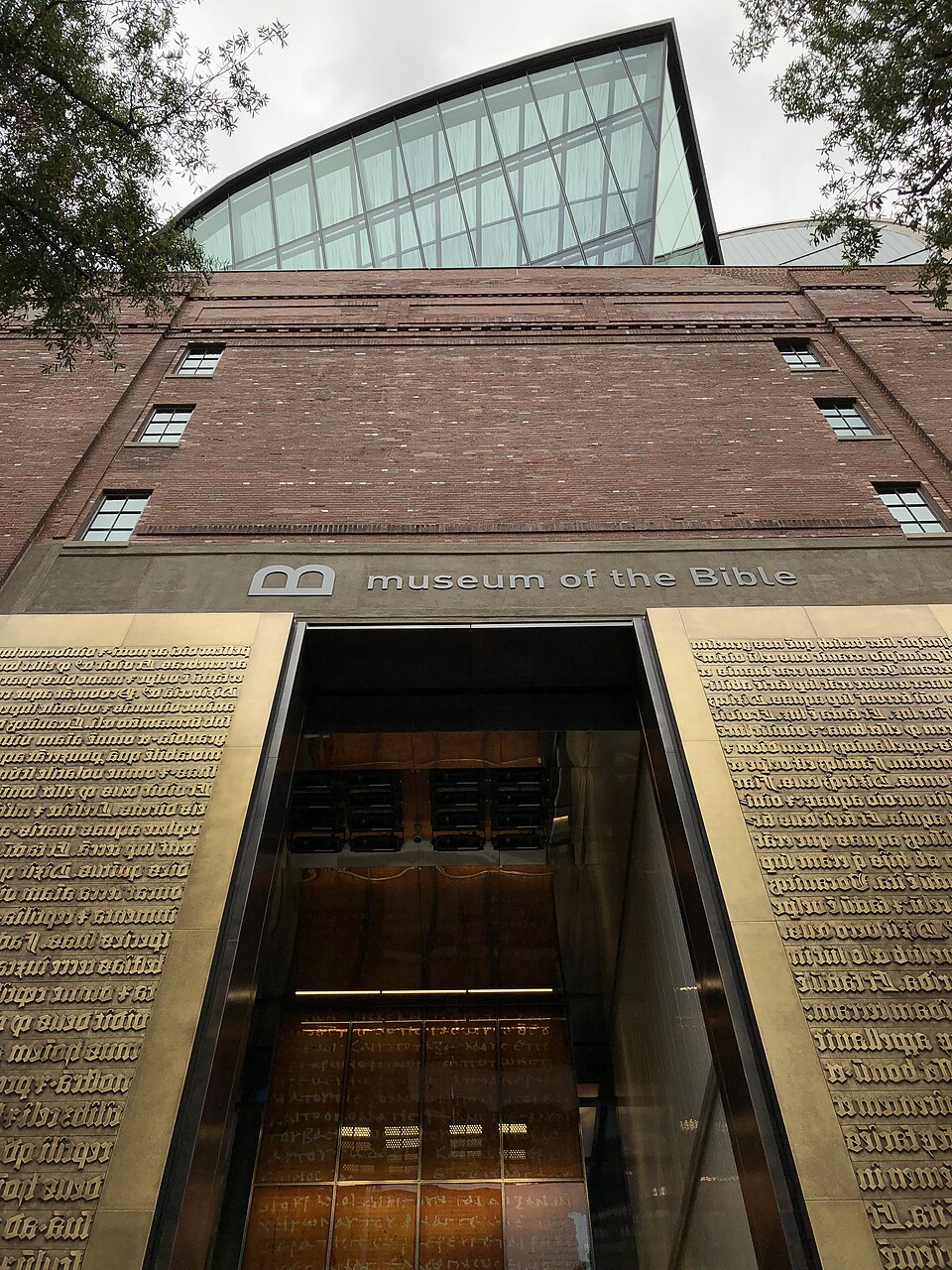
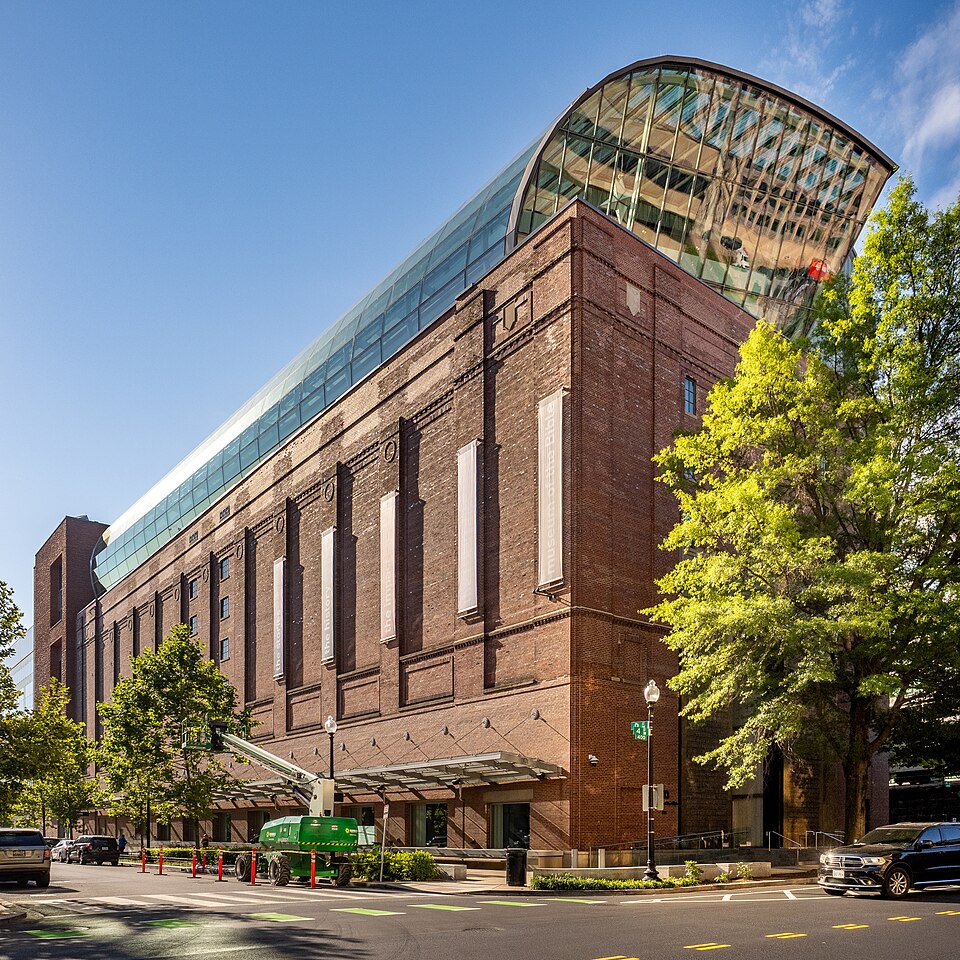
The Museum of the Bible is a large museum in Washington, D.C. dedicated to examining the Bible's history, narrative, and cultural influence. It opened in 2017 near the National Mall. The institution presents the text as a significant historical and cultural document, exploring its origins, transmission, and impact on societies worldwide. The museum's collections include biblical manuscripts, artifacts, and interactive displays. Its stated mission centers on scholarly engagement with the Bible's role in shaping civilizations, art, and literature across millennia.
Checked 2026-08-26
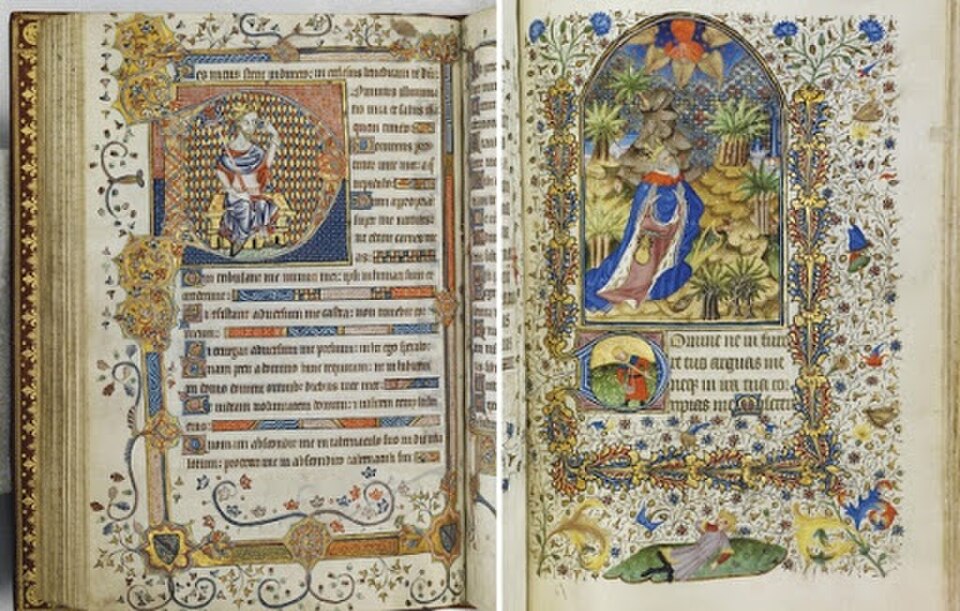
The museum contains multiple floors of exhibits covering biblical history, archaeology, and cultural influence. Visitors encounter ancient manuscripts, including fragments and early translations. The collections span Dead Sea Scroll fragments, Torah scrolls, and illuminated medieval manuscripts. Interactive elements include immersive experiences depicting biblical narratives and historical contexts. The building also houses performance spaces, a research library, and temporary exhibition galleries. The museum addresses the Bible's reception across Jewish, Christian, and other traditions, presenting scholarly perspectives on textual development and historical interpretation without theological endorsement.
Checked 2026-08-26

A thorough visit to the Museum of the Bible typically requires several hours, though individual pacing varies considerably based on interest depth. The multi-floor layout encompasses extensive permanent collections alongside rotating special exhibitions. Visitors prioritizing highlights may complete a meaningful visit in approximately two to three hours. Those engaging deeply with manuscripts, interactive displays, and temporary exhibitions could reasonably spend half a day or longer. Audio guides and scheduled presentations may extend visit duration. Planning for flexibility accommodates varying levels of engagement with the dense interpretive material presented throughout the galleries.
Checked 2026-08-26
Operator-confirmed hours are Not recorded pending review. Visitors should consult the museum's official website or contact staff directly before planning visits. Washington, D.C. experiences substantial tourist traffic during spring cherry blossom season and summer months, potentially affecting crowd levels at nearby attractions. The museum's indoor environment provides climate-controlled comfort regardless of seasonal weather conditions. Weekday mornings may offer quieter visiting experiences compared to weekends. Special events, temporary exhibitions, and educational programming may influence optimal timing for specific interests. Advance verification of operational status remains essential for all travel planning.
Checked 2026-08-26
Operator-confirmed prices are Not recorded pending review. The museum has historically employed timed-entry reservation systems, though specific current policies require direct verification. Potential visitors should consult official channels for admission costs, available discounts, and any free-entry provisions. Special exhibitions may carry separate fees. Group rates, educational pricing, and membership options have been offered previously but require current confirmation. Online advance booking may be recommended or required. All financial and reservation details must be validated through the museum's official website or telephone inquiry before visit commitment, as policies may have changed substantially.
Checked 2026-08-26
The Museum of the Bible occupies a location near the National Mall in Washington, D.C., proximate to numerous federal landmarks and Smithsonian institutions. The site is accessible via Washington Metropolitan Area Transit Authority services, with Metrobus and Metrorail connections available within reasonable walking distance. Multiple bicycle-sharing stations serve the surrounding area. Driving visitors face typical urban parking constraints; nearby commercial garages and street parking may be available with variable rates and availability. The museum's downtown location integrates with pedestrian touring routes connecting the National Mall, Capitol complex, and other central attractions. Accessibility accommodations should be verified directly.
Checked 2026-08-26

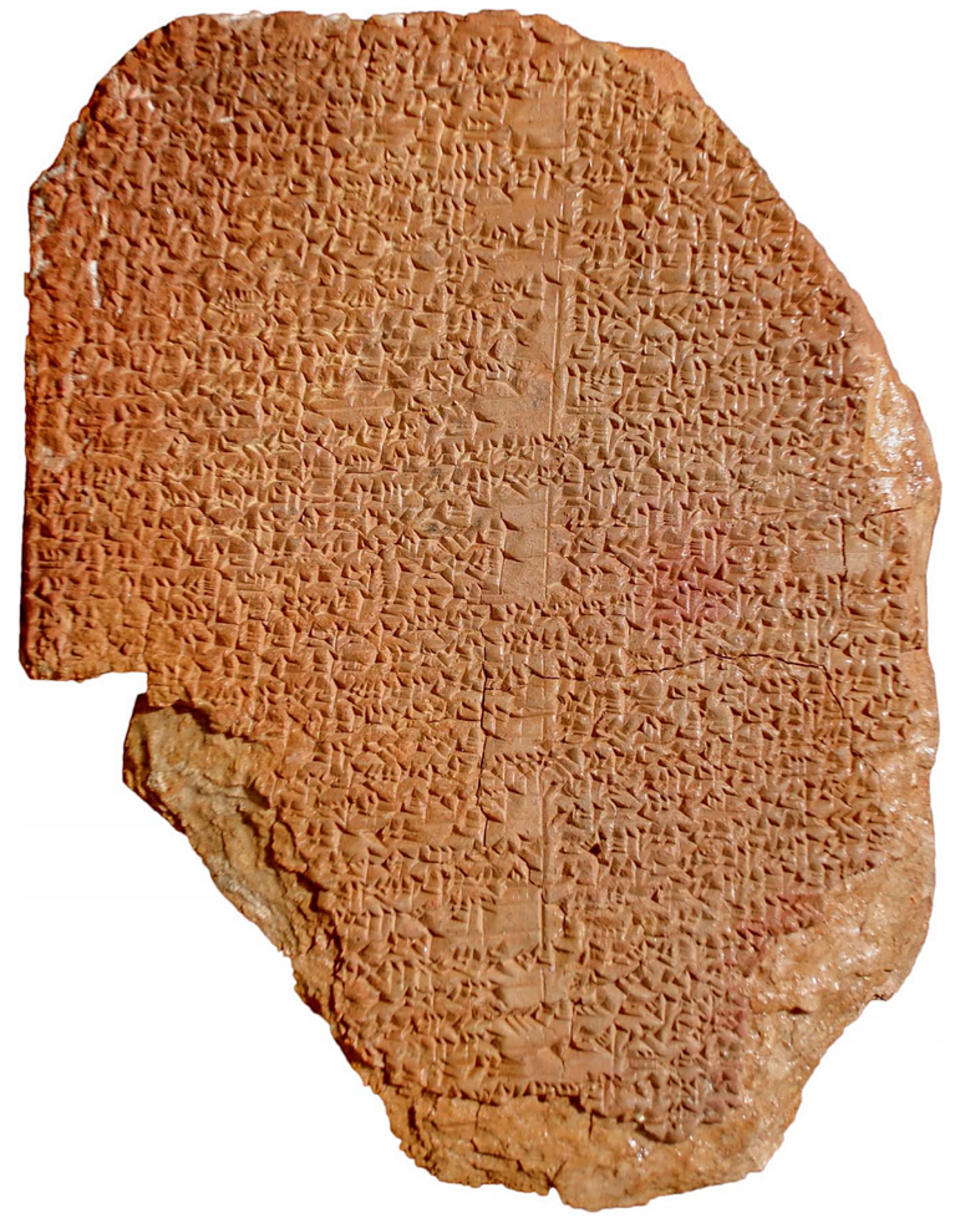
Visitors should verify all operational details independently, as museum policies, hours, and exhibitions change without external notification. The institution has faced scholarly scrutiny regarding artifact provenance and authenticity, with some items removed from display following investigation. Critical visitors may wish to research collection histories independently. The museum presents biblical material from a particular institutional perspective; visitors seeking purely secular or divergent interpretive frameworks should calibrate expectations accordingly. Crowd levels vary unpredictably. Photography policies, bag restrictions, and security screening apply. Food and beverage options within the building may be limited or costly compared to nearby alternatives.
Checked 2026-08-26
Photography policies at the Museum of the Bible are Not recorded pending review. Visitors should assume restrictions may apply, particularly for flash photography, tripod use, and imaging of specific manuscript collections or temporary exhibitions. Many museums prohibit photography in galleries containing light-sensitive materials or loaned objects under contractual restrictions. Selfie sticks and commercial photography equipment typically face heightened regulation. Visitors prioritizing photography should inquire at entry or consult posted guidelines. Personal non-flash photography in non-restricted areas may be permitted, but this requires explicit verification. Respect for other visitors and exhibit preservation should guide all imaging behavior regardless of formal policy.
Checked 2026-08-26
The museum operates as an independent institution with its own governance structure. Visitors should examine official statements to understand organizational identity and mission orientation.
The museum addresses Jewish, Christian, and broader cultural traditions. Critical visitors may wish to assess whether presentation balance aligns with their expectations for scholarly neutrality.
The museum has faced provenance scrutiny, and some items have been removed. Visitors should consult current exhibition information and independent scholarly assessments regarding specific objects.
Reservation requirements are Not recorded pending review. Visitors must consult official channels for current entry procedures, which may include timed tickets or walk-in availability.
Unlike federally operated Smithsonian museums, this is a privately operated institution with distinct mission and funding. Content focus, presentation style, and operational policies differ accordingly.
Tour availability and formats are Not recorded pending review. Visitors should inquire directly about audio guides, docent-led tours, or group programming options currently offered.
Loading the interactive map…
The interactive map could not be loaded.
Last updated:
Source: OpenStreetMap contributors, Wikidata ·