


.jpg)

13 min walk
Old Stone House
- High · Heritage site
- Historic monument
Language · 1 published
Museum · Washington
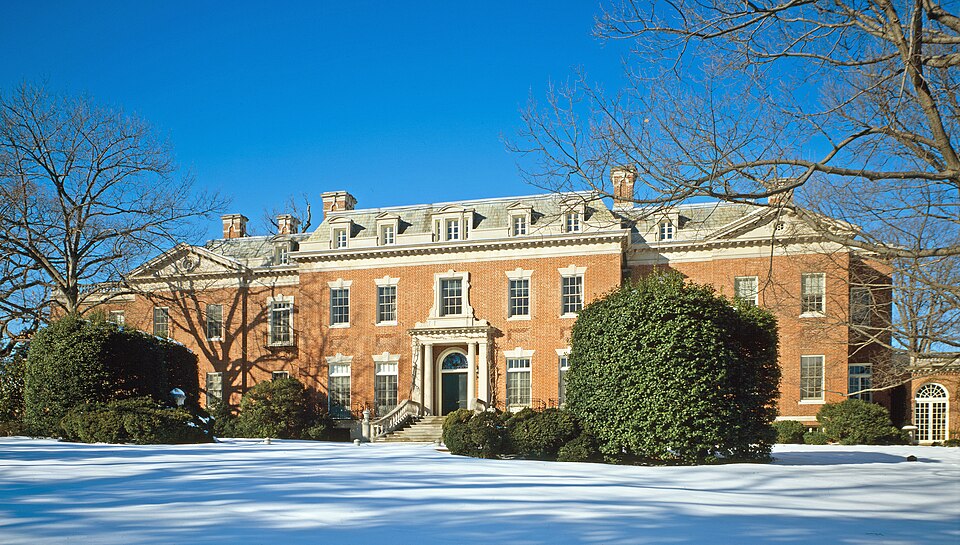
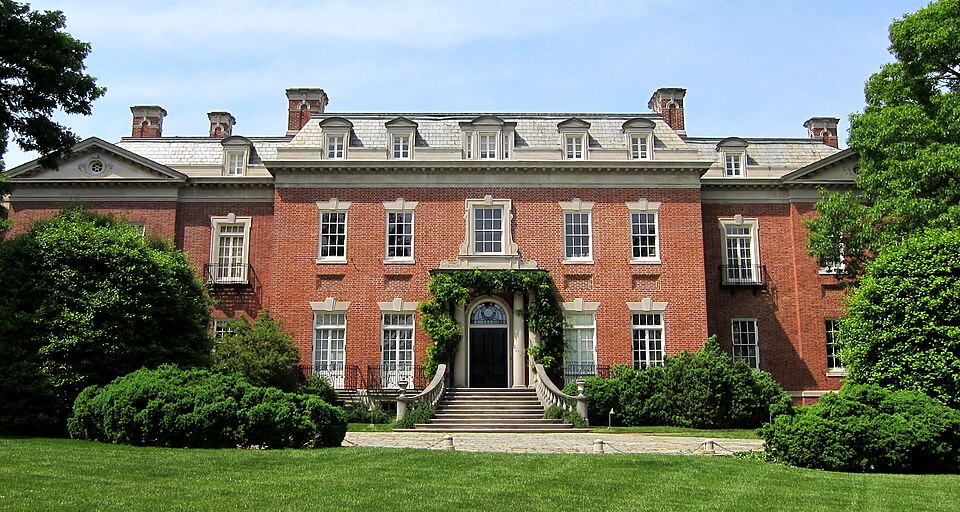
Dumbarton Oaks is a research institute, museum, and historic garden in Washington, D.C. It houses exceptional collections of Byzantine and pre-Columbian art. The institution supports scholarly research in these fields and garden studies. Located in Georgetown, it occupies a historic estate with significant cultural and academic importance. The property serves as both a public museum and a research library, making it a distinctive destination for visitors interested in art history, archaeology, and landscape design. Its dual mission of public access and scholarly pursuit shapes the visitor experience.
Checked 2026-08-26
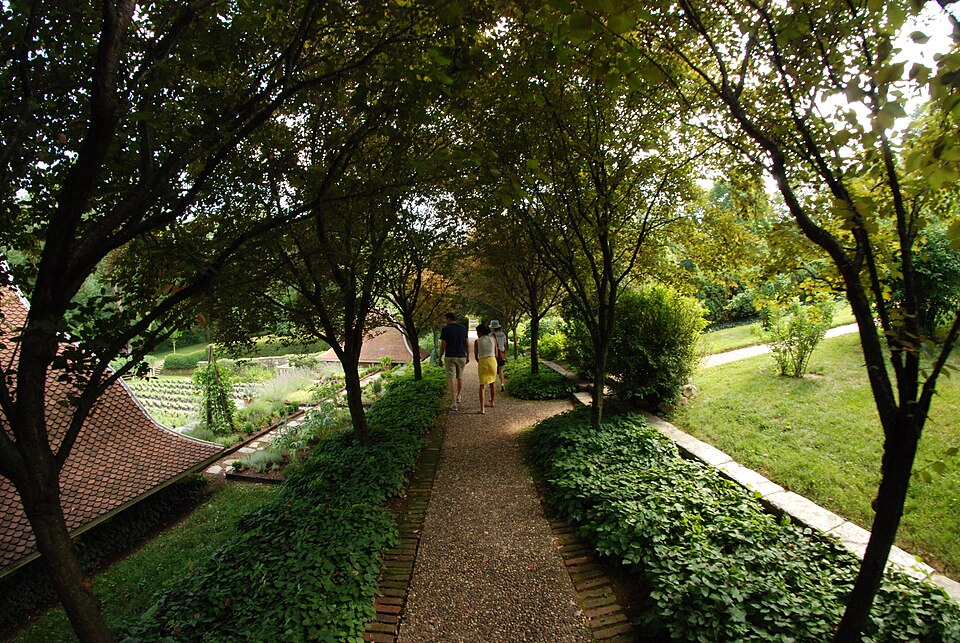
The museum contains renowned Byzantine and pre-Columbian collections. Byzantine holdings include mosaics, metalwork, sculpture, and textiles spanning the imperial period. The pre-Columbian collection features objects from Mesoamerica, Central America, and Andean South America, housed in a dedicated pavilion designed by Philip Johnson. The historic garden encompasses terraced landscapes, ornamental plantings, and designed vistas. A research library supports scholarly work. The music room hosts concerts. Together these elements create a multifaceted cultural institution where art, nature, and scholarship intersect for public engagement and academic inquiry.
Checked 2026-08-26

Visitors typically spend several hours exploring Dumbarton Oaks, though individual pacing varies considerably. The museum collections reward careful examination, particularly the Byzantine galleries and pre-Columbian pavilion. The extensive gardens invite leisurely wandering across multiple terraces and themed areas. Those with specific research interests may spend additional time in the library, which requires separate access arrangements. A thorough visit encompassing both museum and gardens generally requires half a day. Casual visitors might content themselves with briefer tours of highlights. Personal interest in art history or horticulture significantly affects duration.
Checked 2026-08-26
Operator-confirmed hours are Not recorded pending review. Seasonal considerations may affect garden accessibility and appearance, with spring and summer generally offering fuller plant displays. Autumn foliage provides distinct visual interest. Winter visits may limit outdoor exploration. The museum's interior collections remain available year-round regardless of weather. Visitors should verify current operating schedules before planning, as academic institutions often modify public access during research conferences, special events, or maintenance periods. Advance consultation of official communications would inform timing decisions for optimal experience of both built and natural environments.
Checked 2026-08-26
Operator-confirmed prices are Not recorded pending review. Admission structures typically distinguish between museum and garden access, with possible combined or separate ticketing. Research library access operates under different protocols than public museum entry. Special exhibitions or musical programs may involve separate arrangements. Some institutional categories such as students, seniors, or members may receive differential pricing, though specific qualifications remain unverified. Visitors should consult official sources for current fee structures, reservation requirements, and any free-admission periods. Advance booking may be advisable during peak seasons or for popular garden visiting times.
Checked 2026-08-26

Dumbarton Oaks is situated in Georgetown, Washington, D.C. The location is accessible by various transportation modes common to the capital region. Street parking in Georgetown is limited and competitive. Public transit options include bus services operating in the vicinity, though no Metrorail station serves Georgetown directly. The nearest stations require additional connection by bus, walking, or alternative means. The estate's specific address in residential Georgetown situates it among historic streets that may present navigational challenges for unfamiliar drivers. Visitors should plan routes considering these geographic and infrastructural characteristics.
Checked 2026-08-26
The historic garden contains uneven terrain, steps, and changes of level across terraced landscapes that may present mobility challenges. Weather conditions affect garden pathways and footing. Interior museum spaces maintain climate controls for collection preservation that visitors may find cooler than external temperatures. The residential Georgetown location means surrounding streets experience regular vehicle and pedestrian traffic. Visitors should remain attentive to personal belongings in any public setting. Photography policies vary by collection area and should be confirmed on-site. Scholarly activities may occasionally restrict access to certain spaces without advance notice.
Checked 2026-08-26
Photography policies at Dumbarton Oaks are not explicitly detailed in available sources and should be confirmed upon arrival or through advance inquiry. Cultural institutions typically impose restrictions protecting sensitive collections, particularly works on paper, textiles, and archaeological materials vulnerable to light exposure. Flash photography is commonly prohibited across museum contexts. The gardens generally permit photography more liberally, though commercial or tripod use may require special arrangement. Visitors respecting institutional guidelines and other guests' experience demonstrate appropriate conduct. When uncertain, asking staff represents prudent practice rather than assuming permission.
Checked 2026-08-26
No. Dumbarton Oaks operates as an independent research institute and museum, not under Smithsonian Institution administration.
The research library primarily supports scholarly work and may have access protocols distinct from public museum entry. Specific arrangements should be confirmed directly.
Garden accessibility likely varies seasonally. Weather conditions and maintenance schedules may affect availability. Current status should be verified before visiting.
Not recorded pending review. Visitors should not assume dining facilities exist and may wish to plan accordingly.
Tour offerings are not specified in available sources. Visitors should inquire directly about scheduled tours, audio guides, or self-directed visit options.
The pre-Columbian collection is housed in a dedicated pavilion designed by Philip Johnson, indicating a separate structure from the main historic house.
Loading the interactive map…
The interactive map could not be loaded.
Last updated:
Source: OpenStreetMap contributors, Wikidata ·