.jpg)


.jpg)

.jpg)
1 dk yürüyüş
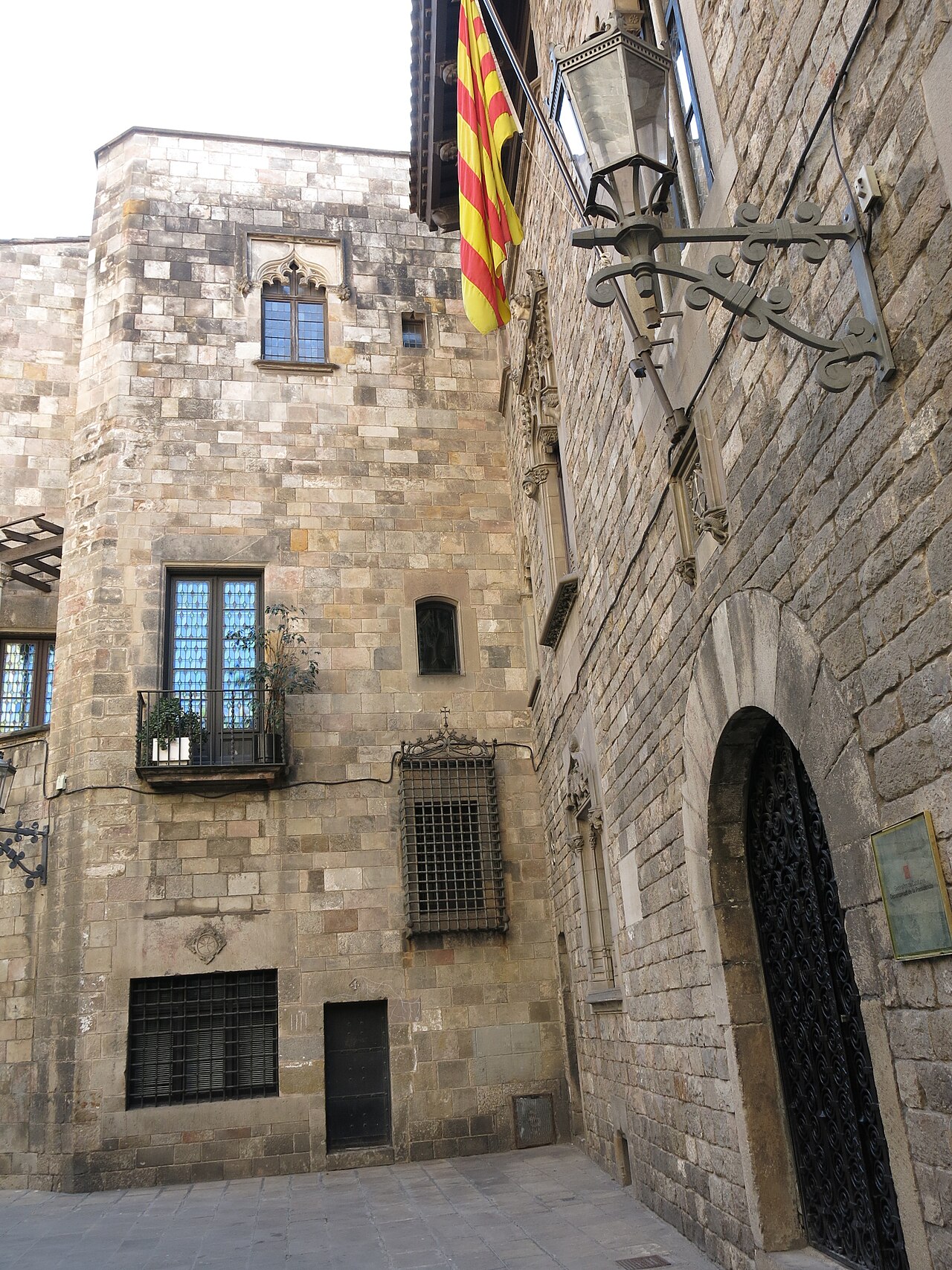
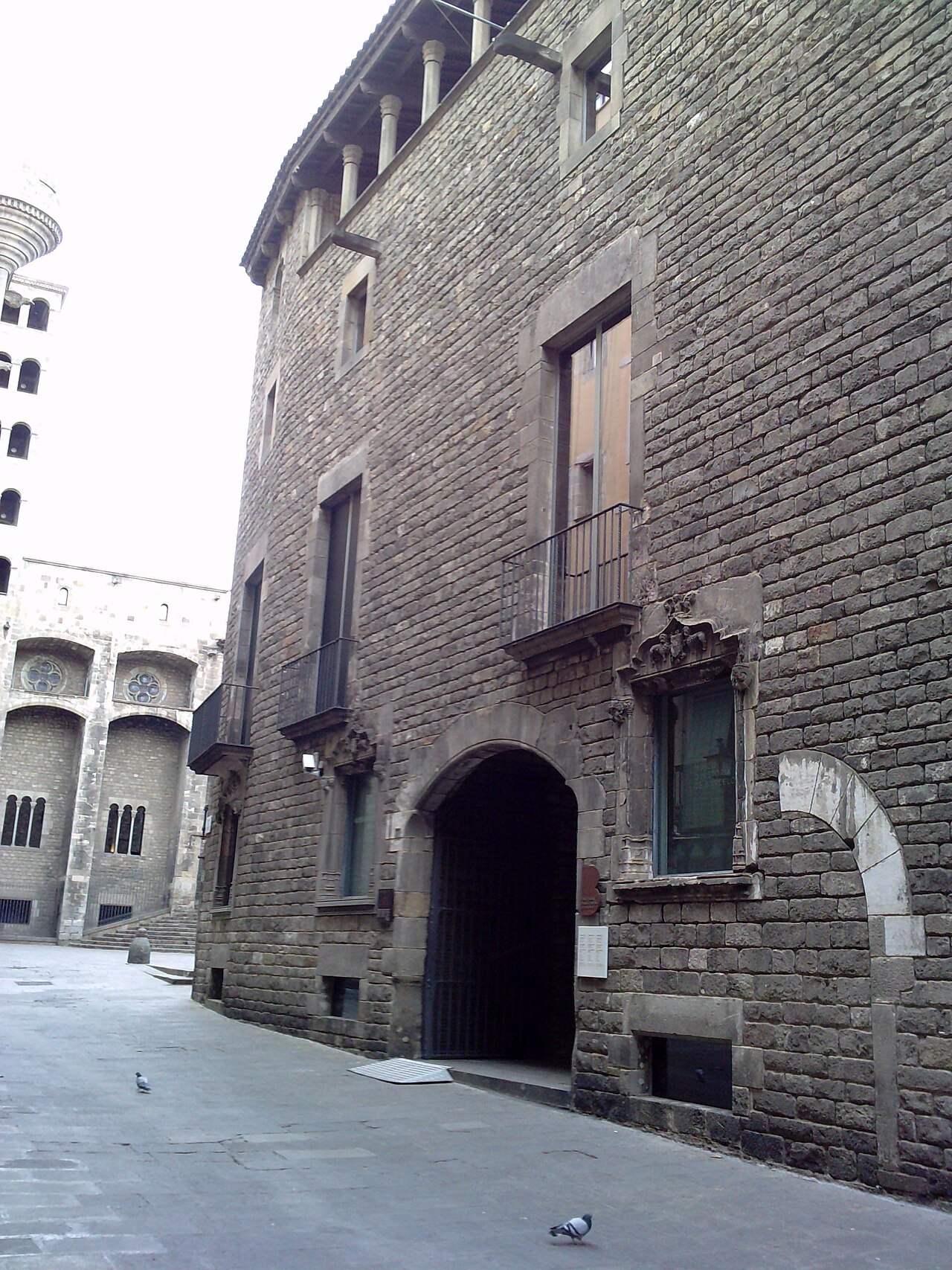
Cases dels Canonges
- Mutlaka görülmeli · Miras alanı
- Tarihi anıt
Dil · 11 yayınlandı
Müze · Barcelona

The Temple of Augustus, known locally as Temple d'August, constitutes the remnants of a Roman temple dedicated to the first Roman emperor. These surviving columns stand within Barcelona's Gothic Quarter, representing one of the most significant vestiges of the ancient Roman colony of Barcino. The structure dates from the early imperial period when Barcelona formed part of the Roman Empire's provincial network. Visitors encounter this archaeological site integrated into the medieval urban fabric of the historic city center, where centuries of subsequent construction have enveloped and preserved these classical remains.
2026-08-26 kontrol edildi
The visible remains comprise four standing Corinthian columns and the podium base of the original temple structure. These architectural elements constitute the principal surviving features accessible to visitors. The columns rise from the preserved foundation platform, demonstrating typical Roman construction techniques. The site occupies an interior courtyard space, accessed through surrounding buildings that have incorporated the ancient structure. Interpretive elements may accompany the physical remains, though specific current display materials, signage content, or supplementary exhibition features are not recorded in available sources.
2026-08-26 kontrol edildi

A visit to the Temple of Augustus typically requires brief duration given the concentrated nature of the remains. Most visitors complete their examination within approximately fifteen to thirty minutes, depending upon individual interest in archaeological detail and photographic documentation. The compact site does not accommodate extended exploration. Those with particular enthusiasm for Roman history or classical architecture may linger longer for careful observation of column capitals, base construction, and podium stonework. The visit naturally combines with broader exploration of the surrounding Gothic Quarter rather than constituting a standalone extended destination.
2026-08-26 kontrol edildi

Operator-confirmed hours are Not recorded pending review. Visitors should independently verify current accessibility before planning their visit, as the site's integration within private or institutional buildings may affect opening arrangements. Seasonal considerations for Barcelona generally apply: summer months bring substantial tourist traffic and elevated temperatures throughout the historic quarter, while spring and autumn typically offer more moderate conditions for walking exploration. Winter visitation may provide reduced crowding. The interior courtyard location provides some shelter from weather elements, though verification of specific access protocols remains essential.
2026-08-26 kontrol edildi
Operator-confirmed prices are Not recorded pending review. The Temple of Augustus may operate under various access arrangements given its embedded location within the urban fabric. Some historical sites of this nature in Barcelona have functioned with free admission, while others require nominal fees or operate through controlled access. Visitors should consult official municipal sources, current tourism information points, or direct contact with managing authorities to establish whether admission charges apply, what payment methods are accepted, and whether any reservation requirements exist for the contemporary operational framework.
2026-08-26 kontrol edildi

The Temple of Augustus sits within Barcelona's Ciutat Vella district, specifically in the Gothic Quarter. Multiple Barcelona Metro stations serve this central historic area, with Jaume I on Line 4 and Liceu on Line 3 providing proximate access. Extensive bus networks traverse surrounding streets. The site rewards pedestrian exploration within the compact medieval street plan, where many visitors approach through adjacent thoroughfares. Given the quarter's restricted vehicle access and narrow lanes, walking from nearby transit points or accommodations represents the most practical approach. Standard navigation applications may assist orientation within the irregular street pattern.
2026-08-26 kontrol edildi
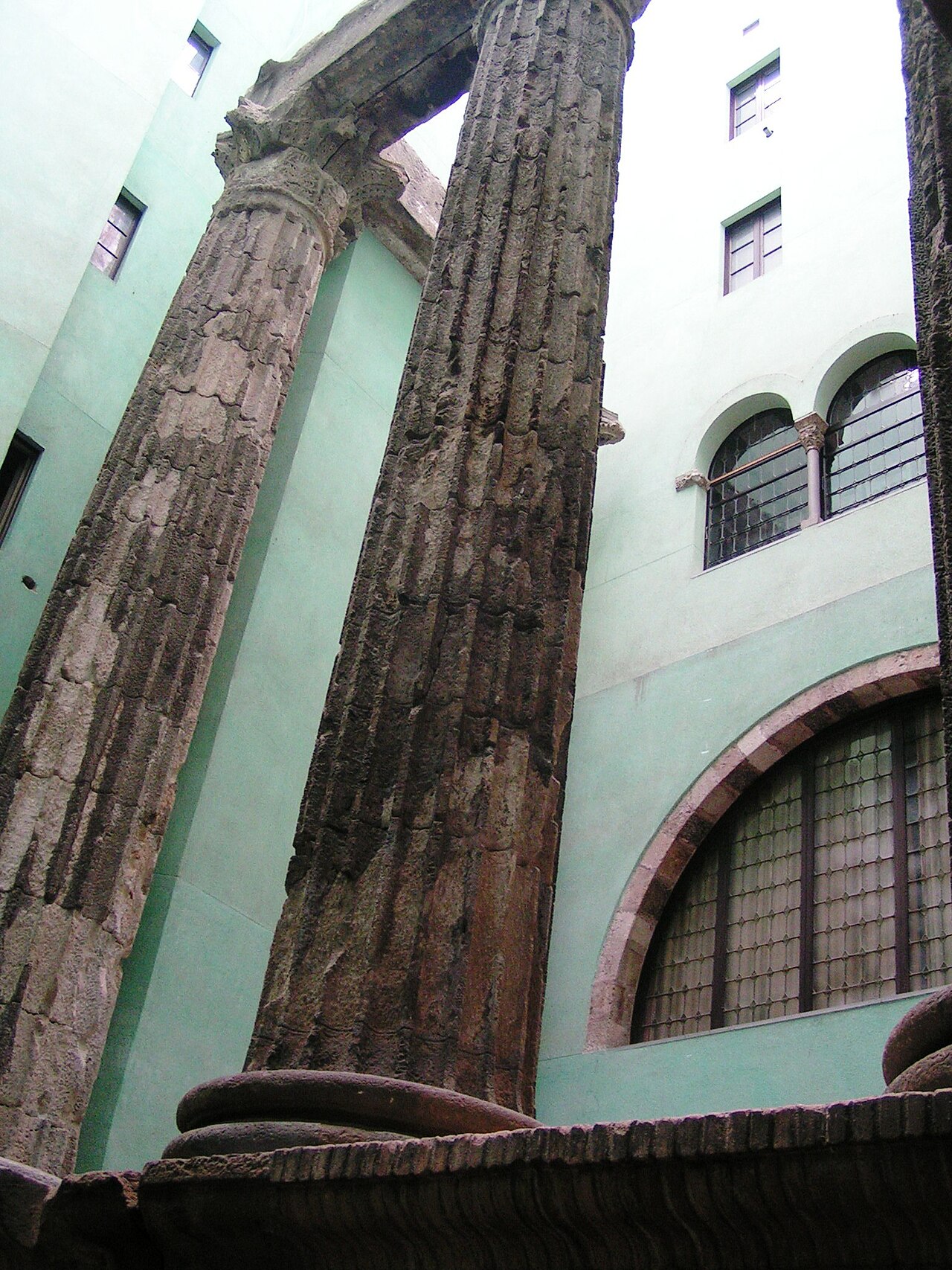
Visitors should exercise awareness regarding the site's integration within active buildings, respecting any residential or institutional boundaries. The column remains stand as genuine ancient fabric requiring appropriate conservation behavior: no climbing, touching, or physical interaction with the stonework. The courtyard setting may present uneven surfaces underfoot. Photography restrictions, if any, should be observed should signage or attendant guidance indicate limitations. Crowding in surrounding Gothic Quarter streets, particularly during peak tourism periods, requires standard urban vigilance regarding personal belongings. The embedded location demands attentive wayfinding, as the entrance may not present obvious external identification from all approaches.
2026-08-26 kontrol edildi

The four standing columns and podium base offer concentrated photographic subjects within a confined spatial envelope. The courtyard setting produces variable natural lighting conditions throughout the day, with direct sunlight potentially creating high contrast on pale stonework. Morning or diffuse light periods may yield more balanced exposures. The vertical columns against surrounding building fabric create compositional opportunities emphasizing temporal juxtaposition. Wide-angle lenses accommodate the restricted space. Visitors should remain attentive to any posted restrictions on photographic equipment or commercial imagery, and respect the privacy of any adjacent occupied spaces visible from the archaeological area.
2026-08-26 kontrol edildi
Operator-confirmed hours are Not recorded pending review. Visitors must verify current accessibility through official sources before visiting.
Operator-confirmed prices are Not recorded pending review. Fee structures, if any, require direct verification with managing authorities.
The columns date from the Roman imperial period when Barcelona was the colony of Barcino, though specific construction dates are not recorded in available sources.
Visitors should refrain from physical contact with the ancient stonework to support preservation; no specific tactile access programs are recorded.
Accessibility provisions are not recorded in available sources; the historic courtyard setting and surrounding medieval fabric may present challenges requiring direct inquiry.
Specific tour programs, schedules, or booking arrangements for this site are not recorded in available sources.
Etkileşimli harita yükleniyor…
Etkileşimli harita yüklenemedi.
Son güncelleme:
Kaynak: OpenStreetMap katkıda bulunanları, Wikidata ·