
_-_1.jpg)
_-_2.jpg)
_-_3.jpg)
_-_4.jpg)
_-_5.jpg)

17 dk yürüyüş
حديقة الأزهر
- Mutlaka görülmeli
- Doğal alan
Dil · 11 yayınlandı
İbadet yeri · Kahire
المقبرة الشمالية
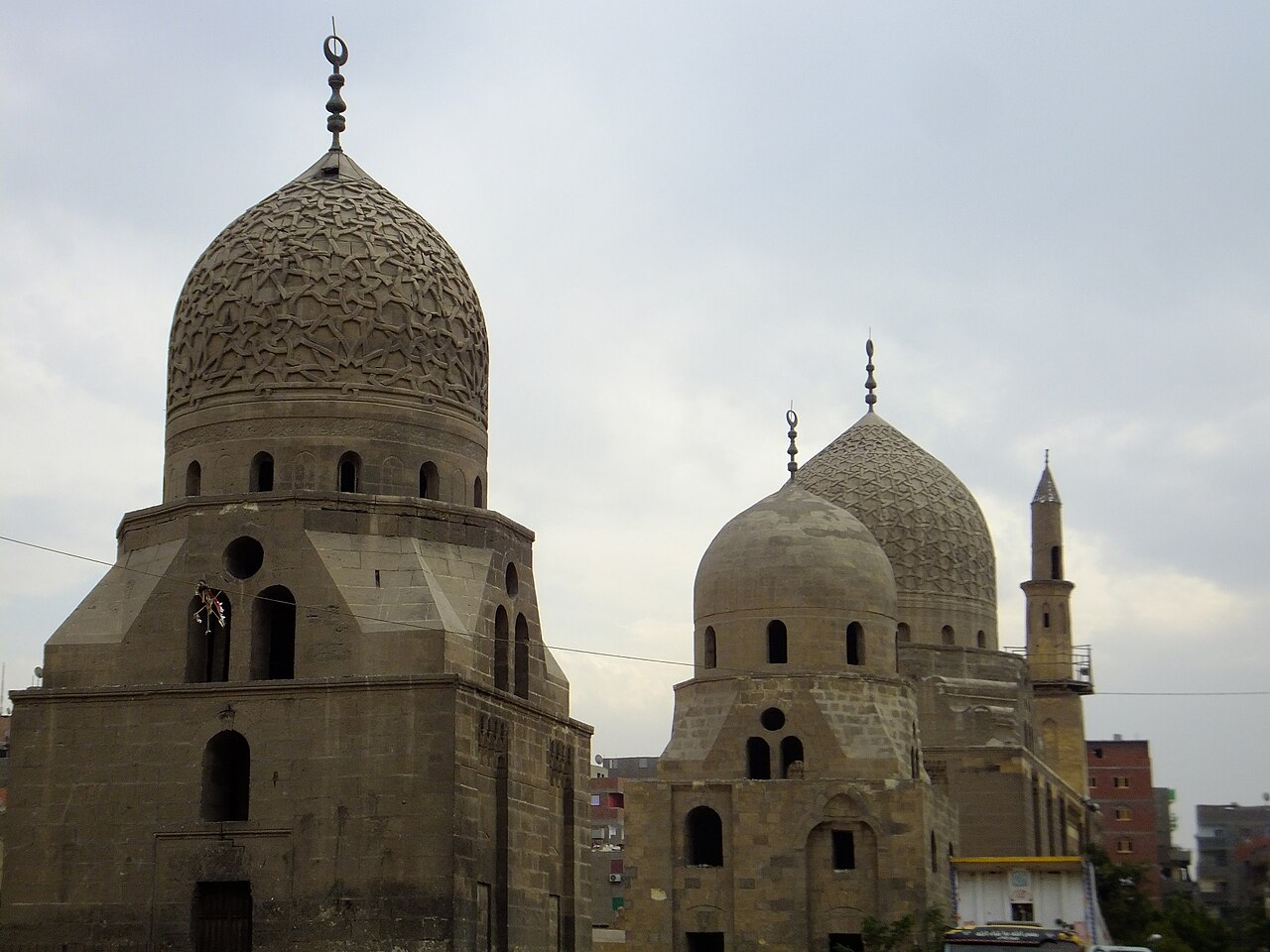
The Northern Cemetery, known locally as Al-Qarafa al-Shamaliya, constitutes one of the most significant Islamic necropolises globally. Often called the City of the Dead, this vast burial ground stretches across eastern Cairo and contains an extraordinary concentration of Mamluk funerary architecture. No single production district identity exists for this sprawling area. The cemetery has evolved over centuries into a complex landscape where burial traditions, religious practices, and contemporary life intersect. Its monuments represent successive Islamic dynasties, with particular density from the Mamluk period.
2026-08-26 kontrol edildi
The cemetery contains numerous mausoleums, mosques, and religious structures built as funerary monuments by Mamluk sultans and emirs. Notable architectural elements include domed tombs, minarets, and elaborately decorated prayer halls. The area encompasses both historic monuments and contemporary burial grounds. Residential communities have developed within the cemetery over time, creating a distinctive urban environment. The concentration of Mamluk funerary architecture represents an exceptional surviving ensemble from this medieval Islamic power that ruled Egypt from 1250 to 1517. Northern Cemetery also earns time in a cairo itinerary because The vast necropolis, often called the City of the Dead, contains an extraordinary concentration of Mamluk funerary architecture; no single production district identity exists. Its value becomes clearer when the stop is compared with the surrounding streets and the other ranked places nearby.
2026-08-26 kontrol edildi

Visitors should allocate substantial time to explore even a portion of this extensive site. The Northern Cemetery covers a large geographical area that cannot be comprehensively visited in a single excursion. A focused visit to selected monuments might require several hours. Those wishing to appreciate the architectural variety and historical significance more fully would benefit from multiple visits or an extended day. The dispersed nature of major monuments necessitates considerable walking between sites. Visitors should plan accordingly for physical demands and Cairo's climate conditions.
2026-08-26 kontrol edildi

Operator-confirmed hours are Not recorded pending review. Visitors should verify current access conditions before planning their visit. Cairo experiences extremely hot summers that make extended outdoor exploration uncomfortable and potentially hazardous. The cooler months from late autumn through early spring generally offer more favorable conditions for walking through this extensive outdoor site. Friday prayers and religious observances may affect access to certain active religious structures within the cemetery. Early morning hours typically provide better lighting for observation and photography while temperatures remain moderate.
2026-08-26 kontrol edildi
Operator-confirmed prices are Not recorded pending review. Individual monument sites within the broader cemetery area may have separate fee structures or may not charge admission at all. Some religious structures may permit entry only for worship purposes. Visitors should carry small denominations of Egyptian currency for any incidental fees. The absence of unified management means no standard ticket applies across the entire necropolis. International visitors should not assume that pricing information found in outdated sources remains accurate. Verification on site or through official channels is essential.
2026-08-26 kontrol edildi

The Northern Cemetery lies east of central Cairo, beyond the historic city walls. Various transportation options exist including taxis, ride-hailing services, and potentially public buses, though specific route information is not recorded. The cemetery's vast extent means visitors should identify specific monuments or areas before departing. Navigation within the cemetery can prove challenging due to narrow pathways, limited signage, and the residential character of portions of the area. Engaging a knowledgeable local guide may facilitate access and orientation. Visitors should establish clear return transportation arrangements.
2026-08-26 kontrol edildi

The cemetery functions as an active burial ground and residential area requiring respectful conduct. Visitors should dress modestly covering shoulders and knees. Some areas may have limited infrastructure including uneven surfaces and inadequate lighting. Solo exploration, particularly for unfamiliar visitors, presents navigation challenges. The residential population deserves privacy and should not be treated as tourist attractions. Photography of individuals requires explicit permission. Visitors should remain aware of their surroundings, secure valuables, and avoid isolated areas. Water and sun protection are essential given the extensive outdoor walking required.
2026-08-26 kontrol edildi

The architectural monuments offer significant photographic interest, particularly the domes, minarets, and decorative stonework of Mamluk structures. Morning and late afternoon light enhance the visual qualities of the stone surfaces. Photography of active religious sites and worshippers demands particular sensitivity and often requires permission. Tripods and professional equipment may attract attention or restrictions at specific locations. The residential nature of portions of the cemetery means photographers must exercise judgment and obtain consent before photographing inhabitants or domestic spaces. Drone usage would require appropriate authorization and is not advisable without confirmed permissions.
2026-08-26 kontrol edildi
Many visitors explore the area without incident, though caution is warranted. The cemetery contains residential communities and active burial grounds. Visitors should exercise standard urban awareness, avoid isolated areas, consider guided accompaniment, and secure valuables. Conditions vary across the extensive site.
Access varies by specific structure. Some monuments may be locked or have restricted entry. Active religious sites require appropriate dress and respectful behavior. Prayer times may limit visitor access. No comprehensive access schedule is recorded.
Independent visitation is possible but challenging due to the site's vastness, limited signage, and complex layout. A knowledgeable guide can facilitate navigation, provide historical context, and assist with cultural interactions. This represents visitor judgment rather than a formal requirement.
The UNESCO listing for Historic Cairo encompasses the broader city's Islamic monuments. The Northern Cemetery's Mamluk architecture contributes to this outstanding universal value, though the specific citation details should be verified through the official UNESCO source provided.
As an extensive urban necropolis rather than a managed tourist site, formal visitor facilities are limited or absent across much of the area. Visitors should bring water, sun protection, and any needed supplies. Sanitation facilities are not reliably available.
The terms are often used interchangeably. The City of the Dead commonly refers to the broader phenomenon of cemeteries where living communities have developed, while the Northern Cemetery specifies this particular geographical portion of Cairo's eastern necropolis.
Etkileşimli harita yükleniyor…
Etkileşimli harita yüklenemedi.

Son güncelleme:
Kaynak: OpenStreetMap katkıda bulunanları, Wikidata ·