
.JPG)


4 dk yürüyüş
Koishikawa Botanik Bahçesi
- Mutlaka görülmeli · Miras alanı
- Doğal alan
Dil · 11 yayınlandı
Müze · Tokyo
東京大学総合研究博物館・小石川分館
Bugün kapalı, Çarşamba. Bir sonraki açılış Perşembe 10:00 — planlayıcı Çarşamba günü buraya durak koymaz.
Etrafından planla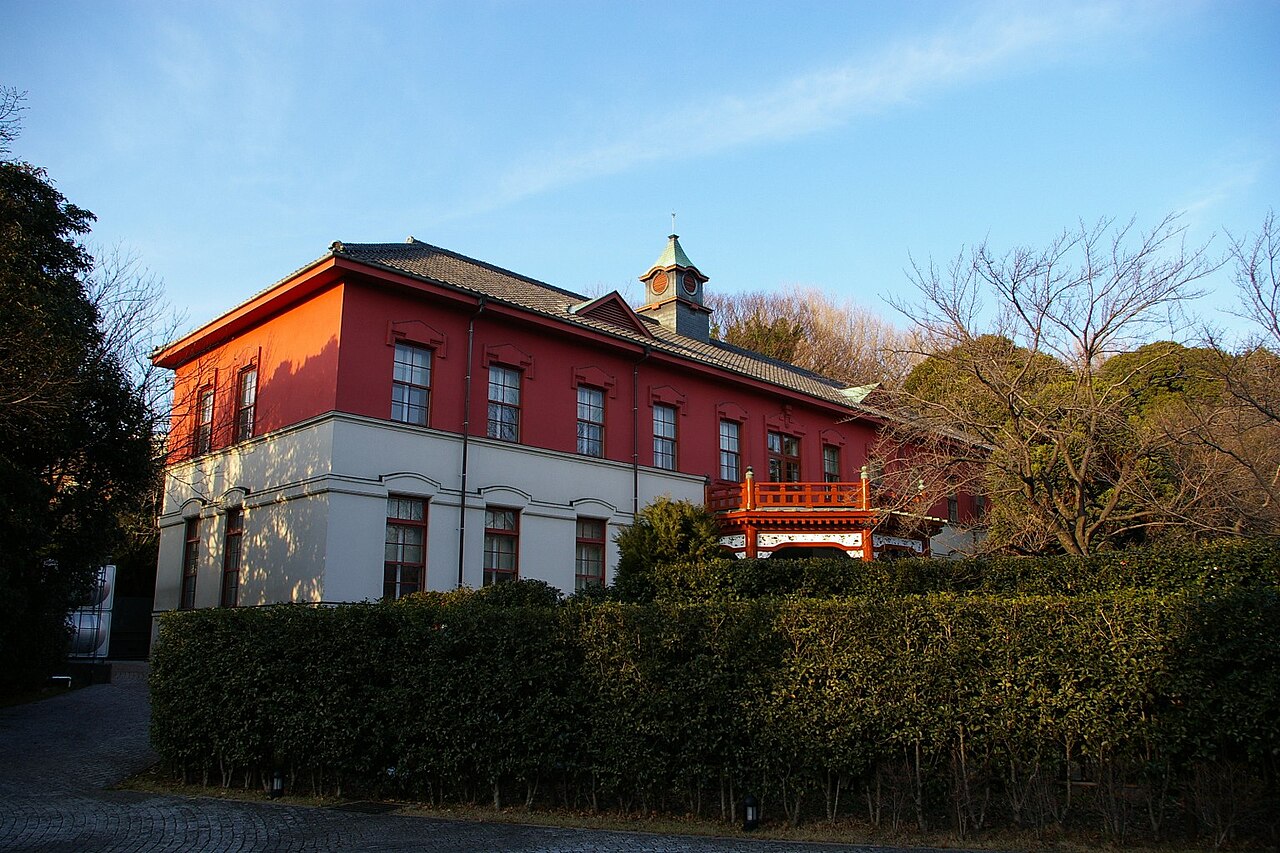
| Pazartesi | Kapalı |
|---|---|
| Salı | Kapalı |
| Çarşamba | Kapalı |
| Perşembe | 10:00 – 16:30 |
| Cuma | 10:00 – 16:30 |
| Cumartesi | 10:00 – 16:30 |
| Pazar | 10:00 – 16:30 |
OpenStreetMap açılış saatlerinden 2026-08-26 tarihinde ayrıştırıldı.
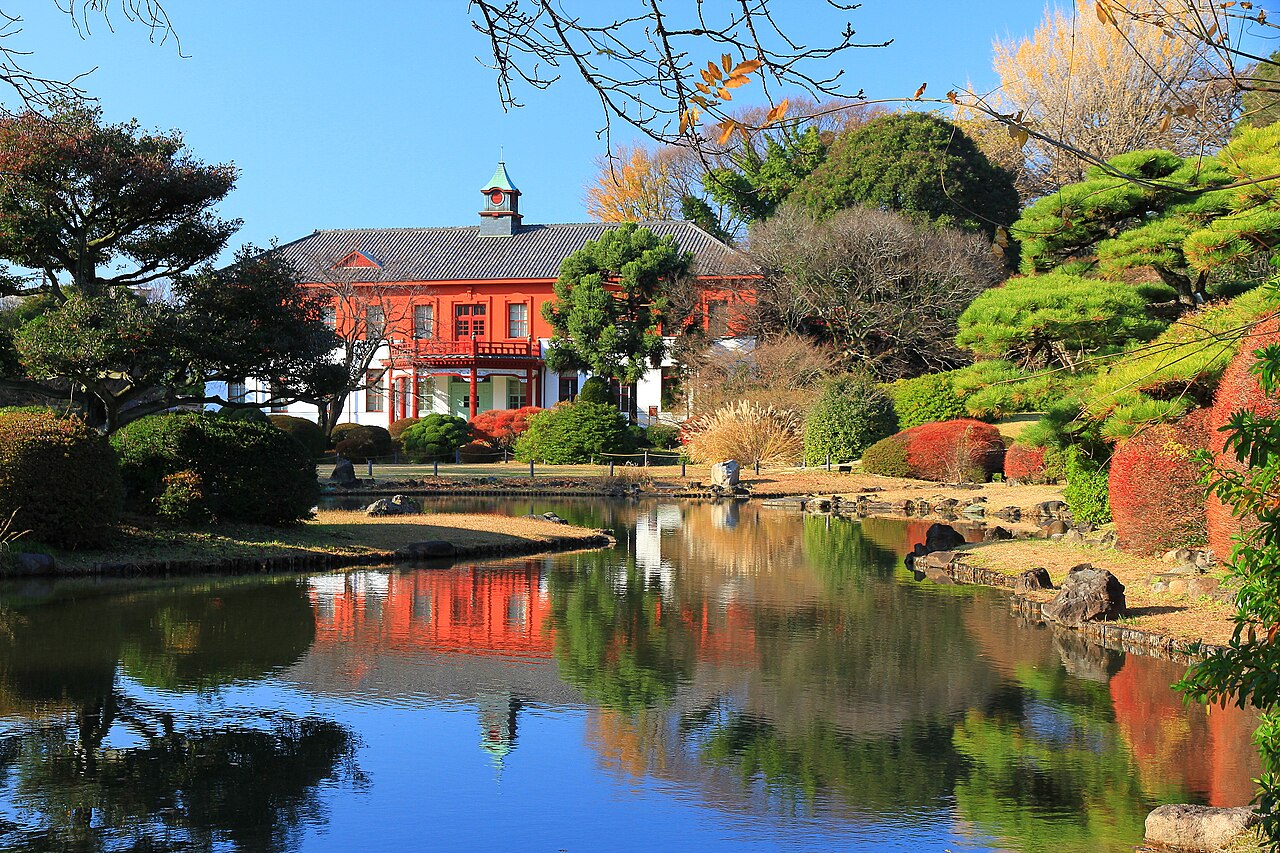
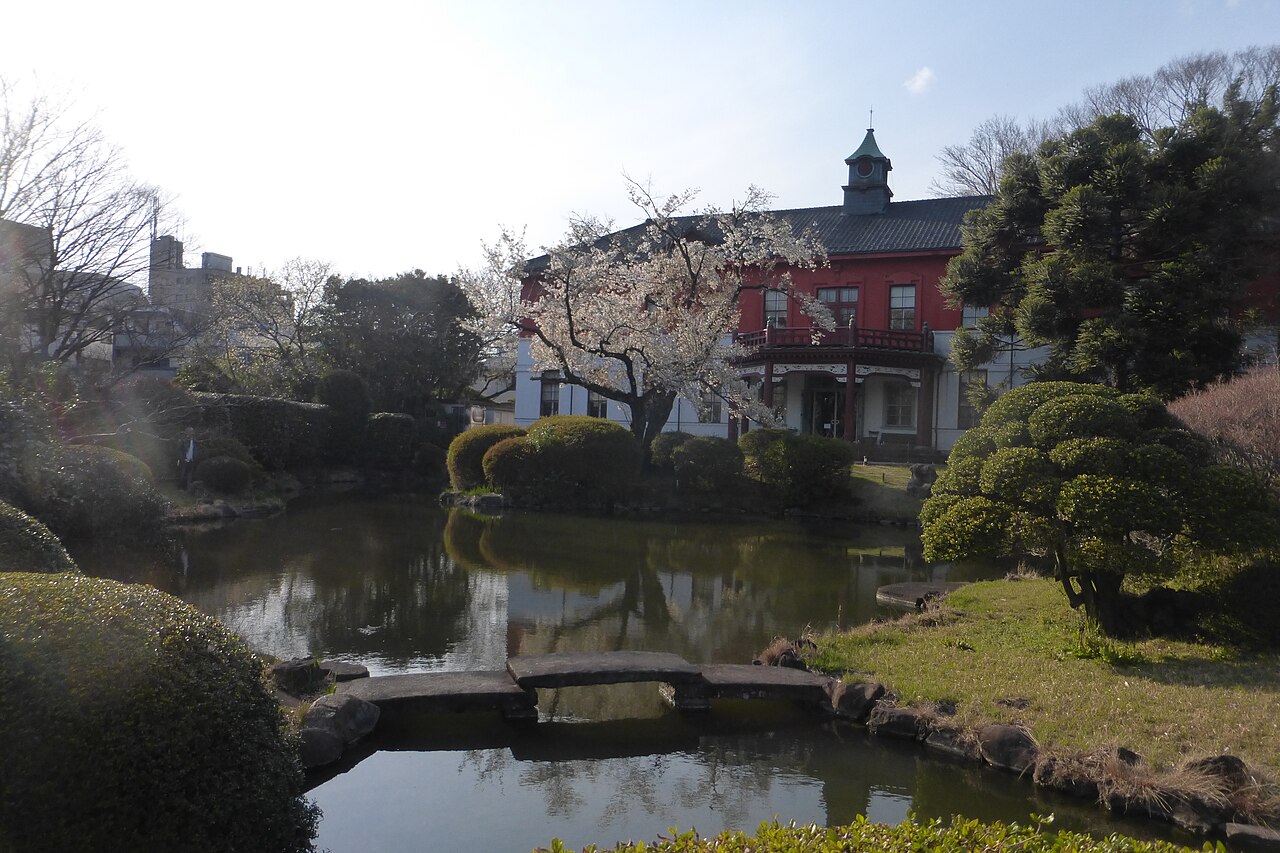
Koishikawa Annex is a branch facility of The University Museum, The University of Tokyo, located in Tokyo. It serves as an exhibition and research space associated with Japan's oldest university museum system. The building occupies a position within the broader Koishikawa area, historically connected to academic and botanical traditions. The annex extends the museum's public engagement beyond the main Hongo campus. Its institutional identity links directly to the University of Tokyo's long-standing commitment to natural history, cultural materials, and scientific collections. Visitors encounter a university-affiliated museum environment rather than a standalone public institution.
2026-08-28 kontrol edildi
The specific current exhibitions and permanent displays at Koishikawa Annex are Not recorded pending review. University museums typically maintain collections spanning natural history specimens, archaeological finds, ethnographic materials, and scientific instruments. The University Museum's broader holdings include extensive zoological, botanical, and geological collections accumulated since the late nineteenth century. The Koishikawa Annex may host rotating exhibitions drawn from these holdings or present specialized research outputs. Visitors should consult official University Museum channels for current programming. The space likely incorporates display cases, explanatory panels, and potentially hands-on or educational components consistent with university museum practice.
2026-08-28 kontrol edildi

The appropriate duration for a visit to Koishikawa Annex is Not recorded pending review. University museum annexes typically accommodate visits ranging from thirty minutes to two hours depending on exhibition density and visitor interest. The compact nature of branch facilities often supports shorter engagements than major metropolitan museums. Visitors with specific research interests or those engaging deeply with academic content may extend their stay. Casual visitors passing through the Koishikawa area might combine this stop with nearby attractions such as the Koishikawa Botanical Gardens. Personal pacing and current exhibition scope determine actual time requirements.
2026-08-28 kontrol edildi
The University Museum's main facilities operate on academic schedules that may differ from commercial museum timetables. University-affiliated venues frequently reduce access during examination periods, holidays, and between academic terms. Visitors should verify current opening status before traveling, as annex schedules may not mirror main campus museum hours. Seasonal considerations for Tokyo include humid summers and cold winters that affect comfortable transit to the site. The Koishikawa area offers year-round accessibility via public transportation, though specific seasonal programming or closures remain unconfirmed without direct operator consultation. Check the operator's own site for the travel date before relying on a schedule or fare.
2026-08-28 kontrol edildi
University museums in Japan often maintain free or nominal-fee access policies reflecting their educational mission, though special exhibitions may carry separate charges. The University Museum system's funding through national university corporation structures potentially influences admission pricing. Visitors should prepare for possible free entry, suggested donations, or modest fixed fees. Payment methods accepted, group rates, and any available concessions for students, seniors, or repeat visitors remain unverified. Direct confirmation with The University Museum administration is essential before budgeting for this visit, particularly if combining with other paid Tokyo attractions. Check the operator's own site for the travel date before relying on a schedule or fare.
2026-08-28 kontrol edildi

Koishikawa Annex occupies a position in Tokyo's Bunkyo ward, within the historically significant Koishikawa district. The area is served by multiple railway and subway lines including the Marunouchi Line and Namboku Line, with stations such as Korakuen and Kasuga providing nearby access. Surface transit and walking routes connect from these hubs. The precise entrance location and wayfinding from public transport stops are Not recorded pending review. Visitors should consult detailed maps or local signage when approaching, as university facilities often occupy positions within larger campus or residential zones that complicate straightforward navigation from major streets.
2026-08-28 kontrol edildi

Visitors should anticipate standard university facility conditions rather than purpose-built museum infrastructure. Potential considerations include limited multilingual signage, as academic institutions may prioritize Japanese-language presentation. Photography policies may be more restrictive than at commercial venues due to research collection sensitivities. The annex may lack amenities common at major tourist destinations such as extensive retail, dining, or rest facilities. Accessibility features including step-free entry, elevator access, and adapted restrooms require direct verification. Visitors with specific mobility, sensory, or language needs should contact the museum in advance. Academic calendar disruptions and unannounced closures for private events remain possibilities.
2026-08-28 kontrol edildi
Photography policies at Koishikawa Annex are Not recorded pending review. University museums frequently impose stricter image-capture rules than public museums due to copyright-protected research materials, specimen preservation requirements, and donor restrictions. Flash photography is commonly prohibited near natural history specimens and paper-based collections due to cumulative light damage. Tripod and selfie stick use typically requires explicit permission. Visitors should observe posted signage and staff instructions without assumption of permissibility. When photography is permitted, personal non-commercial use may be distinguished from publication or social media distribution. Respect for other visitors and ongoing research activities should guide all image-capture decisions.
2026-08-28 kontrol edildi
No, it is a branch facility. The main University Museum is located on the Hongo campus.
Not recorded pending review. Visitors should contact The University Museum directly for current access procedures.
Not recorded pending review. University facilities may have limited multilingual resources compared to major tourist museums.
The botanical gardens are nearby in the same district, though coordination depends on separate operating schedules and any applicable fees.
Not recorded pending review. University museum content and presentation style may target academic or adult audiences rather than family entertainment.
Not recorded pending review. Annex facilities typically offer fewer amenities than standalone public museums.
Etkileşimli harita yükleniyor…
Etkileşimli harita yüklenemedi.
Son güncelleme:
Kaynak: OpenStreetMap katkıda bulunanları, Wikidata ·