


16 dk yürüyüş
Shibuya Sky
- Mutlaka görülmeli
- Manzara noktası
Dil · 11 yayınlandı
Müze · Tokyo
旧朝倉家住宅

Kyu Asakura House is a historic Japanese residence in Tokyo, designated as an Important Cultural Property. The property preserves traditional architectural elements of a pre-war elite home. It occupies a sloped site in the Daikanyama area, featuring landscaped gardens that complement the wooden structures. The house belonged to the Asakura family, who were prominent in local politics during the early twentieth century. Visitors can observe how wealthy Japanese families lived before modern urban redevelopment transformed Tokyo. The site offers a rare surviving example of traditional residential architecture in a now-fashionable district.
2026-08-28 kontrol edildi
The main house exhibits classic Japanese residential construction with tatami rooms, wooden corridors, and sliding fusuma doors. Interior spaces flow between formal reception areas and private family quarters. The building incorporates traditional joinery techniques without excessive ornamentation. Gardens surround the structure with stone arrangements, moss, and mature trees creating contemplative spaces. A separate gatehouse and storage buildings complete the compound. The hillside terrain shapes the garden layout with pathways ascending through planted areas. Original fixtures and family possessions may remain in situ, though specific collection details are Not recorded.
2026-08-28 kontrol edildi
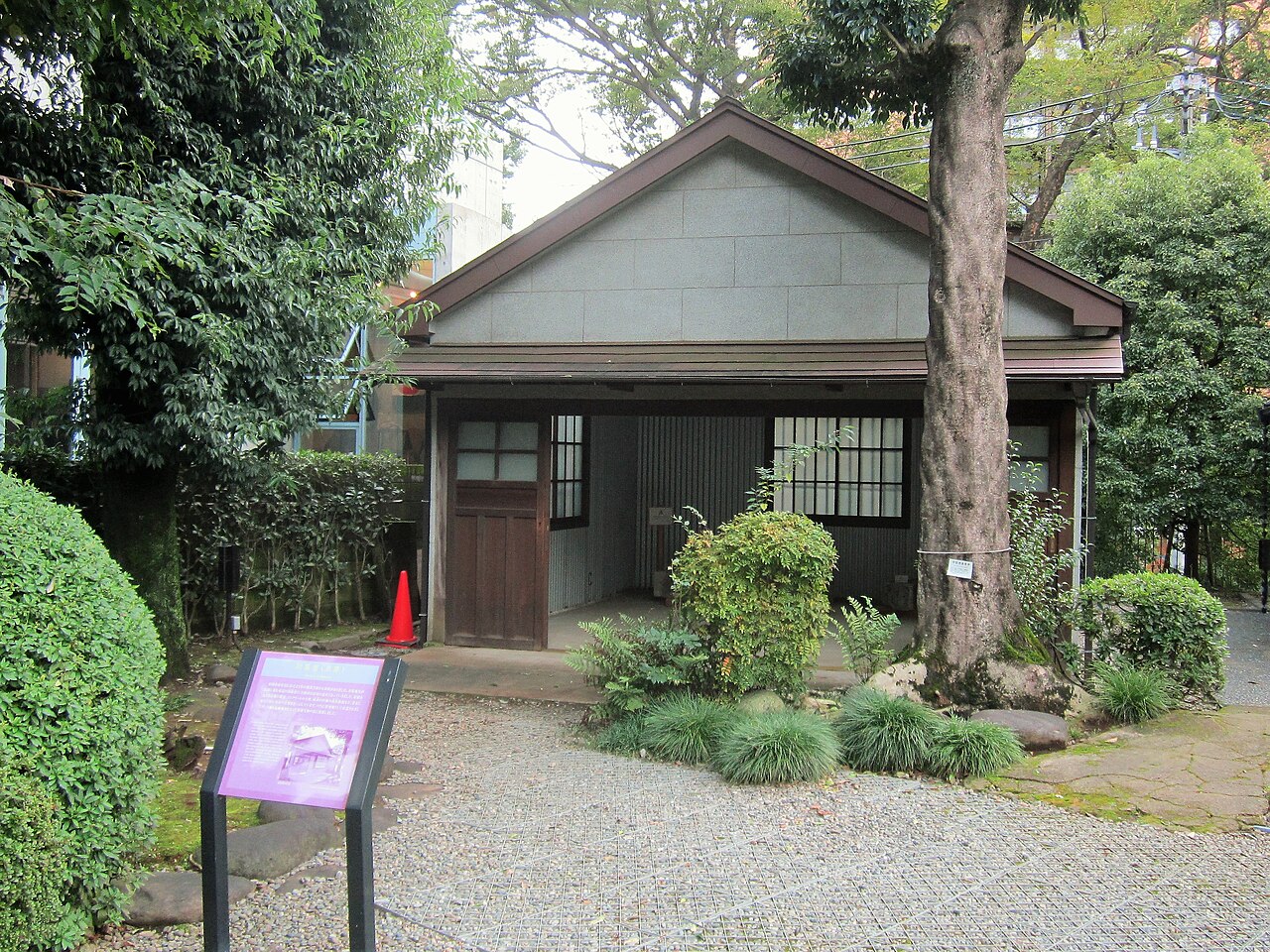
Most visitors spend between forty minutes and ninety minutes exploring the grounds and interior. The compact site rewards unhurried examination of architectural details and garden views. Photography enthusiasts may require additional time to capture light conditions in different spaces. The sloped garden paths demand careful pacing, particularly for those with mobility concerns. A complete visit includes circumnavigating the exterior, entering the main house with footwear removed, and pausing at strategic viewpoints overlooking the garden composition. Rainy days may extend or shorten visits depending on shelter-seeking behavior and path conditions.
2026-08-28 kontrol edildi

Visitors should verify current opening schedules through official channels before planning visits. Seasonal considerations affect the garden experience significantly. Spring brings flowering trees and fresh foliage. Summer delivers dense greenery though potentially uncomfortable humidity. Autumn provides colored leaves against wooden structures. Winter offers structural clarity when deciduous trees stand bare. Morning light illuminates the eastern-facing rooms and main garden areas. Weekday mornings typically ensure quieter contemplation than weekend afternoons when local visitors increase. Weather protection is limited for queuing areas. Check the operator's own site for the travel date before relying on a schedule or fare.
2026-08-28 kontrol edildi
Admission policies remain unverified through official sources at time of drafting. Cultural properties in Japan typically charge modest entry fees, though some offer free access or request donations. Group rates, student discounts, or combined tickets with nearby attractions may exist. Payment methods accepted at the entrance are unspecified. Visitors should carry sufficient cash as many traditional sites lack card facilities. Annual passes or multiple-entry options are possible but unconfirmed. Special exhibition surcharges could apply during temporary displays. Verify all financial details before departure. Check the operator's own site for the travel date before relying on a schedule or fare.
2026-08-28 kontrol edildi
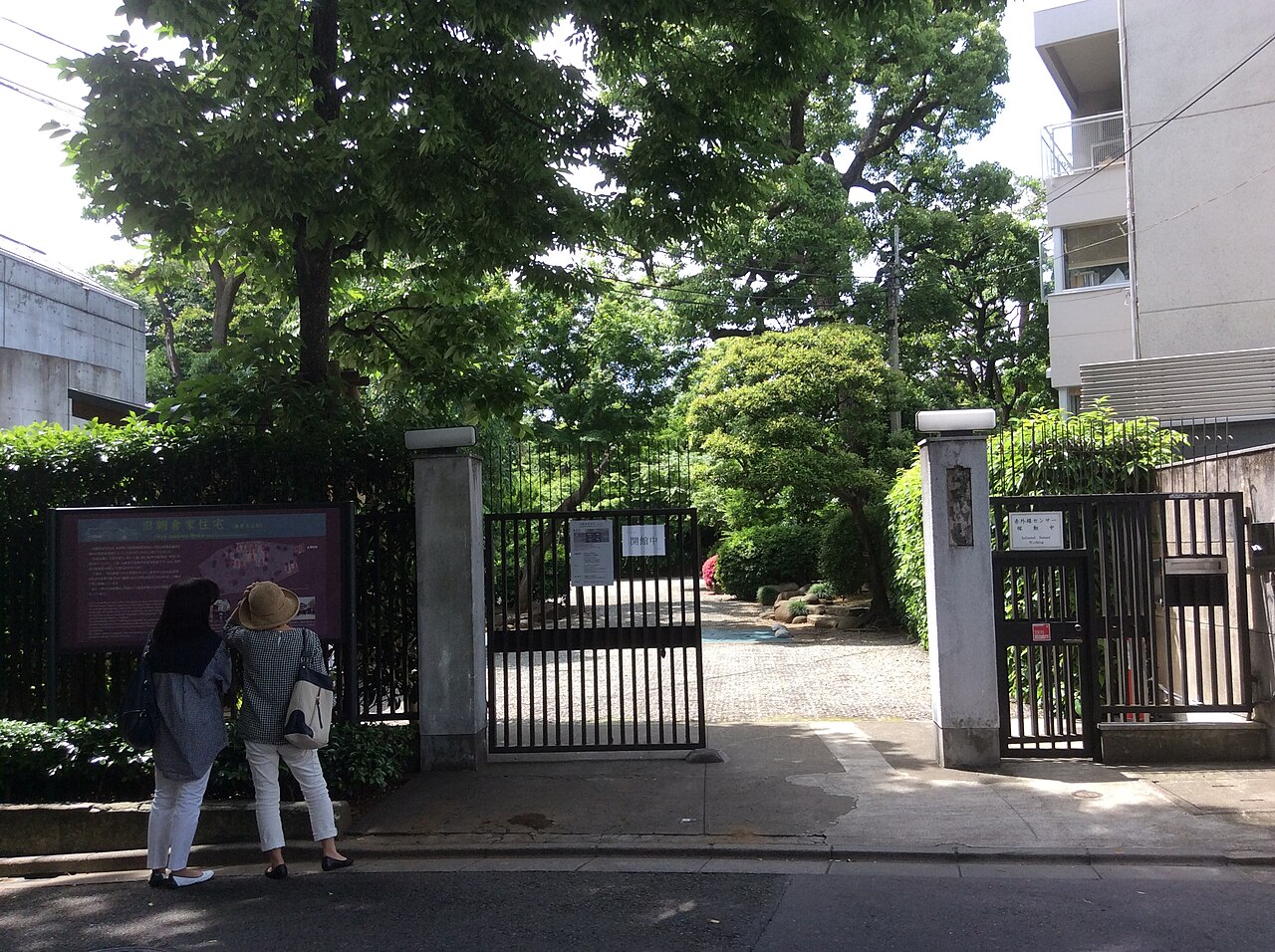
The property sits in Daikanyama, accessible from multiple train stations. Daikanyama Station on the Tokyu Toyoko Line provides the most direct approach with a short walk through upscale retail streets. Ebisu Station offers alternative access via the JR Yamanote Line and Hibiya Line, requiring a longer stroll. The neighborhood features narrow residential streets that confuse first-time visitors. Signage in Japanese predominates though some English indicators exist near major intersections. The sloped terrain creates accessibility challenges for wheelchairs and strollers. Taxis can approach nearby but may not reach the immediate entrance. Cycling parking is limited in this congested area.
2026-08-28 kontrol edildi
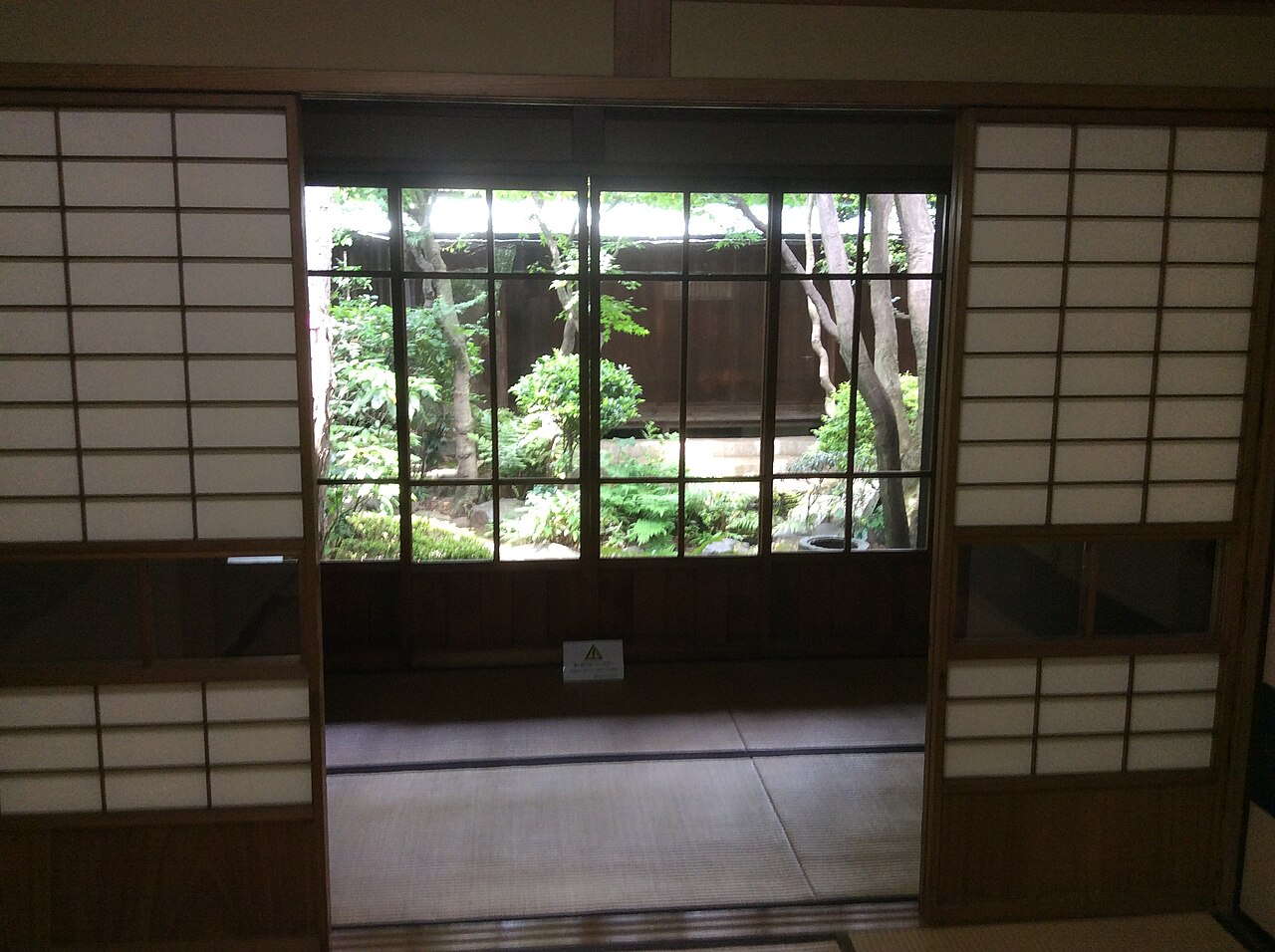
Footwear removal is mandatory before entering the main house; visitors should wear easily removable shoes. Socks are advisable for comfort on tatami and wooden floors. The garden paths become slippery after rain and require sturdy footing on uneven stone steps. Low doorframes and lintels throughout the structure threaten tall visitors. Interior lighting is deliberately subdued to protect artifacts and create atmosphere, challenging vision-impaired guests. No climate control means interior temperatures follow external conditions. Photography restrictions may apply in certain rooms without clear signage. Children require supervision near unguarded drops in the garden. Emergency exit routes are not immediately obvious to foreign visitors.
2026-08-28 kontrol edildi
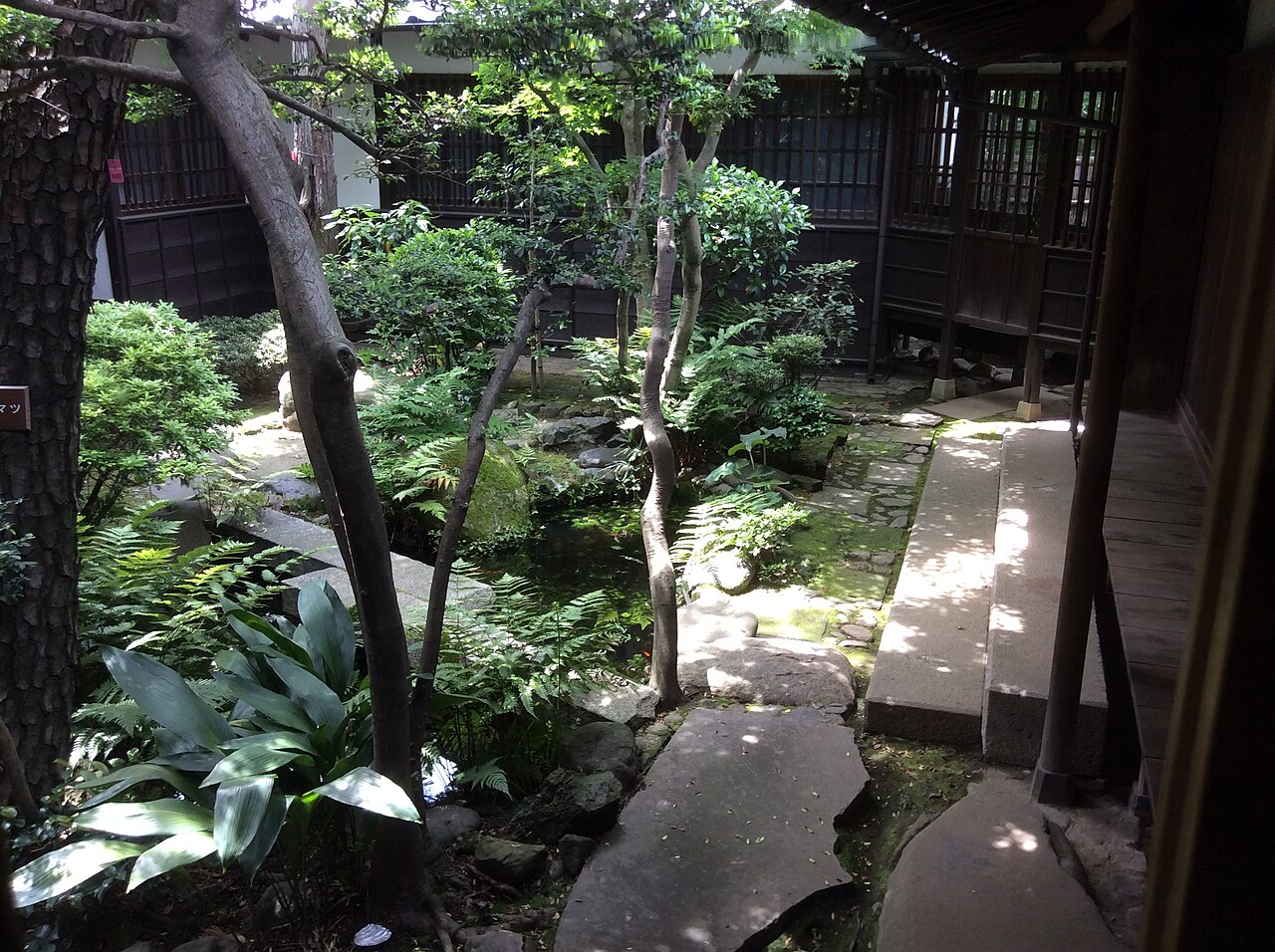
The wooden interiors and garden compositions attract photographers, though specific policies remain unverified. Natural light varies dramatically between rooms and seasons. Morning sun penetrates eastern exposures while afternoon illuminates garden vistas from elevated positions. Tripods likely face restrictions in narrow corridors. Flash photography may be prohibited to protect sensitive materials. The best exterior shots require positioning on the garden paths to frame architecture against vegetation. Reflections in polished corridors create abstract possibilities. Overcast conditions reduce harsh shadows on wooden textures. Cherry blossom season brings competing visitors seeking identical compositions. Respect other guests by refraining from prolonged posing in confined interior spaces.
2026-08-28 kontrol edildi
Not recorded. The sloped garden terrain and traditional building design with raised floors and narrow corridors present likely accessibility challenges.
Not recorded. Most traditional Japanese residences rely on self-guided visitation with minimal interpretive material in languages other than Japanese.
Not recorded. Standard practice at Japanese cultural properties prohibits consumption within historic structures; visitors should confirm specific policies.
Not recorded. The compact nature of the property suggests limited commercial facilities, though nearby Daikanyama offers numerous dining and shopping options.
Not recorded in comparative detail. The hillside garden setting and surviving pre-war residential compound format distinguish it from reconstructed or urban-cleared alternatives.
Not recorded. Most Japanese cultural properties of this scale accept walk-up visitors, though special exhibitions or peak seasons may require advance booking.
Etkileşimli harita yükleniyor…
Etkileşimli harita yüklenemedi.


Son güncelleme:
Kaynak: OpenStreetMap katkıda bulunanları, Wikidata ·