


,_RP-F-F01196-H.jpg)
.jpg)
3 dk yürüyüş
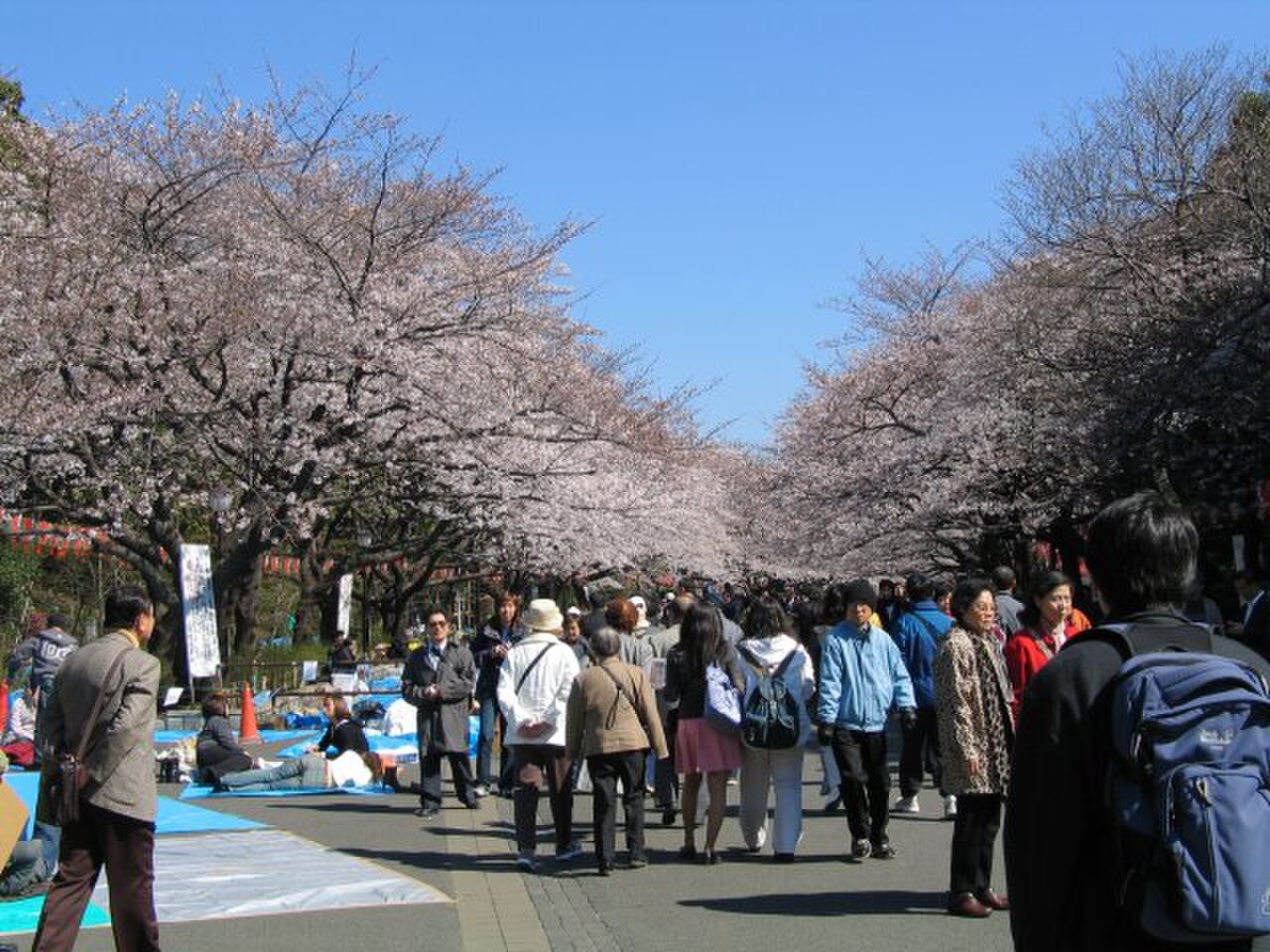
Ueno Parkı
- Mutlaka görülmeli
- Doğal alan
Dil · 11 yayınlandı
Tarihi anıt · Tokyo
上野東照宮
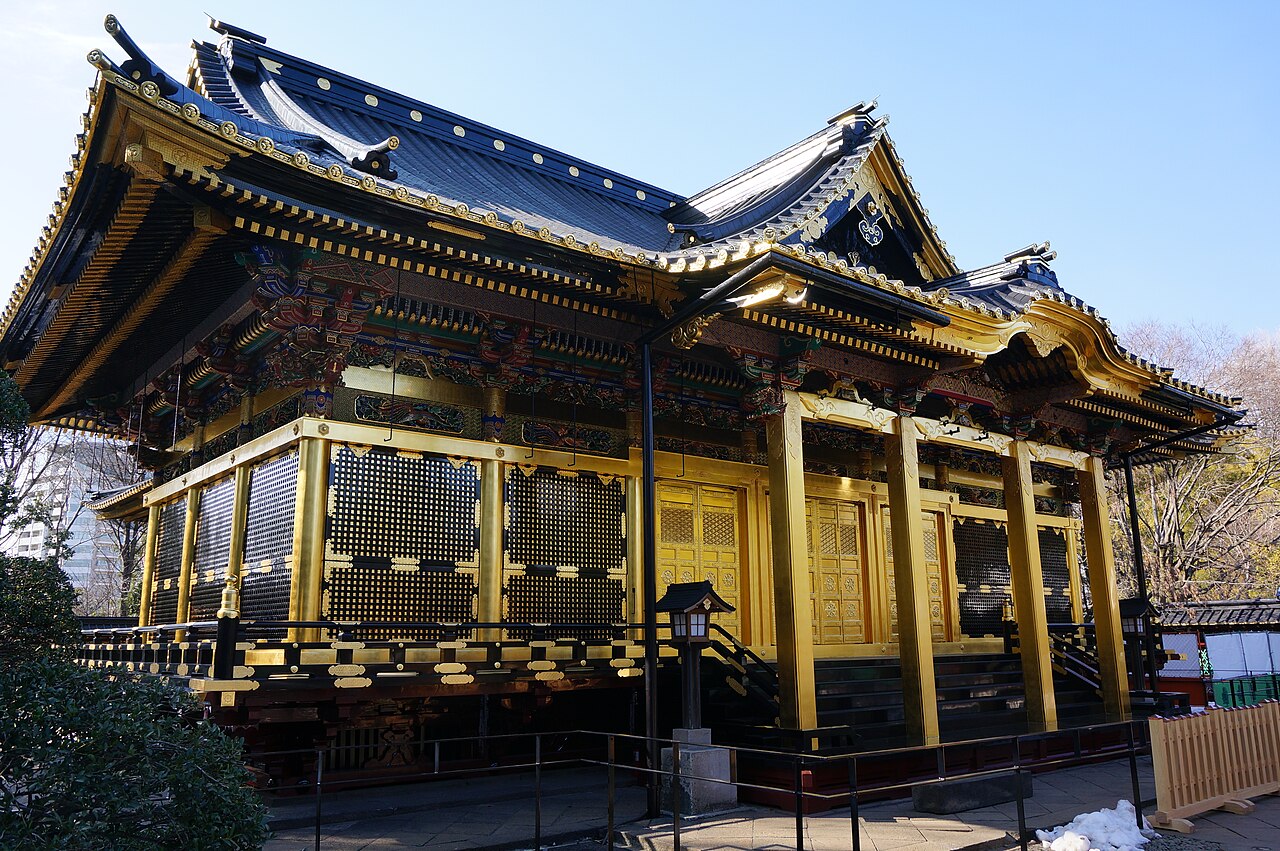
Ueno Tōshō-gū is a Shinto shrine located in Ueno Park, Tokyo. It enshrines Tokugawa Ieyasu, the founder of the Tokugawa shogunate that ruled Japan from 1603 to 1868. The shrine was originally constructed in 1627 and later rebuilt. It is one of numerous Tōshō-gū shrines found throughout Japan. The structure is known for its ornate decorations and historical significance within the context of Edo-period Japan. The shrine occupies a prominent position within Ueno Park, a major public park in Tokyo's Taitō ward.
2026-08-28 kontrol edildi
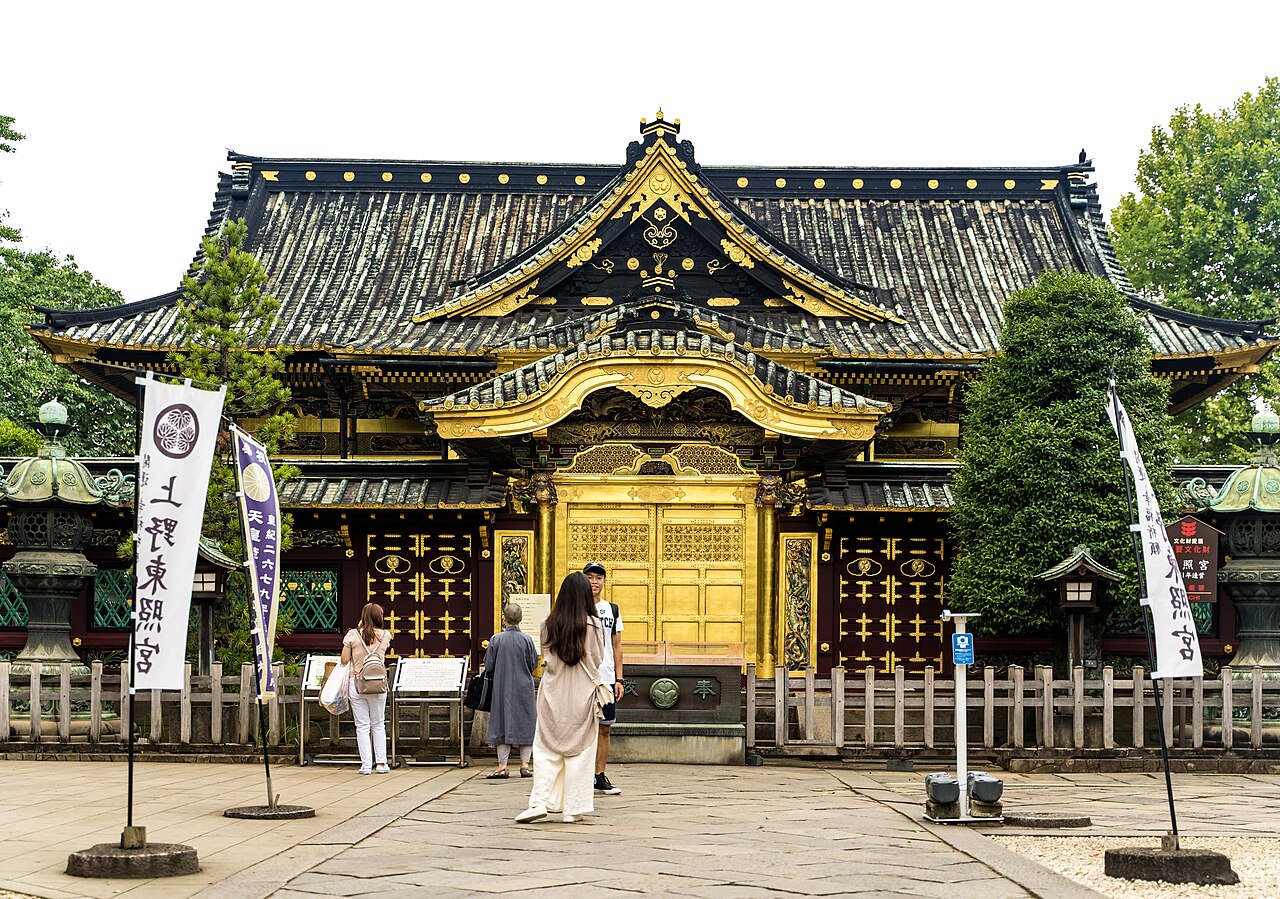
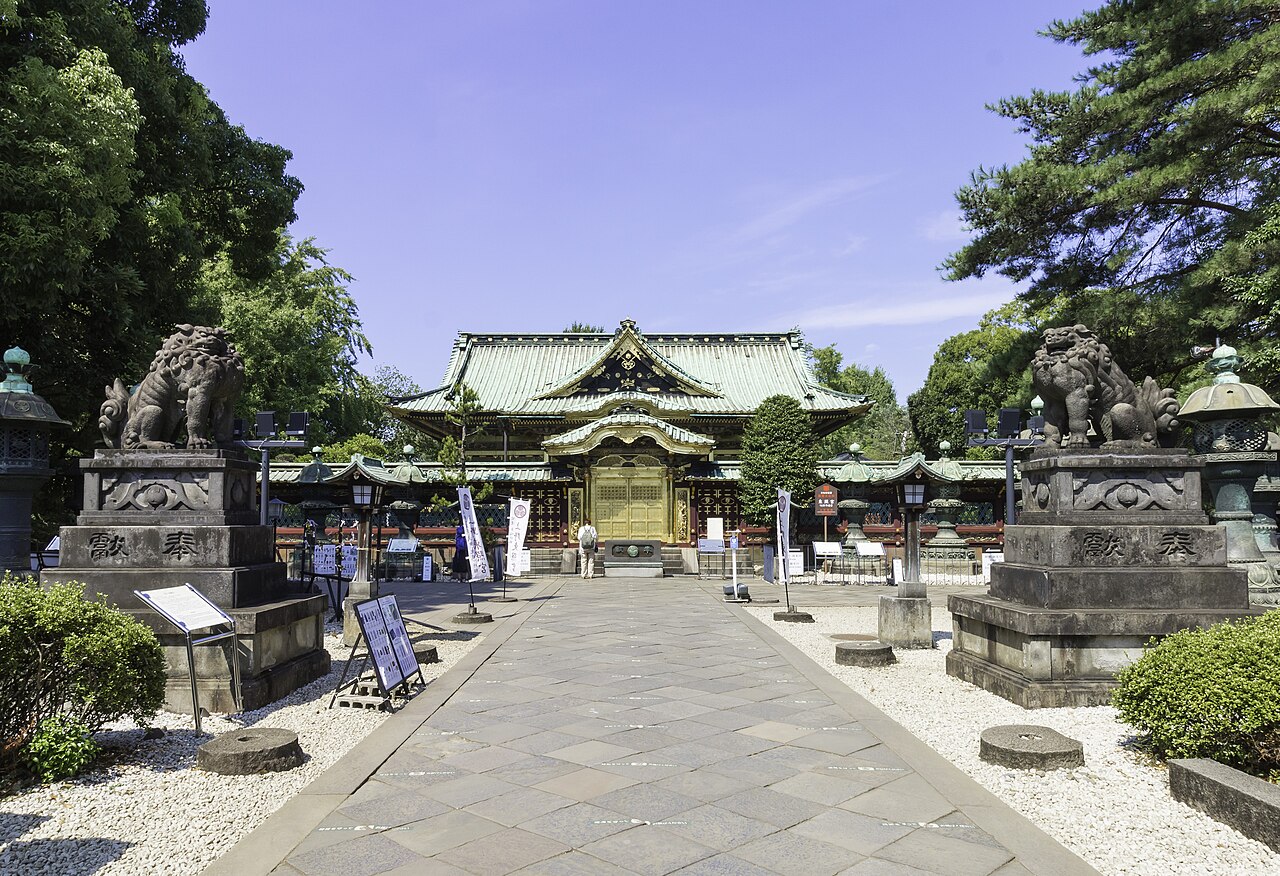
The shrine complex contains several notable architectural elements. The main hall and offering hall are connected structures. The Karamon gate features elaborate carvings, reportedly including depictions of elephants by artists who had never seen actual elephants. Numerous stone and bronze lanterns are present throughout the grounds, many donated by daimyō feudal lords. The grounds include a peony garden, which blooms seasonally. The structures exhibit characteristic features of early Edo-period shrine architecture, with extensive use of gold leaf and detailed woodwork visible on surviving original elements.
2026-08-28 kontrol edildi
A typical visit to Ueno Tōshō-gū requires approximately thirty to sixty minutes for the shrine buildings and immediate grounds. Visitors with strong interest in architectural details or who wish to photograph extensively may spend longer. The adjacent peony garden, when open and in bloom, adds fifteen to thirty minutes. Combined with broader exploration of Ueno Park, which contains multiple museums, a zoo, and Shinobazu Pond, visitors often allocate half a day to the park overall. The shrine itself functions as one component within this larger cultural precinct rather than a standalone full-day destination.
2026-08-28 kontrol edildi
Visitors should verify current opening and closing times through official channels before planning their visit. The shrine grounds remain accessible for external viewing when buildings are closed. Seasonal considerations include the peony garden's blooming period, typically winter through spring, though exact timing varies annually. Ueno Park experiences significant visitor increases during cherry blossom season in late March to early April, creating crowded conditions throughout the area. New Year period brings pilgrimage visitors to active shrines. Early morning visits generally offer reduced crowding regardless of season. Check the operator's own site for the travel date before relying on a schedule or fare.
2026-08-28 kontrol edildi
The main shrine grounds have historically permitted free access for exterior viewing. Certain interior areas or special exhibitions may require separate admission fees. The peony garden has typically charged a separate entrance fee when open. Visitors should verify current fee structures through official sources before visiting. Cash remains the standard payment method at many traditional Japanese shrine facilities. No advance reservation system is indicated for standard visits. Group rates, student discounts, or other concession categories are not documented in available sources and require direct inquiry. Check the operator's own site for the travel date before relying on a schedule or fare.
2026-08-28 kontrol edildi

Ueno Tōshō-gū is located within Ueno Park in Tokyo's Taitō ward. Multiple rail stations provide access to the park area. Ueno Station, served by JR East, Tokyo Metro, and Keisei Electric Railway, lies immediately adjacent to the park's southern entrance. Uguisudani Station on the JR Yamanote and Keihin-Tōhoku lines offers alternative access from the east. The park is extensively served by pedestrian pathways. Signage within Ueno Park directs visitors to the shrine location. The surrounding area contains numerous additional attractions, museums, and facilities supporting full-day visitation to the broader district.
2026-08-28 kontrol edildi

The shrine grounds contain uneven stone surfaces and steps, requiring appropriate footwear and caution, particularly in wet conditions. As an active religious site, visitors should observe standard shrine etiquette: bow respectfully at torii gates, avoid walking in the center of pathways where possible, and refrain from disruptive behavior. Photography restrictions may apply within certain interior spaces. The peony garden has seasonal accessibility. Crowding peaks during cherry blossom season and New Year holidays. Limited English signage may challenge some international visitors. No food or beverage facilities are indicated within the immediate shrine precinct.
2026-08-28 kontrol edildi
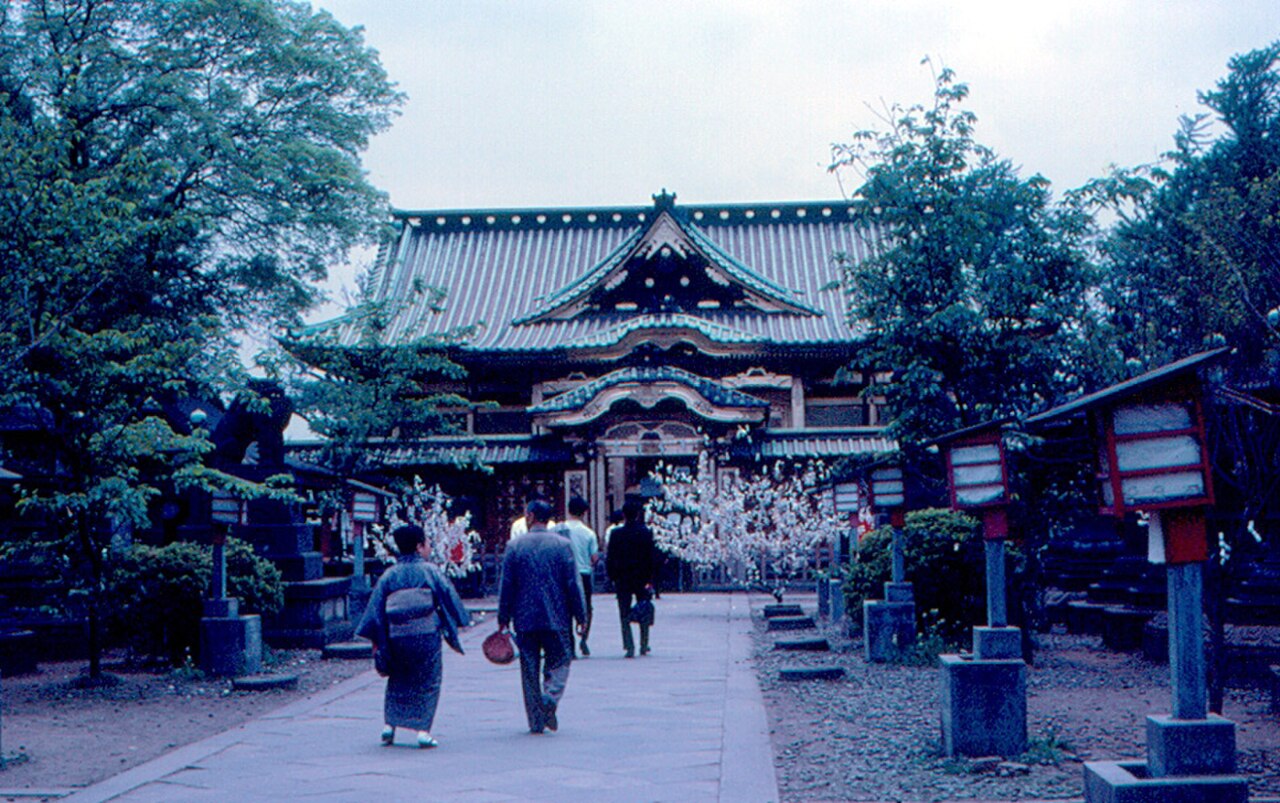
The ornate Karamon gate and main shrine structures offer substantial photographic interest, particularly the gold-leaf decorations and architectural details. Exterior photography is generally permitted throughout the grounds. Interior photography restrictions are common at active Shinto shrines and should be verified on-site. Morning light illuminates the main structures favorably. The peony garden provides seasonal botanical photography opportunities. Tripod use may be restricted during busy periods. The surrounding Ueno Park offers additional subjects including seasonal foliage, Shinobazu Pond, and various museum buildings. Visitors should remain aware of other guests and worshippers when positioning for photographs.
2026-08-28 kontrol edildi
Ueno Tōshō-gū remains an active Shinto shrine where religious ceremonies continue to be conducted. Visitors should observe appropriate respectful behavior throughout the grounds.
The peony garden has historically operated with separate access and admission from the main shrine grounds. Current arrangements should be verified through official sources.
Availability of English-language materials at Ueno Tōshō-gū is not documented in available sources. Visitors may benefit from prior research or mobile translation tools.
Many active Shinto shrines provide goshuin stamps for a fee. Whether Ueno Tōshō-gū currently offers this service is not confirmed in available sources and requires direct inquiry.
The historic grounds contain uneven stone surfaces and steps that may present challenges. Specific accessibility accommodations are not documented and should be verified through official channels.
Availability of guided tours in any language is not documented in available sources. The shrine is typically visited as a self-directed experience.
Etkileşimli harita yükleniyor…
Etkileşimli harita yüklenemedi.


Son güncelleme:
Kaynak: OpenStreetMap katkıda bulunanları, Wikidata ·