
4 dk yürüyüş
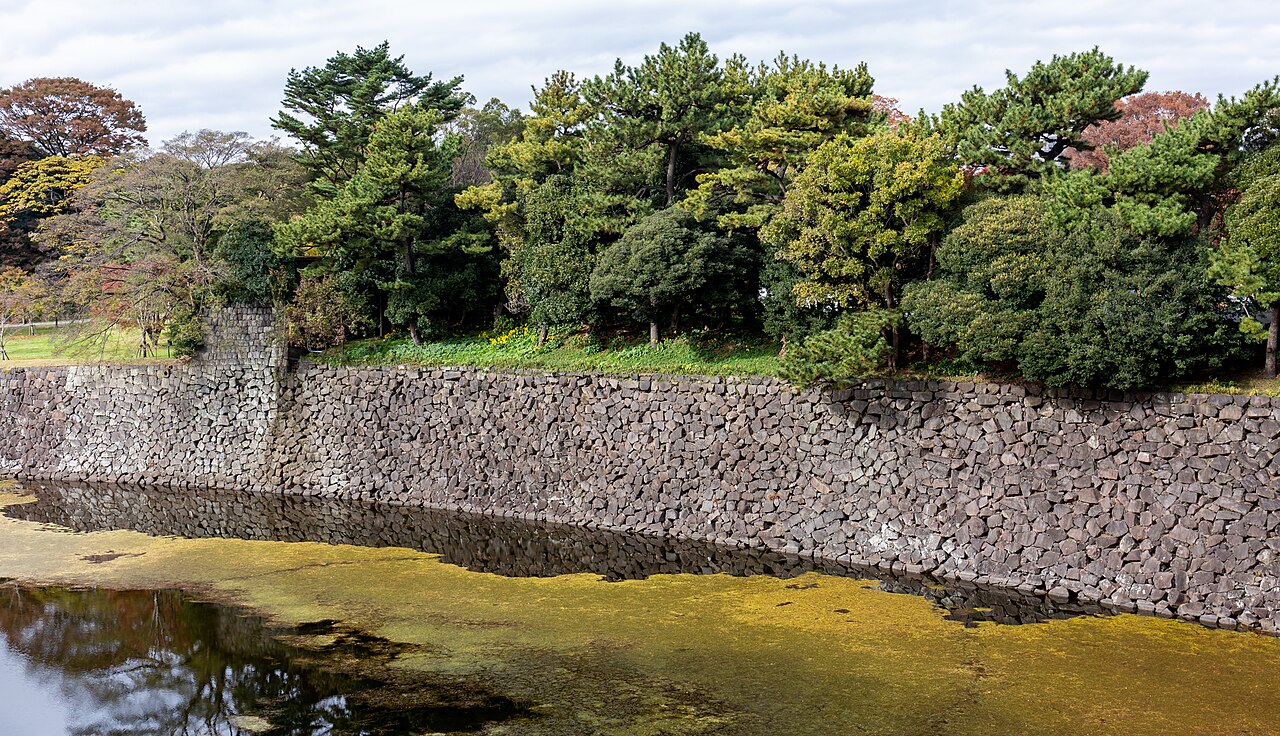
Edo Kalesi
- Mutlaka görülmeli · Miras alanı
- Tarihi anıt
Dil · 11 yayınlandı
Müze · Tokyo
東京国立近代美術館

| Pazartesi | 10:00 – 17:00 |
|---|---|
| Salı | 10:00 – 17:00 |
| Çarşamba | 10:00 – 17:00 |
| Perşembe | 10:00 – 17:00 |
| Cuma | 10:00 – 20:00 |
| Cumartesi | 10:00 – 17:00 |
| Pazar | 10:00 – 17:00 |
OpenStreetMap açılış saatlerinden 2026-08-26 tarihinde ayrıştırıldı.
The National Museum of Modern Art, Tokyo, known locally as 東京国立近代美術館, is a major Japanese art museum located in the Chiyoda ward of Tokyo. Established as a national institution, it focuses on modern and contemporary art from the Meiji period onward. The museum holds significant collections of Japanese and international works. Its position within the cultural landscape of Tokyo reflects Japan's engagement with Western artistic movements while preserving distinctive national traditions. The museum operates under national administrative frameworks.
2026-08-28 kontrol edildi
The museum's collections encompass paintings, sculptures, prints, watercolors, drawings, and photographs. Notable emphases include Japanese works from the Meiji era through contemporary periods, alongside selected international modern art. The museum also maintains works on paper and craft objects reflecting Japan's material culture. Special exhibitions rotate through dedicated gallery spaces. The institution's holdings represent evolving aesthetic sensibilities and technical innovations in Japanese visual culture. Specific current displays and loan arrangements require direct confirmation from museum sources. The useful approach is to connect The National Museum of Modern Art with the rest of the area while leaving enough time for the next stop. This works for both a focused first visit and a slower return.
2026-08-28 kontrol edildi
Visitor duration varies substantially based on individual engagement patterns. Casual observers typically allocate ninety minutes to two hours for permanent collection highlights. Dedicated art enthusiasts may extend visits to three or four hours, particularly when special exhibitions coincide. The museum's layout across multiple floors permits flexible pacing. Combination visits with nearby cultural institutions in the Kitanomaru Park area, including the Crafts Gallery, extend typical itineraries. Visitors should assess personal stamina and specific exhibition interests when planning schedules.
2026-08-28 kontrol edildi
Visitors must consult official museum channels directly for current opening schedules, seasonal variations, holiday closures, and any temporary adjustments. Tokyo's climate presents distinct seasonal considerations: summer humidity may affect comfort during transit, while winter months offer clearer atmospheric conditions. Weekday mornings generally provide reduced crowding compared to weekends and national holidays. Special exhibition periods attract elevated attendance regardless of season. Advance verification prevents disrupted itineraries. The National Museum of Modern Art also earns time in a tokyo itinerary because its setting and role differ from the surrounding ranked stops. Compare the place with the nearby streets before deciding how it fits the day. Check the operator's own site for the travel date before relying on a schedule or fare.
2026-08-28 kontrol edildi
The museum likely maintains differentiated fee structures for permanent collections versus special exhibitions, with potential concessions for students, seniors, and groups. Free admission policies may apply to specific demographics or designated promotional dates. Visitors must verify current pricing through official museum websites or direct inquiry. Combination tickets with affiliated institutions may offer economic advantages. Cash and electronic payment acceptance should be confirmed in advance of visits. A flexible visit keeps attention on what is distinctive at The National Museum of Modern Art without treating one room, viewpoint or photograph as the whole experience. Conditions on arrival should decide the final pace. Check the operator's own site for the travel date before relying on a schedule or fare.
2026-08-28 kontrol edildi
The museum occupies a position within Kitanomaru Park, accessible via multiple Tokyo transit options. Nearby stations include Takebashi on the Tokyo Metro Tozai Line, and Kudanshita serving multiple subway lines. Walking distances from these stations require moderate physical capability. Bus services operate in surrounding areas. The park setting provides pedestrian approaches through green space. Cycling presents another viable option given Tokyo's expanding bicycle infrastructure. Visitors with mobility considerations should research specific accessibility provisions and station exit recommendations.
2026-08-28 kontrol edildi
The museum's park location necessitates weather-appropriate preparation for outdoor walking segments. Footwear suitable for extended standing and gallery walking enhances comfort. Photography restrictions typically apply within exhibition spaces; visitors must observe posted guidelines and staff instructions. Bag size limitations may affect entry procedures. Food and beverage consumption remains restricted to designated areas. The surrounding Kitanomaru Park contains additional cultural facilities that may distract from primary museum objectives if time-constrained. Crowding peaks during popular special exhibitions.
2026-08-28 kontrol edildi
Photography policies within the museum require careful observation of posted regulations and staff directions. Permanent collection galleries typically prohibit flash photography and may restrict all image capture for conservation and copyright reasons. Special exhibitions commonly impose stricter prohibitions due to loan agreements with external institutions. Visitors should prepare for potential complete photography bans in certain spaces. Mobile telephones should be silenced. Designated areas may permit limited photography; verification with attendants prevents policy violations. Respect for artwork protection supersedes documentation desires.
2026-08-28 kontrol edildi
Accessibility provisions should be verified through direct museum inquiry. The building's age and park setting may present variable conditions across different zones.
English-language interpretation services require confirmation from museum operators. Availability fluctuates with exhibition programming and operational decisions.
On-site dining facilities exist but specific operating status, menus, and hours must be confirmed directly with the institution.
Storage facilities including lockers are typically available at major Japanese museums, but capacity restrictions and security policies require direct verification.
A shop offering publications and related items is customary for national museums, though current inventory and operating details need confirmation.
Children are generally admitted, though engagement suitability varies by exhibition content. Specific family policies and any age-related restrictions require operator confirmation.
Etkileşimli harita yükleniyor…
Etkileşimli harita yüklenemedi.
Son güncelleme:
Kaynak: OpenStreetMap katkıda bulunanları, Wikidata ·