
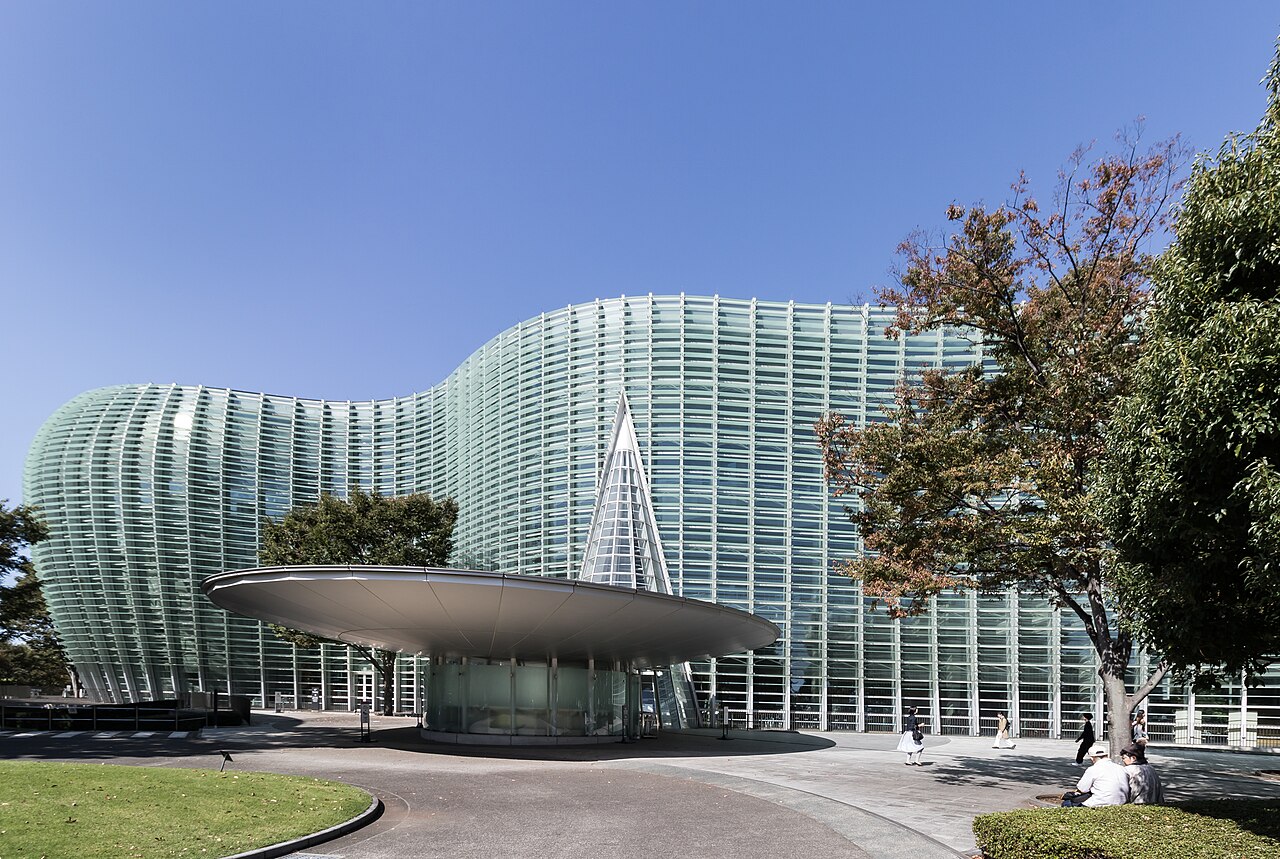
5 dk yürüyüş
Tokyo Ulusal Sanat Müzesi
- Mutlaka görülmeli
- Müze
Dil · 11 yayınlandı
Müze · Tokyo
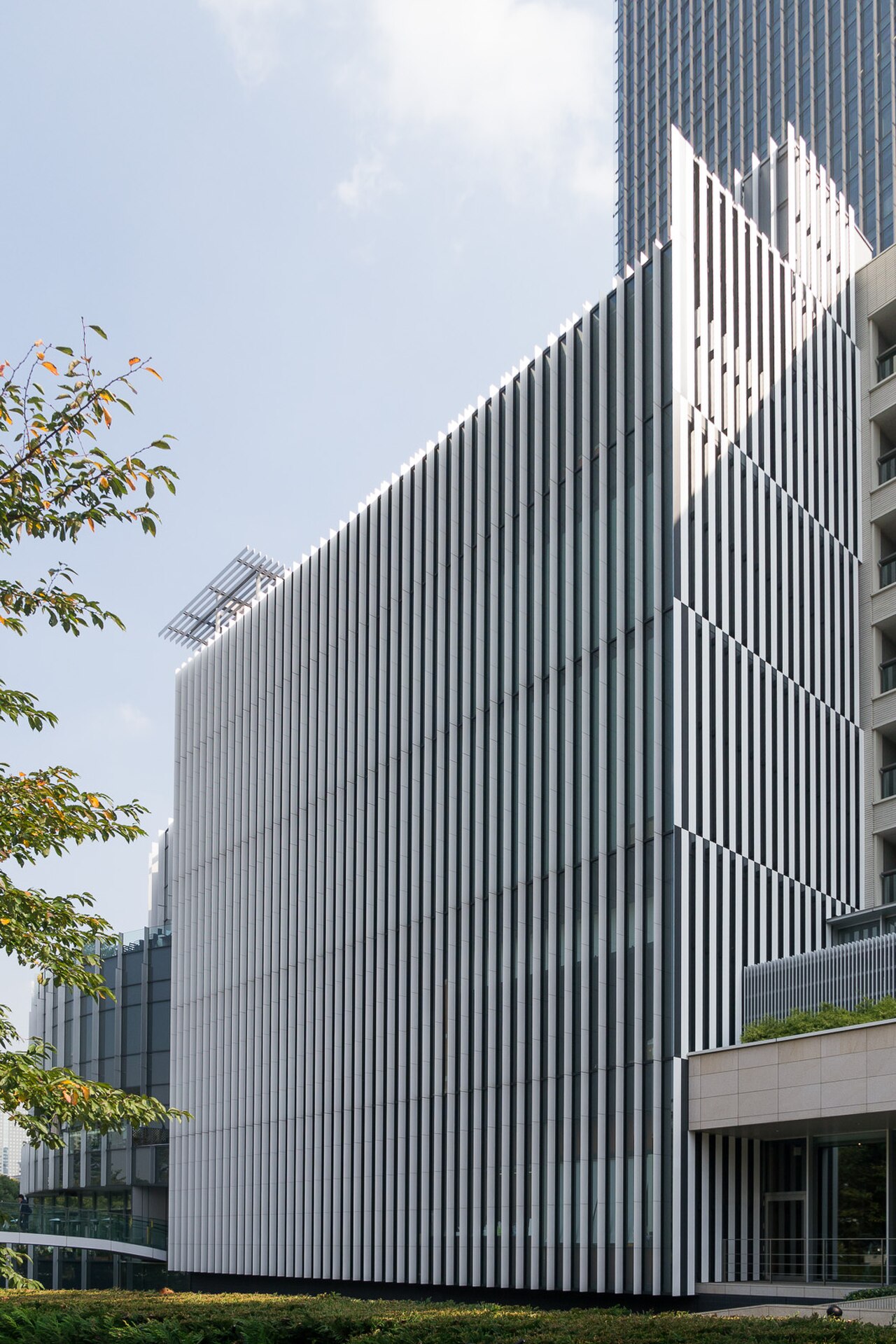
サントリー美術館
| Pazartesi | 10:00 – 18:00 |
|---|---|
| Salı | 10:00 – 18:00 |
| Çarşamba | 10:00 – 18:00 |
| Perşembe | Kapalı |
| Cuma | 10:00 – 20:00 |
| Cumartesi | 10:00 – 18:00 |
| Pazar | 10:00 – 18:00 |
OpenStreetMap açılış saatlerinden 2026-08-26 tarihinde ayrıştırıldı.
The Suntory Museum of Art is a private art museum located in Tokyo, Japan. Its local name is サントリー美術館. The institution is operated by the Suntory corporation, a major Japanese beverage and food company. The museum focuses on Japanese and East Asian art traditions. It has occupied different locations in Tokyo over its history, including periods in the Marunouchi and Roppongi areas. The museum's collection emphasizes connections between art and daily life, reflecting founder Shinjiro Torii's philosophy that art should enrich everyday existence.
2026-08-28 kontrol edildi
The museum's collection centers on Japanese art with particular strength in ceramics, lacquerware, textiles, and paintings. It holds significant works from various periods of Japanese history alongside select East Asian materials. The institution presents rotating thematic exhibitions drawn from its holdings and loaned works. Exhibition programming explores the intersection of fine art and functional craft objects. The museum's collecting philosophy prioritizes aesthetic quality and historical significance within Japanese visual culture. Specific current and upcoming exhibitions are Not recorded pending review from operator sources.
2026-08-28 kontrol edildi
A typical visit to the Suntory Museum of Art requires approximately one to two hours for viewing the permanent collection and any special exhibitions. Visitors with strong interest in Japanese ceramics, lacquerware, or textile arts may prefer extended time. The compact, focused nature of the galleries supports efficient viewing. Visitors should allow additional time for any audio guides, museum shop browsing, or cafe visits if available. The actual duration depends on individual pace and the number of works on display during a given visit. Crowding levels vary significantly by exhibition popularity.
2026-08-28 kontrol edildi
Visitors must consult the museum's official website or contact the institution directly before planning attendance. Tokyo's climate features hot humid summers and mild winters; indoor museum environments remain climate-controlled year-round. The museum's location in a major commercial district means surrounding services operate consistently. Holiday periods in Japan, particularly Golden Week and New Year, may affect accessibility. Advance verification of operational status is essential for all travel planning to this destination. Check the operator's own site for the travel date before relying on a schedule or fare.
2026-08-28 kontrol edildi
The museum may employ variable pricing structures distinguishing permanent collection and special exhibition access. Typical Japanese museum practice includes reduced rates for students, seniors, and groups, though specific policies here remain unverified. Some private museums in Japan participate in reciprocal programs or offer combination tickets with nearby institutions. Visitors should consult official sources for current fee structures, advance reservation requirements, and any timed-entry systems that may be in operation. Suntory Museum of Art also earns time in a tokyo itinerary because its setting and role differ from the surrounding ranked stops. Compare the place with the nearby streets before deciding how it fits the day. Check the operator's own site for the travel date before relying on a schedule or fare.
2026-08-28 kontrol edildi
The museum's current location requires verification through official sources as it has relocated historically. Previous Tokyo locations were served by major rail and subway networks characteristic of the metropolitan area. Tokyo's public transportation system operates extensively through JR East lines, Tokyo Metro, and Toei Subway. Visitors typically navigate using station names and exit numbers. Taxis and ride services provide alternatives. Pedestrian access from surrounding stations generally involves covered walkways or urban streetscapes. Specific directions, nearest stations, and walking distances are Not recorded pending review of current location data.
2026-08-28 kontrol edildi
Visitors should verify current location and operating status before traveling, as this institution has undergone relocations. Japanese museum etiquette typically prohibits touching artworks, using mobile phones in galleries, and consuming food or beverages. Shoes may require removal in certain exhibition spaces with traditional tatami flooring. Baggage restrictions may apply; large items often require coin-locker storage. Photography policies vary by exhibition and individual work. Crowding during popular exhibitions may require advance reservations or extended queuing. The museum's position within larger commercial complexes may involve separate security screening or building access protocols.
2026-08-28 kontrol edildi
Photography policies at Japanese art museums vary substantially by institution, exhibition, and individual artwork loan conditions. Flash photography is universally prohibited due to conservation concerns. Some museums permit non-flash photography in permanent collection galleries while banning it in special exhibitions. Works on loan from other institutions or private collections often carry absolute photography prohibitions. Visitors should observe all posted signage and staff instructions. Tripods, selfie sticks, and professional equipment typically require advance permission. When photography is permitted, social media sharing may still face restrictions. Specific policies for this museum are Not recorded pending review.
2026-08-28 kontrol edildi
The museum has relocated during its history. Its current specific address, building name, and nearest station are Not recorded pending verification from official operator sources. Previous locations included Marunouchi and Roppongi areas.
Visitors must consult the museum's official website or contact the institution directly before visiting. Check the operator's own site for the travel date before relying on a schedule or fare.
Pricing structures may distinguish permanent collection and temporary exhibition access. Check the operator's own site for the travel date before relying on a schedule or fare.
English availability for exhibition texts, audio guides, and website information is common at major Tokyo museums but not confirmed for this specific institution. Verification from official sources is recommended.
Accessibility features including elevators, accessible restrooms, and gallery navigation accommodations are Not recorded pending review. Visitors requiring specific accessibility information should contact the museum directly.
Advance reservation systems, online ticketing platforms, and capacity controls are Not recorded pending review. Popular exhibitions at Tokyo museums frequently require or benefit from advance booking, but specific policies here remain unverified.
Etkileşimli harita yükleniyor…
Etkileşimli harita yüklenemedi.


Son güncelleme:
Kaynak: OpenStreetMap katkıda bulunanları, Wikidata ·