
3 dk yürüyüş
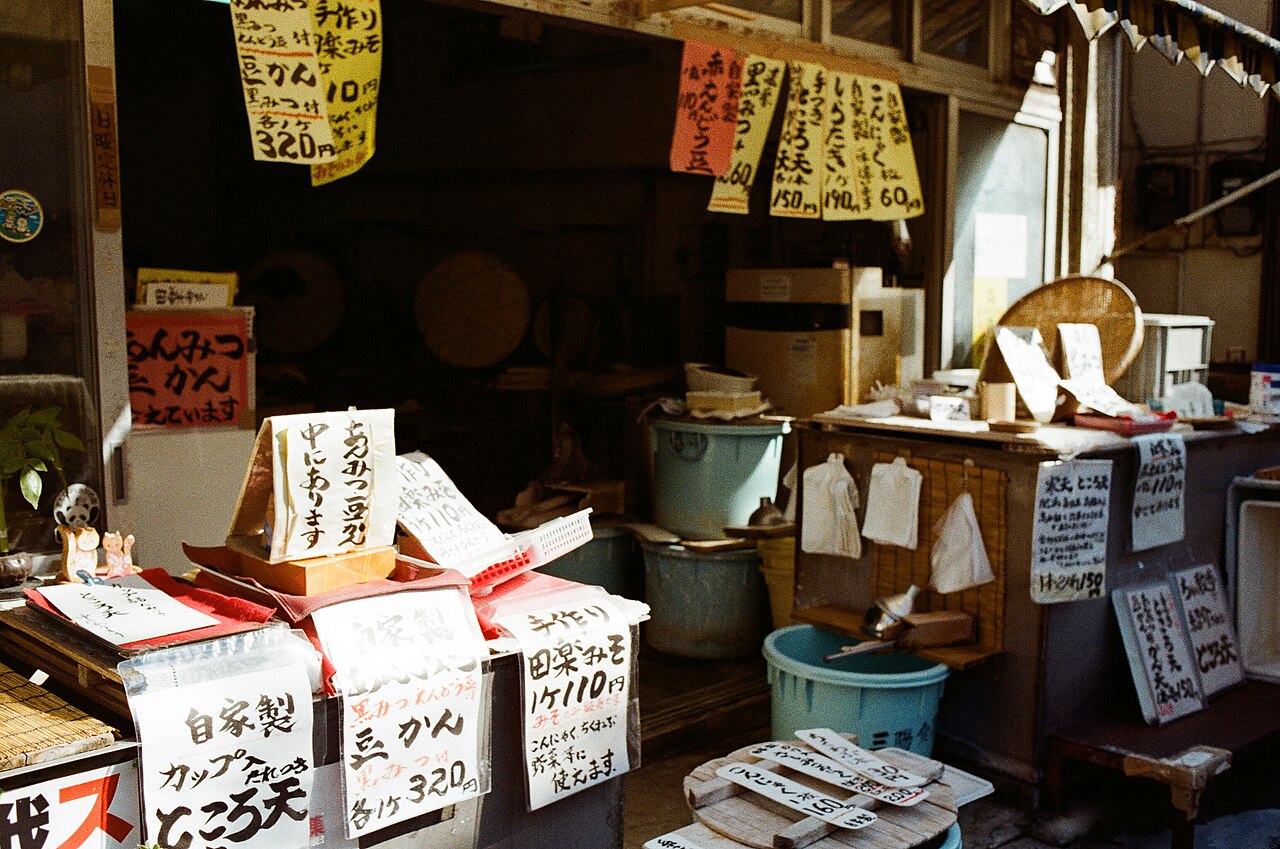
谷中銀座
- Mutlaka görülmeli
- Tarihi anıt
Dil · 11 yayınlandı
Müze · Tokyo
台東区立朝倉彫塑館
Bugün kapalı, Cuma. Bir sonraki açılış Cumartesi 09:30 — planlayıcı Cuma günü buraya durak koymaz.
Etrafından planla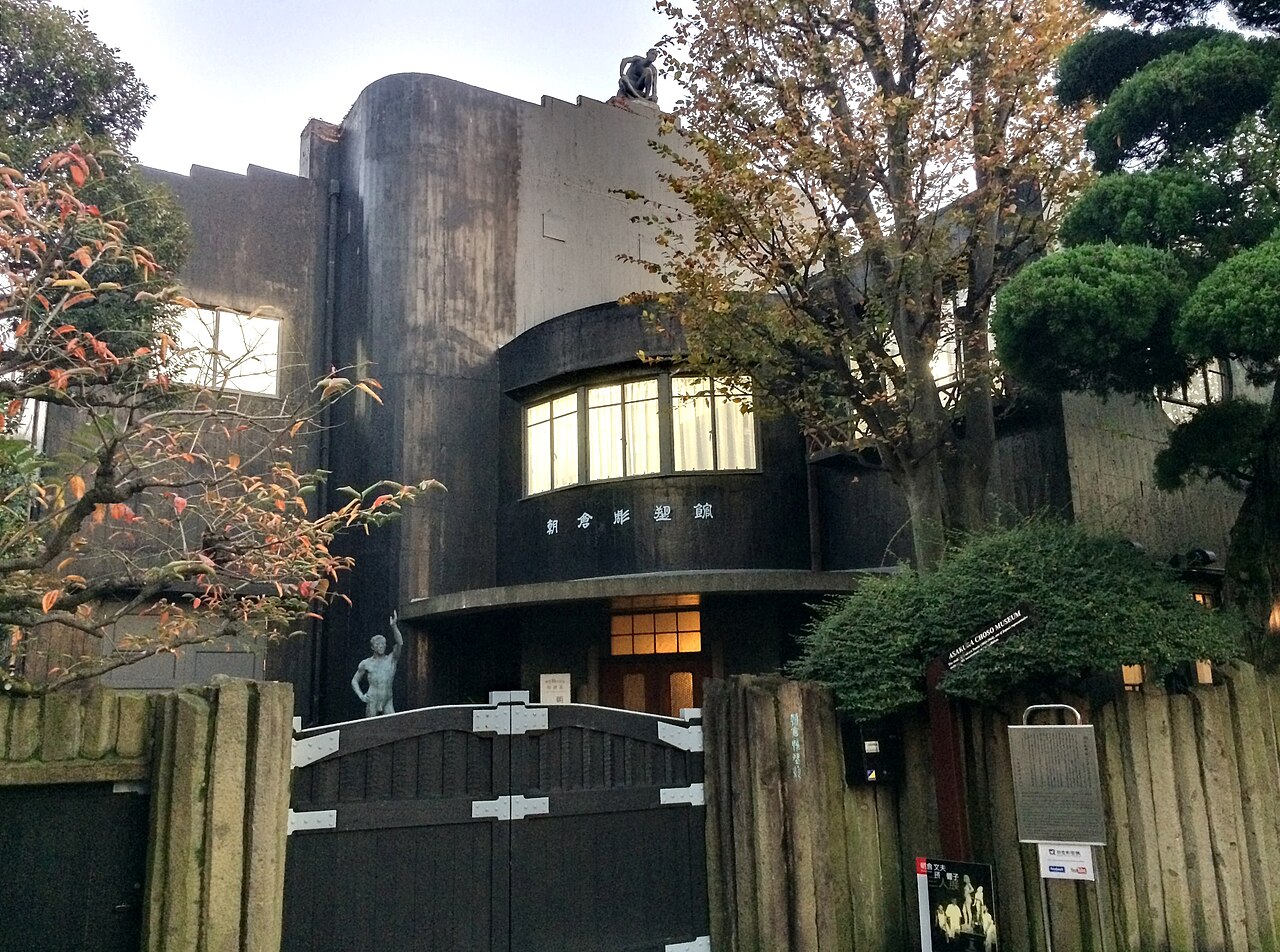
| Pazartesi | Kapalı |
|---|---|
| Salı | 09:30 – 16:30 |
| Çarşamba | 09:30 – 16:30 |
| Perşembe | 09:30 – 16:30 |
| Cuma | Kapalı |
| Cumartesi | 09:30 – 16:30 |
| Pazar | 09:30 – 16:30 |
OpenStreetMap açılış saatlerinden 2026-08-26 tarihinde ayrıştırıldı.
The Asakura Museum of Sculpture is a municipal museum operated by Taito City, located in Tokyo's Taito Ward. It preserves and displays the works of sculptor Fumio Asakura, a significant figure in modern Japanese sculpture. The museum occupies a traditional Japanese residence with a garden, creating a distinctive cultural atmosphere. The building itself holds architectural importance, blending residential heritage with museum function. Visitors encounter both artistic and historical dimensions in this specialized institution dedicated to one sculptor's legacy.
2026-08-28 kontrol edildi
The museum houses sculptures by Fumio Asakura across various materials and periods of his career. The collection includes realistic portrait busts, animal sculptures particularly cats, and larger monumental works. Display spaces incorporate the original residential rooms, offering intimate viewing contexts. The garden contains additional sculptural installations. Asakura's studio environment is partially preserved, providing insight into his working methods. The integration of artwork with traditional Japanese architectural elements creates a unique presentation not found in conventional gallery settings. Asakura Museum of Sculpture also earns time in a tokyo itinerary because its setting and role differ from the surrounding ranked stops. Compare the place with the nearby streets before deciding how it fits the day.
2026-08-28 kontrol edildi
Visitors typically spend between sixty to ninety minutes exploring the museum's compact but dense presentation. The limited scale of the former residence means efficient circulation through display rooms. Sculpture enthusiasts may extend their visit through careful examination of individual works and repeated garden walks. The contemplative atmosphere encourages unhurried appreciation. Combined with the surrounding Yanaka district's attractions, the museum functions well as a half-day cultural excursion rather than a full-day destination. Budget approximately two hours including arrival and departure logistics.
2026-08-28 kontrol edildi
Visitors should verify current opening schedules through official Taito City channels before planning their visit. Seasonal considerations include Tokyo's hot humid summers and cold winters, which affect garden enjoyment. The covered interior spaces provide climate refuge regardless of season. Weekday mornings likely offer quieter experiences than weekends. The museum's residential scale suggests capacity limitations during peak periods. Advance confirmation prevents disappointment from unannounced closures or special exhibitions affecting regular access. A flexible visit keeps attention on what is distinctive at Asakura Museum of Sculpture without treating one room, viewpoint or photograph as the whole experience. Conditions on arrival should decide the final pace. Check the operator's own site for the travel date before relying on a schedule or fare.
2026-08-28 kontrol edildi
Admission structures for municipal Japanese museums typically include standard adult rates with reductions for students, seniors, and groups. Some museums offer combined tickets with affiliated institutions. Free admission days occur periodically in Tokyo's public museums, though specific dates require verification. Children below certain ages often enter free. International visitors rarely receive separate pricing. Currency is Japanese yen only; credit card acceptance varies. Budget approximately standard municipal museum rates pending official confirmation of current fee structure. Check the operator's own site for the travel date before relying on a schedule or fare.
2026-08-28 kontrol edildi
The museum resides in Taito Ward's Yanaka neighborhood, accessible via multiple stations. Nippori Station on the JR Yamanote Line and Keisei Main Line provides the most convenient rail access, followed by a ten to fifteen minute walk through residential streets. Sendagi Station on the Tokyo Metro Chiyoda Line offers alternative approach. The Yanaka area's narrow lanes and preserved streetscape reward walking exploration. Signage in Japanese assists navigation. The museum's specific location within residential blocks requires attention to detailed maps rather than prominent landmark orientation.
2026-08-28 kontrol edildi
The traditional building presents accessibility challenges including staircases, tatami mat areas requiring shoe removal, and narrow doorways. Visitors with mobility limitations should inquire about access provisions beforehand. The garden paths may be uneven or slippery in wet conditions. Climate control in historic structures varies seasonally. Photography restrictions apply to specific works or areas; observe posted signs and staff instructions. The residential scale creates intimate proximity to artworks; maintain appropriate distances. Quiet behavior preserves the contemplative atmosphere expected in Japanese cultural institutions and residential-derived spaces.
2026-08-28 kontrol edildi
Photography policies within the museum require direct verification as restrictions commonly apply to specific artworks, entire galleries, or flash usage. Japanese museums typically prohibit tripod use and selfie sticks regardless of general photo permissions. The garden may permit photography more liberally than interior spaces. Commercial photography requires advance authorization. Respect other visitors by avoiding obstructive positioning. When permitted, natural light from windows and garden views offers atmospheric documentation opportunities. Always confirm current regulations with staff upon entry rather than assuming consistency with prior visitor reports or general expectations.
2026-08-28 kontrol edildi
Yes, the structure is a preserved traditional Japanese residence with architectural value that shapes the visitor experience.
The museum focuses specifically on Fumio Asakura's work as a dedicated single-artist municipal institution.
English support levels at municipal Tokyo museums vary; visitors should anticipate primarily Japanese presentation.
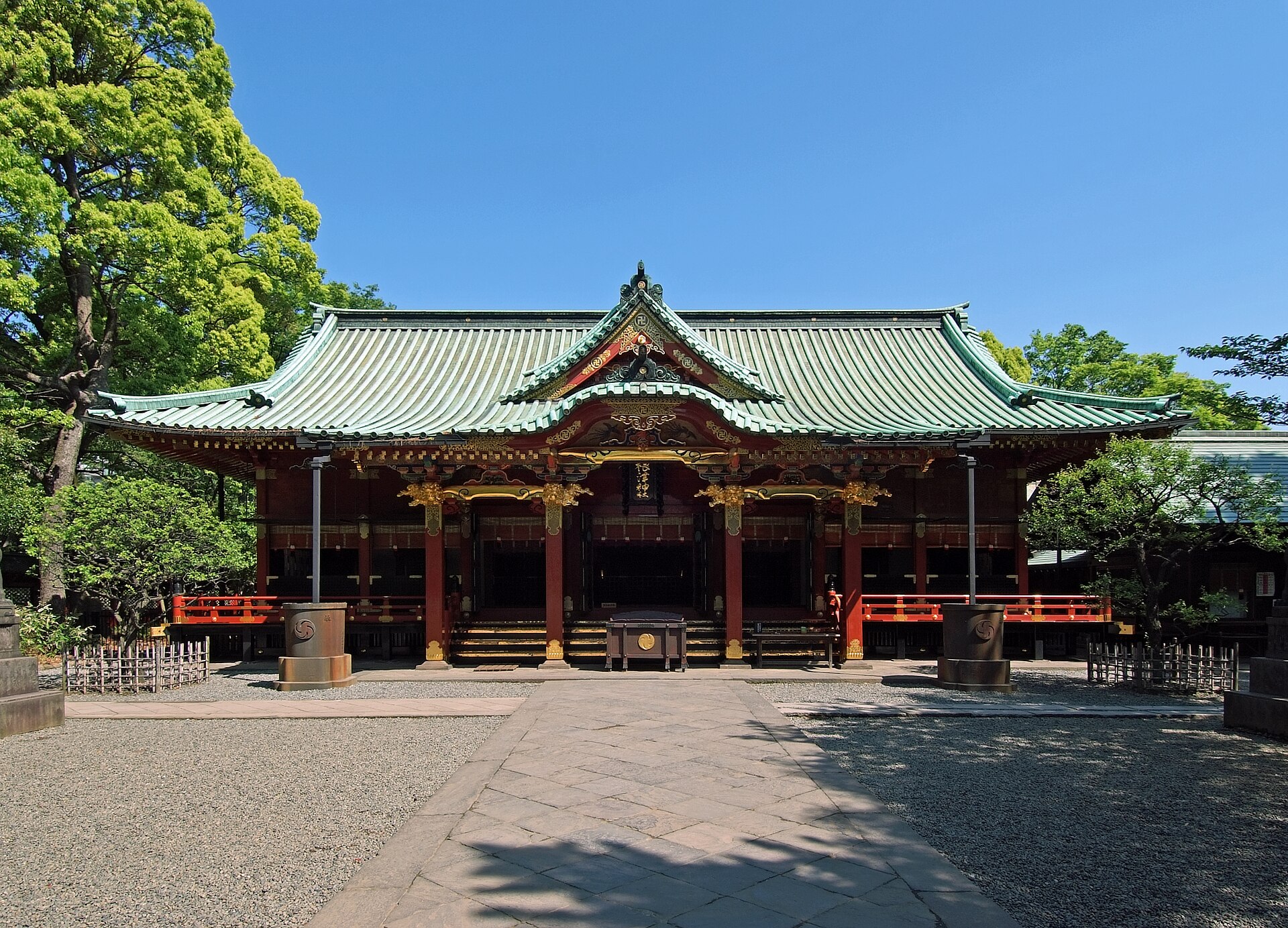
The Yanaka district offers temples, cemeteries, and preserved streetscapes suitable for extended walking exploration.
Standard municipal museums rarely require advance booking, though special exhibitions may implement timed entry.
The converted residential scale suggests no dedicated restaurant; nearby Yanaka offers various dining options.
Etkileşimli harita yükleniyor…
Etkileşimli harita yüklenemedi.

Son güncelleme:
Kaynak: OpenStreetMap katkıda bulunanları, Wikidata ·