
28 dk yürüyüş
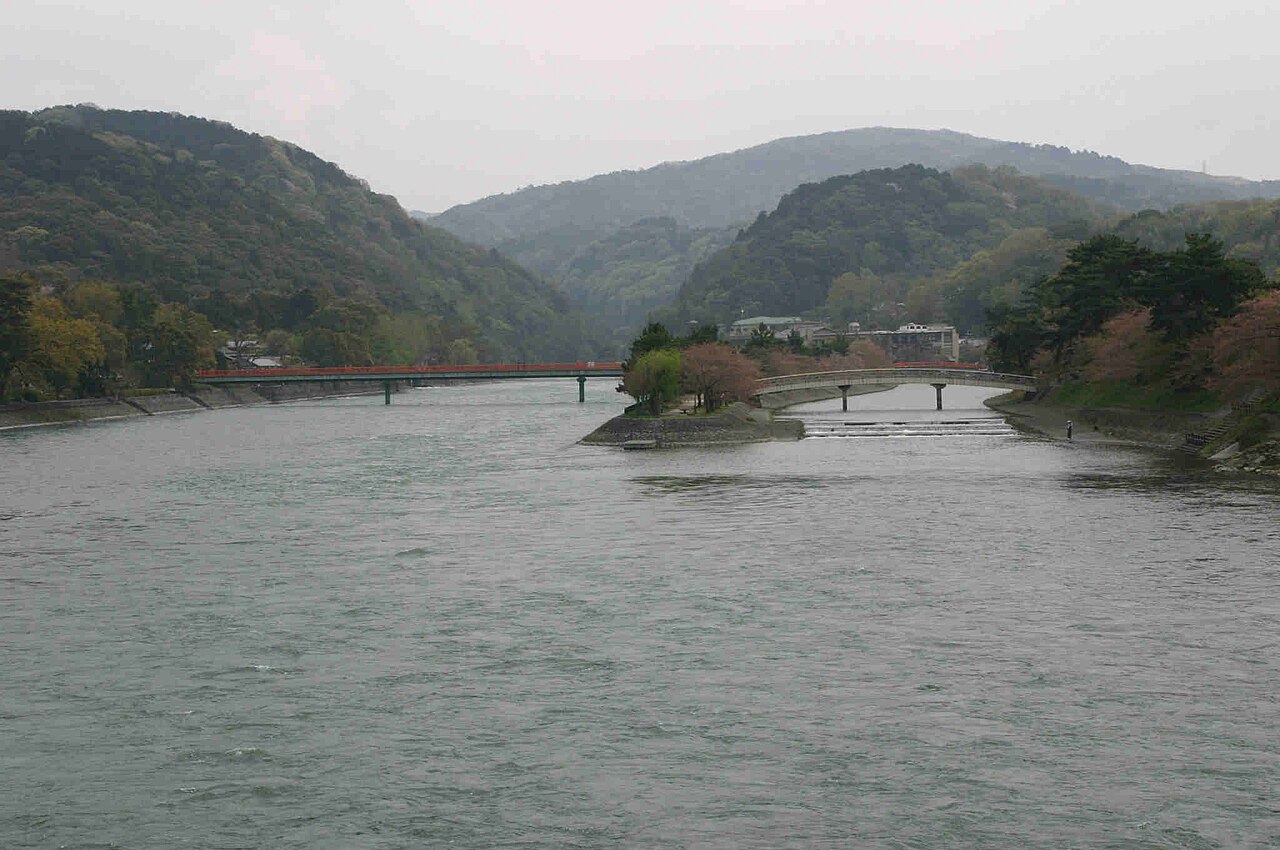
宇治川の戦い
- Yüksek
- Tarihi anıt
Dil · 11 yayınlandı
İbadet yeri · Kyoto
萬福寺
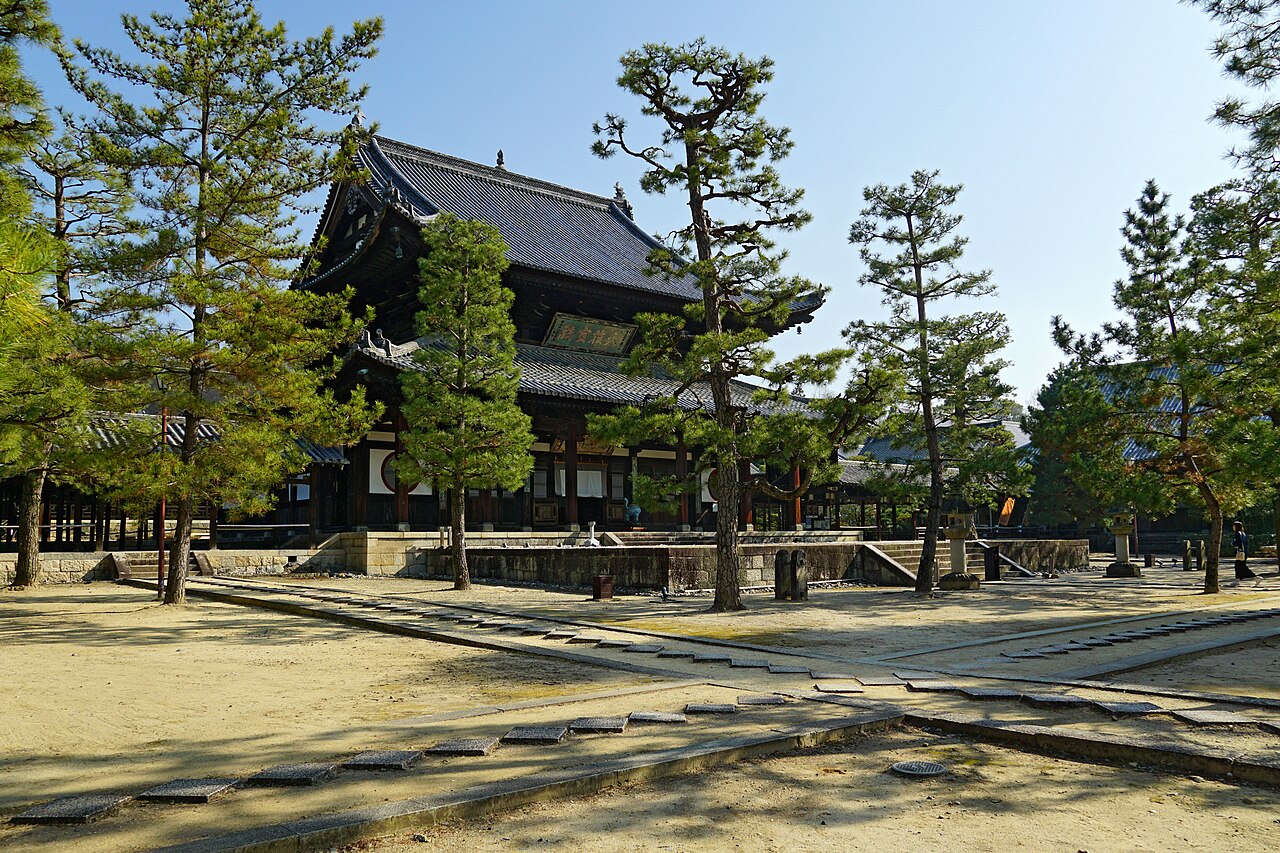
Manpuku-ji Temple, known locally as 萬福寺, is a Zen Buddhist temple located in Kyoto, Japan. It serves as the head temple of the Obaku school of Zen Buddhism, which has Chinese origins. The temple was established to preserve distinct Chinese Zen practices and architectural styles within Japanese Buddhism. Its historical significance lies in representing a unique branch of Zen that maintains connections to Chinese Buddhist traditions. The temple complex reflects this cultural heritage through its design and ongoing religious functions. Visitors encounter an institution that has sustained its identity across centuries while operating as an active place of worship and spiritual training.
2026-08-28 kontrol edildi
The temple grounds contain structures reflecting Chinese architectural influence characteristic of the Obaku school. Buildings within the complex follow design principles distinct from typical Japanese Zen temples, incorporating elements that demonstrate the Chinese origins of this Buddhist tradition. The layout and construction methods preserve historical approaches to temple architecture. Religious artifacts and furnishings support ongoing Buddhist practice. The main halls serve ceremonial and meditation purposes for the monastic community. Gardens and grounds surrounding the buildings contribute to the contemplative atmosphere appropriate to Zen practice. Specific interior contents and their historical provenance are not recorded in available sources.
2026-08-28 kontrol edildi
Visitors should allocate time proportionate to their interest in Zen Buddhist architecture and the specific Obaku school heritage. A thorough exploration of the temple grounds, including observation of building exteriors and peaceful garden areas, typically requires between forty-five minutes and ninety minutes. Those with particular interest in Chinese-influenced Japanese religious architecture may wish to extend their visit. The contemplative nature of the site encourages unhurried appreciation rather than rapid transit. Visitors seeking to observe or participate in religious activities should verify timing in advance. Personal pace and seasonal conditions will influence appropriate duration.
2026-08-28 kontrol edildi
Visitors should independently verify current opening schedules before planning their trip, as temple access times may vary seasonally or according to religious observances. Weather considerations for Kyoto suggest spring and autumn offer generally comfortable conditions for outdoor exploration of temple grounds. Summer brings heat and humidity that may affect visitor comfort during extended walking. Winter visits require preparation for cold temperatures. Morning hours typically provide calmer atmospheres at religious sites. Special ceremonies or events may restrict normal visitor access without advance notification. Check the operator's own site for the travel date before relying on a schedule or fare.
2026-08-28 kontrol edildi
Visitors should prepare for possible admission fees consistent with comparable Kyoto temples, though specific amounts require direct verification. Cash remains the standard payment method at many Japanese religious institutions. Some temple complexes charge separate fees for individual buildings or garden areas. Annual passes or combination tickets with nearby attractions are not confirmed for this site. Visitors should carry sufficient yen and confirm current pricing through official channels before arrival. Donations for maintenance and religious activities may be separately solicited within the grounds. Check the operator's own site for the travel date before relying on a schedule or fare.
2026-08-28 kontrol edildi
Manpuku-ji Temple occupies a location within Kyoto accessible through the city's public transportation network. Visitors typically utilize bus or train services connecting to the broader Kyoto transit infrastructure. The temple's specific position relative to major stations or landmarks requires consultation of current maps and transit applications for precise routing. Walking from nearby transit stops may involve moderate distances through residential or historical neighborhoods. Bicycle rental represents an alternative transportation method common in Kyoto. Parking availability for private vehicles is not recorded. Visitors should allow additional time for navigation in unfamiliar areas.
2026-08-28 kontrol edildi
Visitors must observe appropriate conduct at this active religious institution. Photography restrictions may apply within certain buildings or during ceremonies; posted guidelines and implicit respect for worshippers should guide behavior. Footwear removal is typically required when entering temple structures. Quiet demeanor preserves the contemplative atmosphere essential to Zen practice. The grounds may present uneven walking surfaces, steps, or gravel areas requiring careful footing. Seasonal weather conditions including rain, snow, or intense sun affect outdoor comfort and safety. Limited English signage may challenge some international visitors. Food and drink consumption within sacred areas is generally inappropriate.
2026-08-28 kontrol edildi
Photography policies at Manpuku-ji Temple are not explicitly documented in available sources. Visitors should assume restrictions apply within interior spaces and during active religious ceremonies. Exterior photography of buildings and gardens is typically permitted at Japanese temples, though tripods and commercial equipment may require special permission. Flash photography is generally prohibited near delicate artworks or during worship. Respect for monks, nuns, and practicing visitors takes precedence over photographic opportunities. Drone use is almost certainly prohibited. Visitors uncertain about specific boundaries should observe posted signs or inquire discreetly. Morning and late afternoon light may offer favorable conditions for exterior architectural photography.
2026-08-28 kontrol edildi
Yes, Manpuku-ji functions as the head temple of the Obaku school of Zen Buddhism and maintains active religious operations including monastic training and ceremonies.
Yes, as an Obaku temple, Manpuku-ji preserves Chinese-influenced Zen architectural and design elements distinct from typical Japanese Zen temples.
Availability of English signage or guides is not recorded in available sources; visitors should prepare accordingly.
Public meditation opportunities are not recorded in available sources; direct inquiry with the temple would be necessary.
Specific accessibility features are not recorded; traditional temple grounds often present challenges including steps and uneven surfaces.
On-site dining facilities are not recorded in available sources; visitors should plan accordingly.
Etkileşimli harita yükleniyor…
Etkileşimli harita yüklenemedi.
Son güncelleme:
Kaynak: OpenStreetMap katkıda bulunanları, Wikidata ·