

11 dk yürüyüş
Kyoto İmparatorluk Sarayı
- Mutlaka görülmeli
- Tarihi anıt
Dil · 11 yayınlandı
İbadet yeri · Kyoto
相国寺

Shōkoku-ji Temple, known locally as 相国寺, is a Rinzai Zen Buddhist temple in Kyoto, Japan. Founded in 1382 by the shogun Ashikaga Yoshimitsu, it belongs to the Five Great Zen Temples of Kyoto system. The temple has endured multiple destructions and reconstructions throughout its history. It serves as the head temple of the Shōkoku-ji branch of Rinzai Zen. The complex holds significant cultural and historical importance in Japanese Buddhist tradition and remains an active religious site. Shōkoku-ji Temple also earns time in a kyoto itinerary because its setting and role differ from the surrounding ranked stops. Compare the place with the nearby streets before deciding how it fits the day.
2026-08-28 kontrol edildi
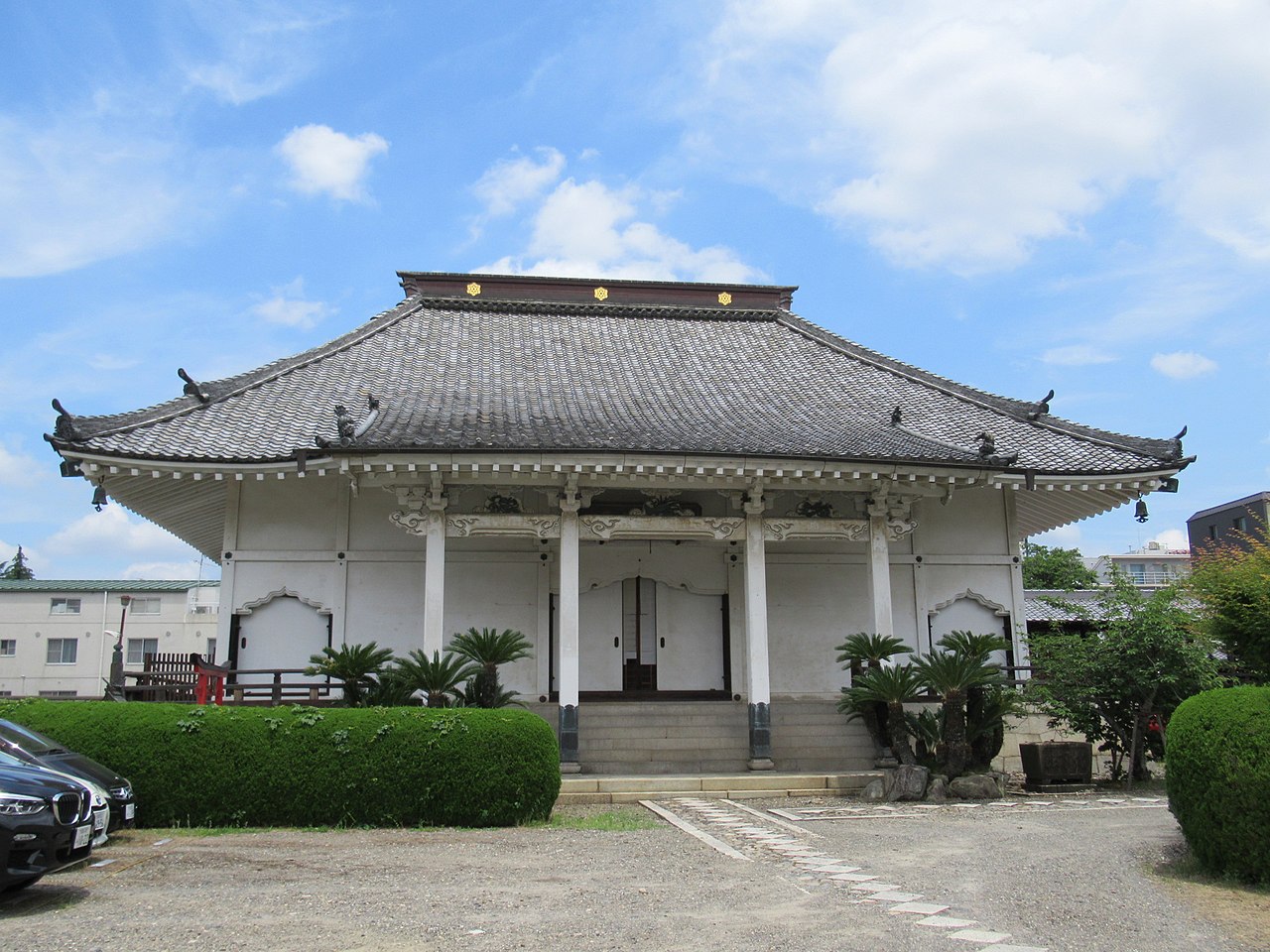
The temple grounds contain several structures of note. The main hall, or hattō, dates to 1605 and is designated an Important Cultural Property. The Shariden, a reliquary hall, and the Kaisando, founder's hall, are also present. The complex includes subtemples and traditional Zen garden spaces. The Sanmon gate stands as a significant entrance feature. Not recorded pending review whether all buildings permit interior access. Visitors should observe posted restrictions and respect active worship areas. The temple maintains collections of religious art and artifacts accumulated across centuries of institutional history.
2026-08-28 kontrol edildi
Not recorded pending review. Visitors should allocate time based on personal interest in Zen Buddhist architecture and temple grounds exploration. A thorough exterior circuit of the main compound may require moderate duration. Those seeking contemplative experience in garden areas may wish to extend their stay. Subtemple visits, if accessible, would add additional time requirements. Seasonal conditions in Kyoto, including summer humidity and winter temperatures, may affect comfortable visiting duration. Visitors are advised to plan flexibly and adjust according to observed conditions on arrival and personal pacing preferences.
2026-08-28 kontrol edildi
The temple functions as an active religious institution with ongoing monastic practice. Visitors should verify current accessibility before travel, as religious observances may restrict public access to certain areas or structures. Kyoto experiences distinct seasonal variations: cherry blossom season brings heavy tourism, summer is hot and humid, autumn offers foliage viewing, and winter presents cold conditions. Early morning visits may offer quieter atmosphere conducive to appreciating Zen temple ambiance, though confirmation of opening times is essential before planning such visits. Check the operator's own site for the travel date before relying on a schedule or fare.
2026-08-28 kontrol edildi
Individual building or garden entry fees, if applicable, are not specified in available sources. Some temple complexes in Kyoto implement separate charges for special exhibitions or subtemple access. Visitors should prepare for possible cash payment requirements, as many traditional institutions in Japan do not accept card transactions. Budget-conscious travelers should research current fee structures before arrival. Donation boxes for temple maintenance may be present. No advance booking requirements are documented in available source materials. Check the operator's own site for the travel date before relying on a schedule or fare.
2026-08-28 kontrol edildi
Shōkoku-ji Temple occupies a position in northern Kyoto accessible via public transportation networks. The nearest rail stations and specific bus routes are Not recorded pending review. Kyoto Municipal Bus and Kyoto City Bus services connect major tourist destinations throughout the city. Taxis represent an alternative transport mode. Cycling is feasible given Kyoto's relatively flat terrain in many areas, though bicycle parking near temple entrances may be restricted. Walking from nearby accommodations in the central or northern districts may be practical depending on individual fitness and time constraints.
2026-08-28 kontrol edildi
Active religious practice occurs at this functioning monastery; visitors must maintain respectful demeanor and observe all posted prohibitions. Photography restrictions likely apply within certain buildings or during ceremonies. Footwear removal may be required for interior access. The temple grounds contain gravel and uneven surfaces; appropriate footwear is advisable. Kyoto's summer heat and humidity pose health risks; hydration and sun protection are essential. Winter conditions may create slippery surfaces. Visitors should not disturb monks, worshippers, or meditation activities. Silence is typically expected in contemplative spaces and near worship areas.
2026-08-28 kontrol edildi
Photography policies at Shōkoku-ji Temple are Not recorded pending review. Standard practice at Japanese Zen temples typically prohibits interior photography and may restrict tripod or flash use. Exterior photography of buildings and gardens is generally permitted for personal use, though commercial or publication use requires separate permission. Visitors should observe all posted signage and comply with staff instructions immediately. Drone operation would likely be prohibited given proximity to other structures and privacy considerations. Respect for religious practitioners and avoidance of disruptive behavior should guide all photographic activity regardless of explicit rules.
2026-08-28 kontrol edildi
Not recorded pending review. As an active religious institution, access may vary based on religious observances and operational decisions.
Visitors should verify current fees before arrival and carry cash. Check the operator's own site for the travel date before relying on a schedule or fare.
Founded in 1382 by Ashikaga Yoshimitsu, it is one of Kyoto's Five Great Zen Temples and head temple of its Rinzai Zen branch.
Interior photography policies are Not recorded pending review. Visitors should assume restrictions and observe all posted signage.
Specific routes and stations are Not recorded pending review. Kyoto's bus network generally serves major temple areas.
Maintain silence near worship areas, remove shoes where indicated, and avoid disturbing active religious practice or practitioners.
Etkileşimli harita yükleniyor…
Etkileşimli harita yüklenemedi.

Son güncelleme:
Kaynak: OpenStreetMap katkıda bulunanları, Wikidata ·