


4 dk yürüyüş
Kyoto İmparatorluk Sarayı
- Mutlaka görülmeli
- Tarihi anıt
Dil · 11 yayınlandı
Doğal alan · Kyoto
京都御苑

| Pazartesi | 08:45 – 17:00 |
|---|---|
| Salı | 08:45 – 17:00 |
| Çarşamba | 08:45 – 17:00 |
| Perşembe | 08:45 – 17:00 |
| Cuma | 08:45 – 17:00 |
| Cumartesi | 08:45 – 17:00 |
| Pazar | 08:45 – 17:00 |
Ziyarete kapalı: 12:00 – 13:00
OpenStreetMap açılış saatlerinden 2026-08-26 tarihinde ayrıştırıldı.
Kyoto Gyoen National Garden is the broad public landscape surrounding Kyoto Imperial Palace in central Kyoto. The Ministry of the Environment describes a rectangle about 1.3 kilometres north to south and 0.7 kilometres east to west. During the Edo period this was a residential district for more than a hundred court-noble households clustered around the imperial residence. After the capital moved to Tokyo, many residences were removed, trees were planted and the area was remade as a public park. It became a national garden after the Second World War. Kyoto Gyoen is therefore distinct from the separately managed palace compounds inside it: the garden is the connective historic landscape, not another name for Kyoto Imperial Palace.
2026-08-28 kontrol edildi · Kaynak
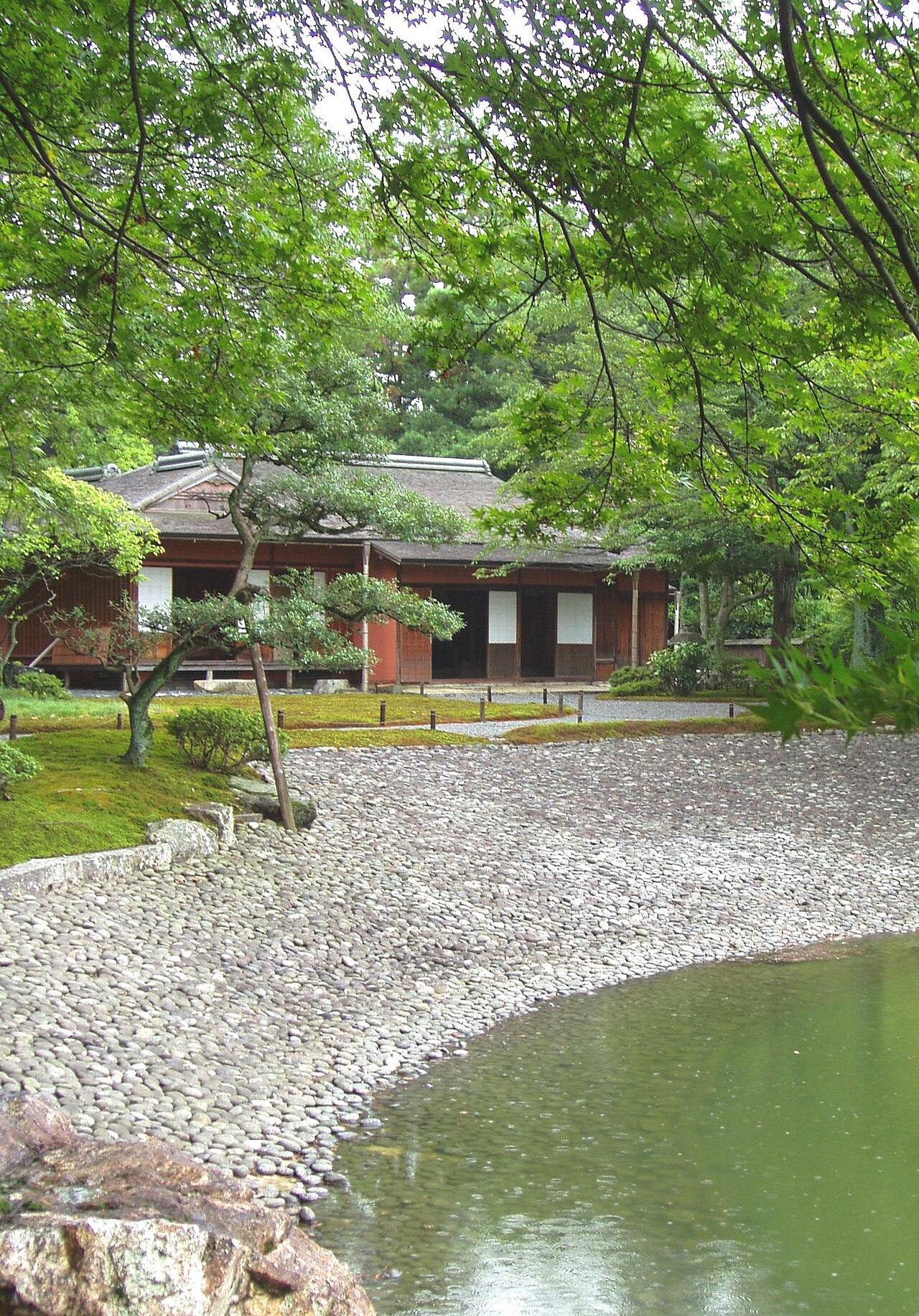
The garden combines long gravel avenues, mature woodland, lawns, former aristocratic residence sites and several separately managed imperial or state compounds. Kyoto Imperial Palace occupies the central northern area, while Kyoto Sento Imperial Palace and the Kyoto State Guest House have their own visiting arrangements. Within the national garden itself, the former Kan-in-no-miya residence includes a storage and exhibition facility, and Shusui-tei preserves a court-noble tea house and garden. Rest areas, information points, accessible toilets and paths appear across the official map. The scale matters: this is a district-sized landscape with multiple gates and destinations, so choose a route before entering instead of treating every labelled compound as one continuous attraction.
2026-08-28 kontrol edildi · Kaynak
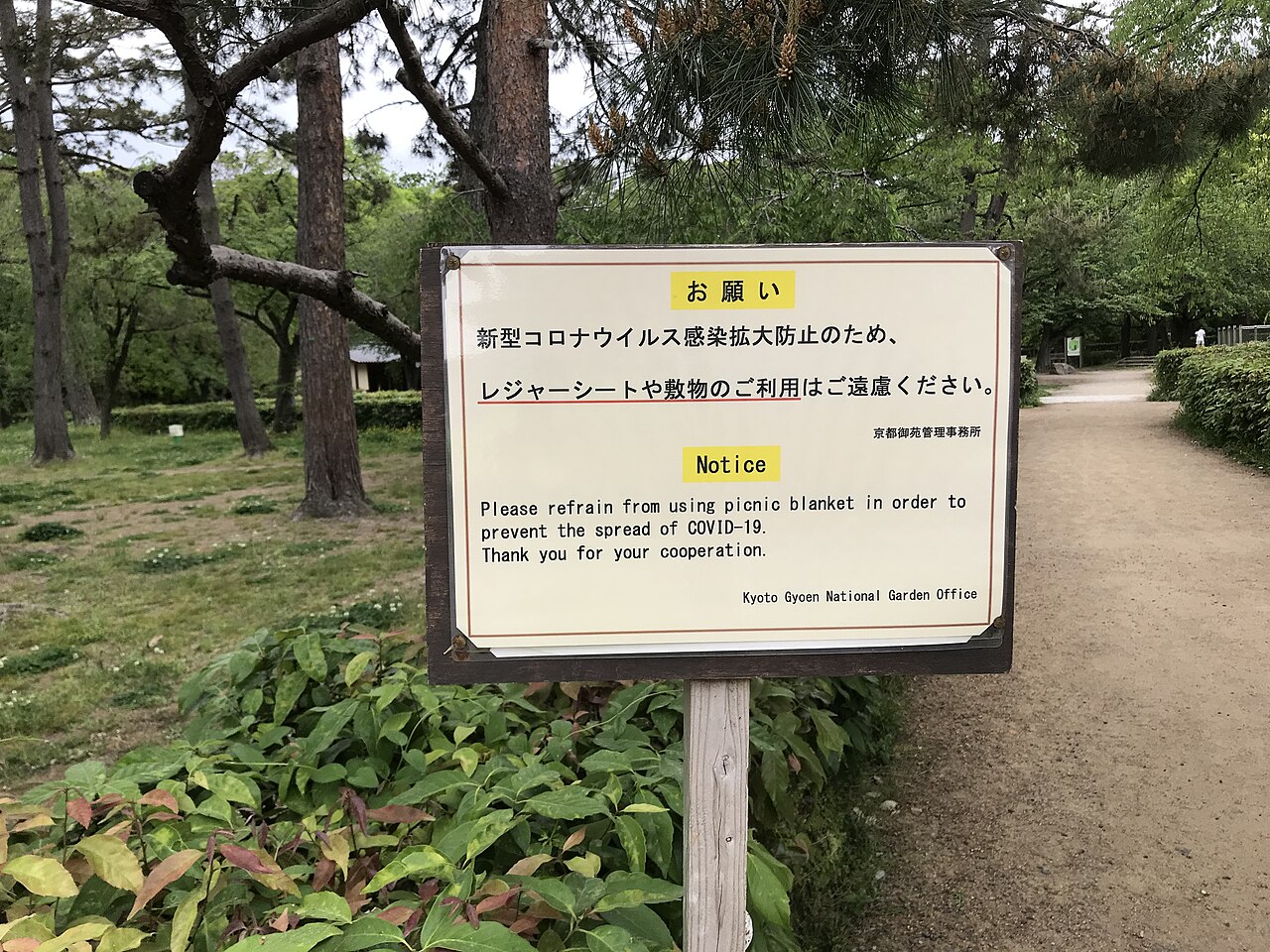
Kyoto Gyoen has no single official visit duration. A direct crossing and a visit that explores woodland, historic remains and a separately managed palace are fundamentally different plans. The garden's official dimensions explain why an unplanned circuit can become much longer than expected, especially on gravel avenues. Decide first whether the goal is a quiet walk, the former Kan-in residence, Shusui-tei or an imperial-palace visit, then enter through the gate nearest that objective. The site can support anything from a purposeful passage to a substantial part of a day, but the operator does not publish one standard duration and this guide does not invent one.
2026-08-28 kontrol edildi · Kaynak
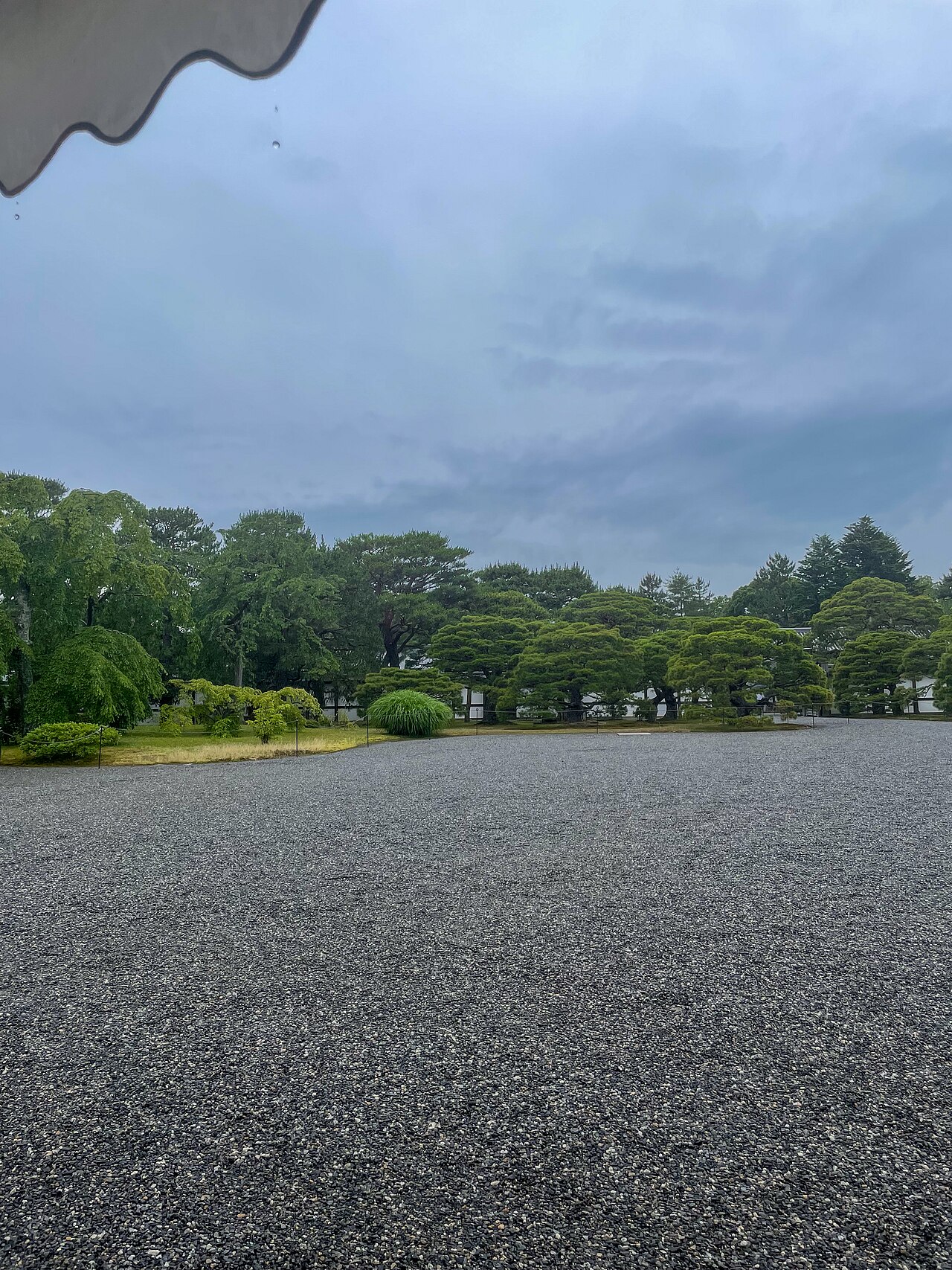
Kyoto Gyoen itself is open to everyone at any time, but daylight is the practical choice for reading maps, seeing historic sites and walking the wooded paths. Facilities inside the garden keep their own schedules, so an always-open gate does not mean Shusui-tei, the former Kan-in residence, Kyoto Imperial Palace or the State Guest House is open. The Ministry highlights the garden's trees, wildlife and seasonal landscape, while current notices announce temporary works and nature events. Check those notices before a visit built around one bloom, festival route or facility; seasonal appearance and event access should never be assumed from an old photograph.
2026-08-28 kontrol edildi · Kaynak
Admission to Kyoto Gyoen National Garden is free. The official visitor information lists the former Kan-in-no-miya residence exhibition as free, while Shusui-tei normally charges 300 yen per person and opens on stated days and hours. Those are facility arrangements, not an entrance charge for the national garden. Kyoto Imperial Palace, Kyoto Sento Imperial Palace and Kyoto State Guest House are administered separately and their reservation or admission rules must be checked with the responsible agency. A visitor can therefore enter and cross Kyoto Gyoen without a ticket while still needing separate planning for a named building inside the grounds.
2026-08-28 kontrol edildi · Kaynak
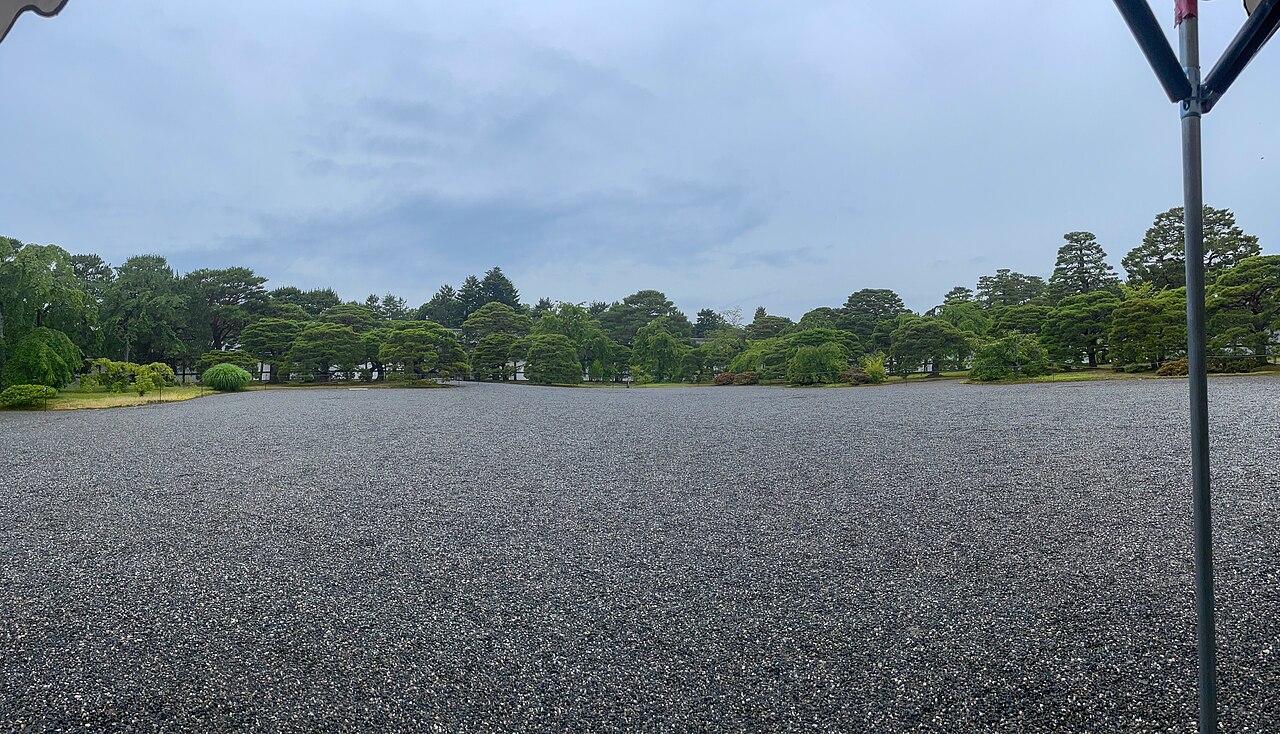
For the southern garden and facilities such as the former Kan-in residence and Shusui-tei, the Ministry directs visitors from Kyoto Station to the Karasuma subway line, then to Marutamachi Station, followed by an approximately five-minute walk. Imadegawa Station is more convenient for the northern side and the Imperial Household Agency visitor reception. Keihan's Jingu-Marutamachi Station is another approach from the east, with the official page describing an approximately fifteen-minute walk. Select the station by the gate and compound you actually need. Entering at the wrong end of this 1.3-kilometre garden can add a long gravel walk before the main visit begins.
2026-08-28 kontrol edildi · Kaynak
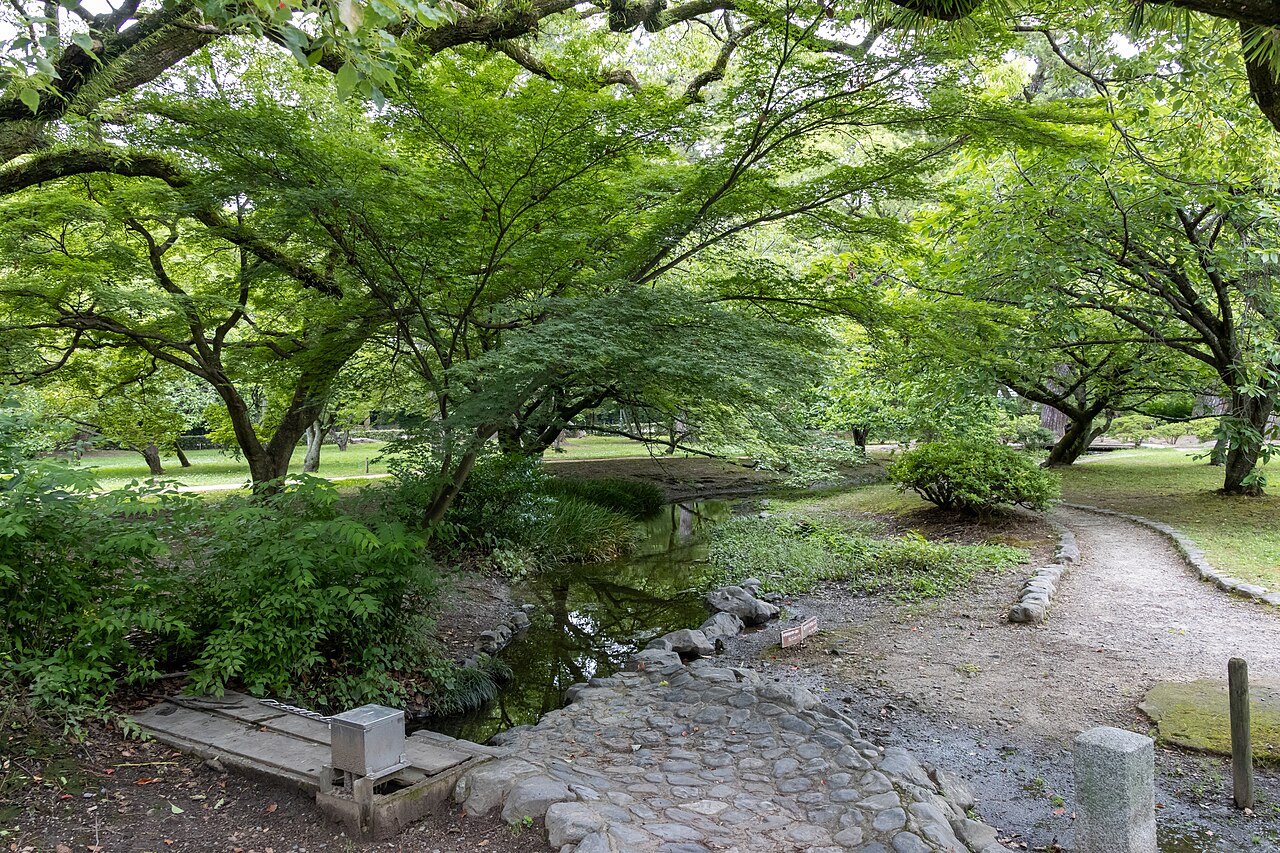
Do not confuse unrestricted garden access with unrestricted access to every compound. Palace and guest-house areas have separate management, schedules and security procedures. The Ministry prohibits flying drones or radio-controlled helicopters, feeding animals, picking plants, damaging trees and riding bicycles onto lawns. Dogs must remain on leads, general vehicles cannot use the garden as a through-route, and motorcycles must be pushed with engines off. The grounds are large and many surfaces are gravel, so consult the official accessibility map if wheels or limited mobility affect the route. Temporary construction can alter a barrier-free path, and current notices take precedence over a saved map.
2026-08-28 kontrol edildi · Kaynak
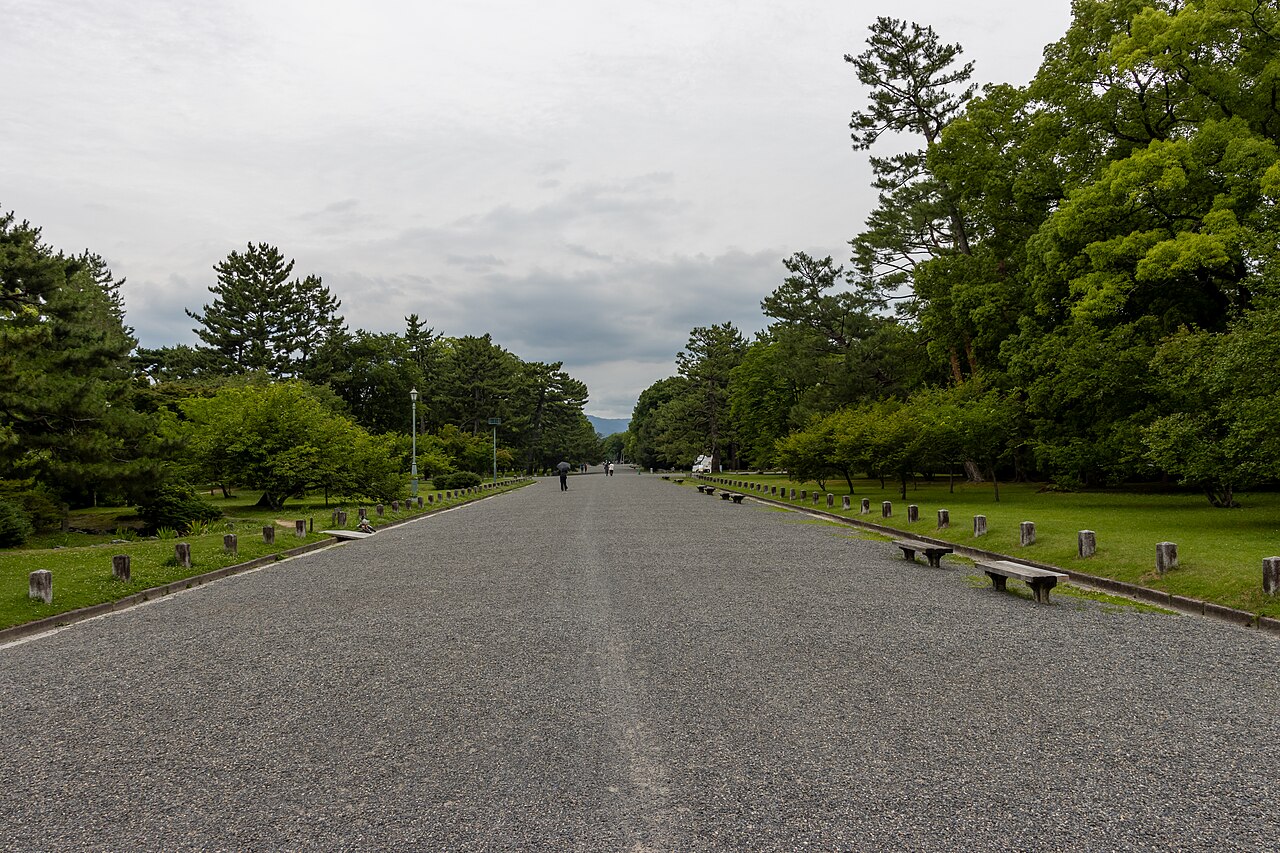
Personal commemorative photography in Kyoto Gyoen is permitted, but commercial photography requires an application submitted in advance and permission from the garden office. The official FAQ sets a separate contact route for photographing Kyoto Imperial Palace, including its exterior walls, because the palace is managed by the Imperial Household Agency. For ordinary visitors, the strongest wide views come from the long avenues, gate approaches and contrasts between old walls and mature trees. Keep tripods and posed groups out of circulation routes, do not enter planted areas for a composition, and remember that permission to photograph the public garden does not automatically cover a separately administered compound.
2026-08-28 kontrol edildi · Kaynak
No. Kyoto Gyoen is the national garden surrounding Kyoto Imperial Palace and other separately managed compounds. The garden and palace have different access arrangements.
Yes. The Ministry of the Environment states that admission to Kyoto Gyoen is free. Individual facilities inside the grounds may have separate fees or visiting rules.
The national garden is open to everyone at any time. Buildings and imperial compounds within it keep separate schedules, so check the facility you intend to enter.
Marutamachi Station is convenient for the southern grounds and the former Kan-in residence; Imadegawa Station is more convenient for the northern side and Imperial Palace reception.
Personal commemorative photography is allowed. Commercial photography requires advance permission, and photography involving Kyoto Imperial Palace must be checked separately with the Imperial Household Agency.
Bicycles must stay off lawn areas, and the operation or flight of drones and radio-controlled helicopters is prohibited. Follow posted instructions and staff directions.
Etkileşimli harita yükleniyor…
Etkileşimli harita yüklenemedi.
Son güncelleme:
Kaynak: OpenStreetMap katkıda bulunanları, Wikidata ·