.jpg)

.jpg)
9 dk yürüyüş
鞍馬寺
- Yüksek
- İbadet yeri
Dil · 11 yayınlandı
Manzara noktası · Kyoto
鞍馬山

Mount Kurama is a forested mountain in northern Kyoto Prefecture, Japan, known for its association with the Tengu, mythical long-nosed goblins of Japanese folklore. The mountain holds religious significance as the site of Kurama-dera Temple, a historic Buddhist temple founded in the eighth century. The area blends natural scenery with spiritual heritage, attracting visitors seeking both hiking opportunities and cultural experience. The mountain's reputation extends into popular culture through its connections to Japanese mythology and as a claimed birthplace of Reiki healing practice in the early twentieth century.
2026-08-28 kontrol edildi
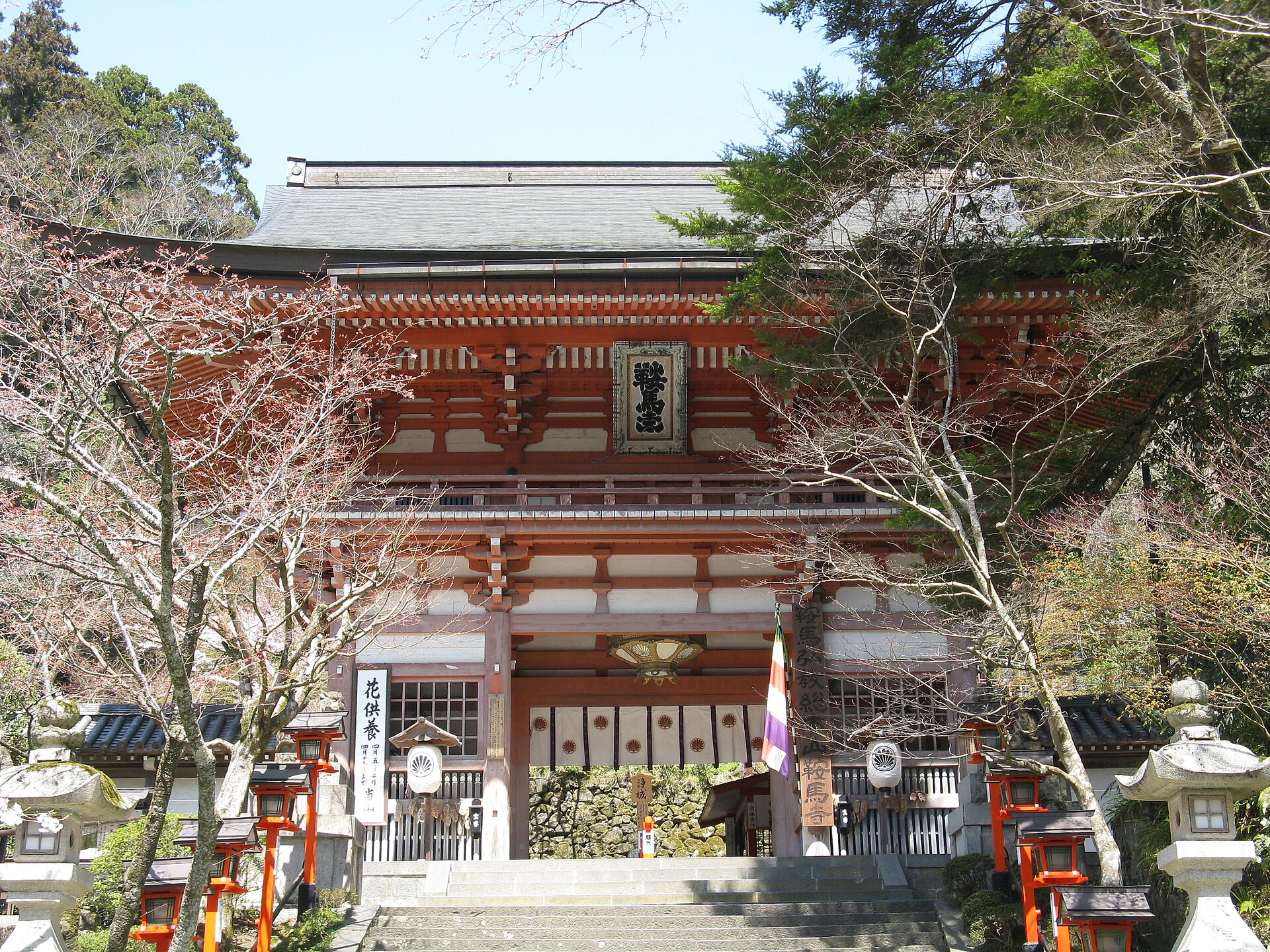
The mountain contains Kurama-dera Temple, accessible by cable car or hiking trail. The temple complex includes multiple structures and religious statuary distributed across the mountainside. The surrounding forest features cedar trees and natural rock formations. Tengu-related imagery and references appear throughout the site. The main approach path passes through a traditional temple gate. Not recorded pending review whether all subsidiary shrines and interior spaces maintain consistent accessibility. Visitors should verify current conditions independently before travel, as religious sites may restrict entry to certain buildings or conduct maintenance without advance public notification.
2026-08-28 kontrol edildi
A complete visit to Mount Kurama typically requires half a day, though duration varies substantially by individual pace and chosen activities. The hiking approach from Kurama Station to the temple summit takes approximately one to two hours depending on fitness level and photography stops. Descending via the connecting trail to Kibune adds comparable time. Visitors using the cable car reduce ascent time significantly. Those engaging in extended meditation, detailed temple examination, or combined Kibune shrine visits should allocate a full day. Weather conditions and seasonal trail state affect practical timing.
2026-08-28 kontrol edildi

Operator-confirmed hours are Not recorded pending review. The mountain is accessible year-round, though hiking conditions vary seasonally. Spring brings cherry blossoms and moderate temperatures. Summer offers dense green foliage but higher humidity and potential afternoon rainfall. Autumn presents fall colors attracting increased visitor numbers. Winter may bring snow at elevation, potentially affecting trail safety and cable car operation. Visitors should consult current weather forecasts and verify temple operational status before departure. Dawn and dusk periods offer reduced crowds but require attention to daylight hours for safe trail navigation.
2026-08-28 kontrol edildi
Operator-confirmed prices are Not recorded pending review. Kurama-dera Temple traditionally charges admission fees for temple grounds access, with additional charges for cable car utilization. Exact amounts require verification at point of purchase or through official temple communications. Cash payment remains standard at many Japanese religious institutions. Combination tickets or regional passes may exist but are not confirmed. Visitors should carry sufficient yen currency as card acceptance is unreliable at mountain facilities. No advance reservation system is documented; however, peak autumn season may warrant arrival timing consideration due to congestion.
2026-08-28 kontrol edildi
Mount Kurama is reached via the Eizan Electric Railway Kurama Line from Demachiyanagi Station in Kyoto. The terminus at Kurama Station places visitors at the mountain base. From the station, visitors choose between the hiking trail or the cable car to approach the temple. The railway journey from central Kyoto requires approximately thirty minutes. Last train times constrain return scheduling for visitors without alternative transportation. Road access exists but public parking availability is constrained. Visitors relying on private vehicles should investigate current parking provisions independently, as on-site capacity appears limited.
2026-08-28 kontrol edildi

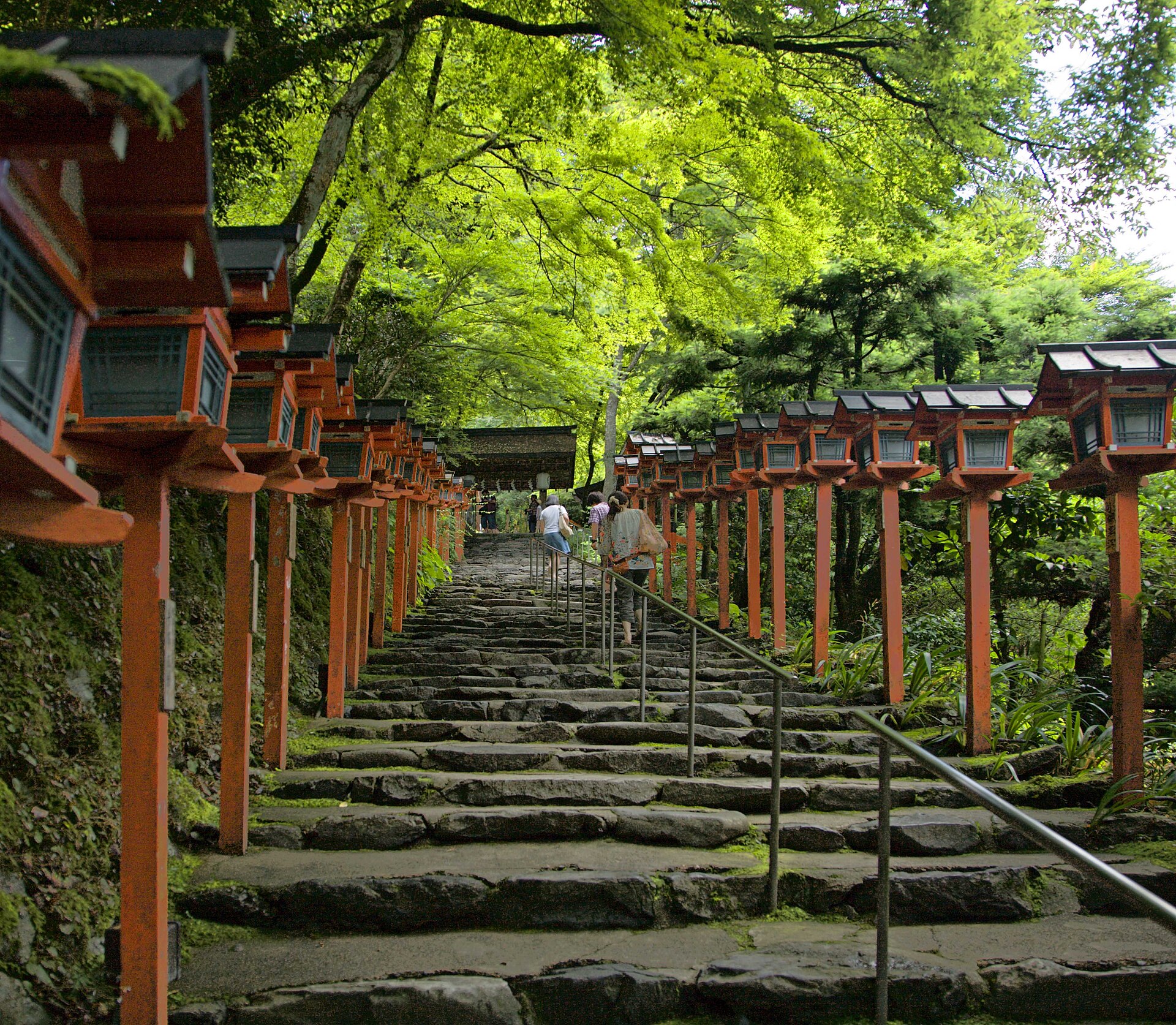
Mountain hiking trails present uneven surfaces, exposed tree roots, and elevation change requiring appropriate footwear. Weather shifts occur without warning in forested mountains. Wildlife encounters, including insects and potentially snakes, warrant awareness. Cable car operation may suspend during adverse conditions. The connecting trail to Kibune involves additional distance and descent; return timing must account for transportation schedules. Religious site behavior norms apply: loud conversation and inappropriate dress may cause offense. Some paths lack guardrails or artificial lighting. Mobile telephone signal coverage may be inconsistent in valleys and dense forest sections, affecting emergency communication capability.
2026-08-28 kontrol edildi
The mountain forest and temple structures offer varied photographic subjects including architecture, natural scenery, and seasonal vegetation. Morning and late afternoon provide favorable natural lighting conditions. Interior temple buildings typically prohibit photography; exterior shots generally permitted. Tripod use may attract restriction in crowded areas. The iconic temple gate and distant mountain views represent established compositions. Fog and atmospheric conditions common to mountainous terrain create variable results. Visitors should respect worshippers and avoid intrusive camera positioning during active religious observance. Drone operation requires verification against local regulations and temple policy, likely prohibited without explicit authorization.
2026-08-28 kontrol edildi
The main trail presents moderate difficulty with uneven surfaces and elevation gain. Beginners with basic fitness and proper footwear generally manage the ascent, though pace should be conservative. The cable car offers alternative access for those preferring reduced physical demand.
The connecting trail allows combined visitation. Total duration extends substantially beyond single-site visits. Transportation scheduling, particularly last train times, requires careful planning. Many visitors prioritize one location to allow unhurried exploration.
Limited food service exists near temple areas and at mountain base. Options appear seasonal and potentially limited in scope. Visitors should carry water and consider portable provisions, particularly for extended hiking or combined itineraries.
Tengu associations represent genuine religious and cultural tradition rather than staged performance. Interpretive materials may be minimal. Visitors seeking deeper understanding should conduct preliminary research, as on-site English explanation is not confirmed.
No reservation system is documented for general temple or trail access. Special events or group arrangements may involve different protocols. Individual travelers typically arrive without advance booking, though peak season timing affects crowd experience.
The cable car reduces but does not eliminate walking requirements. Temple grounds contain stairs and uneven paths. Full accessibility for wheelchair users or those with significant mobility restrictions appears limited based on mountainous terrain. Direct inquiry recommended.
Etkileşimli harita yükleniyor…
Etkileşimli harita yüklenemedi.

Son güncelleme:
Kaynak: OpenStreetMap katkıda bulunanları, Wikidata ·