
3 dk yürüyüş
宇治川の戦い
- Yüksek
- Tarihi anıt
Dil · 11 yayınlandı
Tarihi anıt · Kyoto
以仁王の挙兵
The Battle of Uji, known locally as 以仁王の挙兵, is a historical site in Kyoto associated with the 1180 uprising led by Prince Mochihito against the Taira clan. This early conflict of the Genpei War marked a significant moment in Japanese medieval history. The site commemorates military action that occurred near the Uji River. Visitors encounter a place where imperial forces clashed with established warrior government power, representing the turbulent transition from aristocratic to samurai-dominated Japan that would reshape the nation's political structure for centuries.
2026-08-28 kontrol edildi
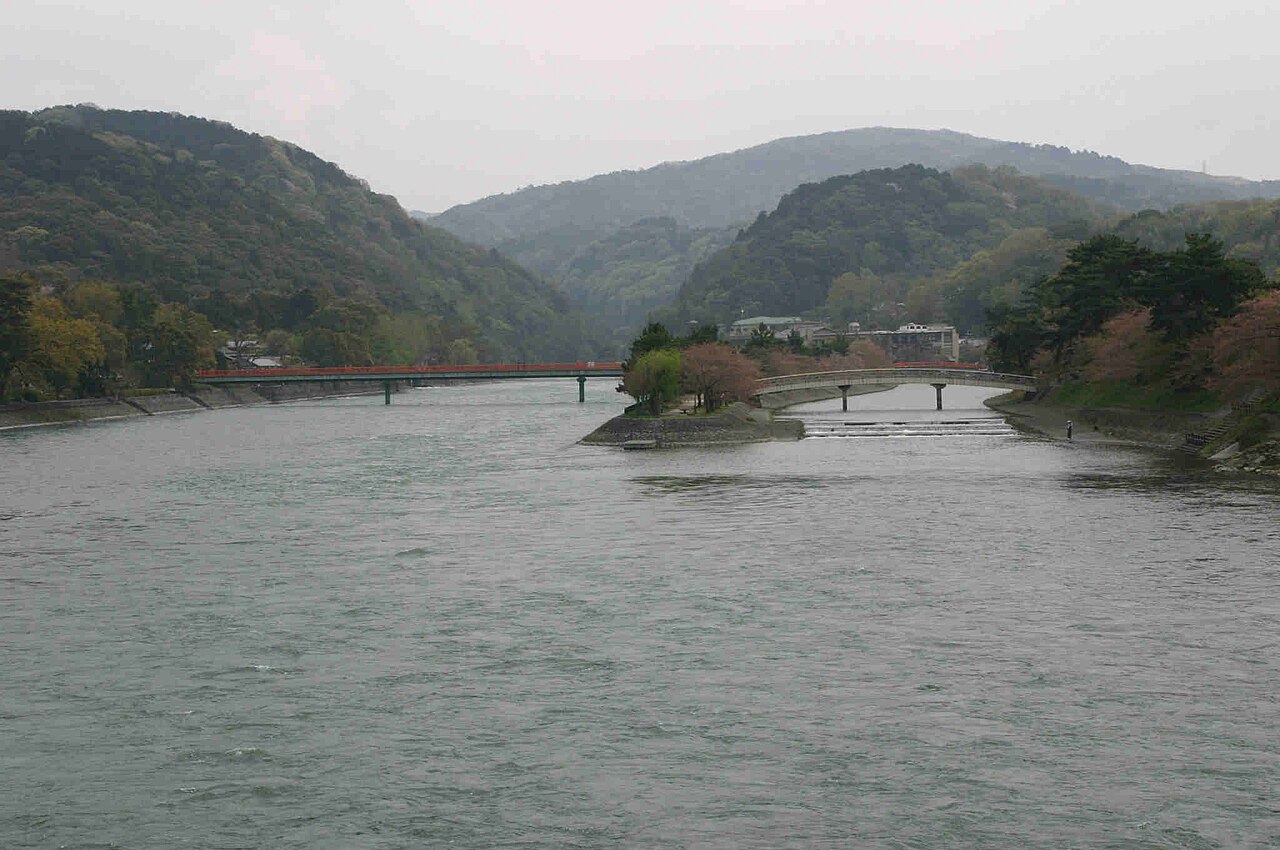
The specific physical remains and memorial structures at this location are Not recorded in available sources. Visitors should expect a historically designated site rather than a developed museum complex. The OpenStreetMap node indicates a point of historical interest without detailed facility descriptions. Travelers may find interpretive markers, commemorative stones, or minimal infrastructure typical of Japanese battlefield heritage sites. The surrounding Uji area offers additional cultural attractions including temples and the famous bridge, which may provide contextual understanding of the strategic geography that shaped this 12th-century military engagement.
2026-08-28 kontrol edildi
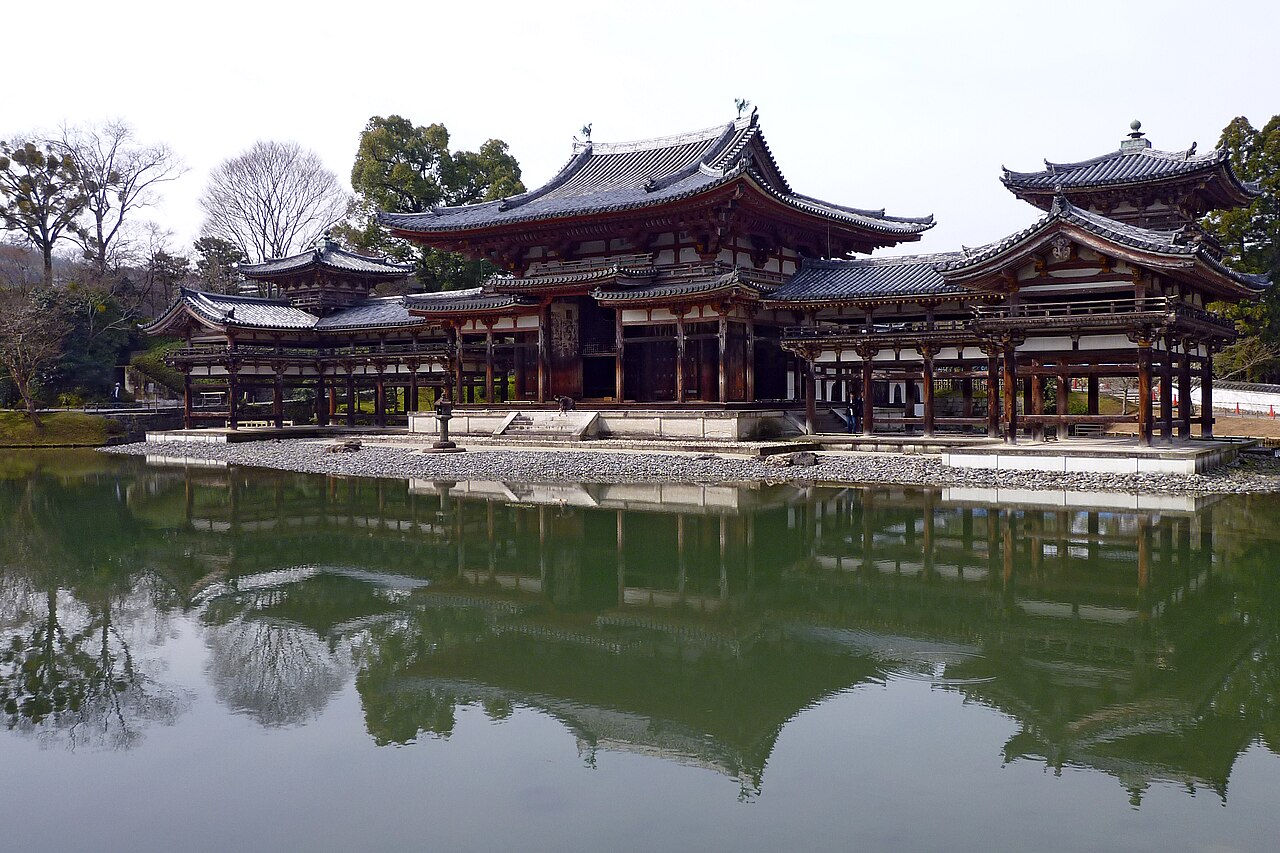
Duration of visit depends entirely on individual interest in historical contemplation and site interpretation. Without recorded visitor facilities, exhibitions, or structured programs, most travelers would likely spend between fifteen minutes to one hour. Those deeply engaged with Genpei War history or conducting research may allocate additional time. The site likely rewards combination with broader Uji area exploration, including nearby Byodo-in Temple and Uji River walks. Visitors should plan flexibly, as unrecorded on-site amenities mean no formal tours or audio guides are confirmed available to extend or structure the experience.
2026-08-28 kontrol edildi
Operator-confirmed hours are Not recorded pending review. No opening times, seasonal schedules, or accessibility restrictions appear in Wikidata or OpenStreetMap sources. As an outdoor historical site, daylight hours would logically permit visitation, though this remains unverified. Weather considerations for Kyoto apply: spring and autumn offer comfortable temperatures, summer brings heat and humidity, winter can be cold. The site's rank of 71 of 100 suggests moderate visitor interest, potentially meaning less crowding than major attractions. Travelers should verify current access conditions through local tourism authorities before planning specific timing.
2026-08-28 kontrol edildi
Operator-confirmed prices are Not recorded pending review. No admission fees, donation requirements, or payment structures are documented in available sources. Many Japanese historical sites operate without entrance charges, particularly outdoor battlefield locations without enclosed facilities, though this pattern cannot confirm this specific case. Visitors should carry modest cash as precaution for potential donation boxes or unexpected fees. The rank positioning suggests this is not a premium-tier attraction with significant ticketing infrastructure. Verification with Kyoto City tourism offices or on-site signage upon arrival remains advisable for current financial requirements.
2026-08-28 kontrol edildi
The site is located in Uji, Kyoto Prefecture. Uji is accessible via JR Nara Line from Kyoto Station or Keihan Uji Line from central Kyoto. From Uji Station, walking or local bus connections would typically reach historical sites, though precise directions to this specific node are unrecorded. The OpenStreetMap identifier provides geographic reference for navigation applications. Visitors familiar with Japanese rural site access should anticipate possible walking distances from public transit. Signage in Japanese may predominate; preparation with map applications or written destination names assists navigation. Bicycle rental from Uji Station area offers alternative exploration method.
2026-08-28 kontrol edildi
Without recorded site management details, visitors exercise standard caution for unstaffed historical locations. Uneven ground, limited lighting, and minimal maintenance are possible given low ranking and lack of facility documentation. Language barriers may affect understanding of any present signage. The Uji River proximity suggests water safety awareness. Summer brings insect activity and heat exposure risks. No emergency services or amenities are confirmed on-site. Visitors should inform others of plans, carry water, wear appropriate footwear, and possess return transportation means. Respectful behavior at historical sites is expected in Japan; loud behavior or removal of objects would be inappropriate regardless of supervision presence.
2026-08-28 kontrol edildi
Photography policies are Not recorded in available sources. Japanese historical sites typically permit personal photography unless explicitly prohibited, though restrictions may apply to flash, tripods, or commercial use. The outdoor, likely unstaffed nature suggests fewer limitations than museum environments. Visitors should observe any posted signage and exercise cultural sensitivity when photographing memorial elements. Early morning and late afternoon light would naturally enhance river and landscape compositions if the site incorporates such views. Drone usage would require checking Japanese aviation regulations and local restrictions regardless of site-specific rules. Respect for other visitors' experience should guide photography behavior.
2026-08-28 kontrol edildi
Not recorded. No facilities, safety features, or educational materials are documented. Parental discretion advised based on children's interest in historical sites without interactive elements.
Not recorded. No tour operators, scheduled programs, or audio guides are mentioned in available sources. Self-guided visitation appears likely.
Not recorded. Outdoor historical sites in Japan often present uneven surfaces. Visitors requiring accessibility accommodations should verify conditions through local tourism offices before visiting.
Not recorded for the immediate site. Uji town center near stations typically offers such amenities; visitors should plan accordingly before proceeding to the historical location.
This refers to Prince Mochihito's uprising, the historical event this site commemorates. The naming emphasizes the instigation of rebellion rather than the battle itself.
Not recorded. This positioning suggests moderate visitor interest relative to other Kyoto attractions, though the ranking methodology and criteria are unspecified in available sources.
Etkileşimli harita yükleniyor…
Etkileşimli harita yüklenemedi.

Son güncelleme:
Kaynak: OpenStreetMap katkıda bulunanları, Wikidata ·