


.jpg)
.jpg)
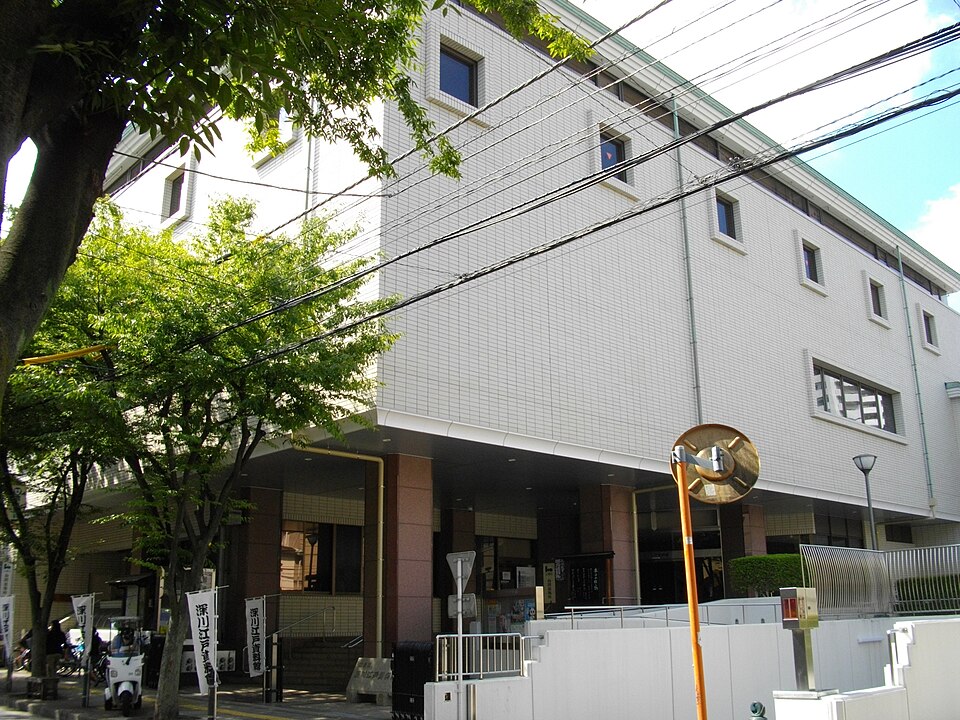
9 dk yürüyüş
江東区深川江戸資料館
- Mutlaka görülmeli
- Müze
Dil · 11 yayınlandı
Müze · Tokyo

| Pazartesi | Kapalı |
|---|---|
| Salı | 10:00 – 18:00 |
| Çarşamba | 10:00 – 18:00 |
| Perşembe | 10:00 – 18:00 |
| Cuma | 10:00 – 18:00 |
| Cumartesi | 10:00 – 18:00 |
| Pazar | 10:00 – 18:00 |
OpenStreetMap açılış saatlerinden 2026-08-26 tarihinde ayrıştırıldı.
The Museum of Contemporary Art Tokyo is a major art institution in the Koto ward of Tokyo, Japan. Its local name is 東京都現代美術館. The museum is dedicated to collecting and exhibiting contemporary art from the postwar period to the present day. It operates under the Tokyo Metropolitan Government and serves as one of the city's principal venues for modern artistic expression. The facility includes exhibition galleries, a library, and educational spaces. It represents a significant cultural resource within Tokyo's broader museum landscape, supporting both Japanese and international contemporary artists through its programming and permanent collection activities.
2026-08-26 kontrol edildi
The museum houses a permanent collection focused on contemporary art from 1945 onward, with particular strength in Japanese and international works from the postwar era. Exhibition spaces rotate temporary shows featuring diverse media including painting, sculpture, installation, photography, and video art. The facility contains research materials and archives accessible to visitors and scholars. Educational programs and workshops accompany major exhibitions. The building itself, designed with functional gallery requirements, accommodates large-scale installations. Specific current and upcoming exhibitions, collection highlights, and detailed holdings are Not recorded pending review of operator-provided information.
2026-08-26 kontrol edildi
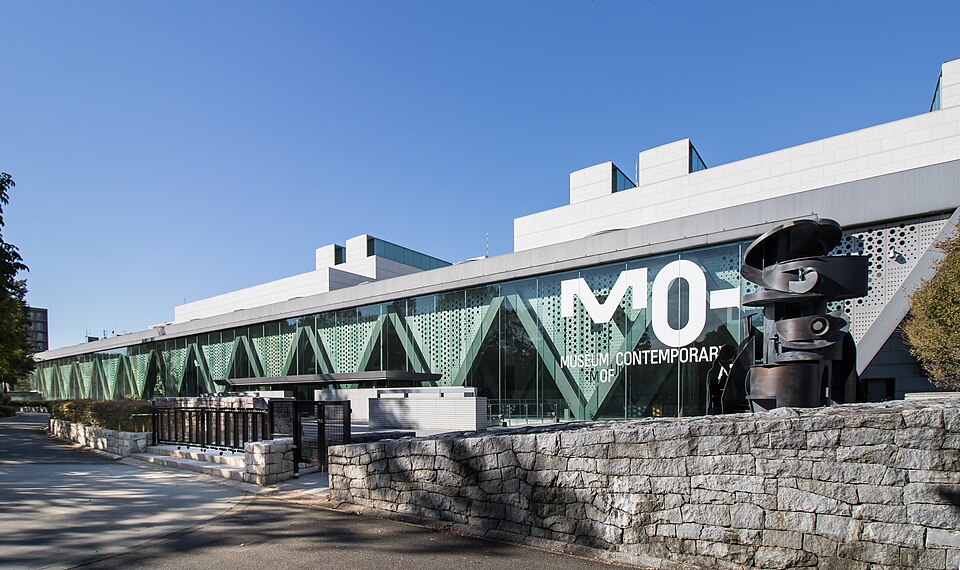
Visitor duration varies considerably based on exhibition scale and personal engagement depth. A focused visit to a single temporary exhibition might require approximately sixty to ninety minutes. Comprehensive exploration of multiple gallery floors, including the permanent collection and any special installations, typically extends to two or three hours. Art enthusiasts examining individual works closely, reading accompanying texts, or utilizing audio guides if available may spend longer. The museum's library and research facilities could add substantial time for academically inclined visitors. Planning flexibility accommodates both brief targeted visits and extended immersive experiences depending on current programming.
2026-08-26 kontrol edildi
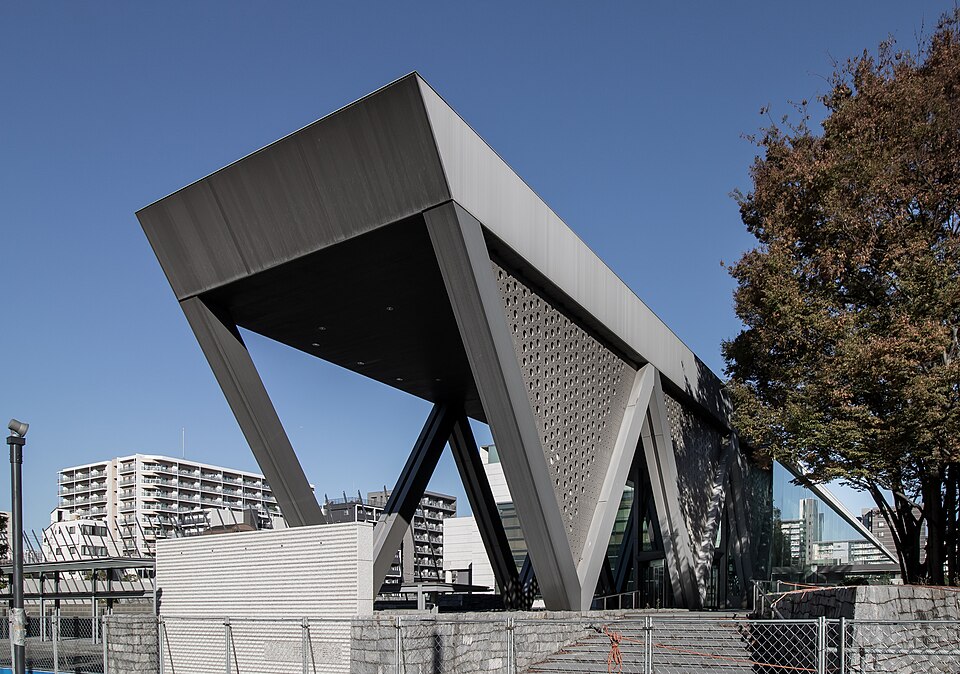
Optimal visiting timing depends on personal schedule flexibility and tolerance for crowd conditions. Weekday mornings generally offer quieter gallery experiences compared to weekends and Japanese public holidays when domestic tourism increases. Special exhibition openings and closing periods often attract elevated attendance. Seasonal factors including Tokyo's summer humidity and winter chill may influence comfort during any associated outdoor queuing or garden areas. Operator-confirmed opening hours, last-entry times, and regular closure days are Not recorded pending review. Visitors should verify current operational status directly with the museum before finalizing travel arrangements to avoid disappointment from unanticipated closures.
2026-08-26 kontrol edildi
Admission structures typically distinguish between permanent collection access and special exhibition entry, with combination options where applicable. Concession categories commonly include students, seniors, and persons with disabilities, though specific eligibility criteria vary by institution. Group rates may apply for organized parties above minimum size thresholds. Some museums implement free admission days periodically, often on specific dates or for certain demographic groups. Operator-confirmed prices, available ticket categories, online booking options, and accepted payment methods are Not recorded pending review. Visitors should consult official museum channels for authoritative current pricing and purchase procedures before budgeting or attempting walk-up admission.
2026-08-26 kontrol edildi
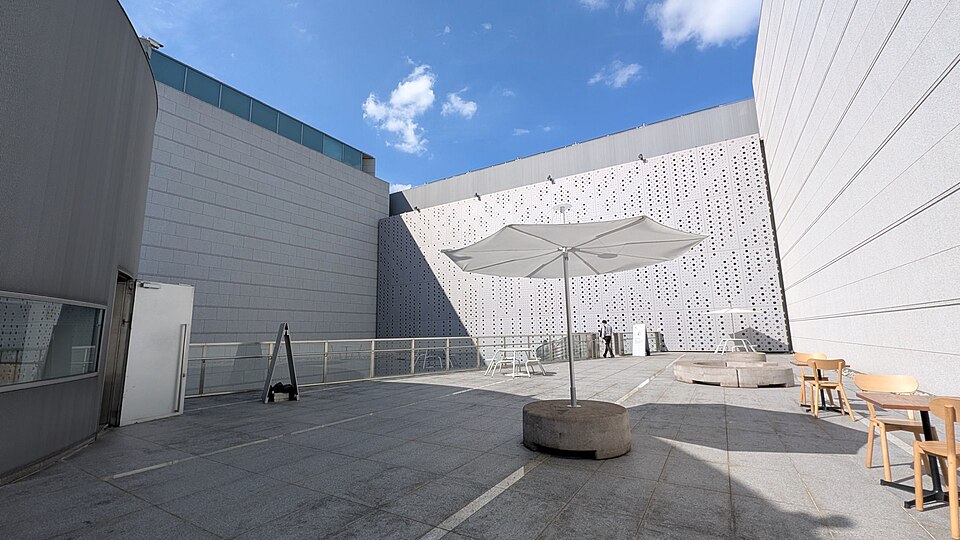
The museum occupies a location in Koto ward, eastern Tokyo, accessible through the city's extensive public transportation network. Multiple rail and subway lines serve the surrounding area with varying walking distances to the entrance. Bus connections provide additional access options. The precise optimal route depends on departure point within Tokyo's metropolitan area. Visitors should consult current transit applications or official transportation authority resources for real-time routing, as station configurations and service patterns undergo periodic adjustments. Walking directions from nearest stations require verification against current street layouts. Bicycle parking and vehicular access provisions, including any nearby parking facilities, are Not recorded pending review.
2026-08-26 kontrol edildi

Visitors should anticipate standard museum protocols including security screening and bag inspection upon entry. Large items, umbrellas, and potentially disruptive objects typically require cloaking or storage. Gallery environments maintain controlled climate conditions; layered clothing accommodates variable temperatures between exhibition spaces. Photography restrictions vary by exhibition and individual artwork requirements, with explicit signage indicating prohibited zones or pieces. Food and beverage consumption is generally restricted to designated areas. Quiet conduct preserves the contemplative atmosphere expected in art institutions. Accessibility accommodations including wheelchair provision, elevator access, and tactile services should be confirmed directly with the museum prior to visiting for specific current availability and reservation requirements.
2026-08-26 kontrol edildi

Photography policies within contemporary art museums frequently impose complex restrictions reflecting artist rights, conservation concerns, and lender institution requirements. Flash photography is almost universally prohibited due to cumulative light damage to sensitive materials. Tripods, selfie sticks, and professional equipment typically require advance authorization or are banned outright. Individual artworks often carry specific prohibitions indicated by adjacent signage. Some exhibitions implement blanket no-photography policies. Visitors should observe all posted instructions and staff directions without exception. Social media sharing of permitted photographs may still carry implicit ethical considerations regarding artwork reproduction. When uncertain, requesting clarification from gallery attendants represents prudent practice before capturing any images.
2026-08-26 kontrol edildi
The museum building incorporates accessibility features, though specific current provisions including elevator availability, accessible restroom locations, and wheelchair loan services should be confirmed directly with the institution before visiting.
English-language interpretation services including audio guides, printed materials, or multilingual signage may be available for some exhibitions, but specific current offerings are Not recorded pending review of operator-provirmed information.
Many major museums include cafes or restaurants, but whether the Museum of Contemporary Art Tokyo currently operates such facilities, their hours, and menu options are Not recorded pending review.
Online ticket purchasing availability, platform, and procedures are Not recorded pending review. Visitors should consult official museum channels for current booking options.
Contemporary art exhibitions vary widely in content appropriateness and child engagement potential. Parental preview of exhibition descriptions and specific artwork content is advisable before bringing children.
Museum shops commonly offer exhibition catalogs, artist merchandise, and related items, but specific current retail operations at this institution are Not recorded pending review.
Etkileşimli harita yükleniyor…
Etkileşimli harita yüklenemedi.

Son güncelleme:
Kaynak: OpenStreetMap katkıda bulunanları, Wikidata ·