
_-_DPLA_-_a3a9a8cc0fa08bcc45f4789911165e51.jpg)


7 dk yürüyüş
Shogonjodo Tapınağı
- Dikkate değer
- İbadet yeri
Dil · 11 yayınlandı
İbadet yeri · Osaka
住吉大社
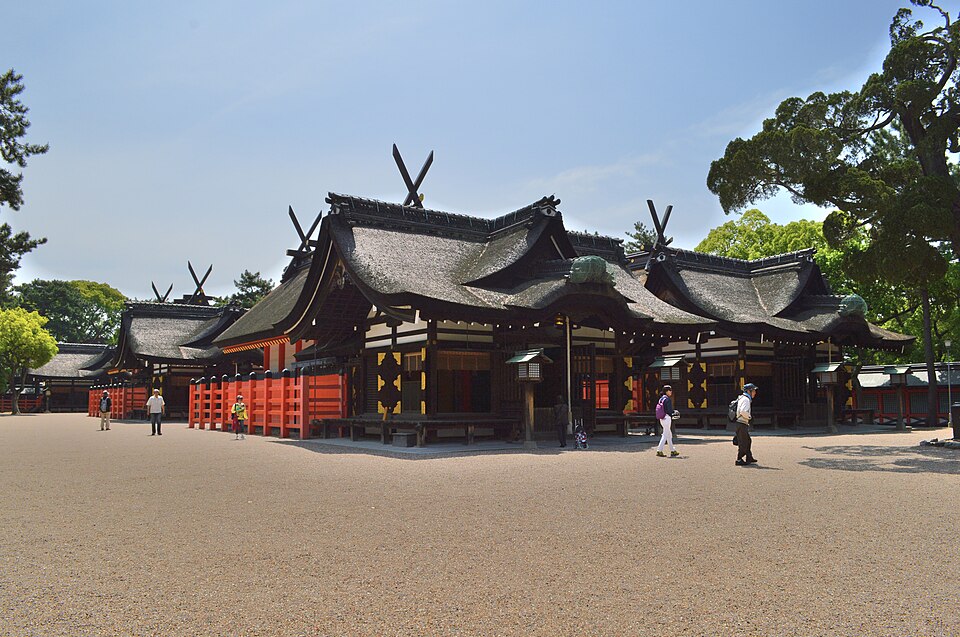
Sumiyoshi Taisha is a major Shinto shrine in Osaka, known in Japanese as 住吉大社. It is one of Japan's oldest shrines and serves as the head shrine of approximately 2,300 Sumiyoshi shrines nationwide. The shrine complex occupies a significant site in southern Osaka and represents an important cultural and religious institution in the Kansai region. Its distinctive architectural style reflects traditional Japanese shrine design without continental Buddhist influence. Sumiyoshi Taisha also earns time in a osaka itinerary because A primary visitor landmark supported by the three required source families and matched exactly to the production city pool. Its value becomes clearer when the stop is compared with the surrounding streets and the other ranked places nearby.
2026-08-26 kontrol edildi
The shrine grounds contain multiple structures of religious significance. The main sanctuary complex consists of four halls arranged in a distinctive configuration. A famous arched bridge called Sorihashi or Taiko-bashi spans a pond within the precincts, forming a recognized visual feature. The buildings exhibit the Sumiyoshi-zukuri architectural style, characterized by straight roofs and other traditional elements. The grounds include various auxiliary shrines, gates, and landscaped spaces that constitute the complete religious complex. A flexible visit lets travellers connect Sumiyoshi Taisha with the rest of the day without treating one room, viewpoint or photograph as the whole experience. The useful pace depends on personal interest and conditions on arrival.
2026-08-26 kontrol edildi

Visitors typically allocate between one and two hours for exploring the shrine grounds at a comfortable pace. This duration allows for walking through the main precinct, crossing the characteristic bridge, observing the architectural details of the sanctuary buildings, and pausing at secondary shrine structures. The time required varies depending on individual interest in religious sites, photography habits, and whether one participates in shrine customs such as purification rituals or prayer. Seasonal conditions may also affect walking pace.
2026-08-26 kontrol edildi

Operator-confirmed hours are Not recorded pending review. The shrine can be visited throughout the year, with each season offering different atmospheric conditions. Spring brings flowering vegetation, summer presents lush greenery, autumn provides changing foliage, and winter offers clearer structural views. Major festivals occur at specific times, though exact dates require verification. Visitors should consult official sources before planning around particular events. Weather considerations for outdoor walking apply in all seasons, with summer humidity and winter cold being notable factors in Osaka.
2026-08-26 kontrol edildi
Operator-confirmed prices are Not recorded pending review. Shinto shrines in Japan typically do not charge admission fees for general grounds access. Certain special exhibitions, ceremonies, or specific buildings may occasionally require payment, though this varies by institution and event. Visitors should carry suitable funds for optional activities such as purchasing omamori charms or participating in customary practices. The surrounding area contains commercial establishments where additional spending may occur. Verification of any current fee structures should be sought from official shrine communications.
2026-08-26 kontrol edildi

Sumiyoshi Taisha is located in the Sumiyoshi ward of southern Osaka. The site is accessible via public transportation, with train stations in the vicinity including Sumiyoshi Taisha Station on the Nankai Main Line and Sumiyoshihigashi Station on the Nankai Koya Line. Additional access options exist through Osaka's broader rail and bus networks. The shrine lies at some distance from central Osaka districts such as Umeda or Namba, requiring transit planning. Walking from nearby stations through residential neighborhoods forms part of the approach.
2026-08-26 kontrol edildi

Visitors should observe standard shrine etiquette including purification at temizuya water pavilions, respectful behavior near main sanctuaries, and appropriate photography restrictions. The arched bridge has steep steps requiring careful footing, particularly in wet conditions. Crowding may occur during festivals and New Year periods. As an active religious site, worshippers have priority in certain spaces. footwear must be removed in designated buildings. The grounds contain gravel paths and uneven surfaces. Visitors with mobility limitations should assess bridge and terrain challenges beforehand.
2026-08-26 kontrol edildi
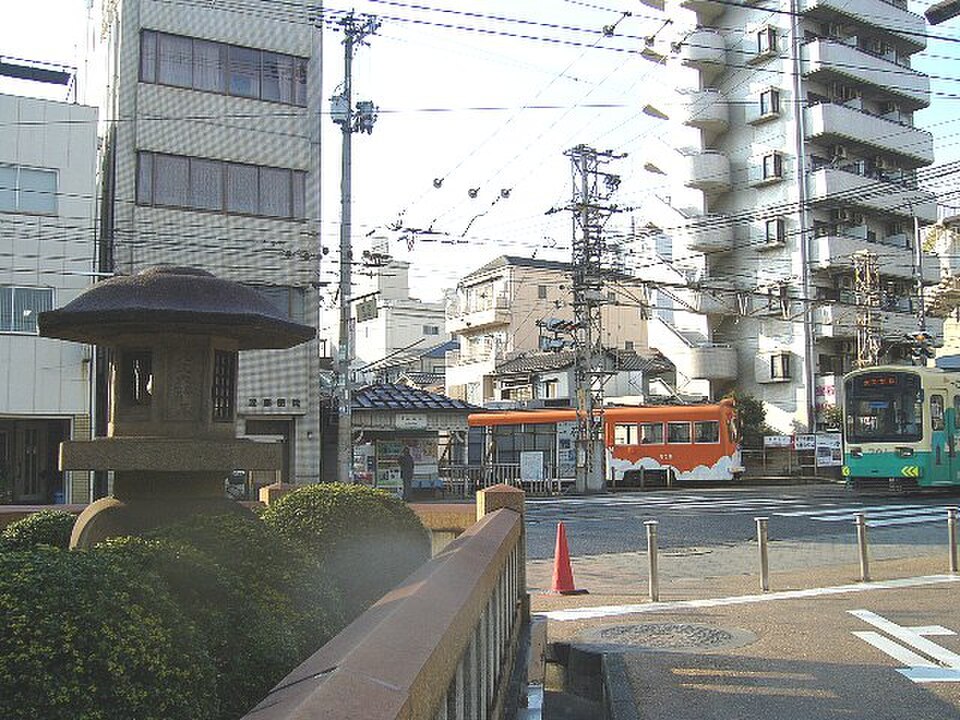
The Sorihashi bridge and the main shrine buildings offer widely recognized photographic subjects. The straight-roofed architecture presents distinctive visual characteristics uncommon at other major Japanese shrines. Morning and evening light conditions alter the appearance of structures and reflections in the pond. Photography for personal use is generally permitted in exterior areas, though restrictions apply within certain buildings and during specific ceremonies. Tripods and commercial photography may require permission. Respect for worshippers and avoidance of intrusive positioning should guide all photographic activity.
2026-08-26 kontrol edildi
Yes, it is widely recognized as among Japan's most ancient shrines and serves as the head shrine for the Sumiyoshi shrine network nationwide.
The buildings employ Sumiyoshi-zukuri style, which developed without the Buddhist continental influence seen at many other major religious sites in Japan.
Yes, the Sorihashi bridge is accessible to visitors, though its steep steps require caution especially during wet weather conditions.
General access to shrine grounds is typically free at Shinto institutions, though operator-confirmed current policies are Not recorded pending review.
Take the Nankai Main Line to Sumiyoshi Taisha Station or use connecting services from the broader Osaka rail network to access southern Osaka.
Both offer different experiences; festivals provide cultural intensity but crowds, while regular days allow quieter appreciation of architecture and grounds.
Etkileşimli harita yükleniyor…
Etkileşimli harita yüklenemedi.

Son güncelleme:
Kaynak: OpenStreetMap katkıda bulunanları, Wikidata ·