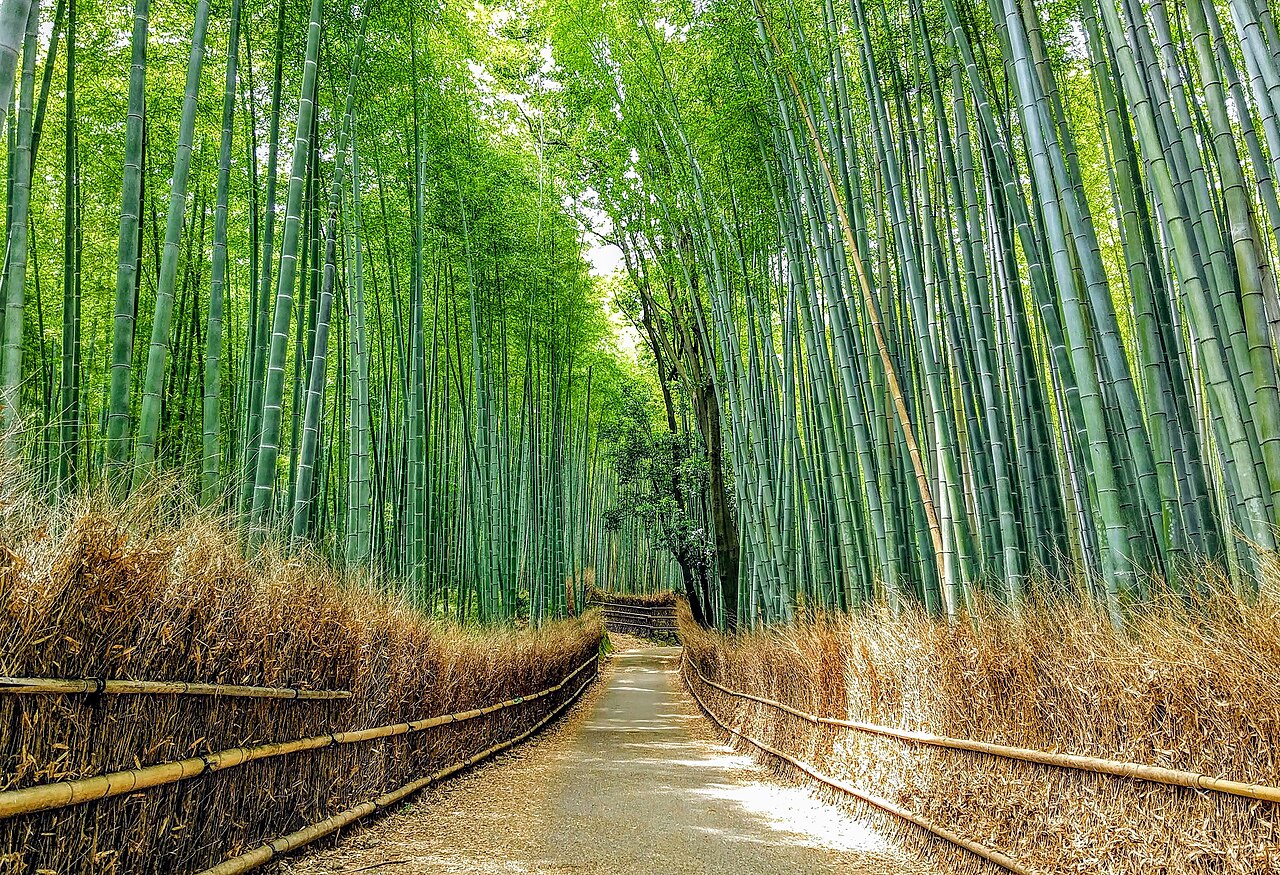
17 dk yürüyüş
嵐山竹林
- Mutlaka görülmeli
- Tarihi anıt
Dil · 11 yayınlandı
İbadet yeri · Kyoto
Adashino Nenbutsu-ji is a Buddhist temple in Kyoto's western Saga-Arashiyama district. The temple occupies a hillside site with strong associations to burial and memorial practices. Its name and history connect to the adashino area, where unclaimed bodies were traditionally interred. The temple is known for its atmospheric setting and its role in commemorating the dead. The grounds contain a substantial collection of stone figures that contribute to its distinctive character. Visitors encounter a contemplative space shaped by centuries of ritual activity and local tradition.
2026-08-26 kontrol edildi
The temple grounds contain numerous stone statues and memorial markers accumulated over generations. These figures represent the souls of the departed and create a powerful visual field across the hillside. A central hall serves religious functions. The surrounding terrain offers views across the Kyoto landscape. Seasonal vegetation frames the stone arrangements. The temple maintains its memorial purpose through ongoing religious observance. The density of stone figures distinguishes this site from other temple complexes in the region. The spatial organisation reflects both practical burial customs and developed Buddhist practice.
2026-08-26 kontrol edildi
A thorough visit to Adashino Nenbutsu-ji typically requires between thirty and sixty minutes. This duration allows for circulation through the stone figure areas, observation of the main structures, and appreciation of the hillside setting. Visitors with specific photographic or contemplative interests may extend their stay. The compact nature of the temple grounds means that the essential experience unfolds within a limited area. The emotional weight of the memorial environment may influence individual pacing. Combined visits with nearby Arashiyama attractions require additional time allocation.
2026-08-26 kontrol edildi
Operator-confirmed hours are Not recorded pending review. The temple's atmospheric qualities suggest particular resonance during early morning and late afternoon periods, when light conditions accentuate the stone figures. Seasonal considerations include summer vegetation and autumn foliage changes. The annual Sento Kuyo ceremony in late August, involving thousands of lit candles among the stones, represents a notable event though specific scheduling should be verified independently. Weather conditions affect hillside accessibility. Visitors should consult current sources before planning. Adashino Nenbutsu-ji also earns time in a kyoto itinerary because WIKIDATA_PRODUCTION reconciliation for the ranked entry; identity and coordinates were verified without a nearby fallback. Its value becomes clearer when the stop is compared with the surrounding streets and the other ranked places nearby.
2026-08-26 kontrol edildi
Operator-confirmed prices are Not recorded pending review. The temple likely maintains an admission fee consistent with comparable Kyoto religious institutions. Visitors should prepare appropriate cash payment as many temple sites do not accommodate electronic transactions. No pricing information from the supplied source permits reliable quotation. Budget considerations for combined Arashiyama district visits should incorporate multiple admission fees. Group rates, if available, are not documented here. Verification through official channels or current visitor reports is essential before arrival. A flexible visit lets travellers connect Adashino Nenbutsu-ji with the rest of the day without treating one room, viewpoint or photograph as the whole experience. The useful pace depends on personal interest and conditions on arrival.
2026-08-26 kontrol edildi
Adashino Nenbutsu-ji occupies a western Kyoto location within the broader Arashiyama-Saga area. Public transport access involves bus services from central Kyoto stations. The Torokko Arashiyama station of the Sagano Scenic Railway provides nearby access for those incorporating that route. Walking from Arashiyama's central district involves uphill progression. The temple's hillside position requires physical effort to approach. Signage in the area assists navigation. Taxi access is possible though may be constrained by narrow approach roads. Cycling represents an option for appropriately equipped visitors.
2026-08-26 kontrol edildi
The hillside terrain presents uneven surfaces and steps that demand appropriate footwear and mobility caution. Weather conditions affect path safety. The memorial nature of the site requires respectful conduct among the stone figures. Limited shelter exists during precipitation. Facilities within the temple grounds may be minimal. Crowding during peak periods or special events affects movement and atmosphere. Combined visits with other Arashiyama attractions require energy management given the walking distances and elevation changes involved. Evening departure requires attention to transport schedules.
2026-08-26 kontrol edildi
The stone figure fields offer distinctive photographic subjects with strong textural and compositional possibilities. Morning and evening light conditions enhance the atmospheric qualities. Tripod use may be restricted or impractical given terrain and visitor flow. The memorial character of the site imposes ethical considerations on photographic practice. Close attention to figure arrangements reveals individual variation among the stones. Overhead vegetation creates dappled lighting effects. Panoramic views toward the Kyoto basin supplement ground-level figure photography. Weather conditions significantly influence available imagery.
2026-08-26 kontrol edildi
The temple's defining characteristic is its extensive field of stone figures memorialising the dead, accumulated over centuries. This memorial function and atmospheric density distinguish it from temple complexes focused primarily on active worship or garden aesthetics.
The memorial character and required respect for the site may not engage younger visitors. Physical demands of hillside access and uneven surfaces present practical challenges. Parental judgement should consider individual child temperament and mobility.
The temple integrates into Arashiyama itineraries though its western position and uphill access require time and energy allocation. Combined visits with bamboo grove, Tenryu-ji, or scenic railway attractions are feasible with planning.
No specific food facilities are documented in available sources. Visitors should anticipate limited amenities within the temple grounds and plan accordingly for the broader Arashiyama visit.
Sturdy footwear accommodating uneven surfaces and steps is essential. Modest dress befitting a religious site is appropriate. Weather-appropriate layers accommodate exposed hillside conditions and seasonal variation.
The late August candle ceremony represents a significant annual event. Specific access arrangements, timing, and any special requirements are not recorded in available sources and should be verified through official channels.
Etkileşimli harita yükleniyor…
Etkileşimli harita yüklenemedi.
Son güncelleme:
Kaynak: OpenStreetMap katkıda bulunanları, Wikidata ·