

4 dk yürüyüş
Seimei Tapınağı
- Yüksek
- İbadet yeri
Dil · 11 yayınlandı
Müze · Kyoto
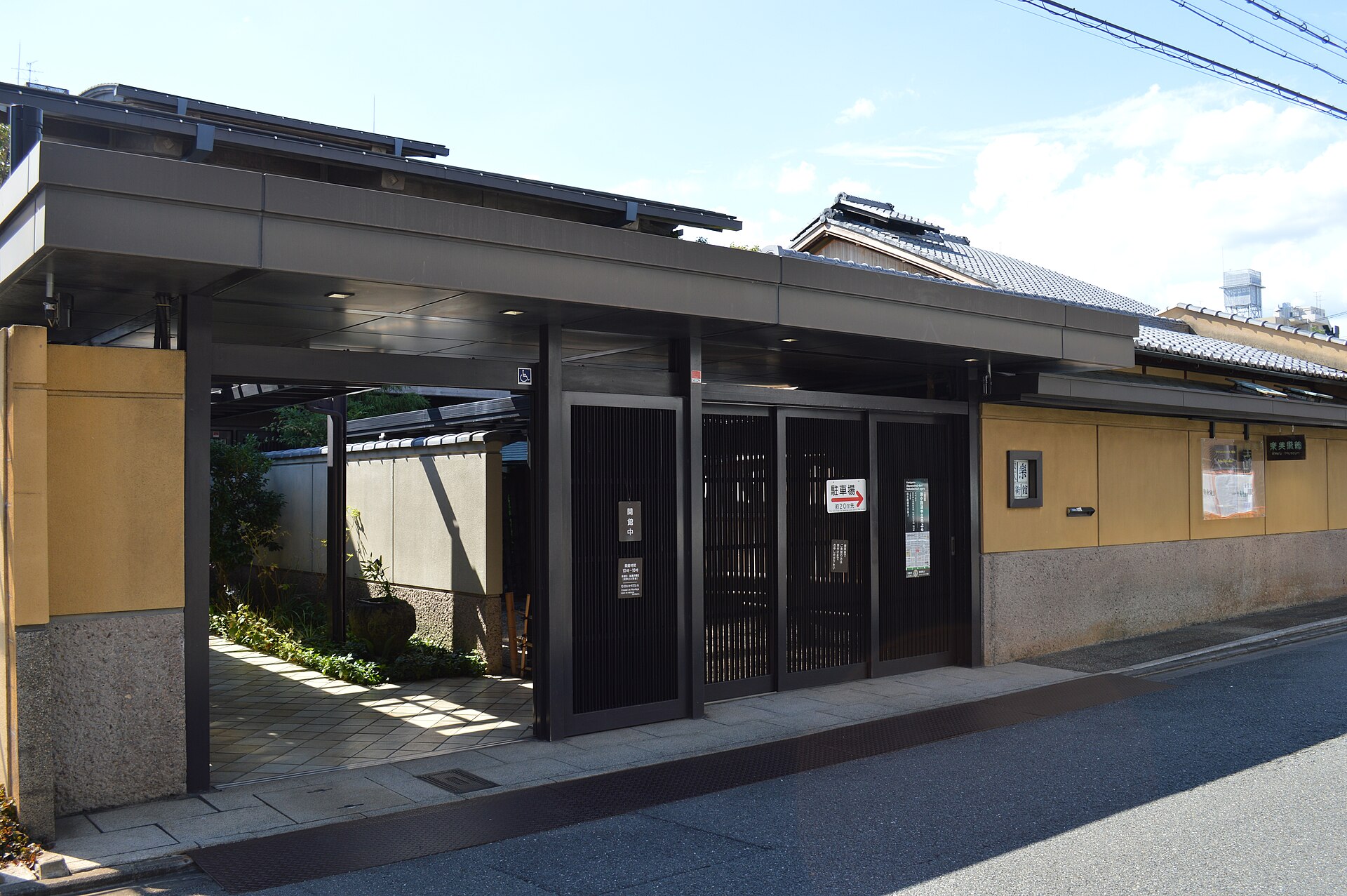
The Raku Museum is a museum in Kyoto dedicated to the Raku tradition of Japanese ceramics. It is situated in the Omuro district near Ninnaji Temple. The museum preserves and displays works associated with the Raku family, who have been central to this distinctive ceramic style since the sixteenth century. The Raku technique is closely tied to the Japanese tea ceremony, and the museum serves as a custodian of this cultural heritage. Visitors can explore the evolution of Raku ware through its collections.
2026-08-26 kontrol edildi
The museum houses ceramics from the Raku lineage, spanning multiple generations of artisans. Exhibits typically include tea bowls and other vessels crafted using the hand-moulded, low-firing technique characteristic of Raku ware. The collection traces the aesthetic development from the founding generation through contemporary works. Display arrangements may rotate, highlighting different periods or individual artists within the tradition. The museum also preserves historical documents and tools related to Raku production. Visitors should expect a focused, intimate exhibition space rather than a sprawling institution.
2026-08-26 kontrol edildi
A visit to the Raku Museum generally requires between thirty minutes and one hour. The compact nature of the museum means that dedicated visitors can examine the collection thoroughly without extensive time commitment. Those with particular interest in ceramics or tea culture may wish to linger longer, studying the subtle variations in glaze and form that distinguish different periods. Casual visitors often find the duration manageable within a broader itinerary of northwest Kyoto sites. Combining this visit with nearby Ninnaji Temple or other Omuro attractions creates a satisfying half-day excursion.
2026-08-26 kontrol edildi
Operator-confirmed hours are Not recorded pending review. Visitors should consult the museum's official channels or contact them directly before planning a visit. Seasonal considerations for Kyoto apply generally, with spring and autumn being popular periods throughout the city due to cherry blossoms and autumn foliage. The museum's indoor setting means weather has minimal impact on the experience itself. Weekday visits may offer quieter conditions compared to weekends when domestic tourism increases. Morning visits to cultural sites in Kyoto often provide more contemplative atmospheres before midday crowds accumulate.
2026-08-26 kontrol edildi
Operator-confirmed prices are Not recorded pending review. Visitors should verify current admission fees through official sources prior to arrival. Many specialised museums in Kyoto maintain modest entry costs compared to major national institutions. Some museums offer combined tickets with nearby attractions, though this cannot be confirmed for the Raku Museum specifically. Cash payment remains common at smaller Kyoto museums, so visitors should prepare accordingly. International visitors rarely encounter significant pricing discrimination, though temporary exhibitions may carry separate charges. Annual passes or repeat-visit discounts are not documented in available sources.
2026-08-26 kontrol edildi
The Raku Museum is located in the Omuro area of northwest Kyoto, near Ninnaji Temple. The nearest train station is Omuro-Ninnaji on the Keifuku Electric Railroad Randen line, providing convenient access from central Kyoto. City buses also serve the Ninnaji-michi or Omuro-Ninnaji area from Kyoto Station and other hubs. The walk from the station to the museum passes through a pleasant residential district with temple surroundings. Cycling represents another viable option given Kyoto's relatively flat terrain in this area. Taxis offer direct access for those prioritising convenience over cost efficiency.
2026-08-26 kontrol edildi
The museum's compact scale may surprise visitors accustomed to larger institutions. Photography restrictions likely apply given the delicate nature of ceramics and standard museum protocols, though specific rules are not recorded. Footwear may need removal or covering in certain areas following Japanese custom. The surrounding Omuro district contains numerous temples requiring respectful conduct. English information may be limited compared to major tourist facilities. Visitors should confirm accessibility provisions in advance if required. The nearby Ninnaji Temple complex deserves adequate time if combined with the museum visit, as rushing diminishes the contemplative quality of both experiences.
2026-08-26 kontrol edildi
Specific photography policies for the Raku Museum are not recorded in available sources. Visitors should assume restrictions apply and seek confirmation upon entry. Japanese museums commonly prohibit flash photography to protect sensitive materials. Some institutions permit non-flash photography in permanent collections while banning it in special exhibitions. Video recording typically faces stricter limitations than still photography. Visitors respecting apparent rules maintains positive relations with staff. When photography is permitted, avoiding obstructing other visitors remains essential. The museum's architectural exterior and garden approaches may offer alternative photographic subjects if interior restrictions apply.
2026-08-26 kontrol edildi
The museum's specialised ceramic focus and quiet atmosphere may not engage young children extensively. Older children with interest in art or crafts could find value. No specific children's programmes are recorded.
The extent of English signage or audio guides is not recorded. Smaller Kyoto museums sometimes offer limited foreign-language support. Visitors should inquire directly or observe available materials upon arrival.
Whether the museum operates a shop selling ceramics or related items is not recorded. Many Japanese museums maintain modest museum stores, though authentic Raku ware represents significant investment.
Specific accessibility features including step-free access, elevators, or adapted restrooms are not recorded. Visitors requiring accessibility accommodations should contact the museum directly before visiting.
The museum preserves the Raku ceramic tradition associated with this hereditary lineage. The Raku family has maintained distinctive hand-moulded, low-fire techniques across generations since the sixteenth century.
Ninnaji Temple stands immediately nearby and represents a UNESCO World Heritage site. The Omuro district contains additional temples and walking routes suitable for combination visits in northwest Kyoto.
Etkileşimli harita yükleniyor…
Etkileşimli harita yüklenemedi.


Son güncelleme:
Kaynak: OpenStreetMap katkıda bulunanları, Wikidata ·