_02.jpg)

_01.jpg)
_03.jpg)
_04.jpg)
.jpg)
2 dk yürüyüş
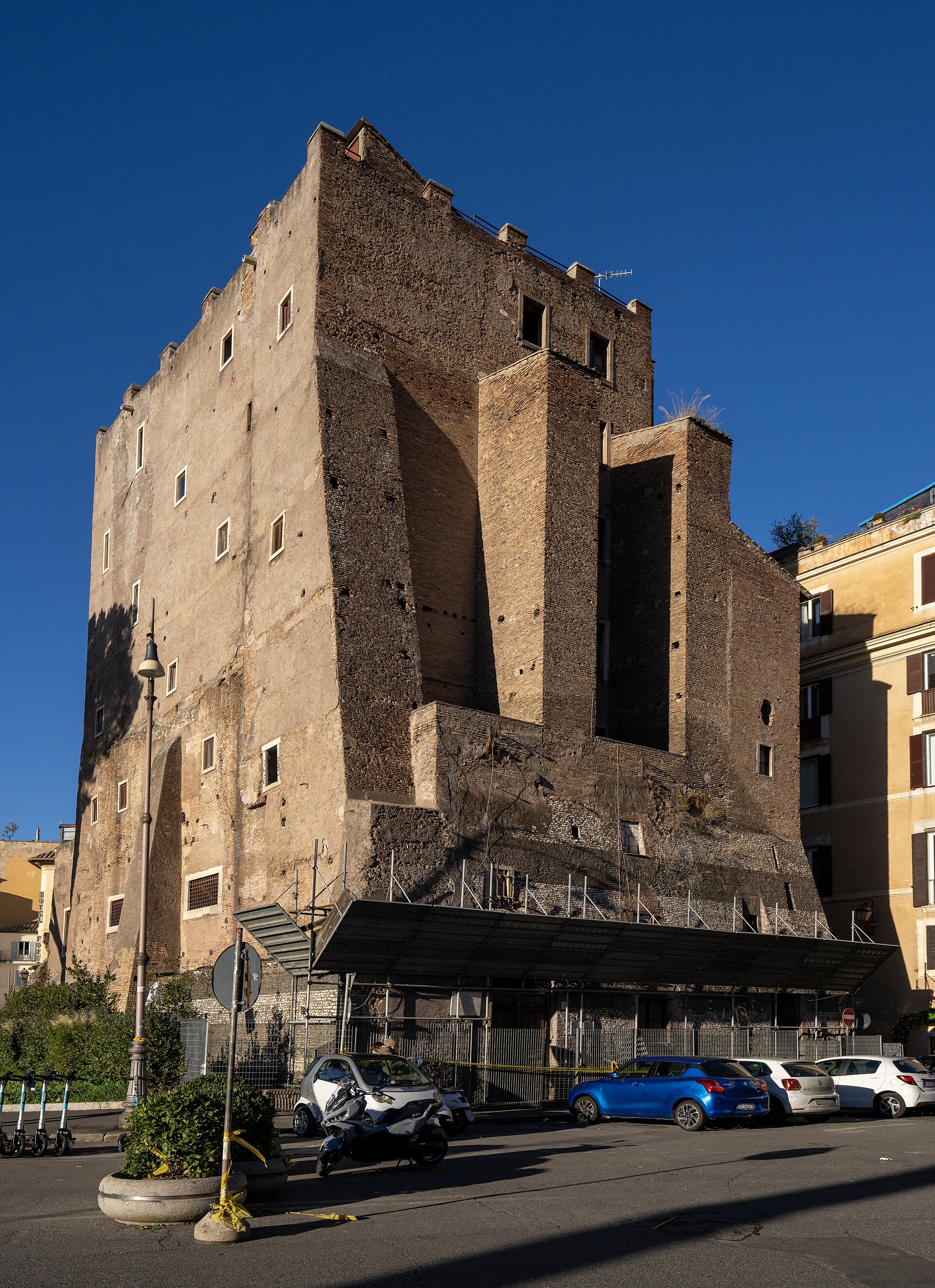
Divo Romolo Tapınağı
- Mutlaka görülmeli · Miras alanı
- Tarihi anıt
Dil · 11 yayınlandı
Tarihi anıt · Roma
Tempio della Pace

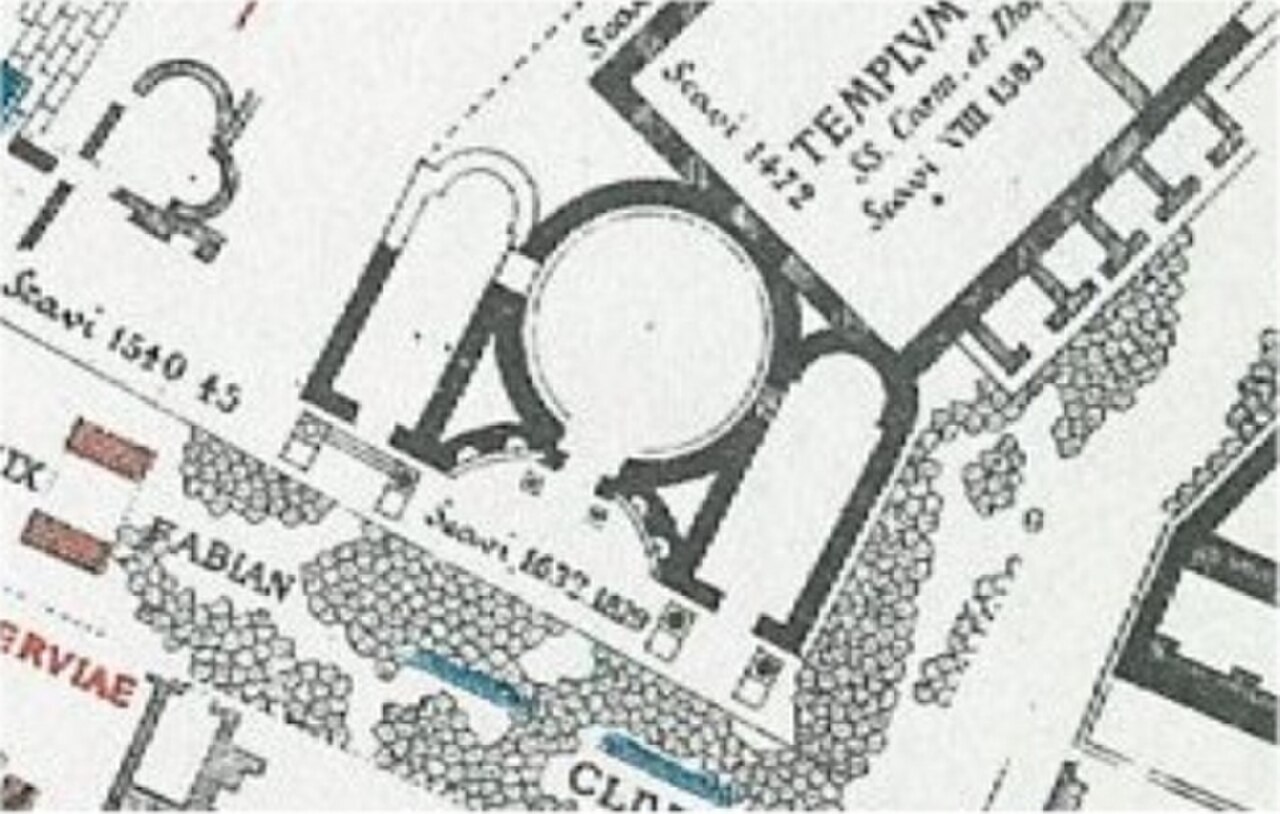
The Temple of Peace, known locally as Tempio della Pace, is an ancient Roman monument situated in the Imperial Fora area of Rome. Constructed during the reign of Emperor Vespasian, it formed part of the monumental complex celebrating imperial power and civic religion. The temple originally housed spoils from the Jewish War and displayed celebrated works of Greek art. Today, visitors encounter substantial archaeological remains including reconstructed elements and the footprint of this once-magnificent structure within the modern urban fabric of Rome.
2026-08-28 kontrol edildi
Visitors to the Temple of Peace site can observe foundational remains, partial column reconstructions, and the spatial layout of the ancient complex. The archaeological zone preserves evidence of the temple's original function as a display space for art and ceremonial objects. Nearby structures and stratified layers reveal successive periods of construction, modification, and eventual ruin. The site forms part of the broader Imperial Fora archaeological park, allowing exploration of contiguous monuments. Interpretive elements may assist visitors in understanding the historical significance of the surviving fabric.
2026-08-28 kontrol edildi
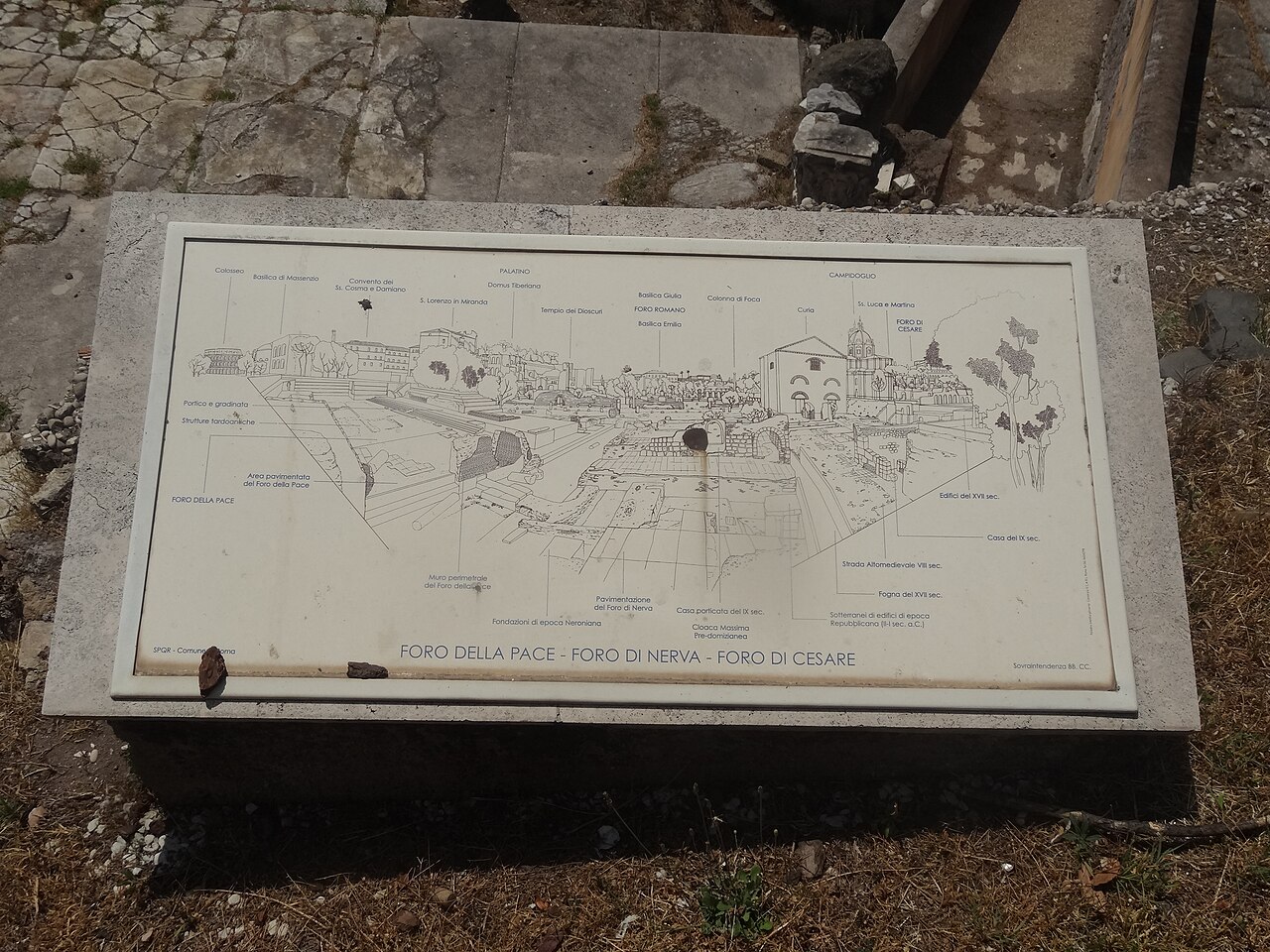
A visit to the Temple of Peace typically requires between thirty minutes and one hour for meaningful engagement with the visible remains. Those with deeper archaeological interest may extend their stay to examine details of construction techniques and spatial relationships with adjacent Forum structures. The duration depends substantially on whether visitors explore the broader Imperial Fora complex simultaneously. Combining this site with neighbouring monuments naturally extends the overall visit. Casual observers may complete a circuit more quickly, while specialists appreciate extended examination time.
2026-08-28 kontrol edildi

Operator-confirmed hours are Not recorded pending review. Visitors should consult official sources before planning their visit to the Temple of Peace. Seasonal variations in daylight affect visibility of archaeological details, with longer days in summer months permitting extended exploration. Morning visits may offer more favourable lighting for examining stonework and architectural features. The site lacks substantial shelter from sun or rain, so weather-appropriate preparation proves advisable. Weekday visits potentially encounter fewer visitors than peak weekend periods, though this remains variable. A flexible visit to Temple of Peace leaves room to adjust for access conditions without relying on unverified schedules, prices or closure assumptions. Confirm practical details with the operator when available.
2026-08-28 kontrol edildi
Operator-confirmed prices are Not recorded pending review. The Temple of Peace forms part of the Imperial Fora archaeological area, which may operate under unified ticketing arrangements with adjacent monuments. Visitors should verify current admission policies through official channels before arrival. Combination tickets potentially offer access to multiple Forum sites. Reduced rates for eligible categories may apply according to standard Italian archaeological site conventions, though specific entitlements require confirmation. Free admission periods, if any, remain unverified without authoritative source consultation. Temple of Peace is best treated as a distinct stop rather than a generic example of its category. Focus on the setting, surviving features and visitor route visible on arrival.
2026-08-28 kontrol edildi
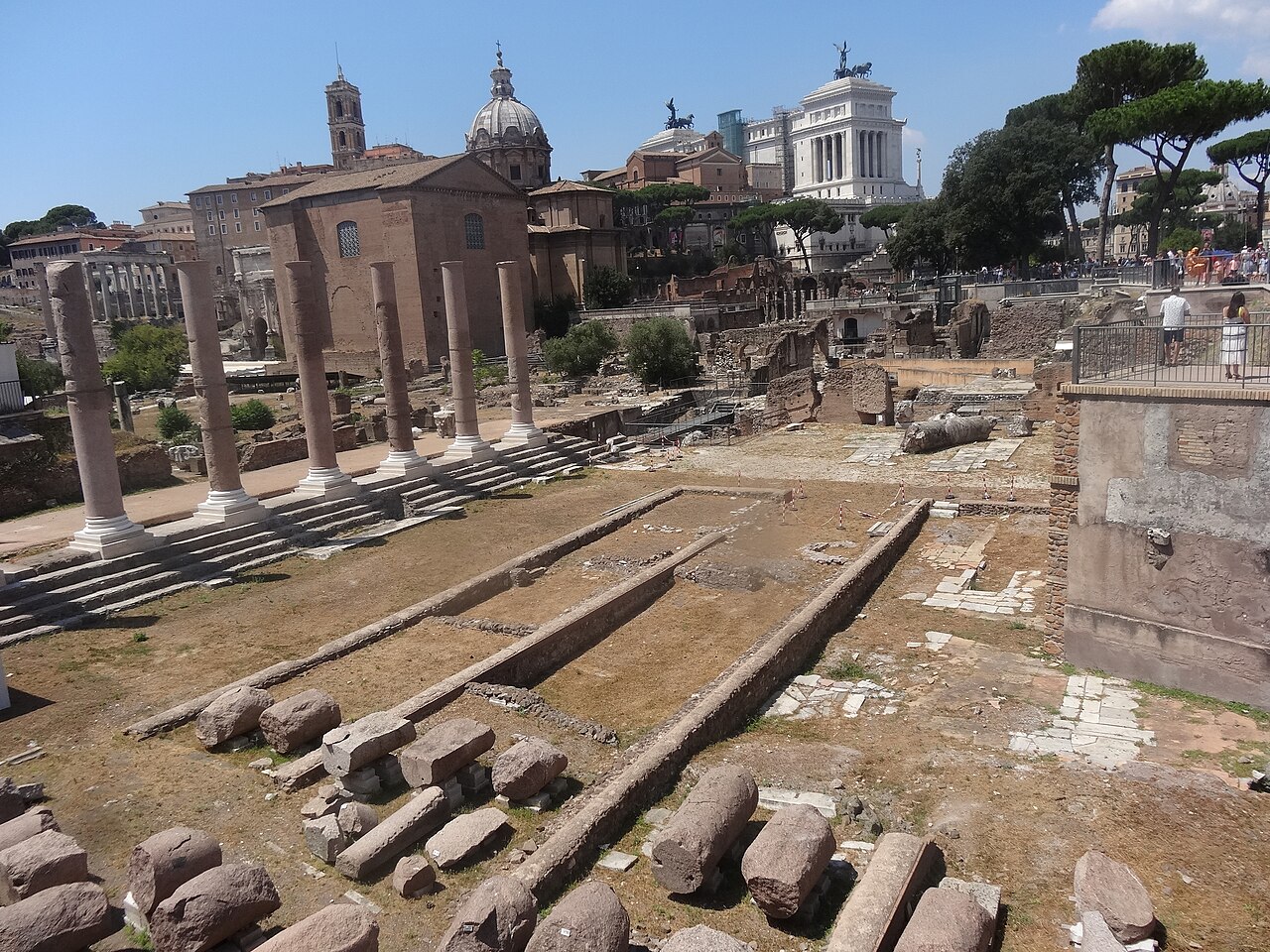
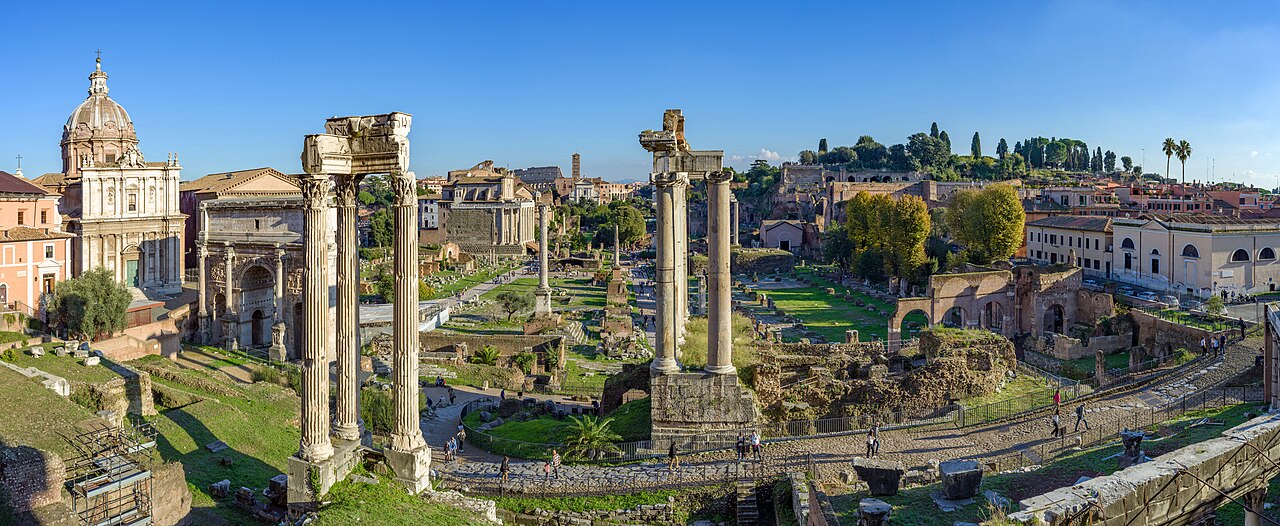
The Temple of Peace occupies the Imperial Fora zone in central Rome, accessible via established pedestrian routes from surrounding areas. Proximity to the Colosseum and Roman Forum facilitates combination visits. Metro stations in the vicinity include Colosseo on Line B, requiring subsequent walking. Bus services operate along adjacent thoroughfares. The dense historic centre renders private vehicle access impractical and restricted. Walking from major nearby landmarks represents the most straightforward approach. Signage within the archaeological zone directs visitors to specific monument areas.
2026-08-28 kontrol edildi

The archaeological site presents uneven surfaces, exposed foundations, and trip hazards requiring attentive foot placement. Weathered stone becomes slippery when wet, demanding caution after rainfall. Limited shade creates exposure risks during summer heat. The site lacks comprehensive modern amenities; visitors should carry water and sun protection. Crowding near adjacent major attractions may affect personal space and movement. Respect for archaeological fabric prohibits climbing on remains or removing material. Security presence and barriers enforce protective measures. Appropriate footwear substantially improves safety and comfort during exploration.
2026-08-28 kontrol edildi

Photography rules for the Temple of Peace specifically are Not recorded pending review. General archaeological site conventions typically permit non-commercial photography for personal use, though tripod and professional equipment restrictions may apply. Drone operation over heritage sites faces stringent regulatory limitations in Italy. Flash photography potentially disturbs other visitors without necessarily affecting stone monuments. Visitors should observe posted signage and staff instructions regarding photographic practice. Commercial or publication use requires separate authorisation from competent authorities. Respect for fellow visitors and site dignity should guide all photographic behaviour.
2026-08-28 kontrol edildi
The Temple of Peace served as a monument to peace and victory, housing spoils from the Jewish War and displaying renowned works of Greek art in a ceremonial and commemorative setting.
Specific accessibility provisions are Not recorded pending review. Archaeological sites with uneven ancient surfaces typically present challenges for mobility-impaired visitors.
Operator-confirmed tour availability is Not recorded pending review. The site forms part of the broader Imperial Fora area where guided services may operate.
The extent of accessible reconstructed elements and any entry restrictions are Not recorded pending review. Visitors should observe on-site signage and barriers.
Sturdy footwear with good grip is strongly recommended due to uneven archaeological surfaces, exposed foundations, and potential slip hazards from weathered stone.
On-site amenity provision is Not recorded pending review. Visitors should anticipate limited modern facilities within the archaeological zone and plan accordingly.
Etkileşimli harita yükleniyor…
Etkileşimli harita yüklenemedi.
Son güncelleme:
Kaynak: OpenStreetMap katkıda bulunanları, Wikidata ·