
_-_BEIC_6363891.jpg)


2 dk yürüyüş
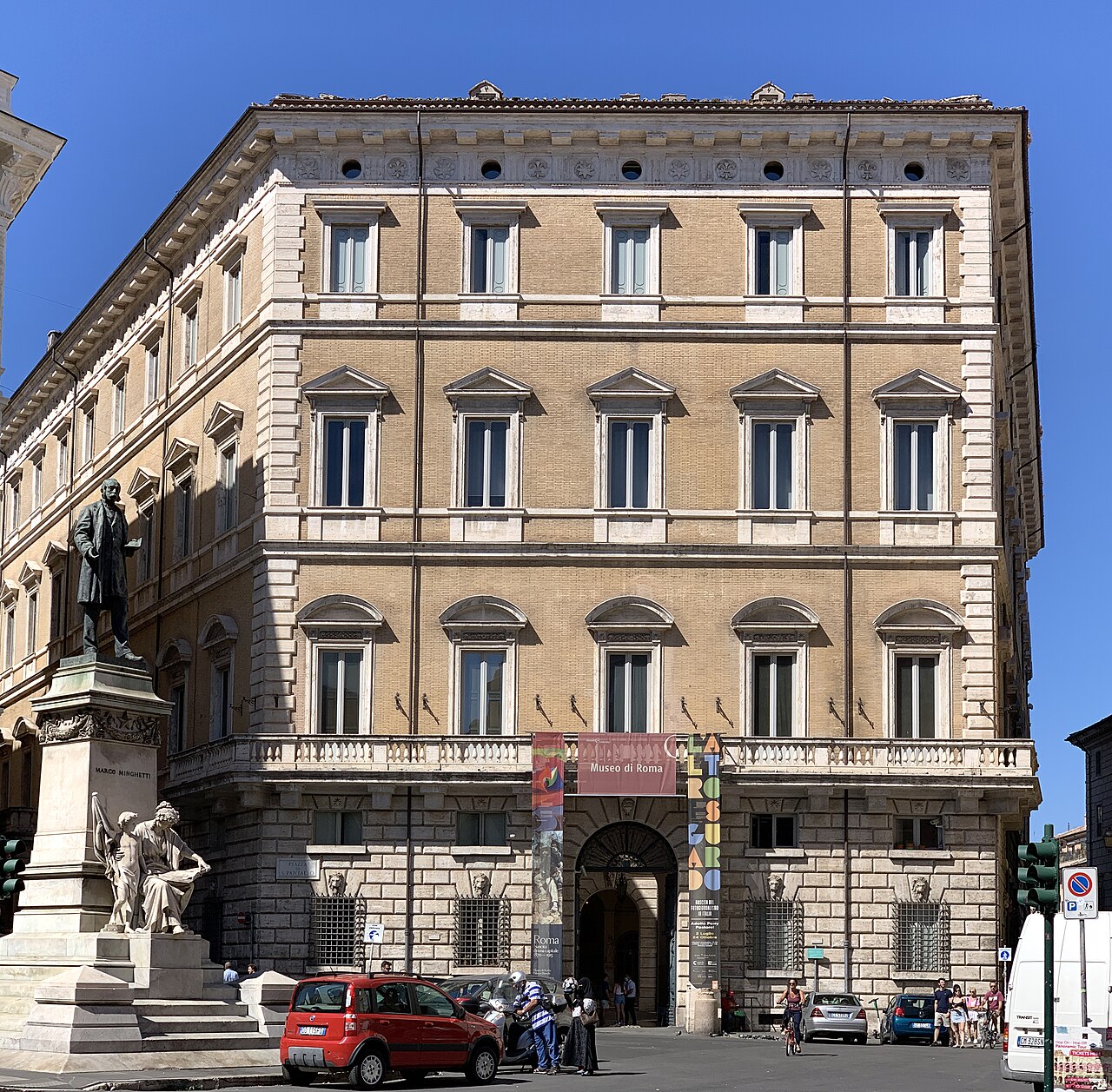
Roma Müzesi (Palazzo Braschi)
- Mutlaka görülmeli · Miras alanı
- Müze
Dil · 11 yayınlandı
Tarihi anıt · Roma
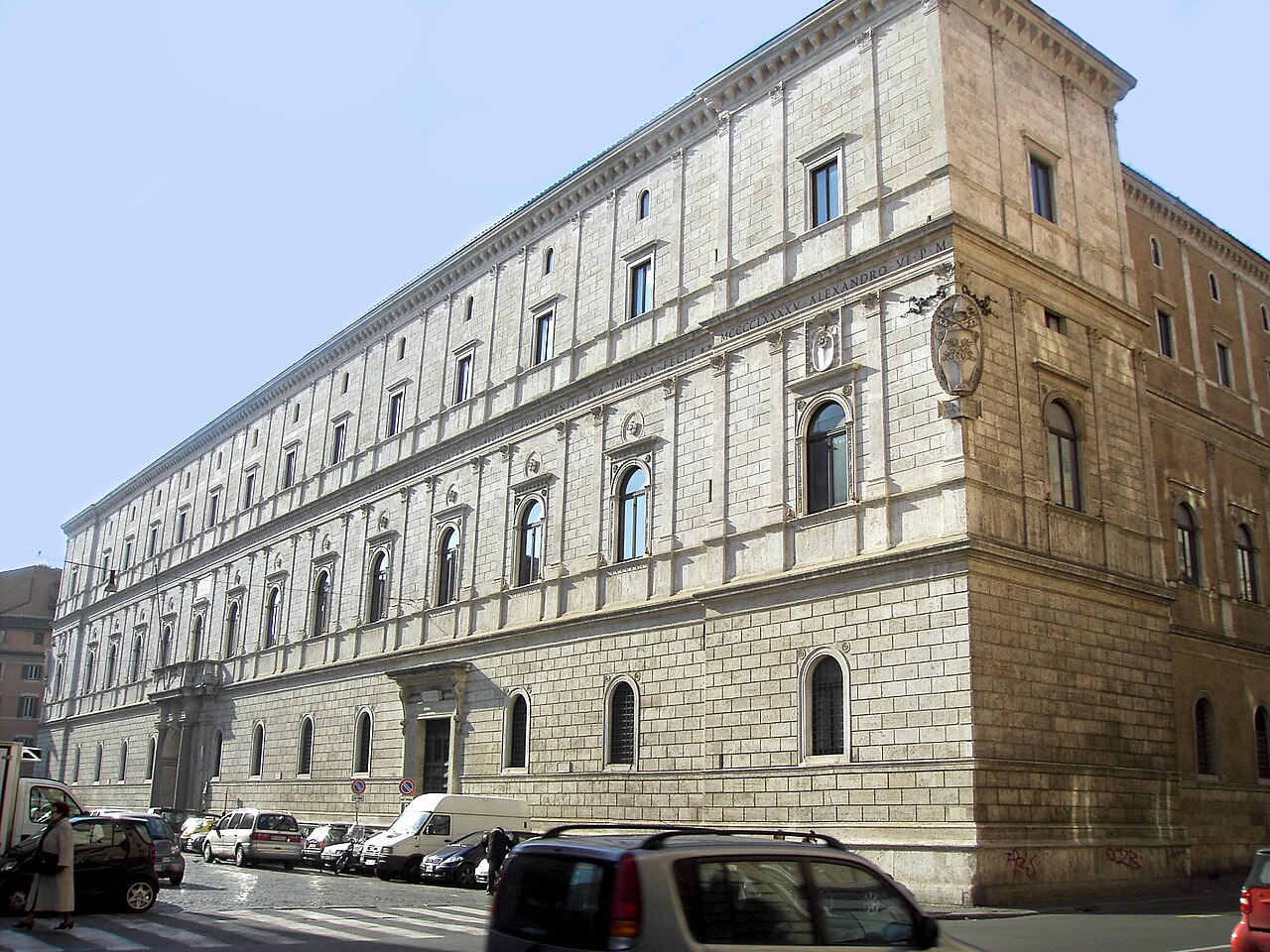
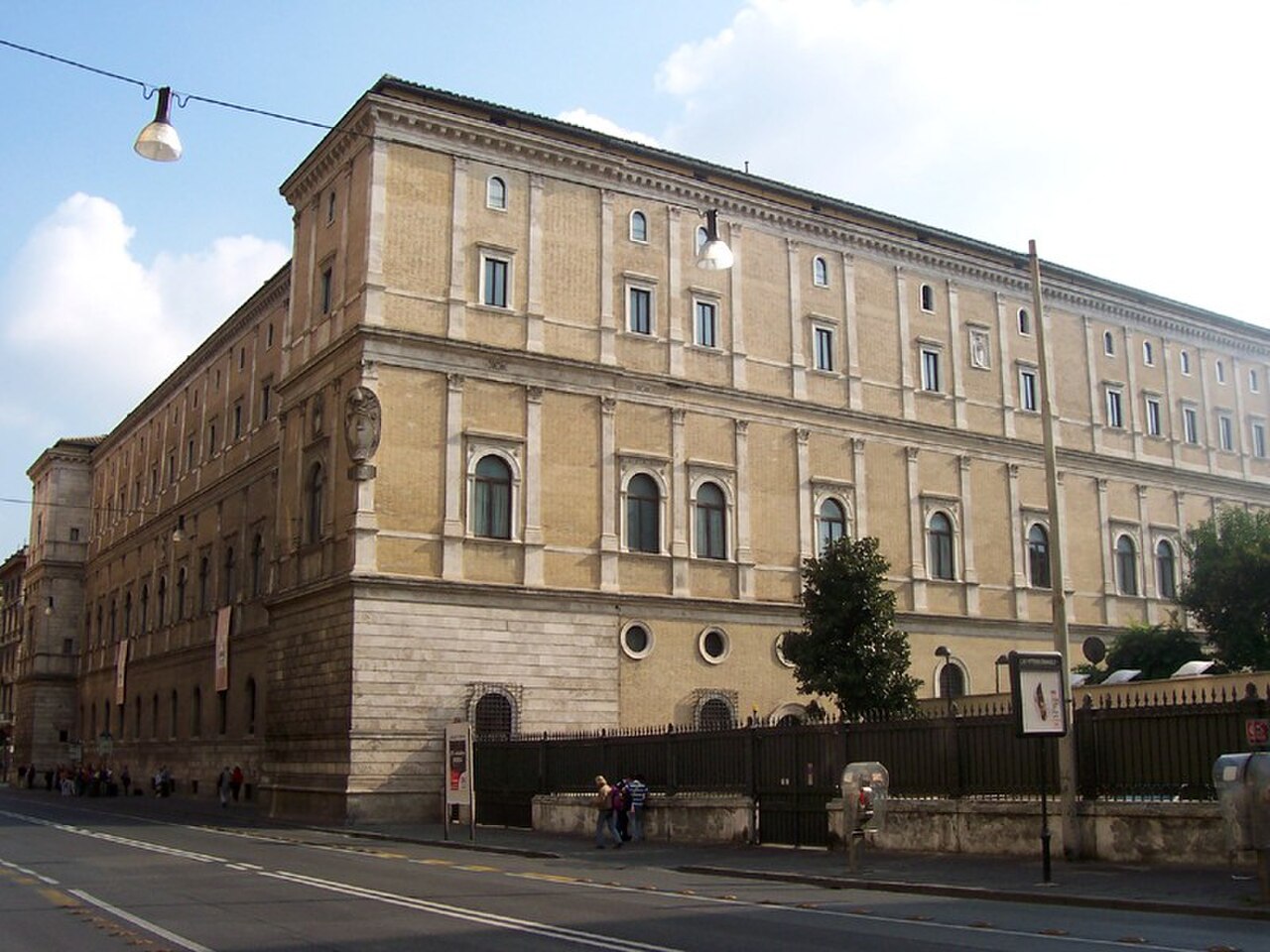
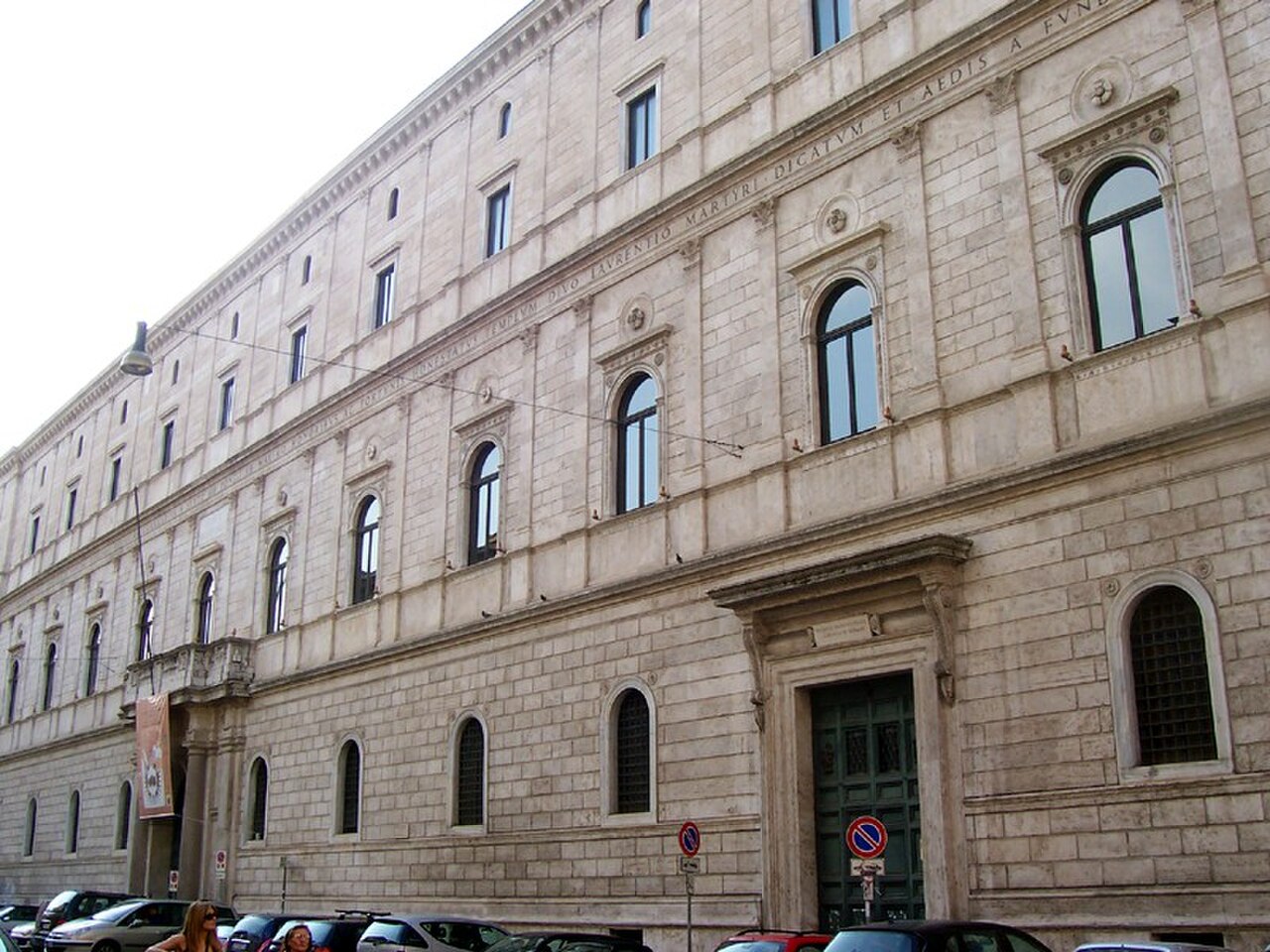
Palazzo della Cancelleria
Palazzo della Cancelleria is a Renaissance palace in Rome, situated between Corso Vittorio Emanuele II and the Campo de' Fiori. It was constructed in the late fifteenth century and is attributed to the architect Donato Bramante, though this attribution remains debated among scholars. The palace serves as the extraterritorial seat of the Papal Chancery and holds significant status within the Vatican's administrative network. Its facade exemplifies early Renaissance palace design in Rome, featuring rusticated stonework and harmonious proportions that influenced subsequent civic architecture in the city.
2026-08-28 kontrol edildi
The palace interior contains notable architectural and artistic elements, including a courtyard with arcades and sculptural details. The basilica of San Lorenzo in Damaso is incorporated within the structure, an ancient church rebuilt during the palace's construction. The building houses Vatican administrative offices and is not generally open for unrestricted public touring. Visitors may access certain areas during specific events or by prior arrangement, though regular public admission to interior spaces is limited. The courtyard and exterior facade remain visible from public thoroughfares.
2026-08-28 kontrol edildi

A complete visit to Palazzo della Cancelleria depends entirely on access arrangements and available areas. Exterior observation of the facade and courtyard from public spaces requires approximately fifteen to thirty minutes. Those granted interior access should allow additional time for the courtyard, any accessible church areas, and architectural examination. Without scheduled entry, visitors typically incorporate the palace into broader walks through the historic centre, combining it with nearby Campo de' Fiori, Piazza Navona, or the Pantheon district. Planning flexibility accommodates uncertain access.
2026-08-28 kontrol edildi

The palace functions as an active administrative building with limited public access, so no standard visiting schedule applies. Exterior viewing is possible at any time along public streets. Those seeking interior access must investigate current arrangements through official Vatican or ecclesiastical channels, as these vary according to administrative requirements and special events. Seasonal considerations for Rome generally apply: spring and autumn offer milder temperatures for extended outdoor architectural observation in the surrounding historic district. A flexible visit to Palazzo della Cancelleria leaves room to adjust for access conditions without relying on unverified schedules, prices or closure assumptions. Confirm practical details with the operator when available. Check the operator's own site for the travel date before relying on a schedule or fare.
2026-08-28 kontrol edildi
No standard admission fee structure exists for general public entry, given the building's primary function as administrative offices. Special access, when available, may involve no charge or require specific arrangements through institutional channels. Visitors should not anticipate typical museum ticketing procedures. The surrounding public spaces and street-level architectural appreciation incur no cost. Any organised entry programs would need verification through authoritative sources rather than assumed commercial tourism mechanisms. Palazzo della Cancelleria is best treated as a distinct stop rather than a generic example of its category. Focus on the setting, surviving features and visitor route visible on arrival. Check the operator's own site for the travel date before relying on a schedule or fare.
2026-08-28 kontrol edildi
The palace occupies a prominent position on Corso Vittorio Emanuele II, a major thoroughfare traversing Rome's historic centre. Multiple bus routes serve this corridor. The nearest metro stations are not immediately adjacent; Spagna and Barberini on Line A require substantial walking, as does Colosseo on Line B. The area is comprehensively served by pedestrian zones and is most practically approached on foot from surrounding landmarks. Specific transport routes and schedules are Not recorded pending review. Visitors familiar with Rome's centro storico will find it readily locatable.
2026-08-28 kontrol edildi
The palace remains an active administrative facility; visitors must respect boundaries between public thoroughfares and restricted areas. The surrounding streets are densely trafficked by vehicles and pedestrians, requiring awareness of Roman traffic patterns. Street-level unevenness and cobblestones present mobility challenges. The Campo de' Fiori vicinity becomes extremely crowded during market hours and evening social periods. Visitors should exercise standard urban precautions regarding personal belongings. No specific hazards are documented, but the building's official status means security protocols may apply unpredictably to adjacent spaces.
2026-08-28 kontrol edildi
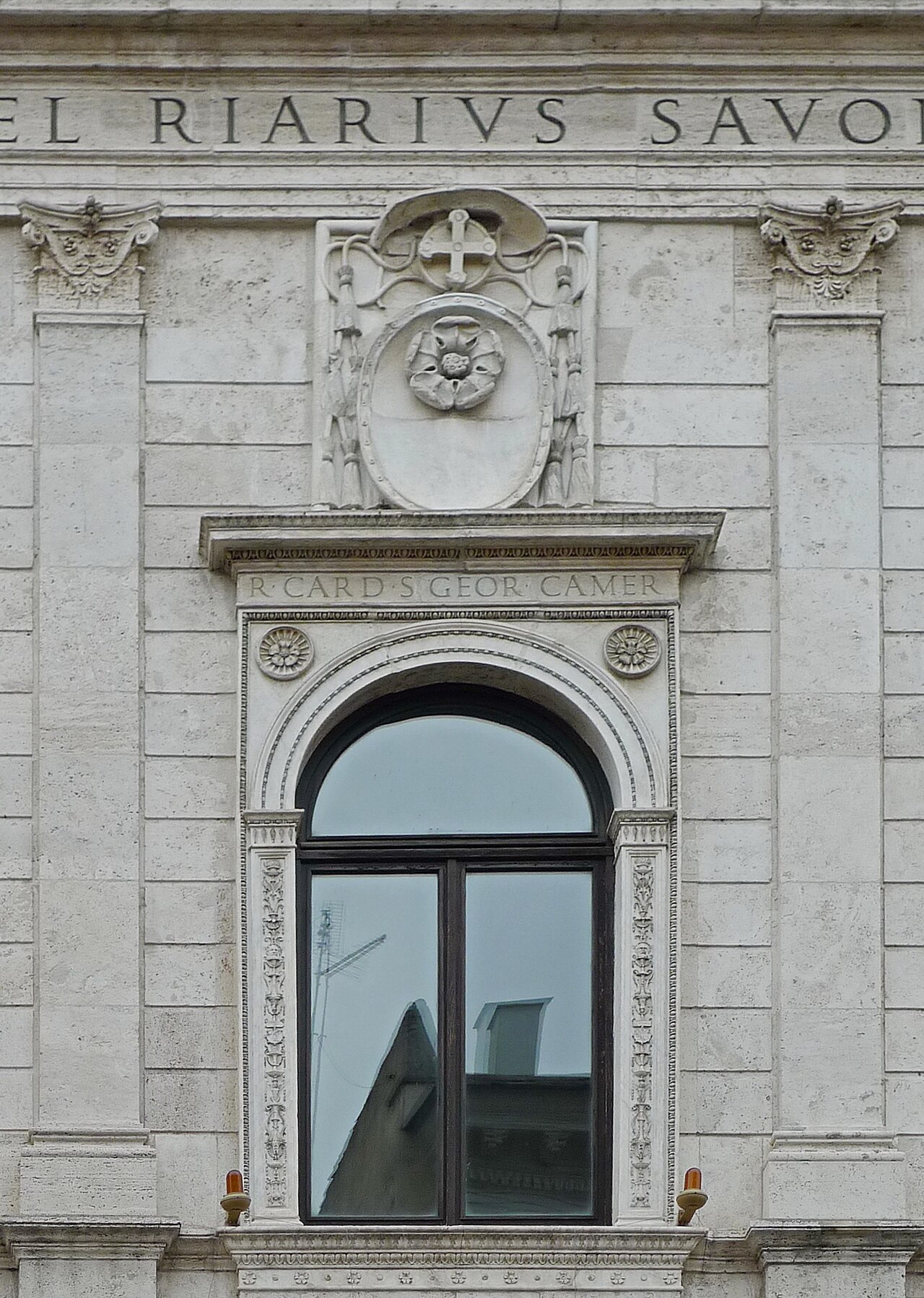
Photography rules are Not recorded pending review. Exterior photography from public streets is generally permissible under Italian law for non-commercial purposes, though tripods and professional equipment may attract attention. Interior photography restrictions, if any, would depend on specific access arrangements and Vatican administrative policies. Visitors should observe any posted signage or instructions from personnel. The facade's proportions and courtyard architecture present significant photographic interest; optimal exterior lighting occurs during morning and late afternoon hours when the stonework receives angled illumination along Corso Vittorio Emanuele II.
2026-08-28 kontrol edildi
Regular public access is limited as the building serves as an active Vatican administrative facility. Interior access may be available through specific arrangements or events, but no standard visiting schedule is confirmed.
The palace is traditionally attributed to Donato Bramante, though this attribution remains debated among architectural historians. The construction dates to the late fifteenth century.
The palace contains a Renaissance courtyard with arcades, administrative offices, and the basilica of San Lorenzo in Damaso, an ancient church rebuilt during the palace's construction.
No standard admission structure exists for general entry. Any special access arrangements would need verification through official channels. Check the operator's own site for the travel date before relying on a schedule or fare.
The palace is located on Corso Vittorio Emanuele II, accessible by multiple bus routes and on foot from surrounding historic centre landmarks. Specific transport details are Not recorded pending review.
Photography rules are Not recorded pending review. Exterior photography from public streets is generally permissible for non-commercial purposes, but interior restrictions would depend on specific access arrangements.
Etkileşimli harita yükleniyor…
Etkileşimli harita yüklenemedi.
Son güncelleme:
Kaynak: OpenStreetMap katkıda bulunanları, Wikidata ·