
.jpg)

.jpg)

_(34103763316).jpg)
_(34098372296).jpg)
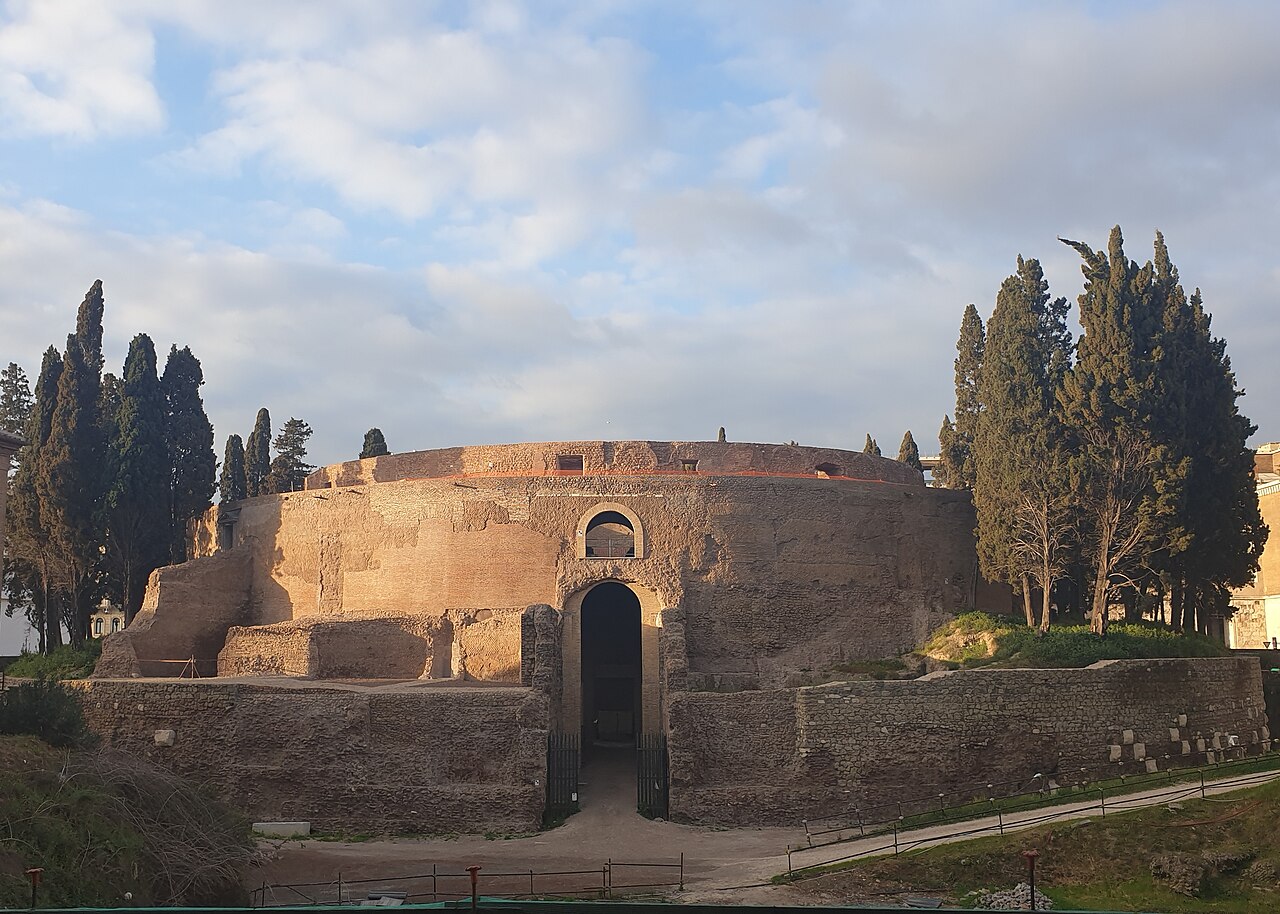
1 dk yürüyüş
Augustus Anıt Mezarı
- Dikkate değer
- Tarihi anıt
Dil · 11 yayınlandı
Müze · Roma
Museo dell'Ara Pacis
The Museum of the Ara Pacis houses the Ara Pacis Augustae, an ancient Roman altar dedicated to Pax, the goddess of peace. Commissioned by the Roman Senate in 13 BCE to honor Augustus's return from Hispania and Gaul, this marble monument represents a significant achievement of Augustan propaganda. The museum building itself, designed by Richard Meier, opened in 2006 and replaced a previous 1930s structure. The altar sits within a modern glass-and-stone pavilion along the Tiber River, near Augustus's mausoleum in the Campo Marzio district of central Rome.
2026-08-26 kontrol edildi
The central exhibit is the reconstructed Ara Pacis altar, featuring elaborate friezes depicting mythological scenes, floral patterns, and processional figures including Augustus himself, members of the imperial family, priests, and magistrates. The north and south walls show the imperial procession, while east and west panels display allegorical and mythological subjects. The museum also contains fragments, casts, and interpretive materials explaining the monument's history, discovery, and reconstruction. Temporary exhibition spaces occupy upper levels, though specific current displays are Not recorded. The building's architecture creates a controlled environment protecting the ancient marble from pollution and weather damage.
2026-08-26 kontrol edildi
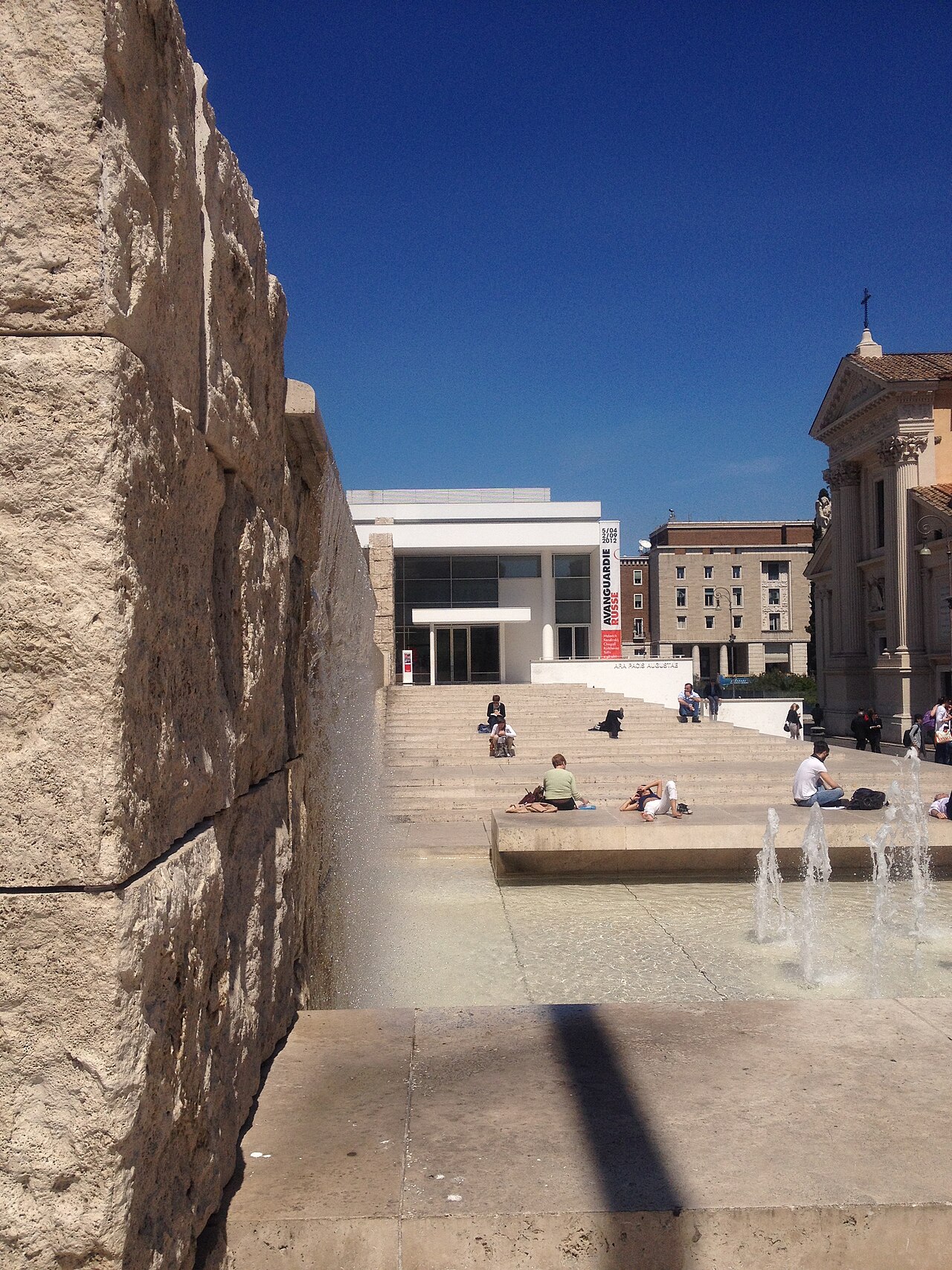
Visitors typically spend between sixty and ninety minutes exploring the museum's single main gallery and viewing the altar from multiple angles. The compact nature of the collection means a complete circuit requires limited time compared to larger Roman museums. Those with particular interest in Augustan art, Roman iconography, or architectural history may extend their visit by examining frieze details and reading interpretive panels thoroughly. The museum's design permits clear circulation around the monument. Combined visits with nearby attractions such as the Mausoleum of Augustus could constitute a half-day itinerary in this section of Rome.
2026-08-26 kontrol edildi

Visitors should consult official sources before planning attendance. The museum's glass walls create notable interior lighting conditions that vary throughout the day; morning and late afternoon produce different atmospheric effects around the marble altar. Summer months bring increased tourist density throughout Rome, potentially affecting comfort and viewing conditions. The climate-controlled interior offers respite from outdoor temperatures regardless of season. Evening hours, when operated, may provide distinctive illumination of the structure. Advance verification of current scheduling remains essential for all potential visitors to this site. Check the operator's own site for the travel date before relying on a schedule or fare.
2026-08-26 kontrol edildi
Visitors must verify current admission costs through official channels before arrival. The museum participates in Roma Pass and similar city tourist card schemes, though exact inclusion terms require confirmation. Reduced rates may apply to designated categories such as European Union students, seniors, or residents, pending policy verification. Free admission policies for specific demographics or occasions are Not recorded. Online reservation systems may operate during peak periods. Payment methods and cancellation policies should be confirmed directly. Combination tickets with neighboring attractions are not documented in available sources and require separate inquiry. Check the operator's own site for the travel date before relying on a schedule or fare.
2026-08-26 kontrol edildi

The museum occupies Lungotevere in Augusta in central Rome, accessible via multiple public transportation options. The Spagna metro station on Line A lies within reasonable walking distance through the historic center. Bus routes serve adjacent streets along the Tiber embankment. The location sits between Piazza del Popolo and Piazza Augusto Imperatore, making it reachable on foot from numerous central landmarks. Riverfront pedestrian pathways connect to the museum entrance. Visitors arriving by private vehicle should investigate parking availability in this congested central district, as on-street options remain extremely limited and traffic restrictions commonly apply to non-resident vehicles in central Rome.
2026-08-26 kontrol edildi

The museum's modern architecture incorporates extensive glass surfaces that may create glare affecting photography and viewing comfort at certain times. Security protocols including bag checks are standard practice. The single main exhibition space offers limited seating around the altar perimeter. Crowding concentrates at the frieze sections depicting recognizable imperial figures. The surrounding Piazza Augusto Imperatore has undergone repeated construction phases, potentially affecting pedestrian access routes. Visitors should remain alert to modified entrances or pathways. The riverside location exposes exterior approaches to weather conditions. Nearby traffic along the Lungotevere requires caution when crossing to access the building from certain directions.
2026-08-26 kontrol edildi
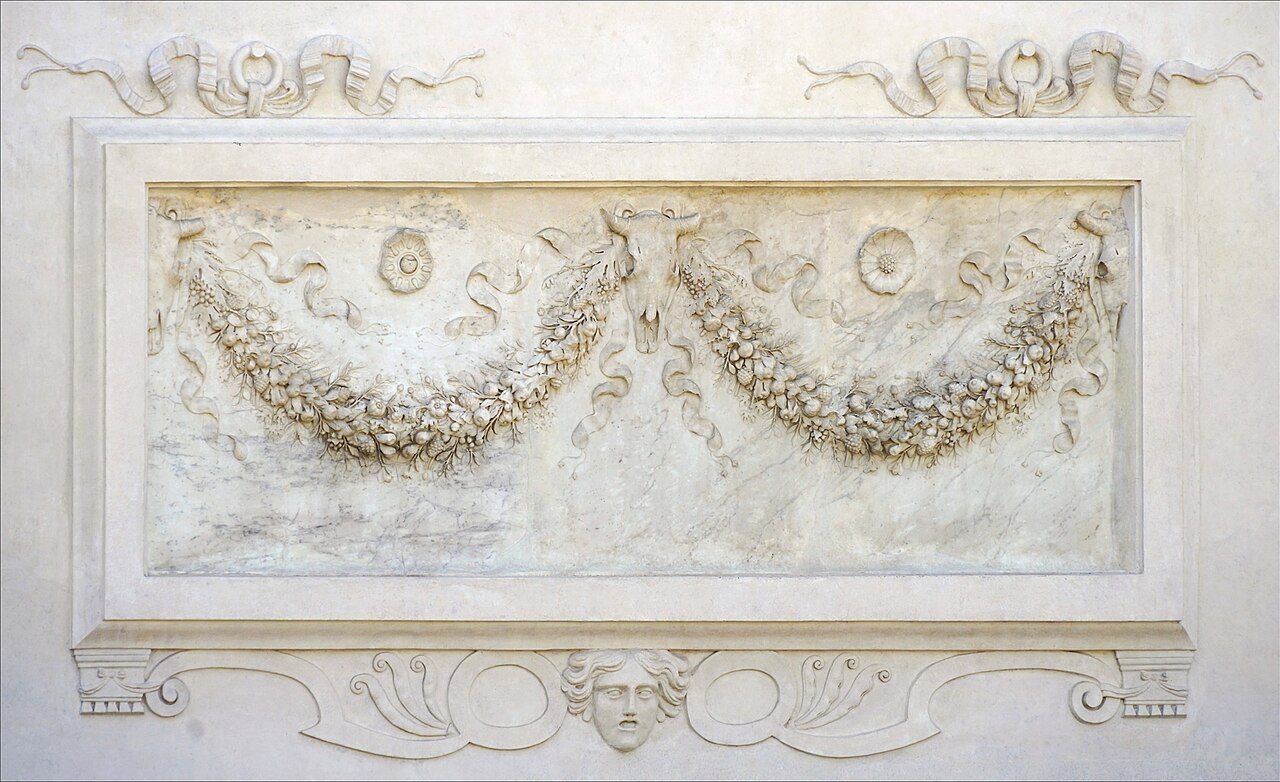
Personal photography policies are Not recorded pending review from operator sources. The glass enclosure creates challenging lighting conditions for capturing the altar's detailed relief work, with reflections and variable natural illumination affecting image quality. Professional equipment restrictions, tripod prohibitions, and flash policies require direct confirmation. The museum's architectural design permits exterior photographs of the building from the piazza and riverside walkways without entering. Drone usage would fall under Italian aviation regulations and local restrictions near historic monuments. Commercial or publication photography necessitates advance authorization. Visitors prioritizing photographic documentation should plan around daylight conditions and verify equipment rules before their visit.
2026-08-26 kontrol edildi
The displayed altar comprises original marble fragments assembled with reconstructed elements filling missing portions, completed across multiple conservation campaigns.
Richard Meier's 2006 structure generated substantial debate regarding modern construction adjacent to ancient Roman remains and within the historic urban fabric.
The Mausoleum of Augustus stands immediately adjacent, though coordinated access and ticketing policies require verification with individual operators.
Audio guides or scheduled guided visit options are Not recorded pending review; visitors should consult official sources for current educational programming.
The modern building design suggests step-free access, though specific accessibility provisions and services are Not recorded pending operator confirmation.
On-site visitor amenities including retail and refreshment facilities are Not recorded pending review of current operational status.
Etkileşimli harita yükleniyor…
Etkileşimli harita yüklenemedi.


Son güncelleme:
Kaynak: OpenStreetMap katkıda bulunanları, Wikidata ·