

.jpeg)


1 dk yürüyüş
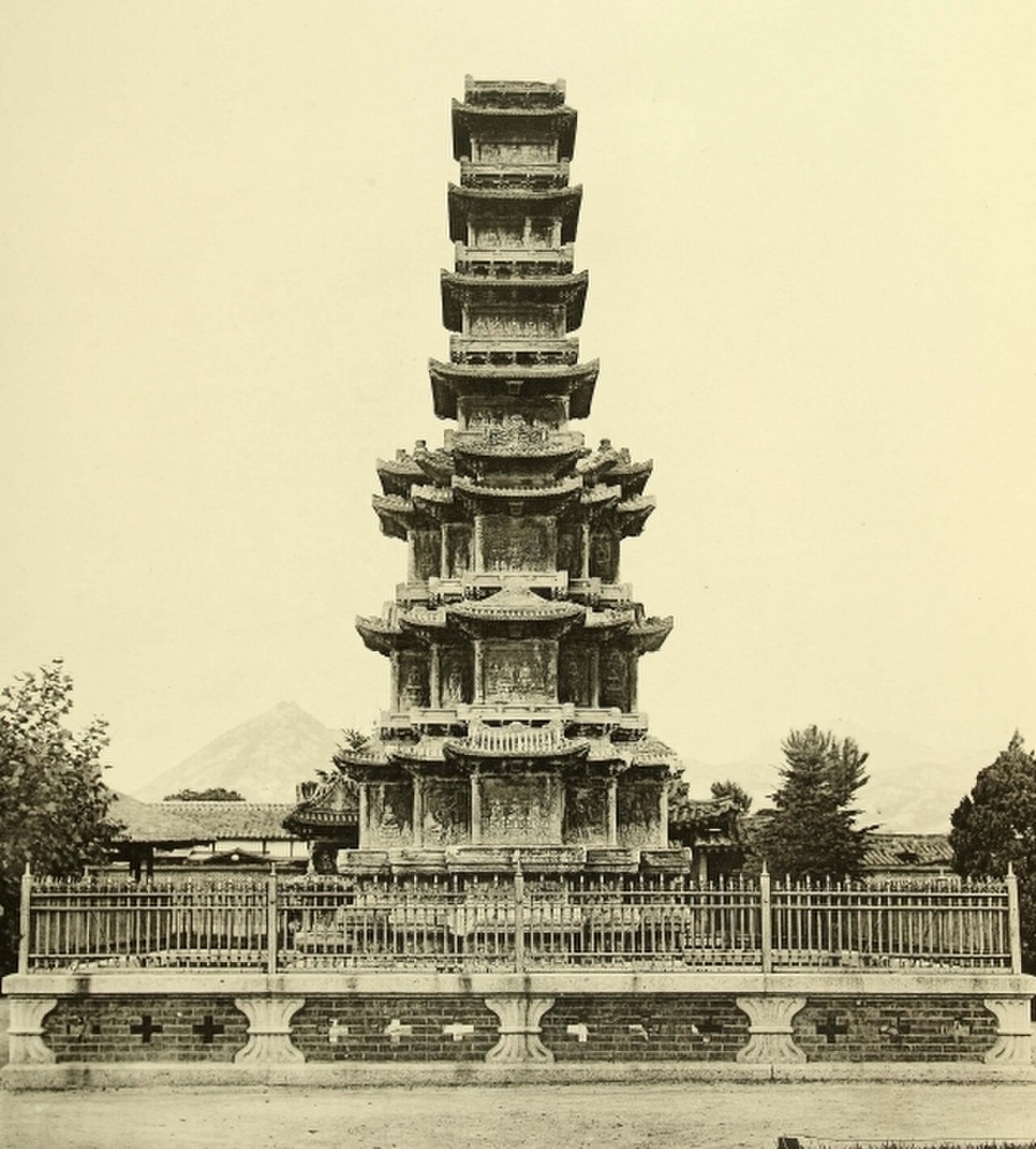
서울원각사지십층석탑
- Yüksek · Miras alanı
- Tarihi anıt
Dil · 11 yayınlandı
Doğal alan · Seul
탑골공원
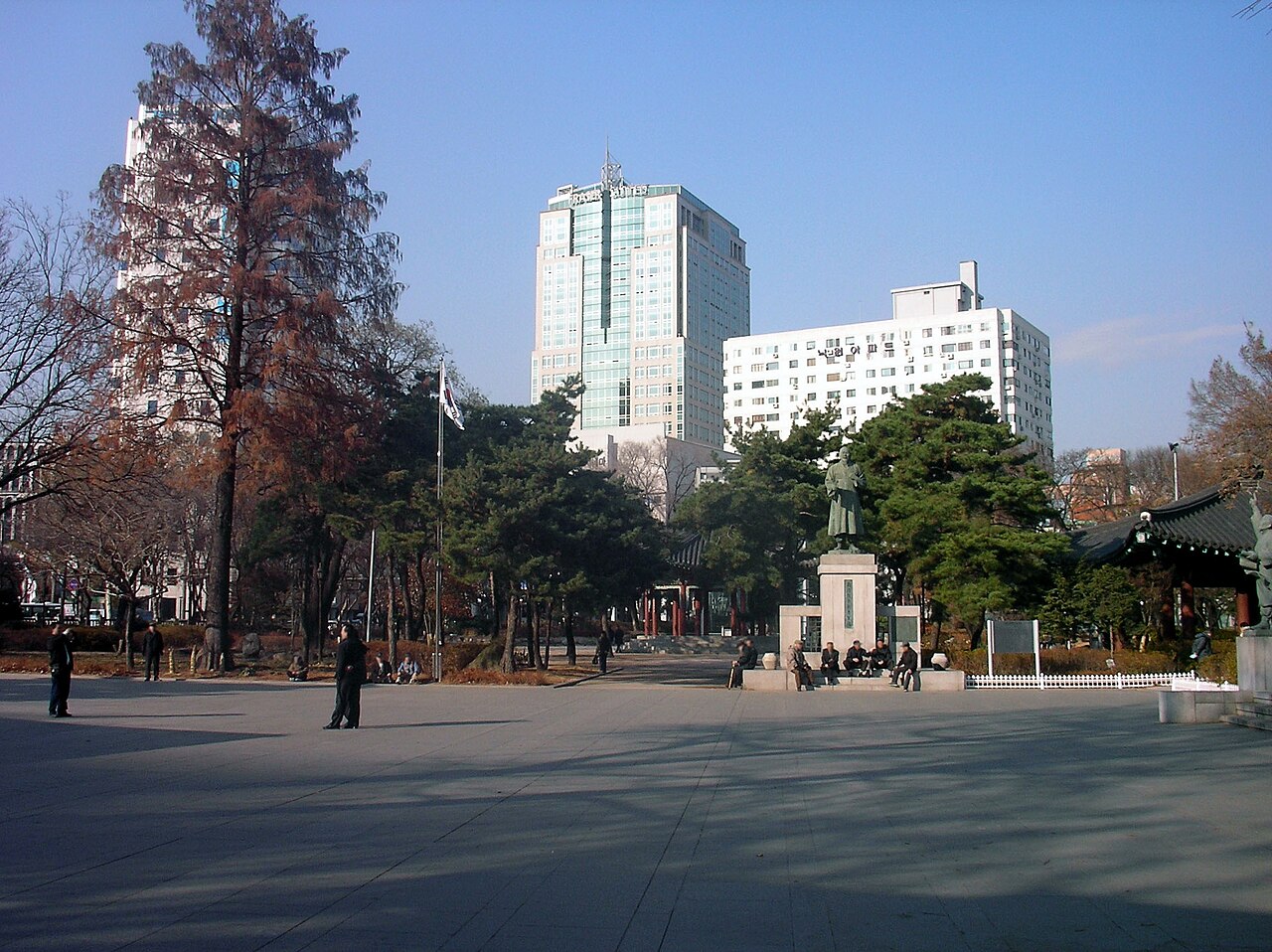
Tapgol Park, known locally as 탑골공원, is a historic public park located in the Jongno district of central Seoul. The park occupies a site of considerable historical significance in Korean modern history. It was formerly the location of Wongaksa Temple, established during the Joseon dynasty. The park is widely recognized as a birthplace of the March First Independence Movement in 1919, when the Korean Declaration of Independence was first read aloud in public, making it a symbol of Korean resistance against colonial rule.
2026-08-26 kontrol edildi
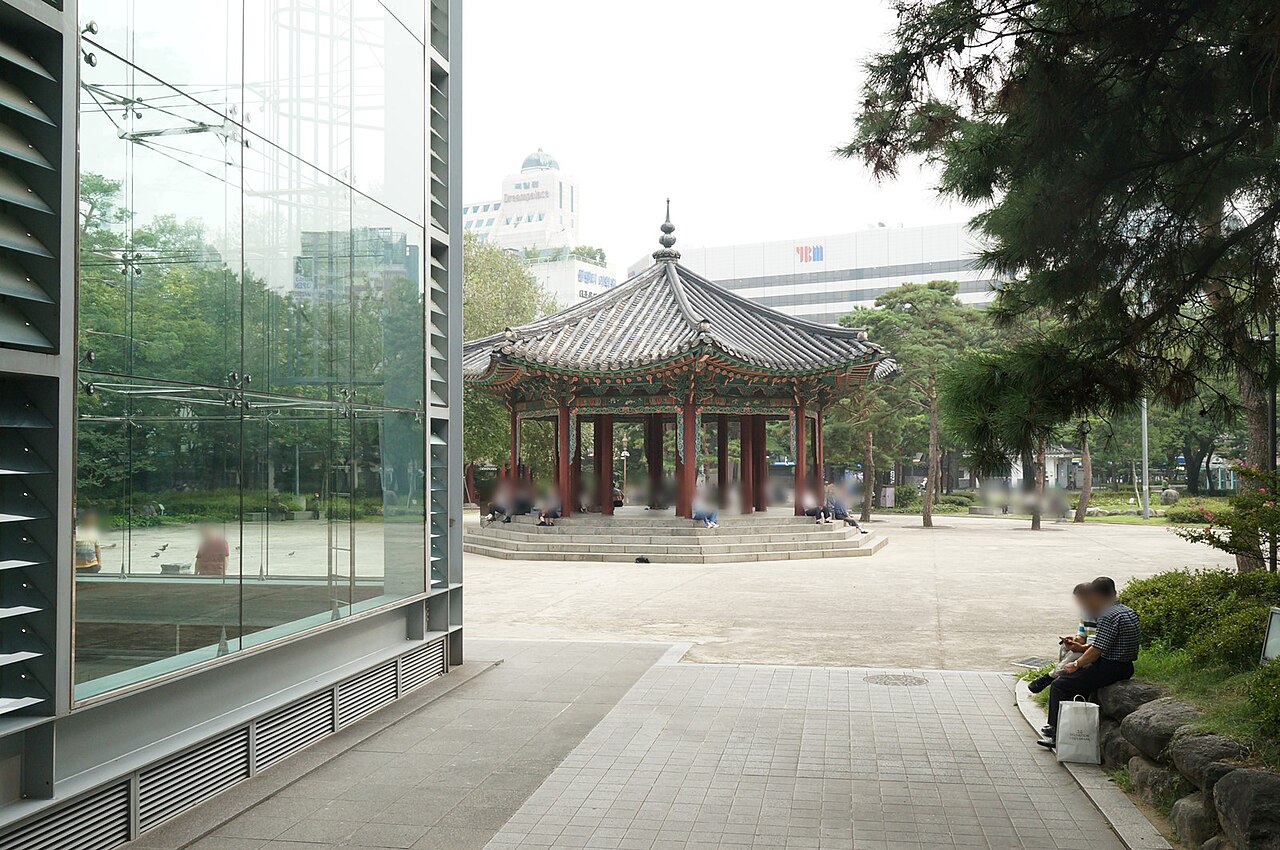
The park contains several notable monuments and structures. The Wongaksa Pagoda, a ten-story stone pagoda designated as a National Treasure, stands as the park's centerpiece. This pagoda was originally erected at Wongaksa Temple in 1467 during the reign of King Sejo. The park also features the Palgakjeong Pavilion, a traditional Korean structure. Various monuments commemorate the March First Independence Movement, including the large granite carving of the Declaration of Independence. The park's layout incorporates paved walkways and seating areas among mature trees.
2026-08-26 kontrol edildi
Visitors typically spend between thirty minutes and one hour exploring Tapgol Park. The compact size of the grounds allows for a thorough visit without extensive time commitment. Those with particular interest in Korean independence history or Joseon-era architecture may wish to allocate additional time for reading informational plaques and examining the Wongaksa Pagoda in detail. The park serves well as a brief stopping point during a broader walking tour of the Jongno and Insadong areas. Photography and quiet contemplation at the monuments may extend a visit slightly.
2026-08-26 kontrol edildi
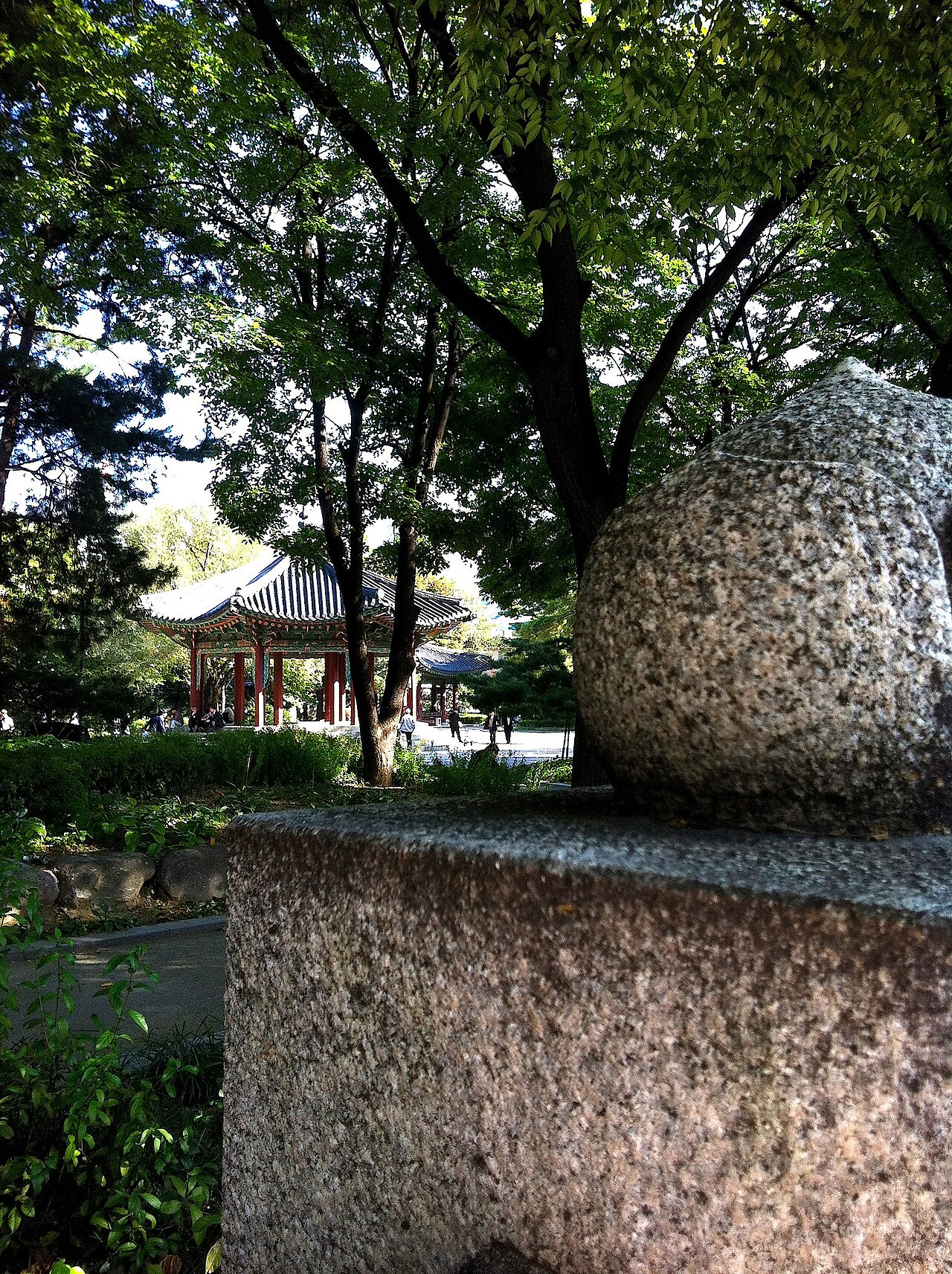
Tapgol Park is an outdoor urban space accessible during daylight hours. The park offers different atmospheric qualities across seasons, with spring blossom and autumn foliage providing notable visual interest. Summer visits may be affected by heat and humidity typical of Seoul's climate. Winter presents colder conditions with reduced vegetation. Operator-confirmed hours are Not recorded pending review. Visitors should verify current opening times through official Seoul city resources or on-site signage before planning a visit, as municipal park hours may be subject to seasonal adjustment or special circumstances.
2026-08-26 kontrol edildi
Tapgol Park operates as a public municipal park. No entrance fee is typically charged for access to the grounds and general monument viewing. Operator-confirmed prices are Not recorded pending review. Visitors should not expect ticket purchases for standard park entry. Any special exhibitions, guided services, or cultural programs that may occasionally operate within the park could potentially involve separate arrangements. Current fee structures, if any exist beyond standard free access, should be verified through official Seoul metropolitan government channels. The park's public function suggests accessibility for all visitors regardless of expenditure capacity.
2026-08-26 kontrol edildi

Tapgol Park occupies a central location in Jongno-gu with multiple public transportation options. The park sits near Jongno 3-ga, a major intersection served by Seoul Subway Lines 1, 3, and 5 at Jongno 3-ga Station. Additional nearby stations include Anguk Station on Line 3 and Jonggak Station on Line 1, each requiring several minutes of walking. Numerous bus routes serve the Jongno corridor. The park's position between Insadong and the Cheonggyecheon stream makes it readily incorporable into walking itineraries through central Seoul's historic district. Taxis and ride services can access adjacent roadways.
2026-08-26 kontrol edildi
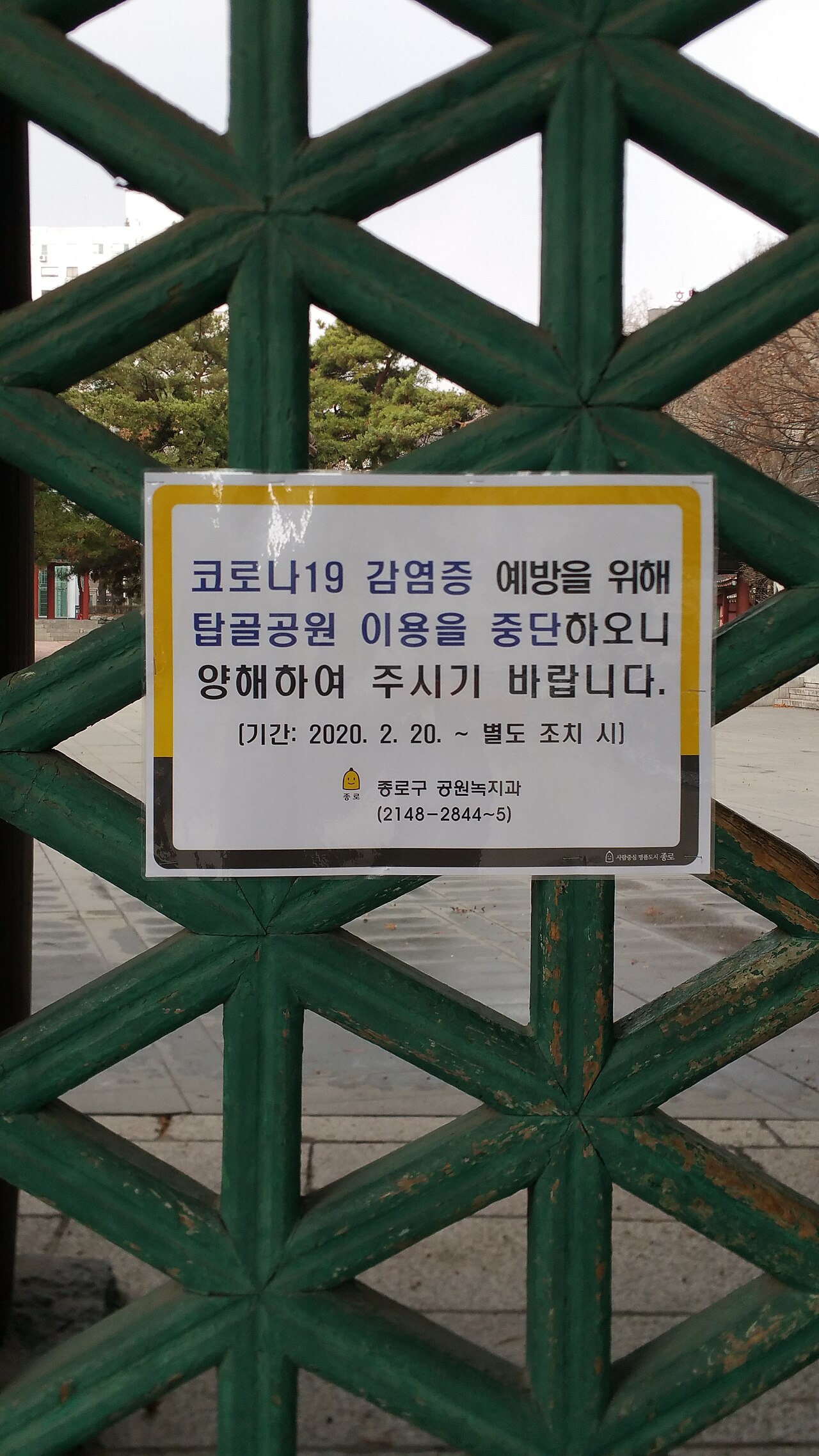
Visitors should exercise standard urban park awareness. The park's historical monuments, particularly the Wongaksa Pagoda, are protected heritage items requiring respectful conduct. Climbing or touching the pagoda is prohibited. The park may experience varying crowd levels, with potential concentrations during national commemorative dates related to the March First Movement. Some uneven paving surfaces exist. Seating availability may be limited during busy periods. As with any public space in a major city, personal belongings warrant attention. The park's open design offers limited shelter from weather conditions. Visitors with mobility considerations should assess pathway suitability on arrival.
2026-08-26 kontrol edildi
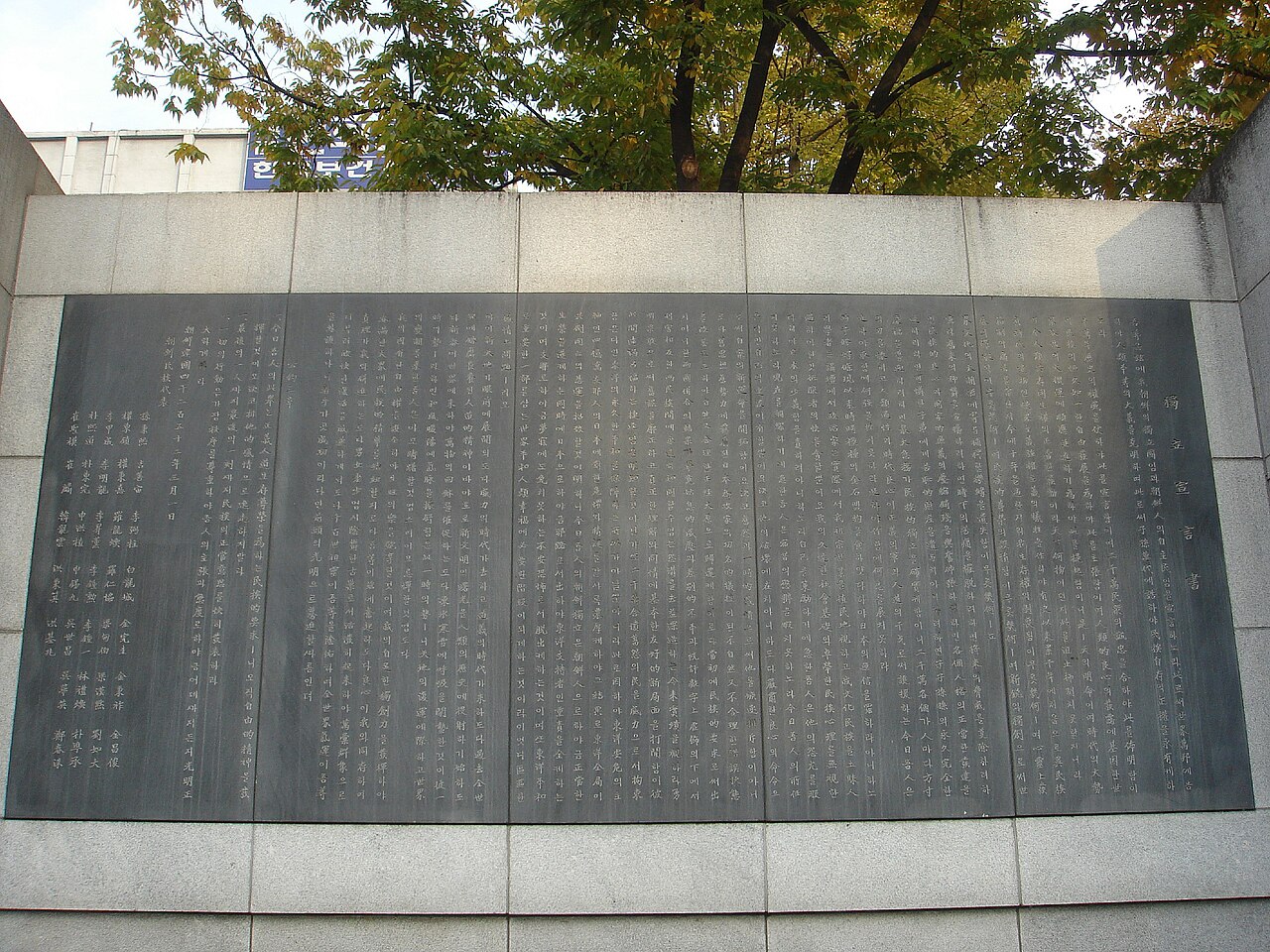
Photography of the Wongaksa Pagoda and park monuments is generally permitted for personal use. The pagoda's detailed stone carving offers substantial photographic interest across different lighting conditions. Morning and late afternoon light may provide favorable illumination of the stone surfaces. The Palgakjeong Pavilion presents traditional architectural photography opportunities. Monument plaques and commemorative structures document historical narrative for visual record. Tripod use may attract attention or restriction in this public municipal space. Commercial or professional photography may require advance permission from relevant authorities. Visitors should photograph with due respect at sites of national historical significance, avoiding disruptive behavior near commemorative elements.
2026-08-26 kontrol edildi
Yes, Tapgol Park has historically been referred to as Pagoda Park in some English contexts, referencing the Wongaksa Pagoda at its center.
The park is most closely associated with the March First Independence Movement of 1919, when the Korean Declaration of Independence was first read publicly here.
The Wongaksa Pagoda was originally erected in 1467 during the Joseon dynasty under King Sejo.
The park typically operates as a free public space, though visitors should verify current arrangements through official sources.
Jongno 3-ga Station on Seoul Subway Lines 1, 3, and 5 is the most directly adjacent station.
The park itself is a compact historical green space without commercial facilities; numerous dining and shopping options exist in the surrounding Jongno and Insadong areas.
Etkileşimli harita yükleniyor…
Etkileşimli harita yüklenemedi.


Son güncelleme:
Kaynak: OpenStreetMap katkıda bulunanları, Wikidata ·