


_-_DSC07388.JPG)
_-_DSC07390.JPG)
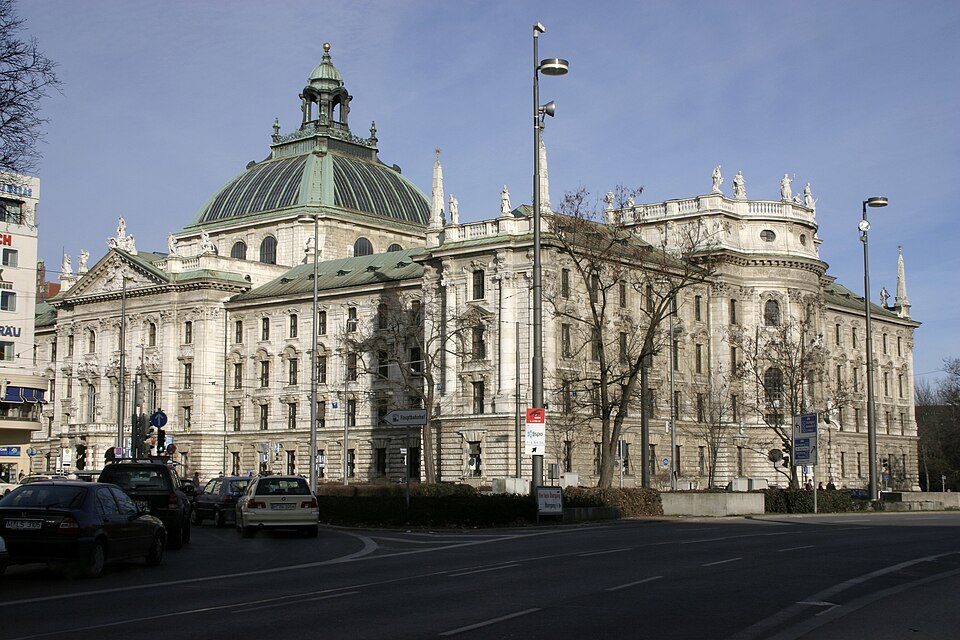
2 dk yürüyüş
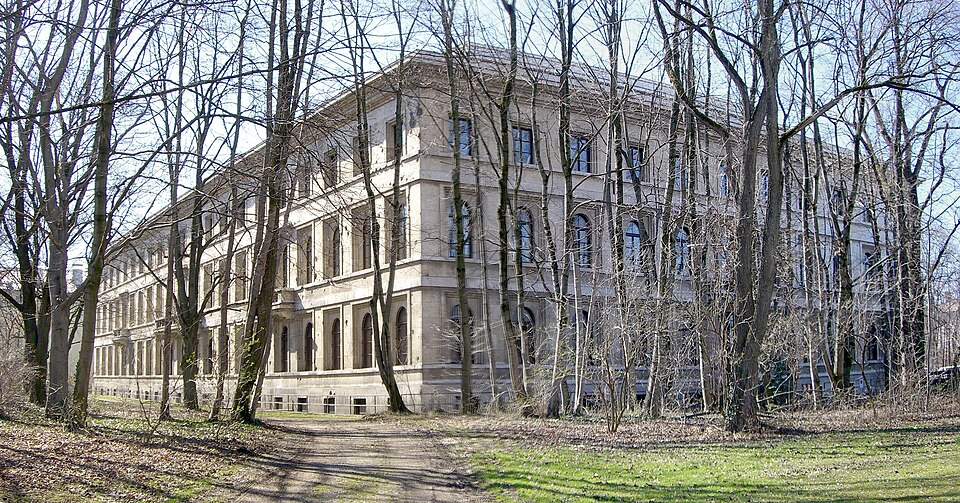
Justizpalast
- Mutlaka görülmeli · Miras alanı
- Tarihi anıt
Dil · 11 yayınlandı
Doğal alan · Munich
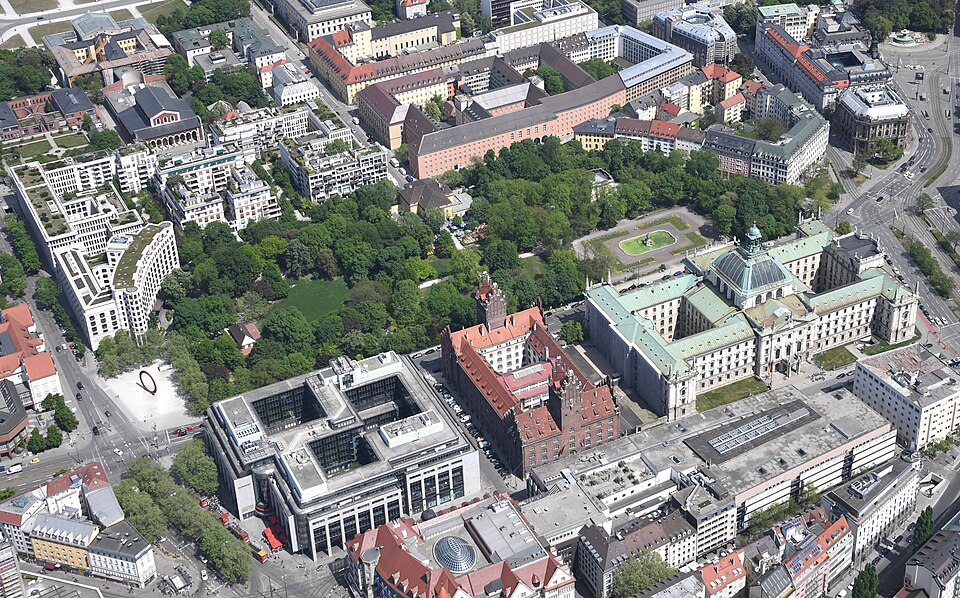
Alter Botanischer Garten is a historic park in central Munich, Germany. It occupies the site of Munich's original botanical garden, which operated from 1812 until the gardens relocated to Nymphenburg in 1914. Today it functions as a public green space near Karlsplatz-Stachus, offering visitors a peaceful retreat amid the city bustle. The garden retains elements of its scientific heritage while serving recreational purposes. Its central location makes it accessible for both residents and tourists exploring Munich's urban core. Alter Botanischer Garten also earns time in a munich itinerary because Selected as a distinct visitor-facing POI and matched exactly to the production city pool. Its value becomes clearer when the stop is compared with the surrounding streets and the other ranked places nearby.
2026-08-26 kontrol edildi
The garden features mature trees, lawns, and pathways typical of nineteenth-century landscape design. A notable element is the neoclassical glass and iron pavilion structure, which reflects the garden's botanical past. Seasonal plantings and maintained horticultural displays continue in portions of the grounds. The space includes seating areas for rest and informal recreation. Water features and sculptural elements contribute to the garden's atmosphere. The overall character blends historical garden architecture with contemporary public park functions, though specific current botanical collections are not recorded in available sources.
2026-08-26 kontrol edildi
Visitors typically spend between thirty minutes and one hour at Alter Botanischer Garten, depending on their purpose. Those seeking a brief rest during city exploration may pause for fifteen to twenty minutes on benches or lawns. A leisurely walk through the grounds with attention to historical features and plantings warrants closer to forty-five minutes. The compact urban location suits integration into broader itineraries rather than serving as a primary half-day destination. Picnicking or reading extends duration according to individual preference and weather conditions.
2026-08-26 kontrol edildi
Operator-confirmed hours are Not recorded pending review. Visitors should verify current opening times through official Munich city channels before planning. The garden's outdoor character suggests daytime visits are most practical for visibility and access. Spring through autumn likely offers the fullest experience of plantings and comfortable conditions for walking and sitting. Winter visits remain possible though horticultural interest diminishes. Morning hours may provide relative quiet before surrounding commercial and transit areas become busier. Evening accessibility depends on verified closing times and seasonal daylight patterns.
2026-08-26 kontrol edildi
Operator-confirmed prices are Not recorded pending review. As a municipal public park in Germany, Alter Botanischer Garten likely operates without admission charges, consistent with comparable urban green spaces. Visitors should confirm current status through official sources, as special exhibitions or events may occasionally introduce fees. No advance booking appears necessary for general access. Any paid services such as guided tours or facility rentals would require separate verification. Budget-conscious travelers may reasonably anticipate free entry but should carry means of payment for unexpected circumstances or adjacent attractions.
2026-08-26 kontrol edildi
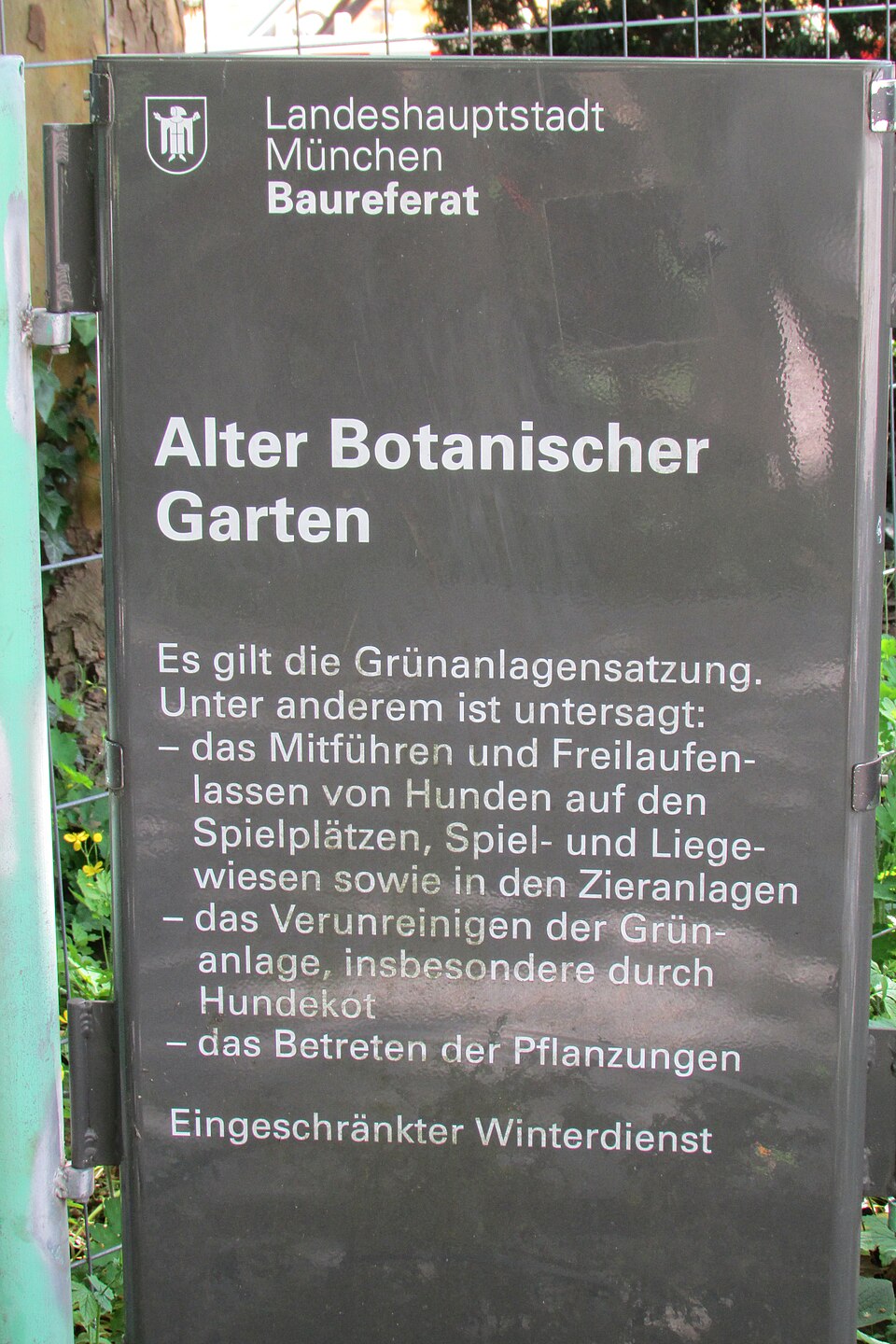
Alter Botanischer Garten sits near Karlsplatz-Stachus, a major transportation hub in central Munich. U-Bahn lines U4, U5, U1, U2, U7, and U8 serve Karlsplatz station with exits proximate to the garden. S-Bahn lines S1 through S8 stop at the same interchange. Multiple tram and bus routes converge nearby. Walking from Munich Hauptbahnhof takes approximately ten minutes. The garden's central location permits easy combination with visits to Karlstor, Sendlinger Tor, or pedestrian shopping zones. Cyclists find connections through Munich's bike lane network.
2026-08-26 kontrol edildi
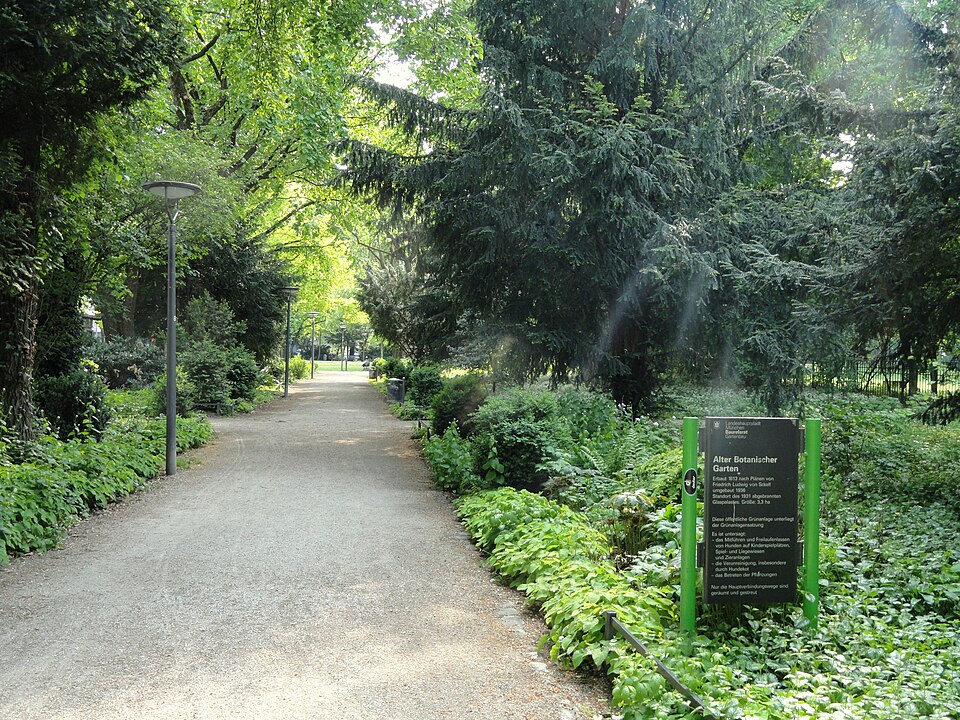
The garden borders busy streets and a major transit node, so visitors should remain aware of traffic when entering and exiting. Personal belongings warrant standard urban precautions given the central location and transient foot traffic. Weather protection may be limited; the pavilion offers partial cover but is not designed for extended shelter. Lawn areas may be damp after rain. No permanent food or beverage services are evident in available sources, so visitors should plan accordingly. Accessibility conditions for mobility-impaired visitors are not recorded and should be verified.
2026-08-26 kontrol edildi
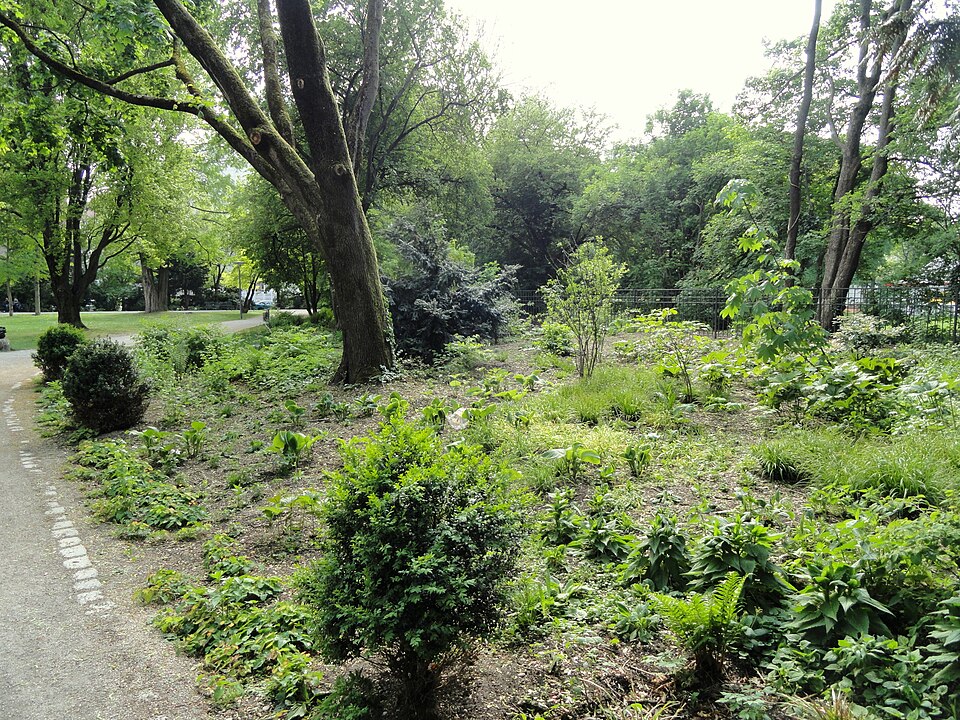
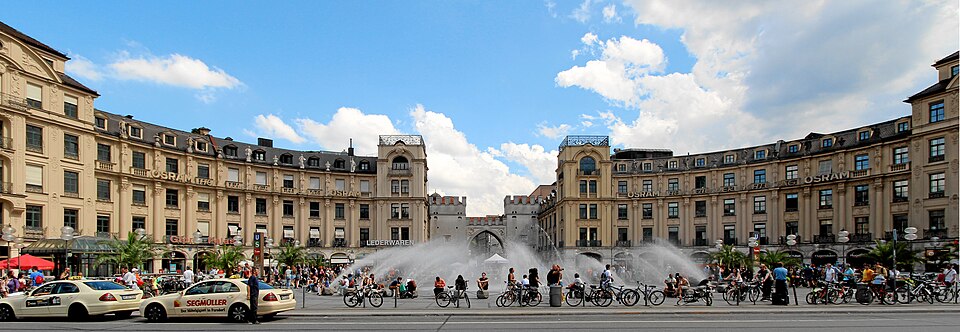
The historical pavilion structure provides an architectural focal point for photography, particularly when sky conditions permit glass and iron details to show clearly. Mature trees frame compositions throughout seasons, with foliage density varying. The contrast between garden greenery and surrounding urban stone buildings offers contextual shots. Morning and late afternoon light likely enhance the pavilion's translucency. Tripod use may attract attention in this public space; discretion is advisable. No photography restrictions are recorded, though respect for other visitors' privacy should govern behavior. Drone operation would require compliance with German aviation regulations and local ordinances.
2026-08-26 kontrol edildi
No. Alter Botanischer Garten is the former site; the current botanical garden is Botanischer Garten München-Nymphenburg, which opened in 1914.
Not recorded in available sources. Visitors should anticipate using facilities at nearby transit stations, shopping centers, or cafes.
The garden's public park character suggests informal picnicking is permissible, but specific regulations are not recorded. Visitors should observe posted rules and maintain cleanliness.
Accessibility conditions are not recorded in available sources and should be verified with Munich city authorities before visiting.
Potential for seasonal events exists given the public space function, but specific programming is not recorded in available sources.
Dedicated children's play facilities are not mentioned in available sources. The garden appears oriented toward passive recreation rather than active play equipment.
Etkileşimli harita yükleniyor…
Etkileşimli harita yüklenemedi.
Son güncelleme:
Kaynak: OpenStreetMap katkıda bulunanları, Wikidata ·